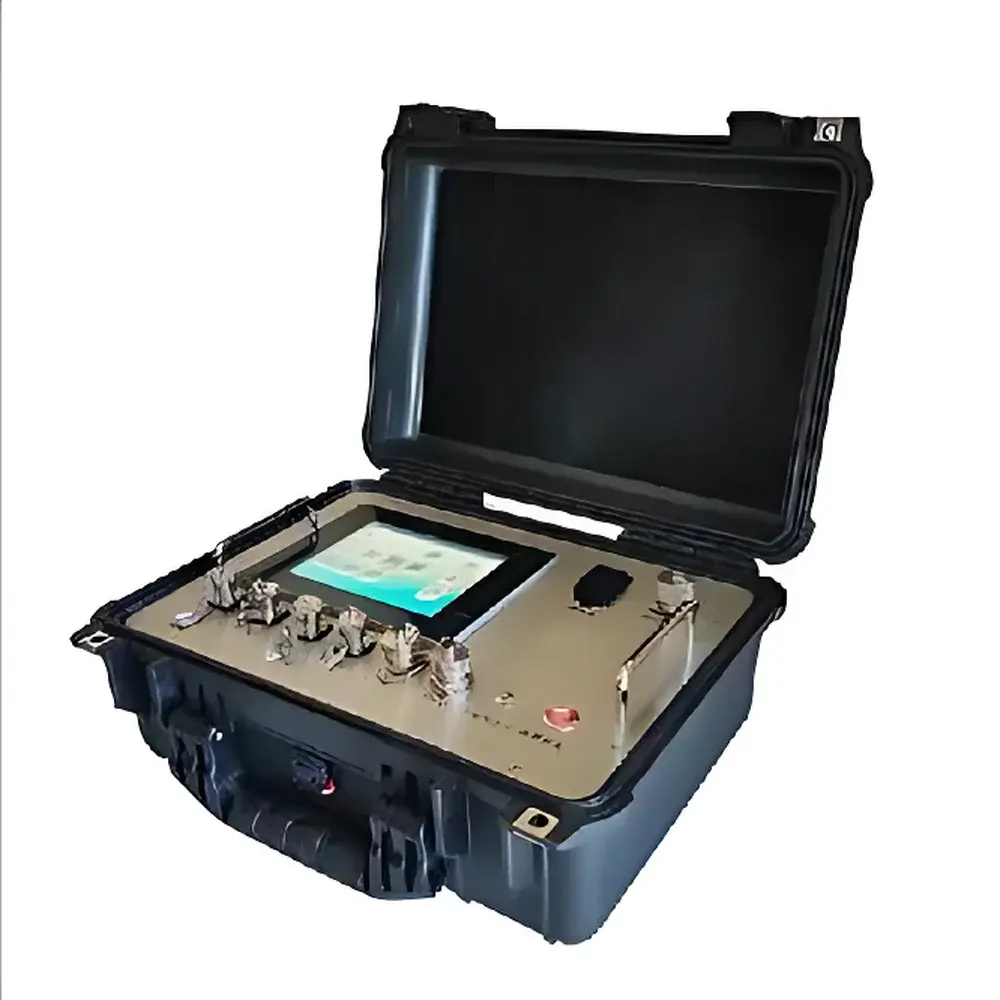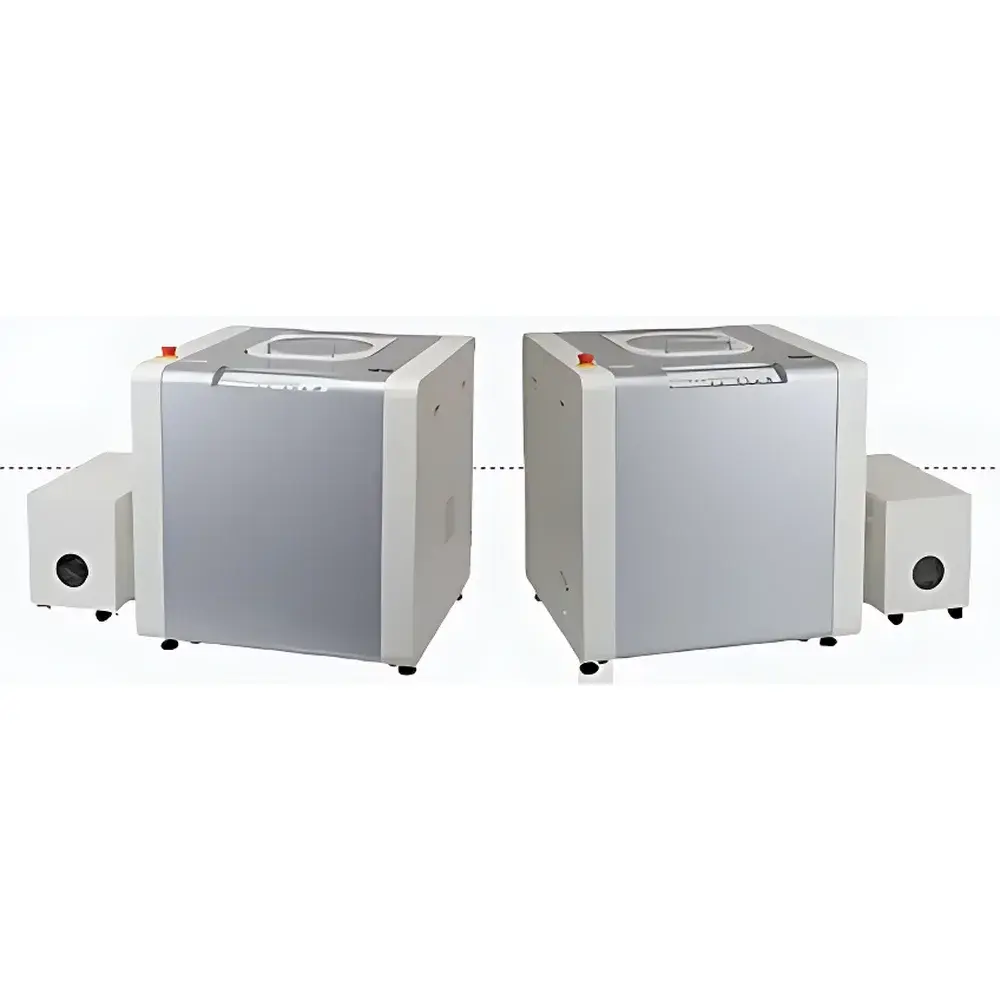
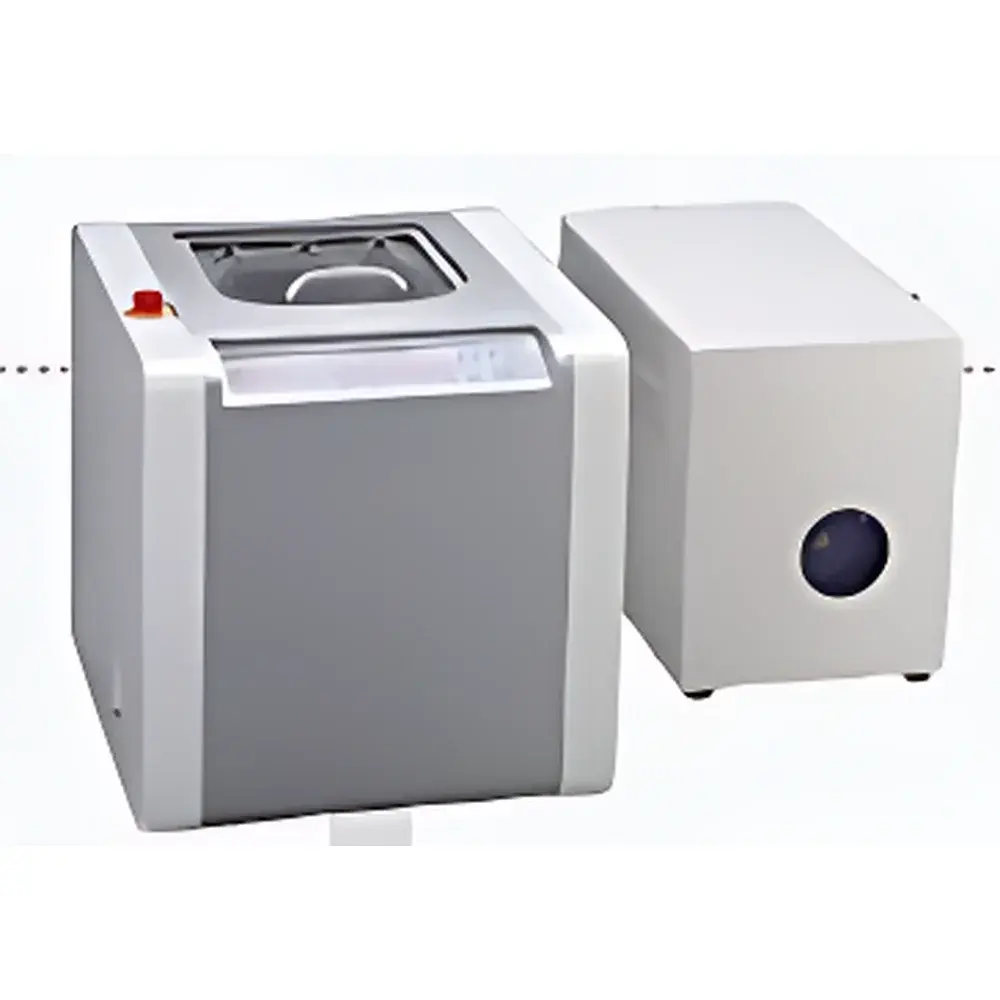
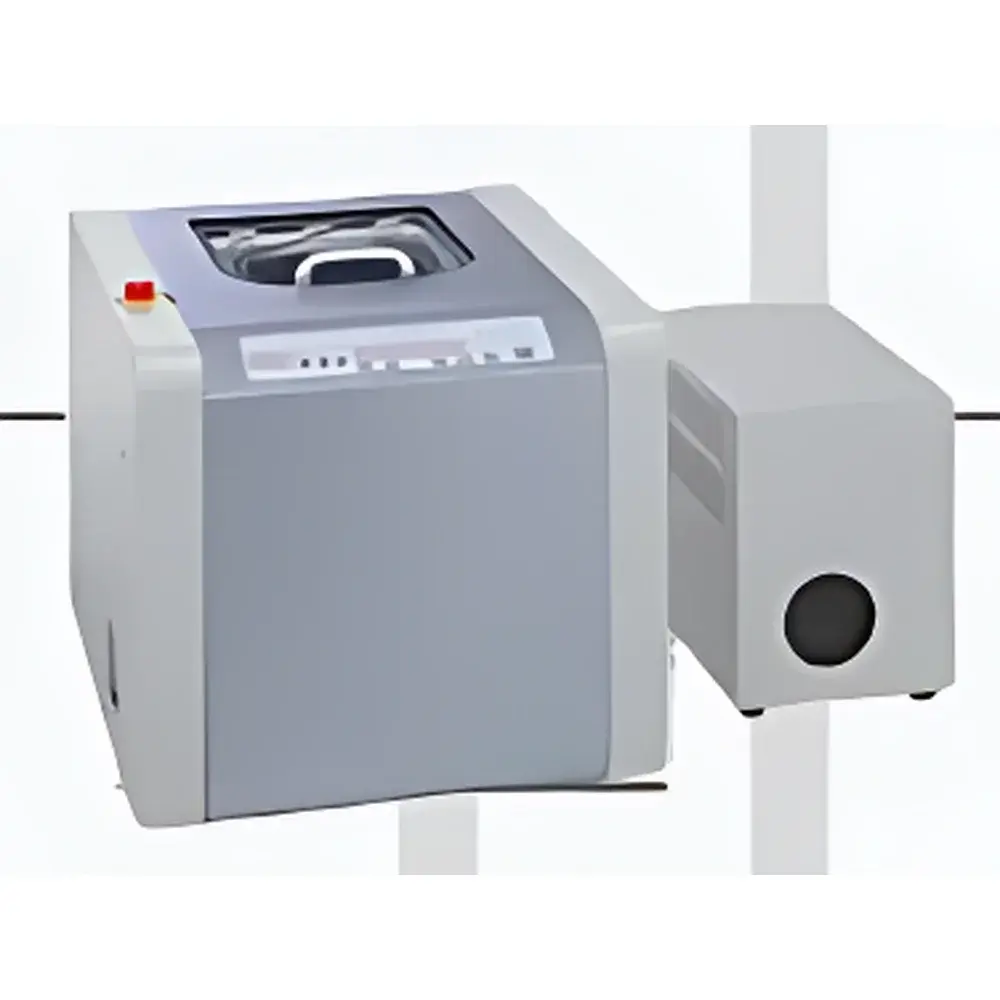
SOLY Vacuum-Integrated Planetary Mixer
| Brand | SOLY |
|---|---|
| Origin | Japan |
| Manufacturer Type | Authorized Distributor |
| Origin Category | Imported |
| Model | Vacuum-Integrated Configuration |
| Pricing | Available Upon Request |
Overview
The SOLY Vacuum-Integrated Planetary Mixer is an engineered solution for high-efficiency dispersion, homogenization, and vacuum degassing of viscous and highly filled materials. It operates on the principle of planetary motion—simultaneous rotation (spin) and revolution (orbit) of mixing containers relative to fixed drive axes—generating controlled centrifugal and shear forces without internal agitators or blades. This mechanism eliminates material entrapment, minimizes air incorporation during mixing, and enables rapid deaeration under applied vacuum. Designed for laboratory and pilot-scale R&D as well as small-batch production in advanced materials development, the system supports reproducible processing of pastes, slurries, adhesives, battery electrode slurries, optical resins, and ceramic precursors where bubble elimination and uniform particle distribution are critical to final product performance.
Key Features
- Planetary dual-axis motion: Independent control of container spin and orbit speeds ensures adaptable shear profiles across viscosity ranges—from low-viscosity solvents to >1,000,000 mPa·s pastes.
- Integrated vacuum chamber: Sealed mixing chamber compatible with vacuum levels down to 10 Pa (0.1 mbar), enabling simultaneous mixing and degassing without transfer steps or exposure to ambient atmosphere.
- Non-contact torque transmission: Gear-driven, sealed planetary head prevents lubricant contamination and ensures long-term mechanical stability under repeated vacuum cycling.
- Programmable operation: Digital controller supports multi-step protocols—including ramped rotation, dwell time at target vacuum, and automatic pressure release—enabling repeatable process validation.
- Stainless steel construction (AISI 316L contact surfaces): Corrosion-resistant, electropolished interior surfaces compliant with ISO 14644-1 Class 7 cleanroom requirements for sensitive electronic or biomedical applications.
- Modular design: Interchangeable bowl sizes (50 mL to 5 L capacity) and optional accessories—including temperature-controlled jackets and inert gas purging ports—support application scalability and environmental control.
Sample Compatibility & Compliance
The mixer accommodates a broad spectrum of sample types: solvent-based and UV-curable resins, lithium-ion cathode/anode slurries (NMC, LFP, SiOx/C), conductive pastes (Ag, Cu, Ni), dental composites, silicone elastomers, and pharmaceutical ointments. All wetted parts meet USP Class VI biocompatibility standards. The system complies with IEC 61000-6-2 (EMC immunity) and IEC 61000-6-4 (EMC emissions), and its vacuum interface conforms to ISO 2852 flange specifications. When operated within validated parameters, it supports GLP documentation workflows and aligns with ASTM D1200 (viscosity measurement preparation) and ISO 1628-1 (polymer solution preparation) pre-analytical requirements.
Software & Data Management
Equipped with embedded firmware supporting RS-485 and Ethernet connectivity, the mixer integrates into centralized lab automation networks via Modbus TCP or OPC UA protocols. Process logs—including real-time RPM, vacuum pressure, elapsed time, and temperature (when jacketed)—are timestamped and stored locally with optional cloud backup. Audit trails comply with FDA 21 CFR Part 11 requirements when paired with validated user access controls and electronic signature modules. Export formats include CSV and PDF reports suitable for regulatory submissions or internal quality review.
Applications
- Battery manufacturing: Preparation of homogeneous, bubble-free electrode slurries prior to coating—reducing pinhole defects and improving cycle life consistency.
- Optoelectronics: Degassing of encapsulants and underfill materials for LED packaging and micro-LED transfer processes.
- Advanced ceramics: Dispersing nano-sized alumina or zirconia particles in organic binders without agglomerate formation.
- Medical device R&D: Mixing radiopaque dental composites and hydrogel precursors under sterile-grade vacuum conditions.
- Adhesive formulation: Eliminating microbubbles from structural epoxies and polyurethanes to ensure void-free bond line integrity in aerospace assemblies.
FAQ
What vacuum level can the system achieve, and how is it maintained during mixing?
The integrated vacuum system reaches ≤10 Pa (0.1 mbar) with standard two-stage rotary vane pumps; maintenance during operation relies on dynamic sealing between the rotating bowl and stationary chamber, verified per ISO 10294 leak-rate testing.
Can the mixer handle abrasive fillers such as silicon carbide or tungsten carbide?
Yes—when configured with hardened stainless steel bowls and wear-resistant gear housings, it supports fillers up to 70 wt% loading with Mohs hardness ≤9, provided rotational speeds remain within manufacturer-specified limits for each batch size.
Is validation support available for GMP environments?
SOLY provides IQ/OQ documentation templates and factory-verified calibration certificates traceable to JCSS (Japan Calibration Service System); PQ protocols must be developed in situ by the end user per their specific material and process parameters.
How does planetary motion compare to dual asymmetric centrifugation (DAC) for deaeration efficiency?
Planetary motion delivers superior bulk flow and laminar shear distribution across wide viscosity ranges, whereas DAC excels in low-volume, ultra-high-viscosity applications; direct comparison requires empirical testing using ISO 13320-compliant bubble quantification methods.