
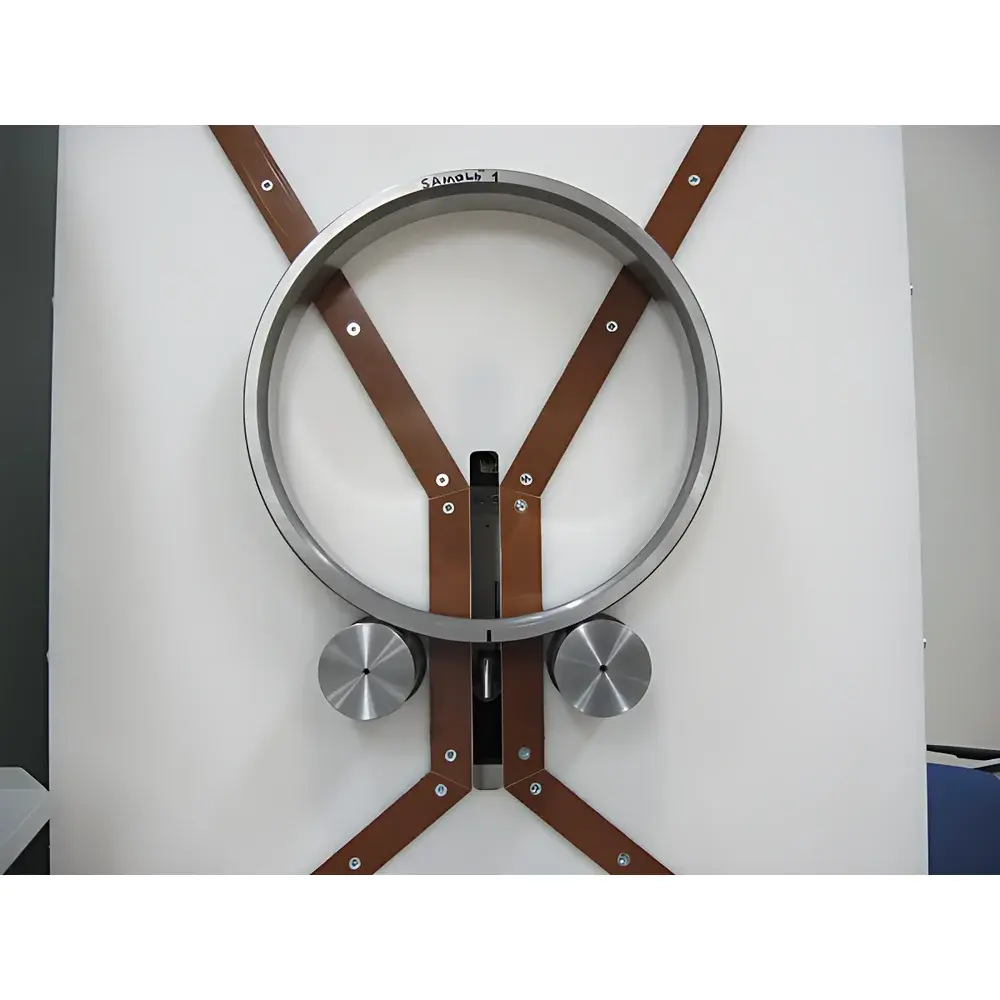
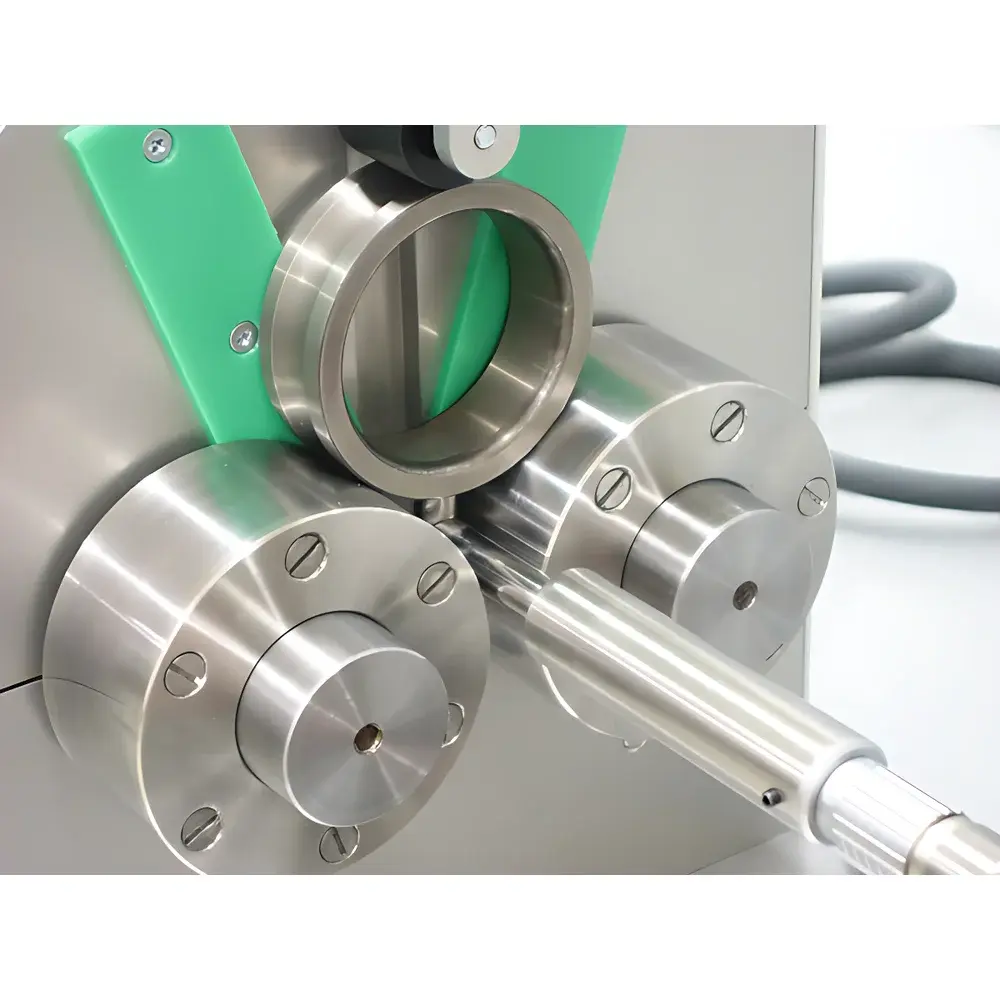
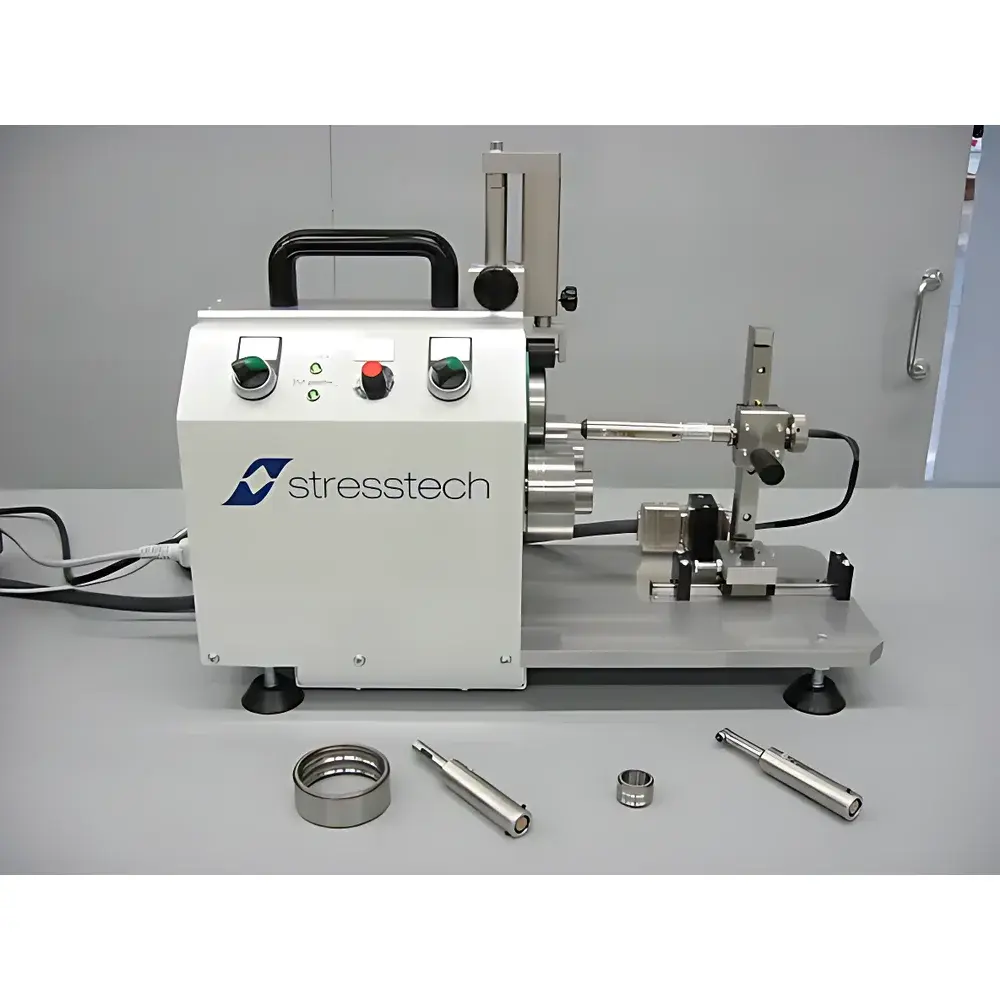
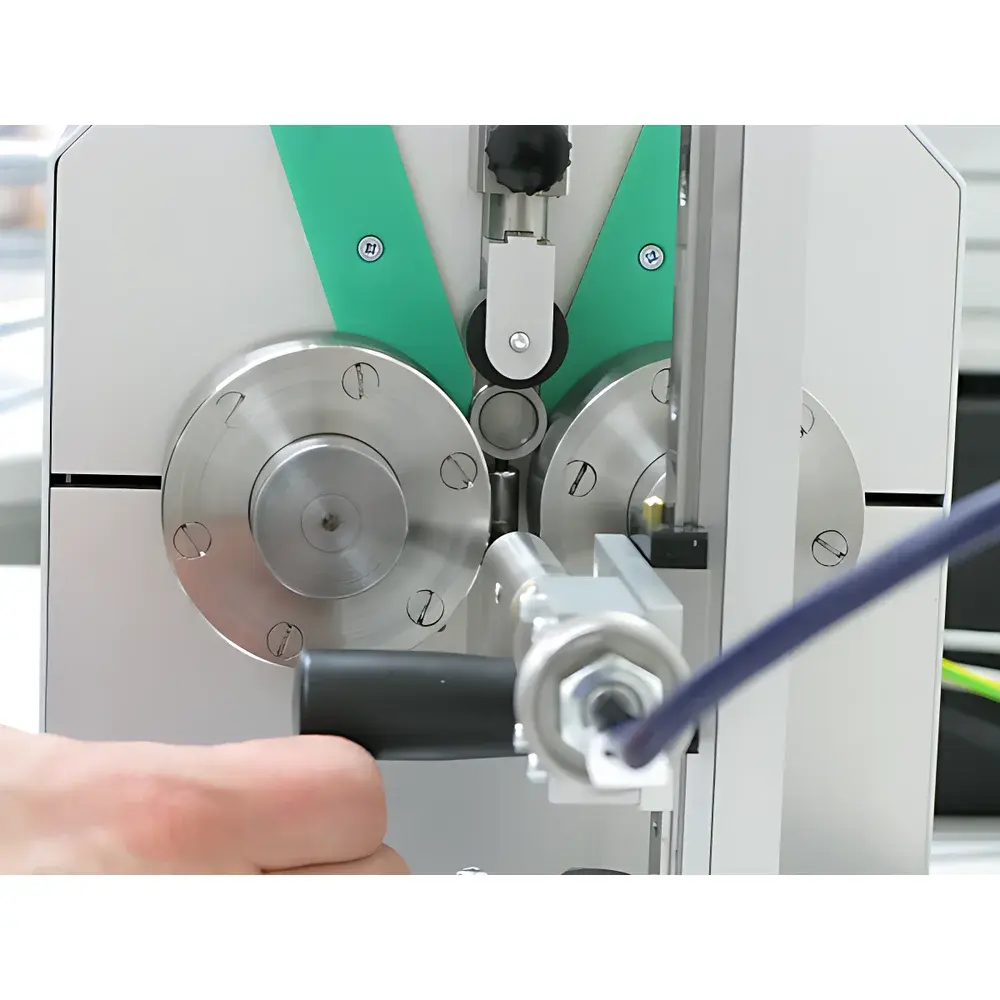
Stresstech BearingScan Magnetic Barkhausen Noise (MBN) Bearing Surface Quality Analyzer
| Brand | Stresstech Oy |
|---|---|
| Origin | Finland |
| Manufacturer Authorization Status | Authorized Distributor |
| Origin Category | Imported |
| Model | BearingScan |
| Pricing | Upon Request |
Overview
The Stresstech BearingScan is a high-precision, non-destructive magnetic Barkhausen noise (MBN) analyzer engineered for quantitative assessment of surface integrity in rolling element bearings. Unlike conventional destructive methods such as acid etching or microhardness mapping, the BearingScan leverages the physical phenomenon of magnetic domain wall dynamics under controlled AC magnetization to detect subsurface microstructural anomalies—including grinding burns, thermal soft spots, residual stress gradients, and localized martensitic reversion—without altering the component’s geometry or functional properties. Its core measurement principle relies on the statistical analysis of Barkhausen emission bursts generated during magnetization reversal; variations in burst amplitude, density, and timing correlate directly with changes in local coercivity, dislocation density, and phase composition induced by thermal or mechanical processing. Designed specifically for bearing manufacturing, quality assurance, and in-service inspection workflows, the system complies with fundamental metrological requirements outlined in ASTM E1444/E1444M (Standard Practice for Magnetic Particle Testing) and supports traceable calibration protocols aligned with ISO/IEC 17025-accredited laboratories.
Key Features
- Non-contact or low-force sensor positioning via programmable X/Y translation stage and motorized rotation module—enabling full circumferential and axial scanning of inner rings, outer rings, and raceways
- User-configurable alarm thresholds for burn severity, soft spot depth, and MBN signal deviation—supporting pass/fail decision logic per ANSI/ASME B11.23 and ISO 2859-1 sampling plans
- Real-time spatial mapping of MBN parameters: peak voltage, root-mean-square (RMS) amplitude, count rate, and pulse energy distribution
- Integrated ViewScan acquisition software with synchronized motion control, enabling automated multi-point inspection routines and repeatable scan path definition
- Modular probe design accommodating curved surfaces (radius ≥ 3 mm), including custom tip geometries for tight-radius raceways and tapered roller bearing profiles
- Onboard statistical engine computing min/max/mean/standard deviation per inspection zone—with exportable CSV and XML datasets for SPC integration
Sample Compatibility & Compliance
The BearingScan accommodates bearing components ranging from miniature instrument bearings (ID ≥ 5 mm) to large industrial units (OD ≤ 600 mm), including deep groove ball, angular contact, cylindrical roller, tapered roller, and needle roller configurations. It supports both ferromagnetic steel grades (e.g., AISI 52100, 100Cr6, M50, 440C) and case-hardened variants. All measurement procedures adhere to the technical foundations of EN 10002-1 (tensile testing), ISO 6506-1 (Vickers hardness correlation), and ASTM E353 (magnetic property standards). The system architecture meets electromagnetic compatibility (EMC) requirements per EN 61326-1 and is designed for operation in Class 10,000 cleanroom environments (ISO 14644-1) typical of aerospace bearing final assembly lines.
Software & Data Management
ViewScan software provides a validated platform for acquisition, visualization, and reporting under GLP/GMP-compliant environments. It includes audit trail functionality compliant with FDA 21 CFR Part 11 requirements—including electronic signatures, user role-based access control, and immutable record retention. Measurement data is stored in hierarchical HDF5 format, supporting metadata tagging (batch ID, operator, timestamp, environmental conditions). Trend analysis tools enable longitudinal monitoring of process capability indices (Cp/Cpk) across production lots, while customizable report templates generate PDF outputs conforming to AS9102 First Article Inspection standards.
Applications
- Final verification of heat-treated bearing rings prior to grinding and superfinishing operations
- In-process detection of thermal damage during centerless or plunge grinding cycles
- Root cause analysis of premature bearing failure in wind turbine gearboxes and aircraft main landing gear actuators
- Qualification of additive-manufactured (AM) bearing substrates post-HIP and heat treatment
- Residual stress profiling across bearing raceway cross-sections for fatigue life modeling validation
- Supplier qualification audits in automotive Tier-1 OEM supply chains requiring IATF 16949 Clause 8.4.2 evidence
FAQ
How does the BearingScan differentiate between grinding burn and decarburization?
It analyzes the temporal dispersion and spectral centroid shift of MBN signals—burned layers exhibit accelerated domain wall mobility (higher RMS amplitude, lower pulse duration), whereas decarburized zones show suppressed emission due to reduced carbon-induced lattice strain.
Can it inspect bearings mounted in housings?
No—direct sensor-to-surface coupling is required; components must be removed and placed on the calibrated measurement fixture with proper grounding and orientation registration.
Is calibration traceable to national standards?
Yes—Stresstech provides NIST-traceable reference samples with certified MBN response profiles, and annual recalibration services are documented per ISO/IEC 17025 requirements.
What training is included with system delivery?
A four-day on-site commissioning program covers hardware setup, probe alignment, ViewScan workflow configuration, statistical process control integration, and interpretation of MBN signature libraries per material grade and heat treatment condition.




