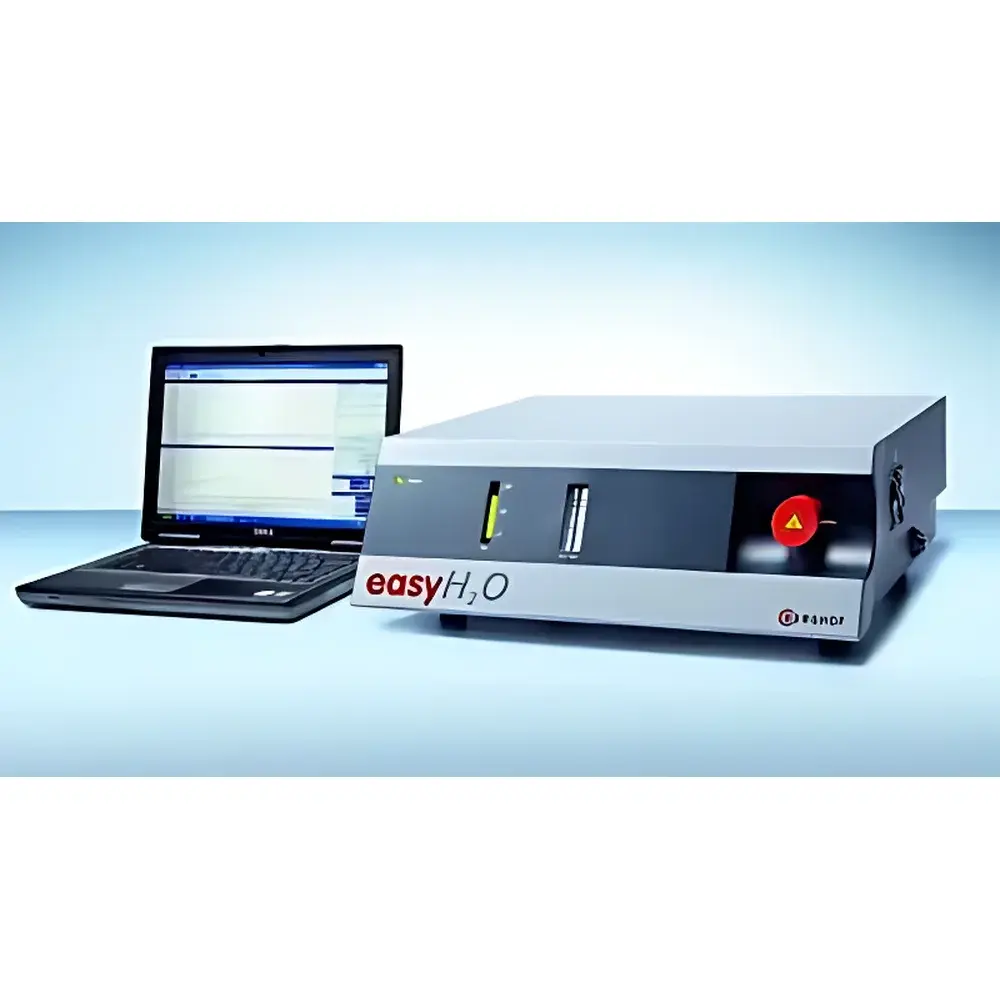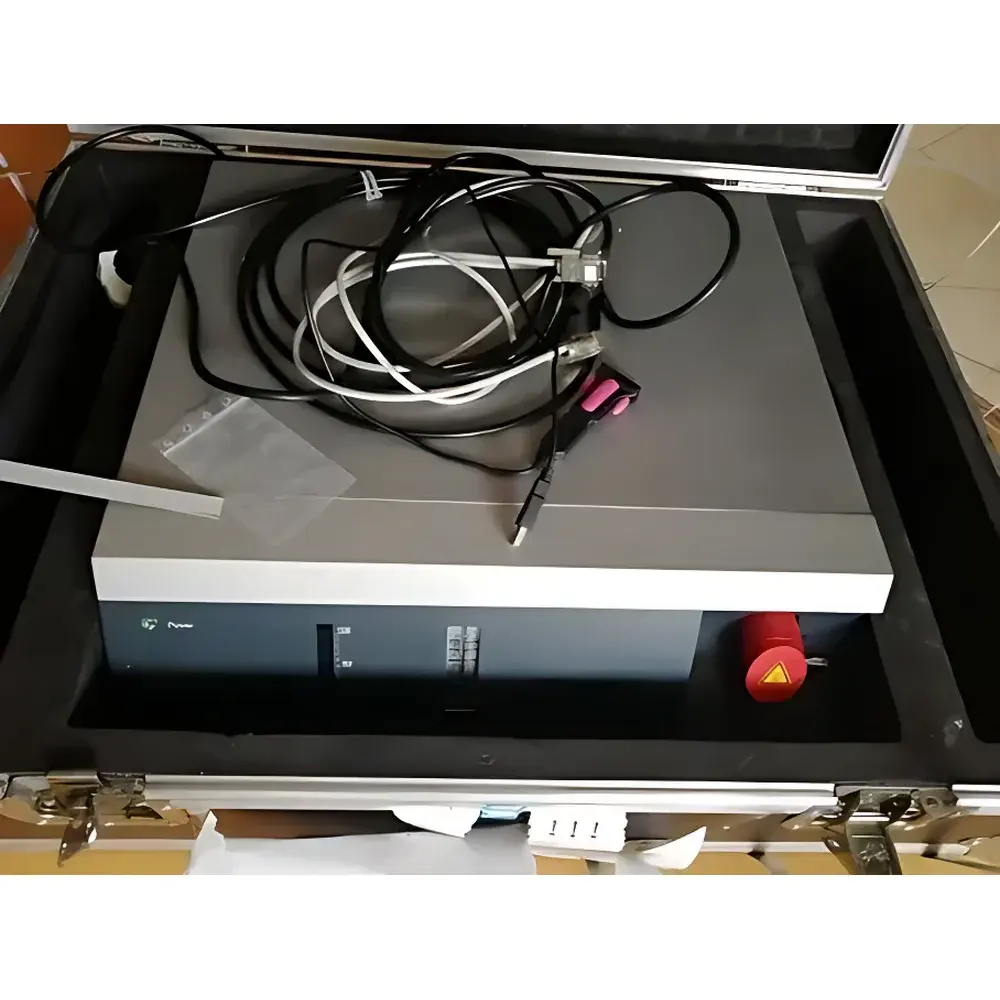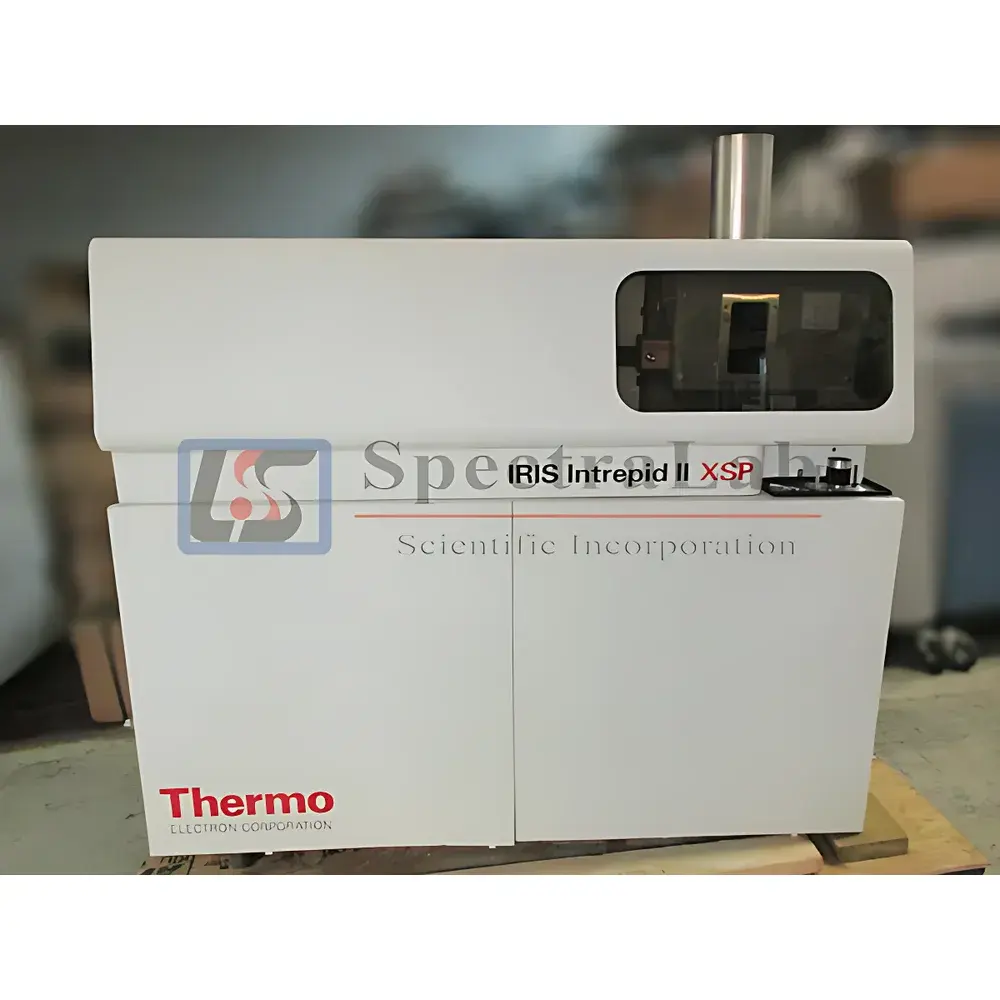
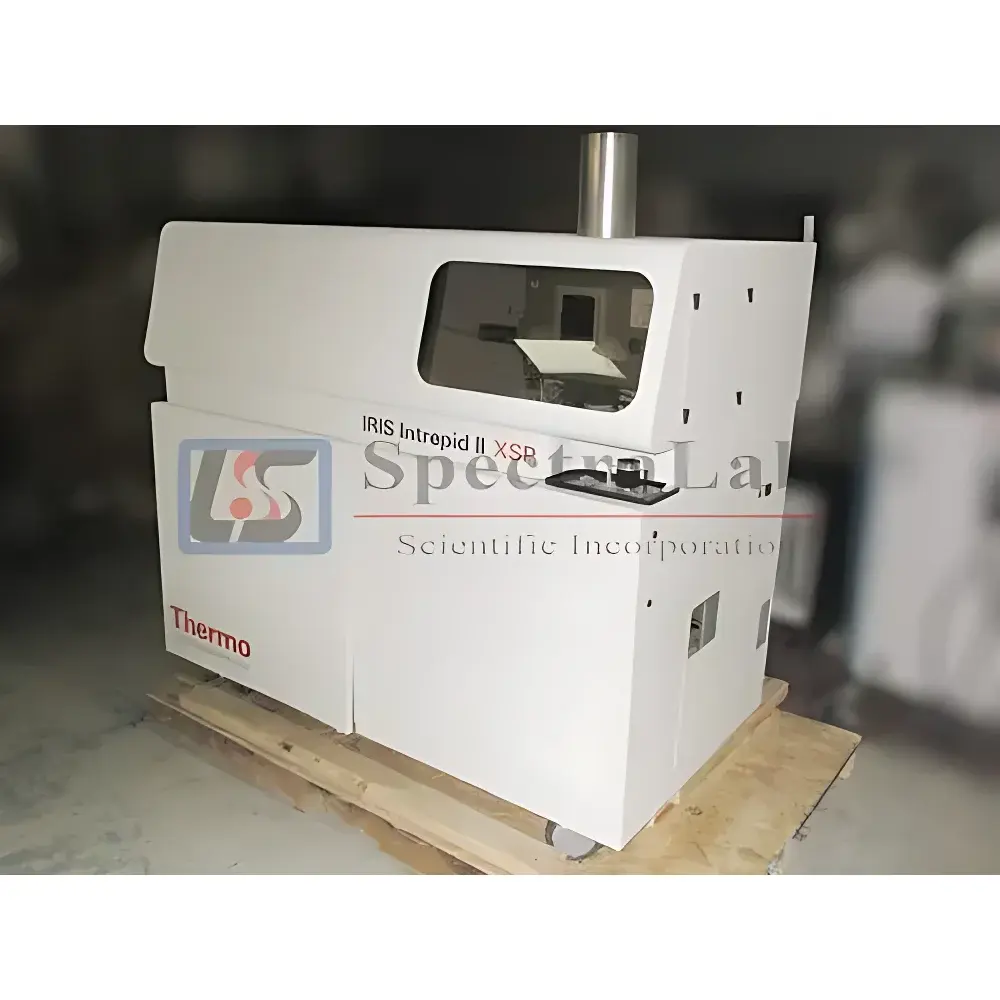
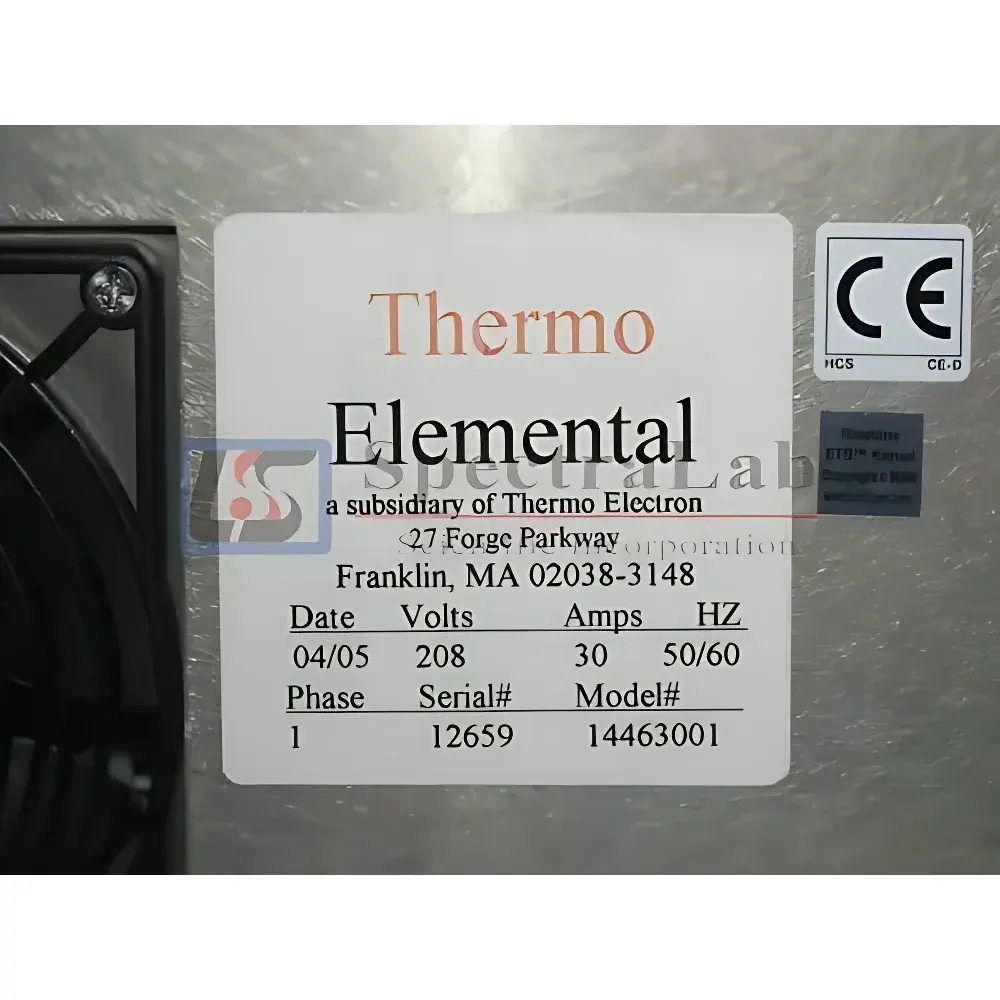
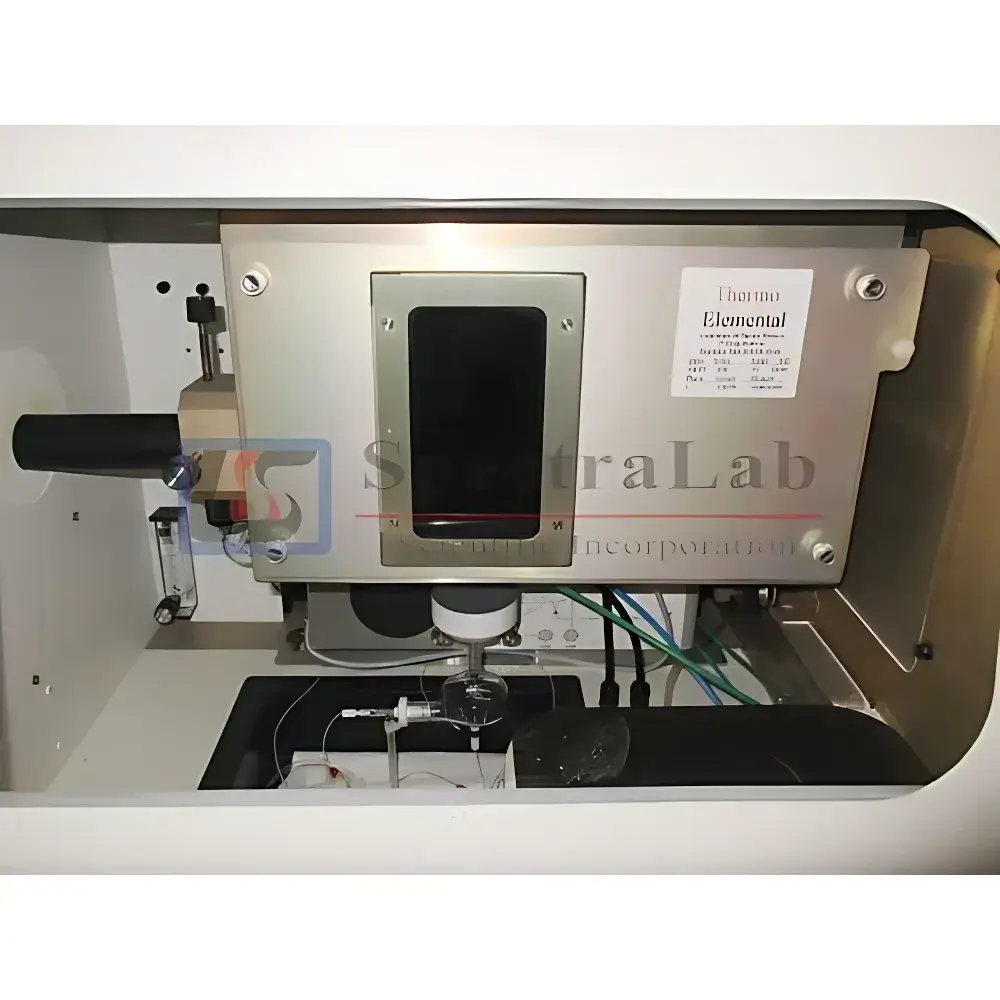
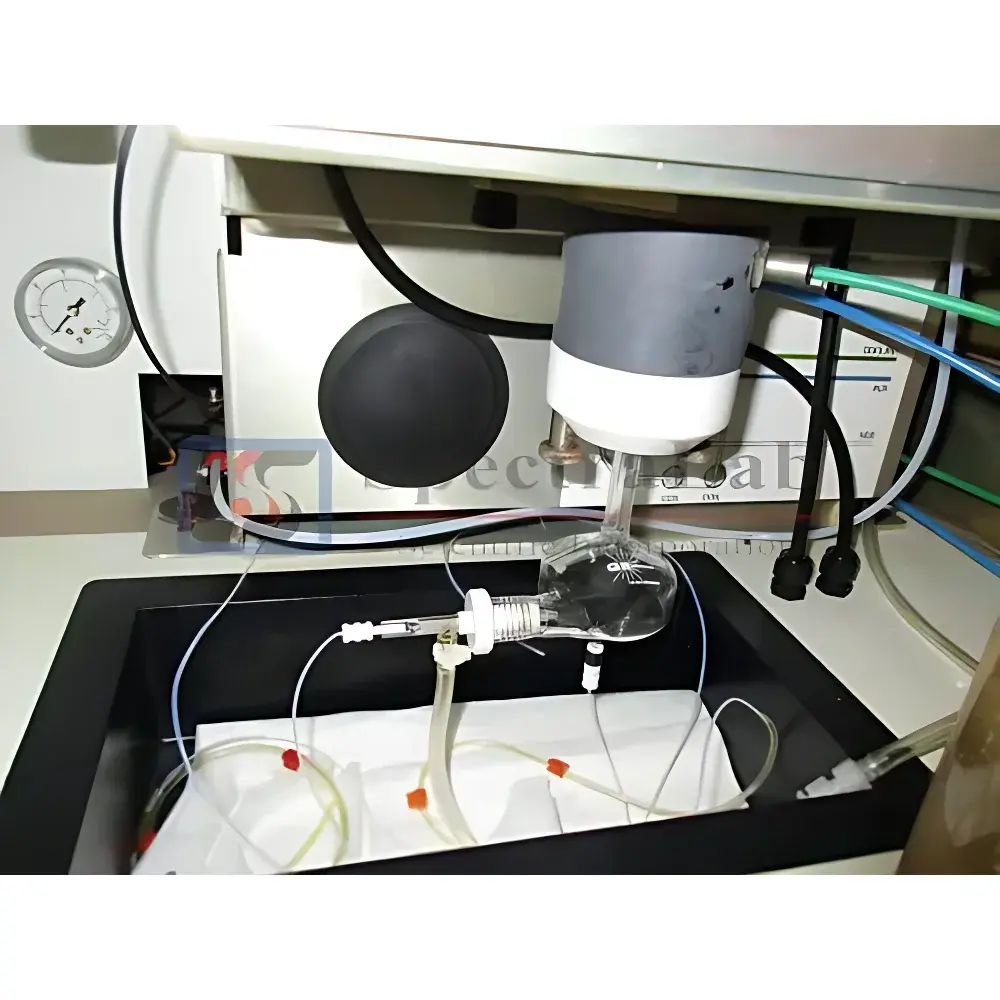
Thermo Fisher IRIS Intrepid II XSP Inductively Coupled Plasma Optical Emission Spectrometer (ICP-OES)
| Brand | Thermo Fisher |
|---|---|
| Origin | USA |
| Model | IRIS Intrepid II XSP |
| Focal Length | 381 mm |
| Wavelength Range | 165–1050 nm |
| Spectral Resolution | 0.005 nm at 200 nm |
| Stray Light | < 0.3 ppm (measured at As 193.696 nm with 10,000 ppm Ca) |
| RF Generator Frequency | 27.12 MHz |
| Frequency Stability | ±0.004% |
| RF Power Output | 750–1500 W (continuously adjustable) |
| Power Stability | ±0.01% |
| Plasma Observation Mode | Axial (vertical torch) |
| Operating Age | 3–4 years |
| Warranty | 6 months |
| Compliance | Fully refurbished and performance-verified per ISO/IEC 17025-aligned protocols |
Overview
The Thermo Fisher IRIS Intrepid II XSP is a high-performance, second-hand inductively coupled plasma optical emission spectrometer (ICP-OES) engineered for multi-element trace metal analysis in demanding laboratory environments. Utilizing robust axial-view plasma geometry and a Paschen-Runge optical system with fixed grating and photomultiplier tube (PMT) detection, the instrument delivers stable, interference-resistant measurements across the full UV-Vis-NIR spectral range (165–1050 nm). Its 381 mm focal length Czerny-Turner monochromator enables high optical throughput and consistent linearity—critical for regulatory-compliant quantification in environmental monitoring, geological surveying, metallurgical process control, and pharmaceutical excipient testing. The system employs a solid-state RF generator operating at 27.12 MHz with ±0.004% frequency stability and ±0.01% power regulation, ensuring reproducible plasma conditions essential for long-term calibration integrity and low detection limits (sub-µg/L for most elements).
Key Features
- Full-spectrum axial-view ICP-OES architecture optimized for sensitivity and matrix tolerance
- Paschen-Runge polychromator with 381 mm focal length and thermally stabilized optics for minimal wavelength drift
- Simultaneous multi-element capability: quantitative analysis of up to 73 elements—including Br, Cl, and I—within a single 60-second acquisition
- Automated wavelength calibration across the entire 165–1050 nm range, eliminating manual recalibration between runs
- Low-stray-light optical design (< 0.3 ppm at As 193.696 nm under 10,000 ppm Ca matrix), minimizing spectral interferences in complex samples
- RF power continuously adjustable from 750 W to 1500 W, enabling method optimization for volatile elements (e.g., As, Se) or high-salt matrices (e.g., seawater, brines)
- Factory-refurbished unit with full functional validation, including plasma ignition stability, nebulizer efficiency, and detector dark current verification
Sample Compatibility & Compliance
The IRIS Intrepid II XSP accepts liquid samples introduced via concentric glass or PFA nebulizers, compatible with standard peristaltic pumps and Scott-type double-pass spray chambers. It supports direct analysis of aqueous digests (EPA Method 200.7, 200.8), acid-leached solids (ASTM D5685), and diluted biological fluids—provided total dissolved solids (TDS) remain below 0.2%. All refurbished units undergo rigorous compliance verification against ISO/IEC 17025:2017 clause 5.9 (method validation) and ASTM D1976 (spectrochemical analysis of water). While not natively 21 CFR Part 11 compliant, the instrument’s data output (ASCII .txt, .csv) integrates seamlessly with validated LIMS or ELN platforms supporting audit trails, electronic signatures, and change control—enabling GLP/GMP-aligned workflows when deployed with documented SOPs.
Software & Data Management
The system operates with Thermo Fisher’s native Intrepid Software Suite (v4.3 or later), providing intuitive method setup, real-time spectral visualization, interference correction algorithms (e.g., background subtraction at adjacent pixels), and QC charting (Levey-Jennings, Shewhart). Raw spectral data are stored in vendor-neutral formats, facilitating third-party reprocessing using open-source tools (e.g., Python-based PySpectra libraries). Instrument logs—including RF power history, coolant temperature, and argon flow events—are timestamped and exportable for internal quality audits. No cloud connectivity or remote telemetry is enabled by default; all data reside locally unless explicitly configured per site IT policy.
Applications
- Environmental laboratories performing EPA 200.7/200.8 compliance testing for regulated metals (Pb, Cd, Hg, As) in drinking water and wastewater
- Geochemical labs conducting multi-element fingerprinting of rock digests (Li–U) and soil extracts per ISO 11466
- Metallurgical QA/QC departments verifying alloy composition (Fe, Cr, Ni, Mo, V) and trace contaminants (Sn, Sb, Bi) in stainless steel and aerospace superalloys
- Food safety labs screening for toxic elements (Cd, Pb, As) in infant formula and dietary supplements per FDA Guidance for Industry #222
- Pharmaceutical contract labs supporting ICH Q2(R2) method validation for elemental impurities (Class 1–3) in active pharmaceutical ingredients (APIs)
FAQ
Is this unit eligible for extended warranty or service contracts?
Yes—eligible for optional 12- or 24-month comprehensive service agreements covering parts, labor, preventive maintenance, and priority remote diagnostics.
Does the refurbishment include replacement of critical consumables?
Yes—the unit ships with new torch assembly, nebulizer, injector tube, and spray chamber; all PMT detectors are functionally tested and dark-current calibrated.
Can the system be integrated into an existing LIMS environment?
Yes—via ASCII file export or ODBC-compliant database drivers; integration support documentation and mapping templates are provided upon request.
What documentation accompanies the instrument?
Full refurbishment report, pre- and post-validation test records (including MDL studies), calibration certificates traceable to NIST SRMs, and original OEM operation manuals (digital and printed).
Is operator training included with purchase?
A two-day on-site or virtual application training session is included, covering method development, QC protocol execution, troubleshooting common plasma instability events, and regulatory reporting requirements.