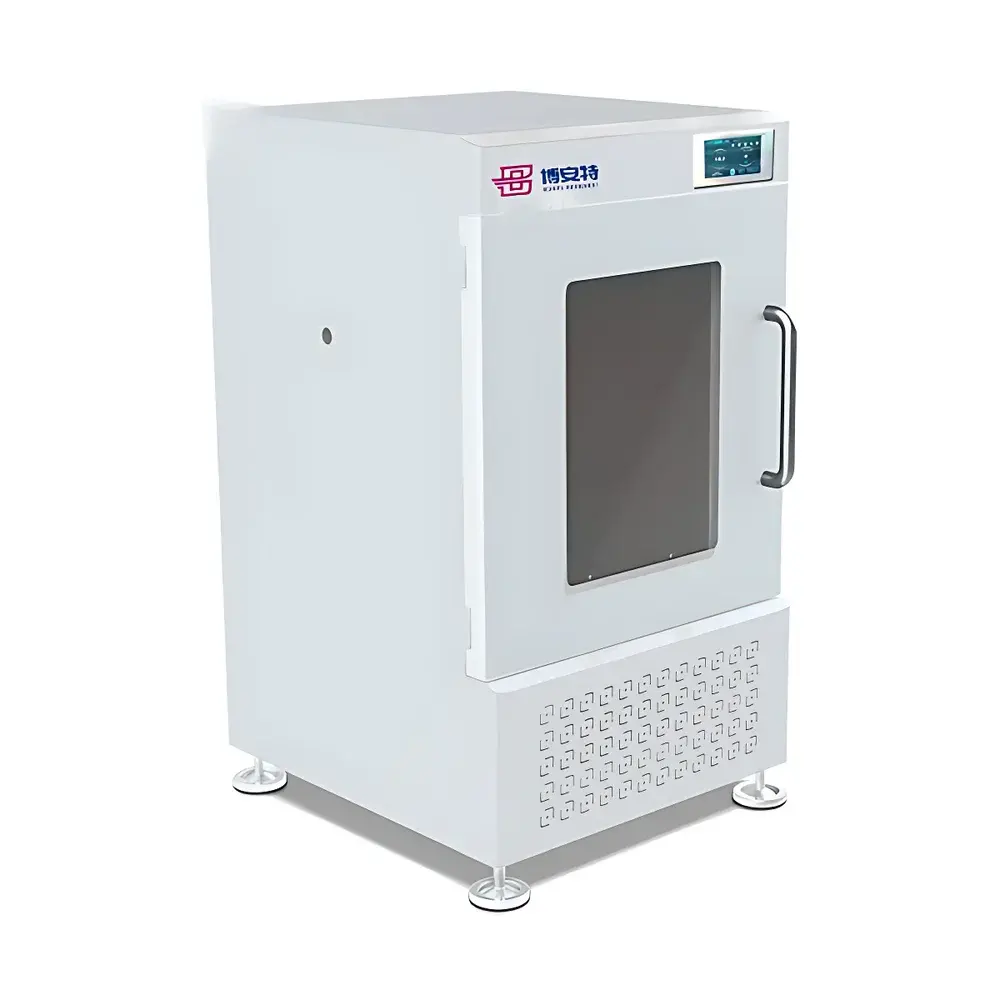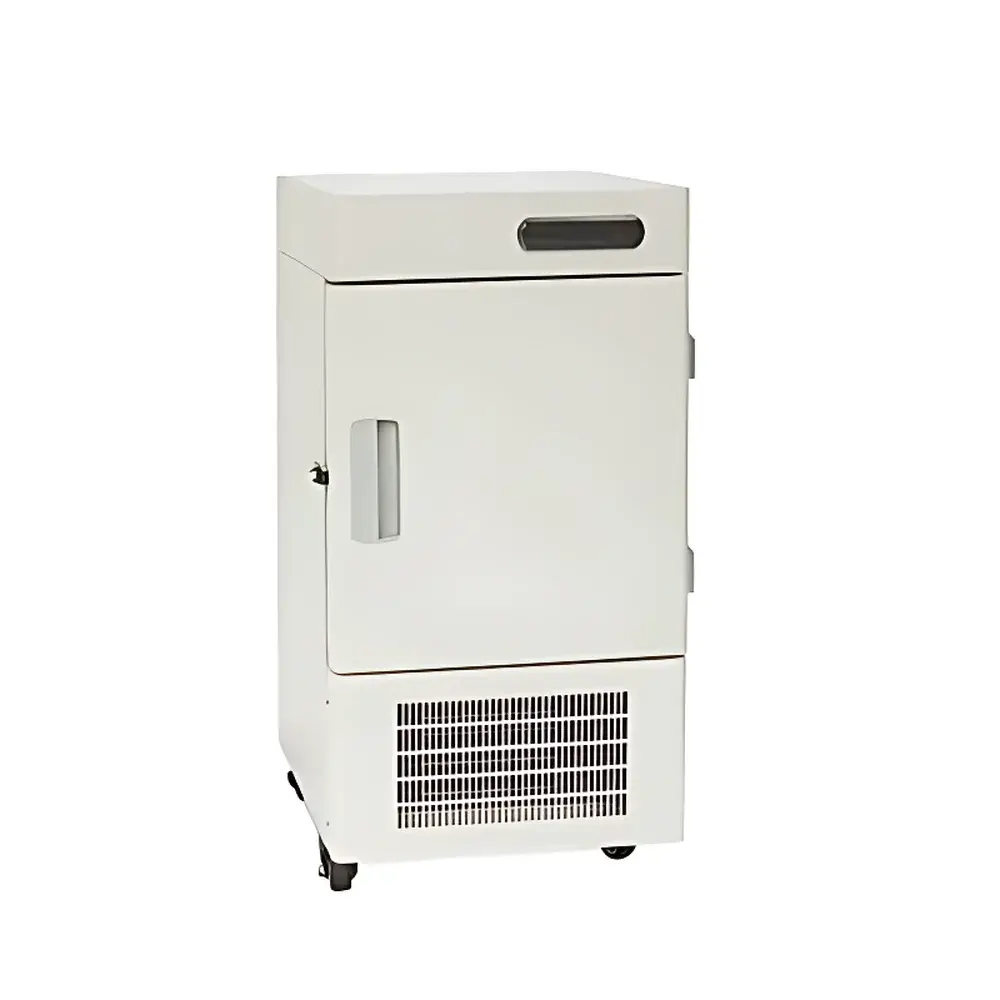
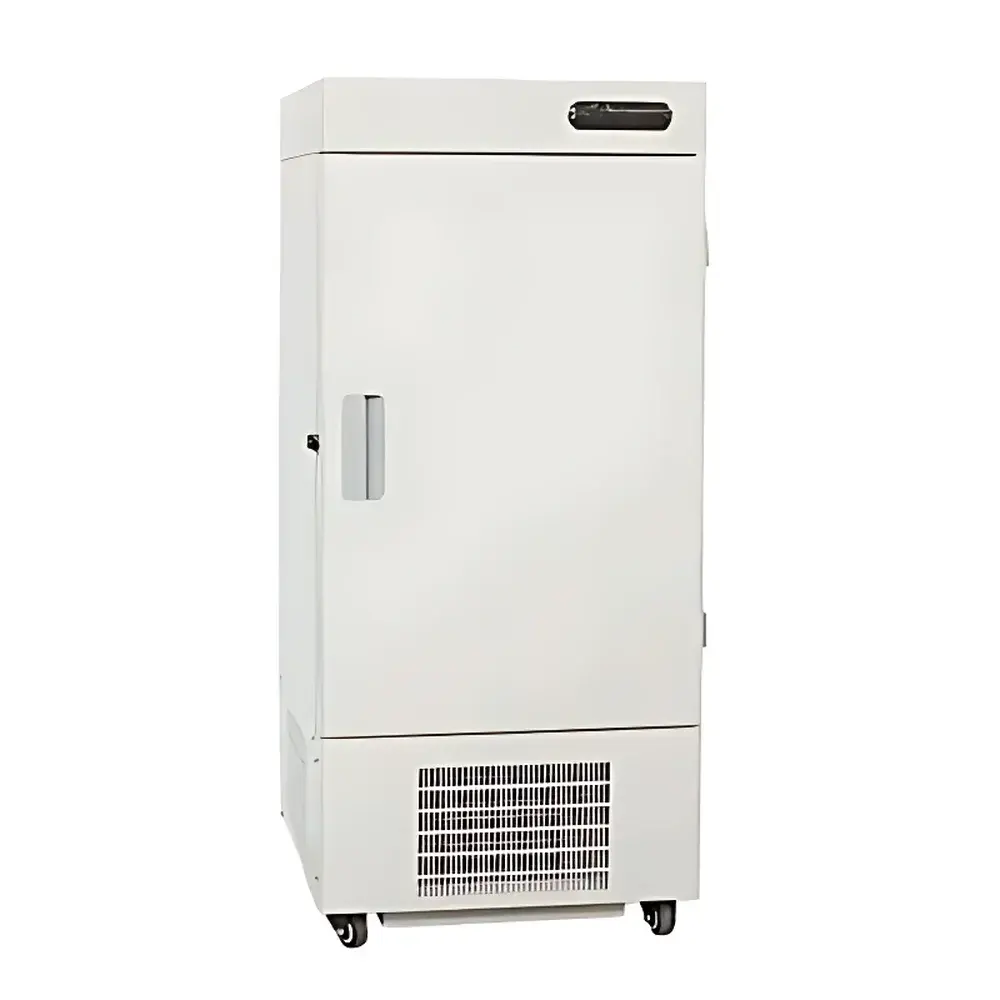
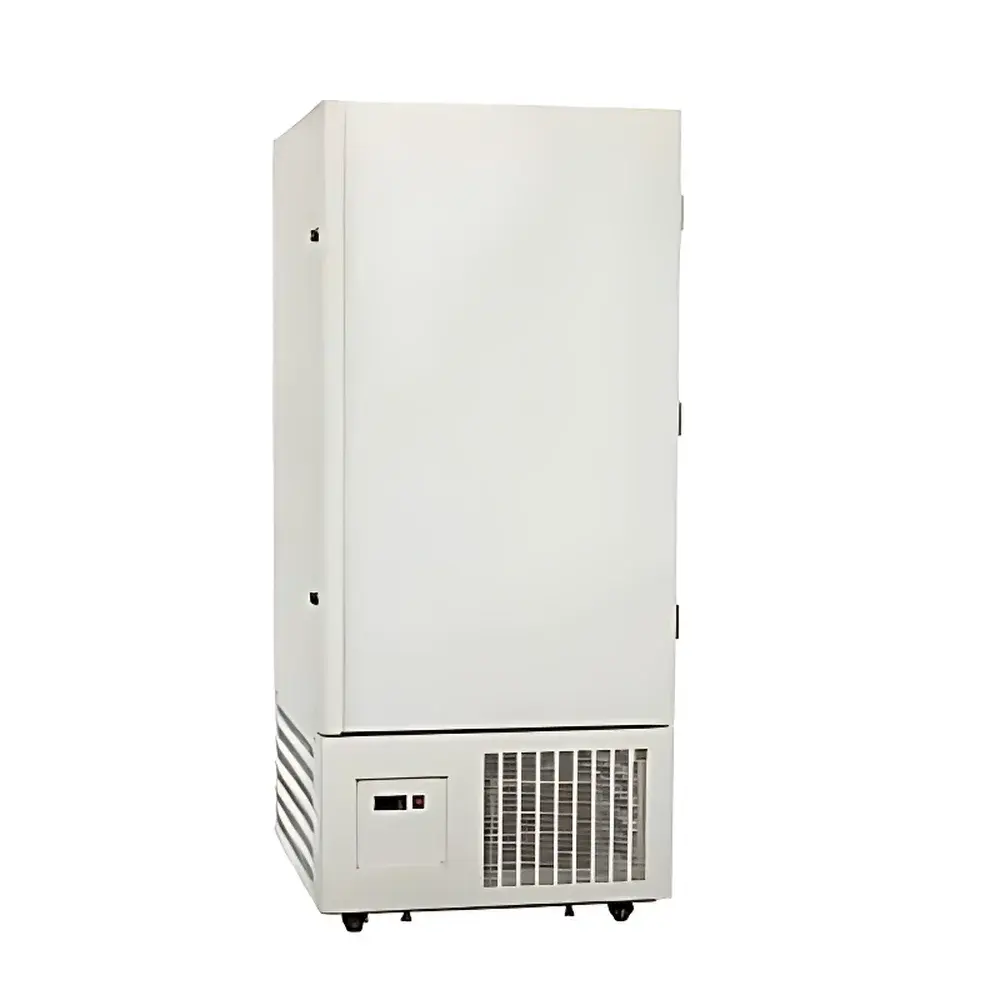
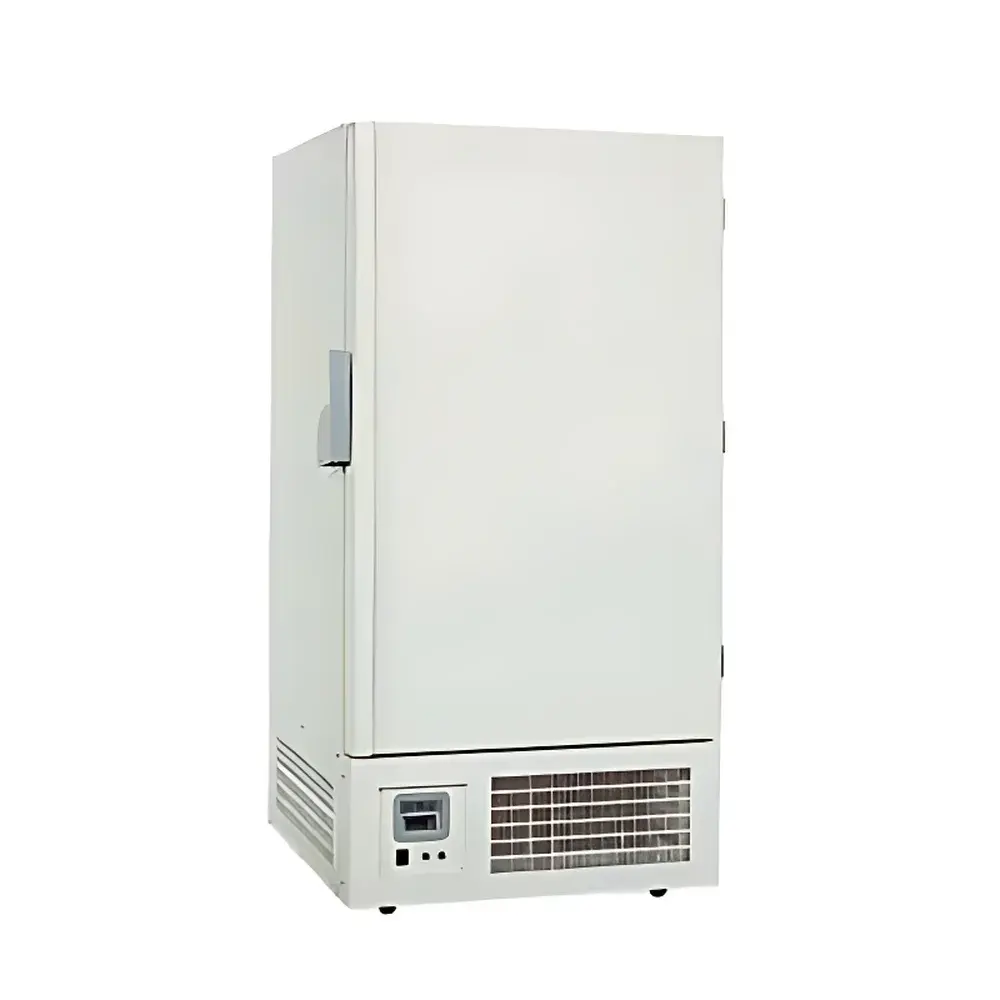
Tianfeng TF-60-400A-LA Ultra-Low Temperature Freezer
| Brand | Tianfeng |
|---|---|
| Origin | Shanghai, China |
| Manufacturer Type | Direct Manufacturer |
| Country of Origin | China |
| Model | TF-60-400A-LA |
| Effective Capacity | 400 L |
| Interior Dimensions (mm) | 550 × 630 × 1140 |
| Exterior Dimensions (mm) | 850 × 930 × 1950 |
| Power Supply | 220 V / 50 Hz |
| Rated Power | 750 W |
| Temperature Range | −25 °C to −65 °C |
| Noise Level | ≤57 dB(A) |
| Refrigerant | Eco-friendly HFC blend (non-ozone-depleting) |
| Insulation | Dual-layer high-density polyurethane foam |
| Inner Chamber Material | 304 Stainless Steel |
| Door Configuration | Four independent inner doors |
| Shelving | Three adjustable stainless-steel shelves |
| Interface Option | RS-232 (optional) |
| Compliance | ISO 9001:2000 certified design and manufacturing process |
Overview
The Tianfeng TF-60-400A-LA Ultra-Low Temperature Freezer is an engineered solution for long-term cryogenic storage of biologics, clinical specimens, and temperature-sensitive reagents at stable operating temperatures ranging from −25 °C to −65 °C. Designed using dual-mode heat dissipation—combining natural convection with controlled forced-air cooling—the unit maintains thermal stability under ambient conditions up to 32 °C and in environments with elevated particulate load. Its refrigeration system integrates imported ultra-low-temperature compressors and internationally sourced critical components, ensuring consistent performance across extended operational cycles. The cabinet employs a non-CFC/HFC-blend refrigerant compliant with international environmental protocols, including the Montreal Protocol’s phase-out schedule for ozone-depleting substances. Structural integrity is reinforced by 304 stainless-steel inner chamber construction, radius-cornered internal geometry for simplified decontamination, and dual-layer polyurethane insulation (≥120 mm thickness) to minimize thermal bridging and energy consumption.
Key Features
- Stable temperature control within ±2 °C uniformity across full working volume, validated per IEC 61000-4 electromagnetic compatibility standards
- Four independently sealed inner doors reduce cold air loss during routine access, improving energy efficiency and sample integrity
- Three-tier adjustable stainless-steel shelving system supports flexible configuration for vials, cryoboxes, or large-volume containers
- RS-232 serial interface (optional) enables integration with laboratory information management systems (LIMS) for audit-trail-capable temperature logging
- Dual-mode condenser architecture mitigates risk of compressor overload during dust accumulation—critical for shared lab spaces or industrial settings
- Integrated mechanical door lock and power switch lock meet basic physical security requirements for regulated biospecimen repositories
- Noise emission limited to ≤57 dB(A) at 1 m distance, suitable for placement in proximity to active laboratory workstations
- Compact external height (1950 mm) accommodates standard ceiling heights and facilitates installation without structural modification
Sample Compatibility & Compliance
The TF-60-400A-LA is routinely deployed in facilities managing human-derived biospecimens—including peripheral blood mononuclear cells (PBMCs), plasma, serum, tissue fragments, and microbial cultures—requiring sustained sub-zero preservation. Its interior design conforms to CLSI GP44-A4 guidelines for specimen freezer validation, supporting both short-term holding (−25 °C) and archival storage (−65 °C). All wetted surfaces are electropolished 304 stainless steel, compatible with common disinfectants (e.g., 70% ethanol, 0.5% sodium hypochlorite) and resistant to corrosion from repeated cleaning cycles. The unit meets ISO 9001:2000 quality system requirements for design, production, and service delivery. While not inherently 21 CFR Part 11–compliant, optional RS-232 data export supports manual integration into GLP/GMP-aligned documentation workflows when paired with validated third-party software.
Software & Data Management
This model operates via embedded microcontroller-based temperature regulation with digital LED display and user-adjustable alarm thresholds (high/low temperature, door ajar, power failure). Real-time temperature values are logged internally at 10-minute intervals for up to 30 days. When equipped with the optional RS-232 port, raw sensor data—including setpoint, actual chamber temperature, compressor duty cycle, and alarm event timestamps—can be exported to external PCs running Windows-compatible terminal emulators or custom Python/Matlab scripts. No proprietary software is required; ASCII-formatted output allows direct import into Excel or statistical analysis platforms. For laboratories requiring electronic records compliant with FDA 21 CFR Part 11, external validation of the data acquisition chain—including cable integrity, timestamp synchronization, and user access controls—is the responsibility of the end-user institution.
Applications
- Clinical biobanking: Long-term storage of anonymized human tissue, DNA/RNA extracts, and primary cell isolates
- Vaccine development labs: Cold-chain maintenance for adjuvanted formulations and lyophilized antigens prior to fill-finish
- Academic research: Preservation of genetically modified organisms (GMOs), frozen zebrafish embryos, and cryopreserved organoids
- Blood banking: Secondary storage of thawed red blood cell units held at −25 °C pending transfusion
- Industrial QC: Stability testing of reference standards and calibration materials under accelerated aging protocols
- Marine biotechnology: Archiving deep-sea microbial isolates recovered from hydrothermal vent ecosystems
FAQ
What is the recommended ambient operating environment?
The unit is rated for continuous operation in ambient temperatures between 10 °C and 32 °C, with relative humidity ≤80% non-condensing. Installation clearance of ≥100 mm on all sides—including rear condenser zone—is mandatory for optimal airflow.
How often should the condenser filter be cleaned?
Under typical laboratory conditions, inspect and clean the removable dust filter every 3 months using compressed air or a soft brush. In high-particulate environments (e.g., near centrifuges or powder handling stations), monthly inspection is advised.
Can this freezer be validated for GxP use?
Yes—though the base unit lacks built-in electronic audit trails, its mechanical reliability, temperature uniformity profile, and traceable component sourcing support IQ/OQ/PQ execution per ASTM E2500 and ISO 14644-3. Third-party qualification packages are available upon request.
Is remote monitoring supported?
Not natively. However, the RS-232 interface permits connection to external PLCs or IoT gateways capable of Modbus RTU conversion, enabling cloud-based alerting via SMS/email when integrated with enterprise infrastructure.
What maintenance is required beyond routine cleaning?
Annual verification of refrigerant charge pressure, door gasket compression force, and calibration of the primary PT100 temperature sensor against NIST-traceable references is recommended to sustain performance specifications over time.