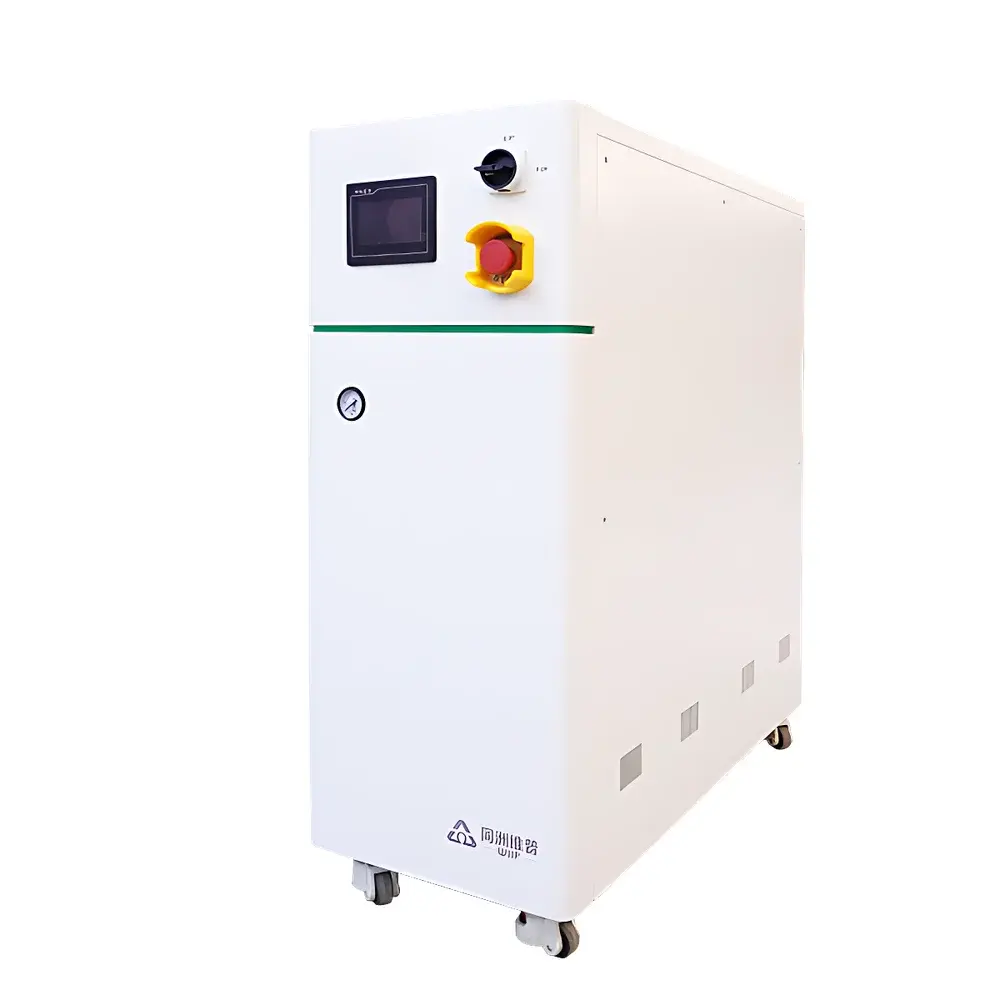
Tongzhou Weipu SCk Dual-Channel Semiconductor Chiller for Dicing Saw Systems
| Brand | Tongzhou Weipu |
|---|---|
| Origin | Beijing, China |
| Manufacturer Type | Direct Manufacturer |
| Product Category | Domestic (China-Made) |
| Model | SCk Dual-Channel Chiller for Dicing Saw |
| Pricing | Available Upon Request |
| Temperature Stability | ±0.1 °C |
| Cooling Channels | Dual Independent (Spindle + Cutting Fluid) |
| Fluid Delivery | Direct-Drain Cutting Water Circuit |
| Auto-Replenishment | Integrated Liquid Level Control System |
| Scalability | Modular “One-Chiller-Multiple-Machines” Configuration Supported |
| Compliance | SEMI S2-0216 & SEMI F47-0220 Certified |
| Control Architecture | Proprietary PID-Based Digital Temperature Management System |
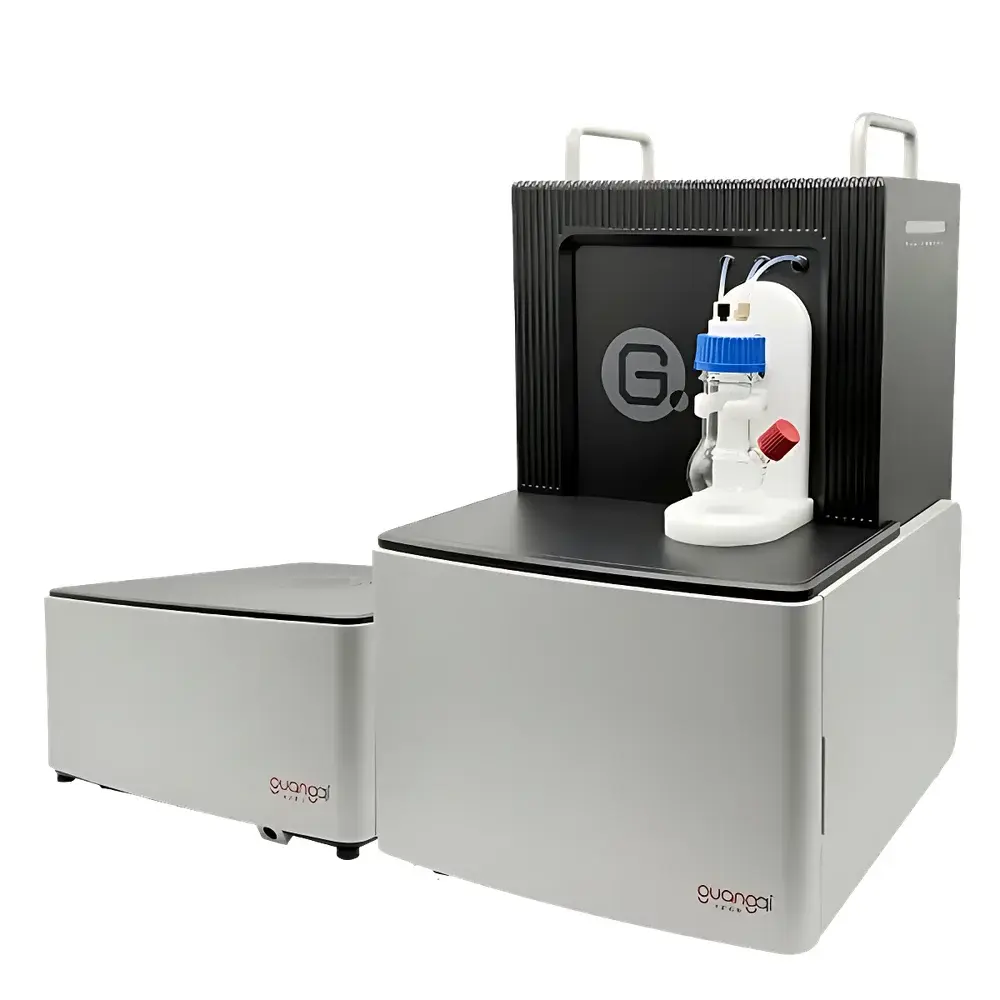
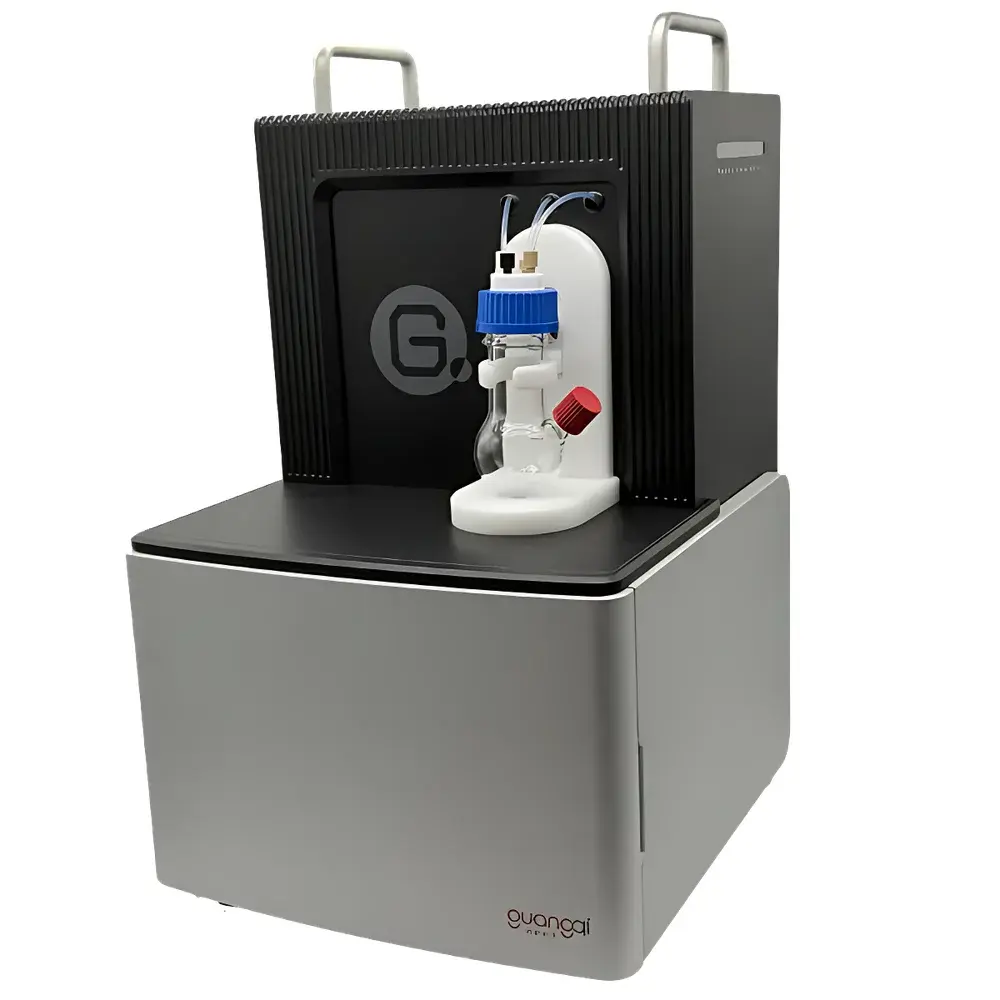
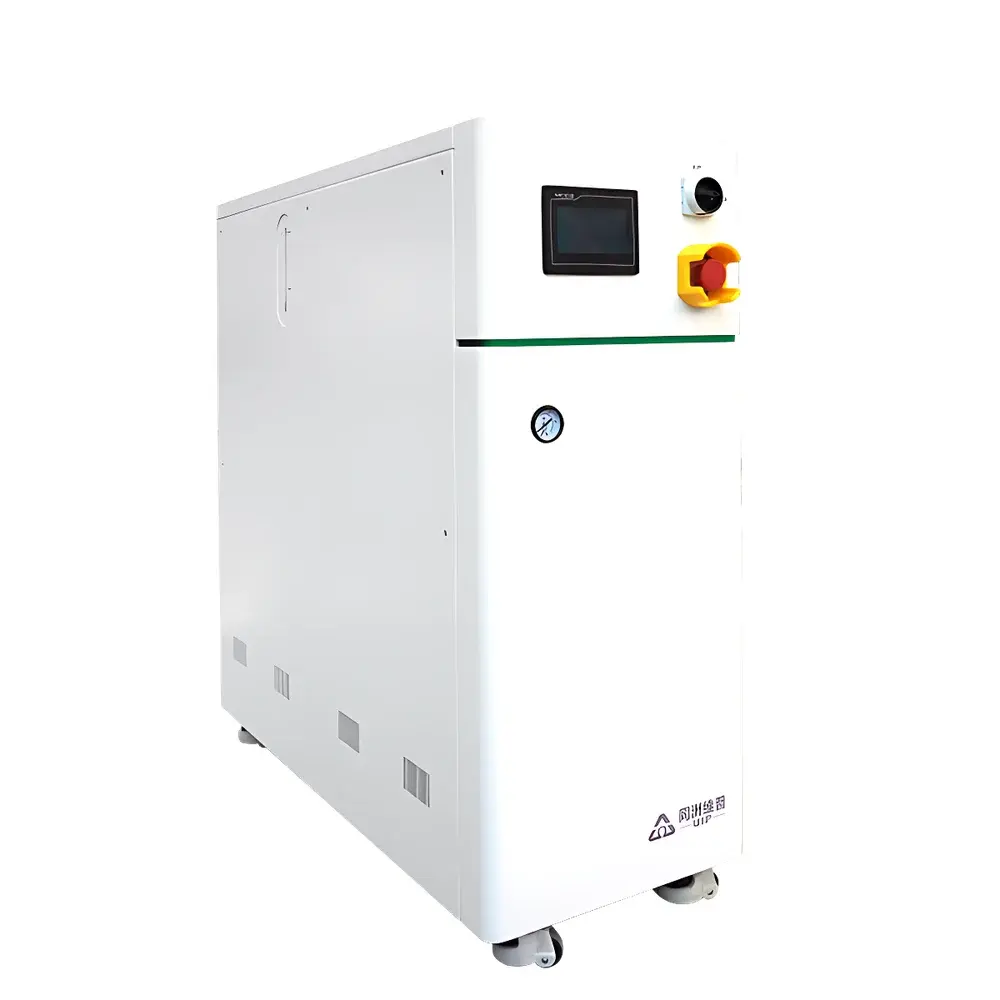
| Footprint Optimization | Compact Vertical Design with Service-Friendly Layout |
Overview
The Tongzhou Weipu SCk Dual-Channel Semiconductor Chiller is an engineered thermal management solution specifically designed to support precision dicing saw systems used in semiconductor back-end manufacturing. It operates on a dual-loop closed-circuit cooling architecture: one dedicated channel maintains constant temperature control of the dicing saw spindle assembly—critical for minimizing thermal drift and preserving bearing longevity—while the second independently regulated channel cools the deionized (DI) cutting fluid delivered directly to the blade interface. Unlike generic industrial chillers, the SCk integrates real-time thermal load compensation, adaptive flow modulation, and fail-safe pressure monitoring to ensure uninterrupted thermal stability under variable process duty cycles typical of wafer singulation operations. Its design adheres to the mechanical, electrical, and safety requirements defined in SEMI S2-0216 (Safety Guidelines for Semiconductor Manufacturing Equipment) and SEMI F47-0220 (Voltage Sag Immunity Specification), making it suitable for integration into Class 100–1000 cleanroom environments and compatible with both front-end probe station auxiliary cooling and backend packaging equipment.
Key Features
- Dual independent refrigeration circuits with isolated flow paths—no cross-contamination risk between spindle coolant and cutting fluid loops
- Proprietary digital temperature control system delivering ±0.1 °C steady-state stability over 8–72 h continuous operation
- Automatic liquid replenishment module with ultrasonic level sensing and DI water conductivity monitoring to maintain fluid purity specifications
- Direct-drain cutting water configuration compliant with semiconductor-grade effluent handling protocols—eliminates recirculation-induced particle generation
- Modular scalability architecture enabling single-chiller deployment across multiple dicing tools via pressure-balanced manifold distribution
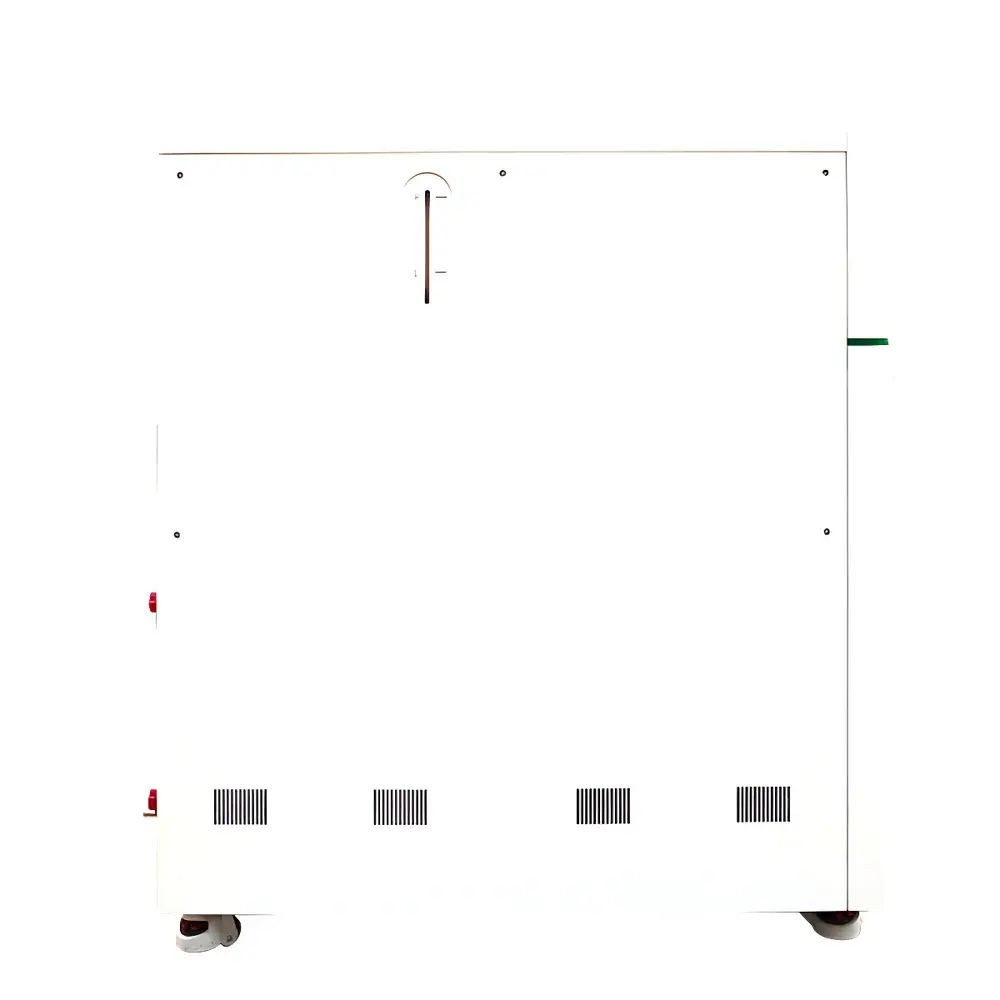
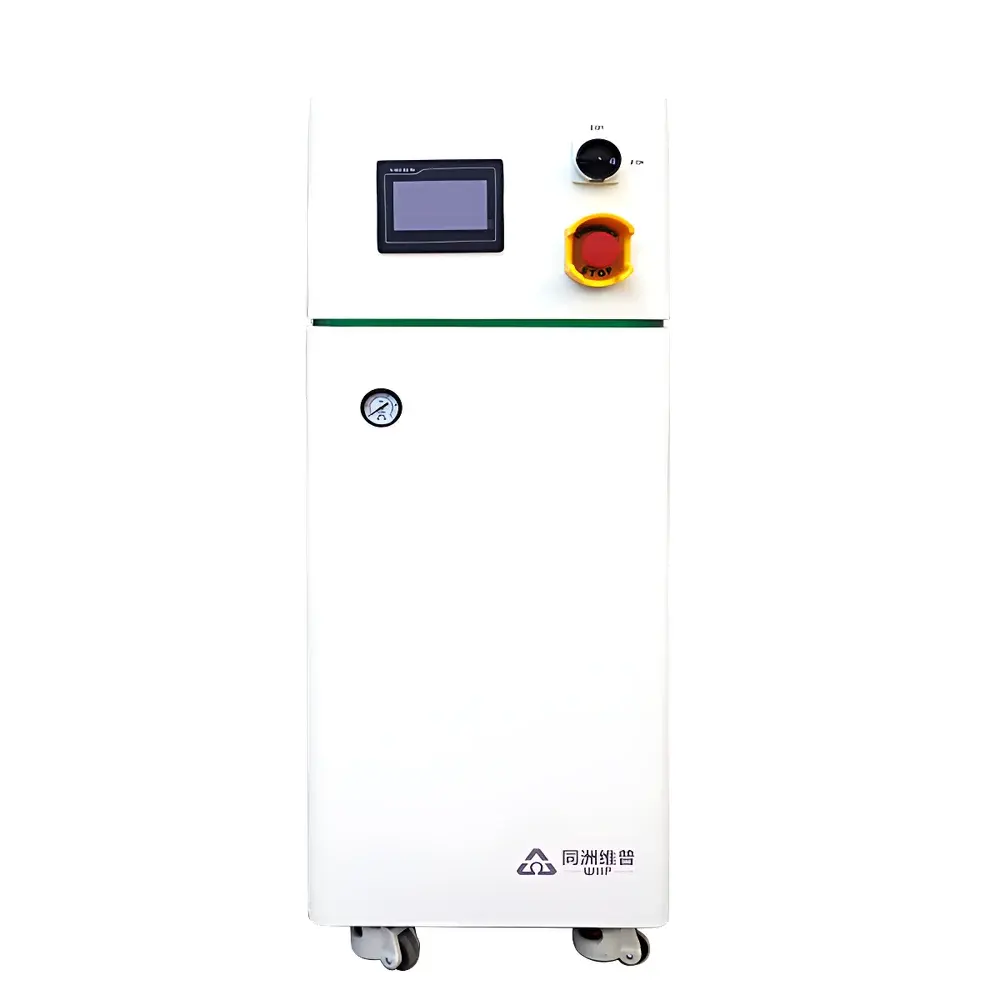
- Compact vertical footprint (W × D × H: 520 × 630 × 1120 mm) optimized for tool-side installation with front-access service panels and integrated vibration isolation mounts
- Touchscreen HMI with multilingual UI (English, Japanese, Korean, Simplified Chinese), event logging, and configurable alarm thresholds per channel
Sample Compatibility & Compliance
The SCk chiller is validated for use with major dicing saw platforms including DISCO DFD636/656, Tokyo Seimitsu DF series, and ASM Pacific AD83xx systems. It supports standard semiconductor cooling fluids—including ultra-pure DI water (resistivity ≥18.2 MΩ·cm), fluorinated coolants (e.g., FC-72), and low-conductivity glycol blends—within operating temperature ranges of 12–25 °C. All wetted materials meet SEMI F57-0303 (Materials Compatibility for Semiconductor Process Equipment) requirements; stainless steel 316L tubing, EPDM-free Viton seals, and electropolished reservoirs prevent metallic leaching or organic outgassing. The unit carries full CE marking, RoHS 2015/863 compliance, and is pre-qualified for GLP/GMP audit readiness with optional 21 CFR Part 11-compliant electronic signature and audit trail firmware.
Software & Data Management
Equipped with embedded Linux-based controller firmware, the SCk provides native Modbus TCP and EtherNet/IP communication interfaces for seamless integration into factory-wide MES/SCADA systems (e.g., Siemens Desigo, Rockwell FactoryTalk). Real-time operational data—including inlet/outlet temperatures, flow rates, compressor status, and alarm history—is timestamped and exportable in CSV or OPC UA format. Optional cloud telemetry enables remote diagnostics, predictive maintenance alerts (via compressor cycle count and delta-T trend analysis), and centralized fleet monitoring across multi-site fabs. All data logs are stored locally on encrypted microSD with 90-day retention and support secure HTTPS-based retrieval.
Applications
- Thermal stabilization of high-RPM diamond blade spindles during Si, SiC, GaN, and compound semiconductor wafer dicing
- Temperature-controlled delivery of cutting fluid to suppress localized thermal stress and microcrack propagation at kerf edges
- Supporting low-k dielectric and TSV-enabled wafers where sub-0.3 °C thermal excursion can induce delamination or chipping
- Enabling stable operation of laser-assisted dicing (LAD) systems requiring synchronized coolant temperature alignment with pulse timing
- Back-up cooling redundancy for cluster tools undergoing preventive maintenance or process qualification runs
FAQ
Is the SCk chiller certified to SEMI standards?
Yes—the SCk meets SEMI S2-0216 (safety), SEMI F47-0220 (voltage sag immunity), and SEMI F57-0303 (material compatibility) requirements. Full test reports are available under NDA.
Can it cool both spindle and cutting fluid simultaneously at different setpoints?
Yes—each channel features independent PID tuning and temperature setpoint control (range: 12–25 °C, resolution: 0.01 °C).
What is the maximum supported flow rate per channel?
Standard configuration delivers up to 12 L/min per loop at ≤2.5 bar differential pressure; high-flow variants support 20 L/min upon request.
Does it support integration with factory automation protocols?
Yes—Modbus TCP, EtherNet/IP, and optional PROFINET interfaces are standard; custom API development kits available for proprietary host systems.
How often does the auto-replenishment system require manual intervention?
Under normal operation with DI water feed, maintenance intervals exceed 3 months; system alerts 72 h prior to reservoir depletion and logs all fill events for traceability.