
Top Cloud-agri TPZY-C / TPZY-D Plant Germplasm Storage Chamber
| Brand | Top Cloud-agri |
|---|---|
| Origin | Zhejiang, China |
| Manufacturer Type | OEM/ODM Producer |
| Category | Domestic |
| Models | TPZY-C (Local PLC Control), TPZY-D (Cloud-Connected with Web & Mobile App) |
| Spectral Range | Visible Light (400–700 nm) |
| Temperature Range | Customizable (e.g., –20 °C to +35 °C, depending on chamber type) |
| Humidity Range | Customizable (15–80% RH) |
| Illumination Control | Programmable LED intensity & photoperiod |
| Capacity | Custom-configurable internal volume (e.g., 1–100 m³) |
| External Dimensions | Fully customizable footprint and height |
Overview
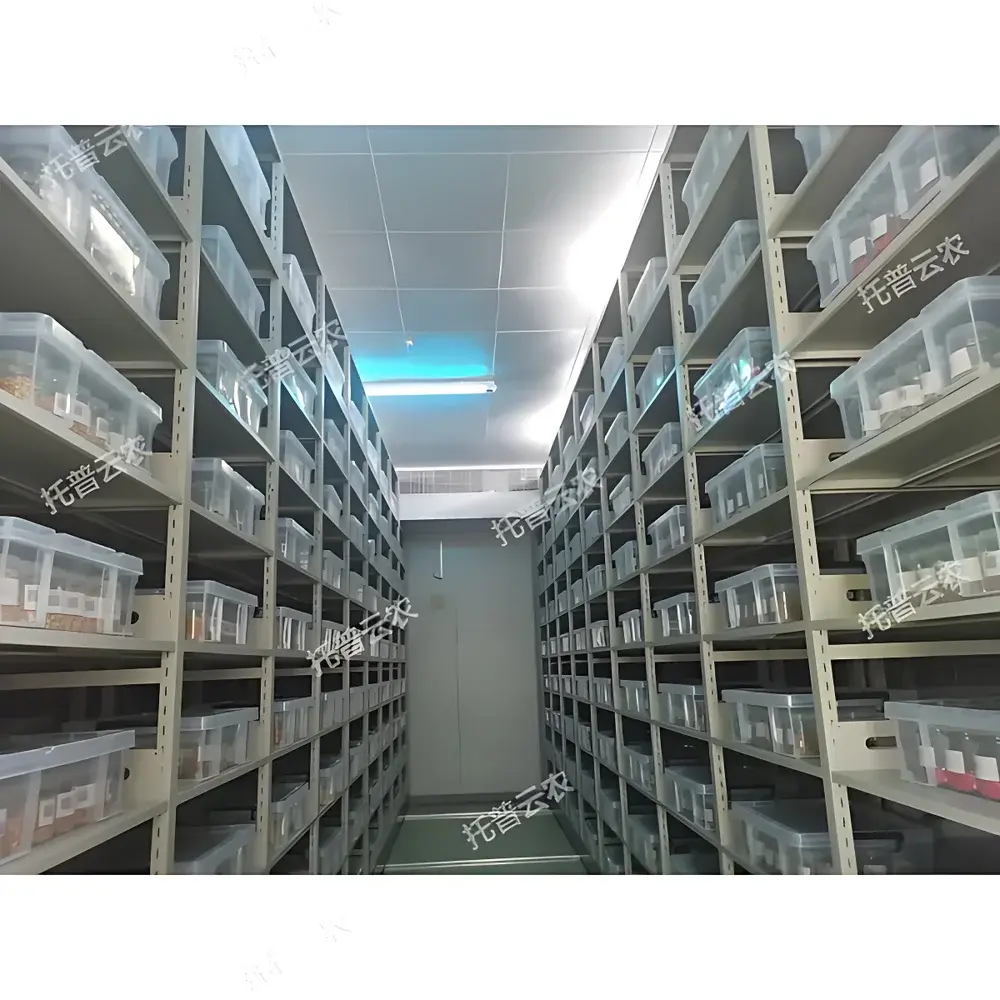
The Top Cloud-agri TPZY-C and TPZY-D Plant Germplasm Storage Chambers are precision-engineered environmental control systems designed for the long-term, biologically stable preservation of plant genetic resources. Unlike conventional growth chambers, these units operate across multiple operational regimes—long-term (–20 ±2 °C, ≤45 ±5% RH), mid-term (–4 ±2 °C, ≤45 ±5% RH), short-term (0–10 °C, ≤60 ±5% RH), cryo-drying (15 ±2 °C, ≤15 ±5% RH), and in vitro culture (4–35 °C, 40–80% RH)—to align with international germplasm conservation standards including FAO’s Genebank Standards, ISO 20673:2019 (Plant genetic resources — Specification for long-term storage), and national guidelines for seed viability maintenance. The chambers integrate dual-compressor refrigeration, low-temperature desiccant dehumidification, and multi-layer thermal insulation to ensure thermodynamic stability, minimizing metabolic activity and oxidative degradation in stored seeds, embryos, or tissue cultures. Their architecture supports both passive archival storage and active inventory management, forming the physical backbone of national and institutional genebanks.
Key Features
- Dual independent refrigeration system with automatic failover: Redundant compressors (imported) maintain setpoint integrity during maintenance or component failure; low-noise EC fans with pressure-controlled airflow optimize heat exchange without vibration-induced seed disturbance.
- Cryogenic-grade dehumidification: Dedicated low-temperature rotary desiccant wheel operates continuously below 0 °C—critical for achieving and sustaining ≤15% RH in drying rooms and ≤45% RH in long-term vaults.
- B1-class polyurethane insulated envelope: Six-sided sandwich panels (double-skin galvanized steel or stainless steel cladding) with ≥150 mm core density; floor assembly uses non-toxic, anti-mold, moisture-barrier composites compliant with GB 8624–2012 fire safety classification.
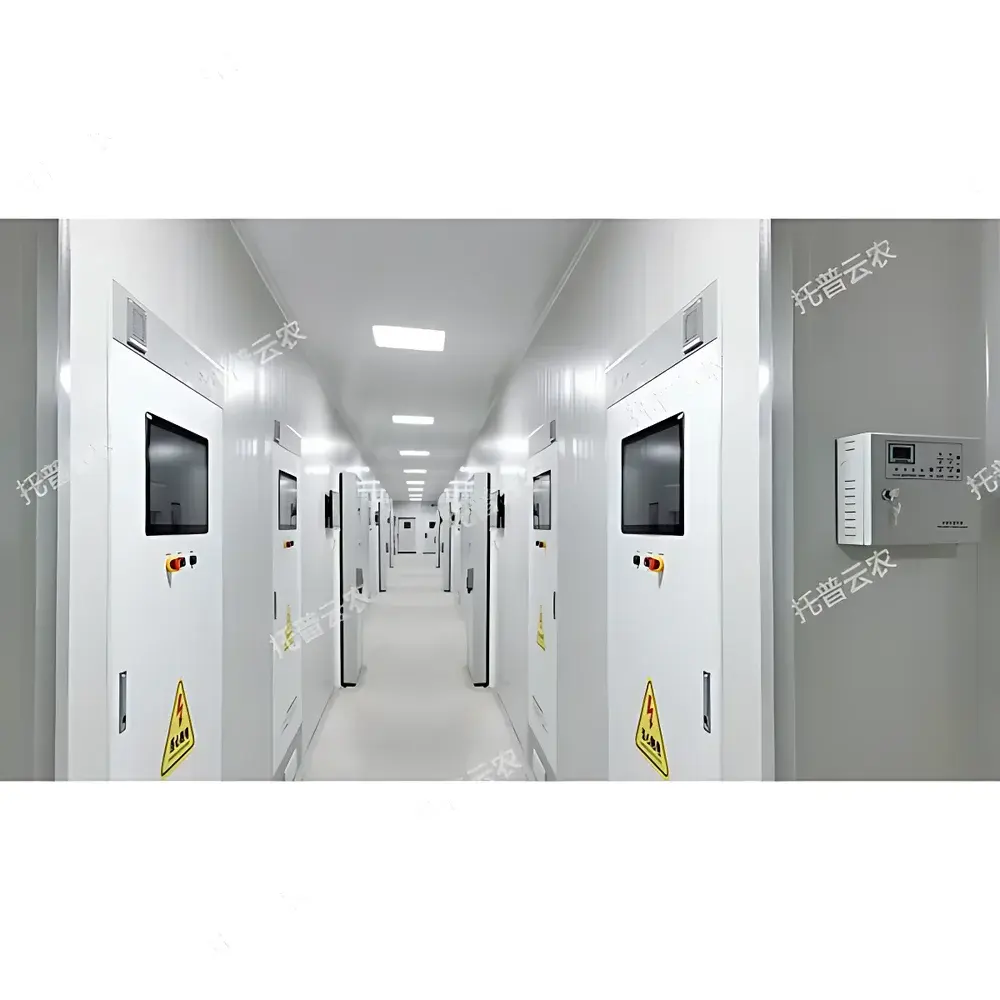
- PLC-based central controller with industrial HMI: 10–21″ capacitive touchscreen interface supports real-time logging, historical trend visualization (≥12-month onboard storage), alarm event sequencing, and configurable logic for cascade control of cooling, dehumidification, and air distribution subsystems.
- Integrated cold-air distribution: Ceiling-mounted evaporator units with laminar-flow diffusers and vestibule-mounted air curtains minimize thermal bridging and condensation at entry points.
- Cloud-enabled telemetry (TPZY-D only): Secure MQTT/HTTPS data transmission to ISO 27001-certified cloud infrastructure; supports remote parameter adjustment, firmware OTA updates, and audit-trail generation per FDA 21 CFR Part 11 requirements.
Sample Compatibility & Compliance
These chambers accommodate heterogeneous biological matrices—including orthodox seeds (e.g., rice, wheat, maize), recalcitrant tissues (with supplemental cryoprotectant protocols), embryonic axes, meristematic explants, and micropropagated shoots—across IAEA/FAO-defined storage classes. Structural design conforms to ISO 14644-1 Class 8 cleanroom air quality (for sterile handling zones), while electrical safety meets IEC 61000-6-2/6-4 EMC standards. All materials contacting stored samples comply with USP Plastic Packaging Systems for Pharmaceutical Use Class VI biocompatibility testing. Optional UV-C (254 nm) and ozone sterilization modules satisfy GLP-aligned decontamination workflows prior to sample loading.
Software & Data Management
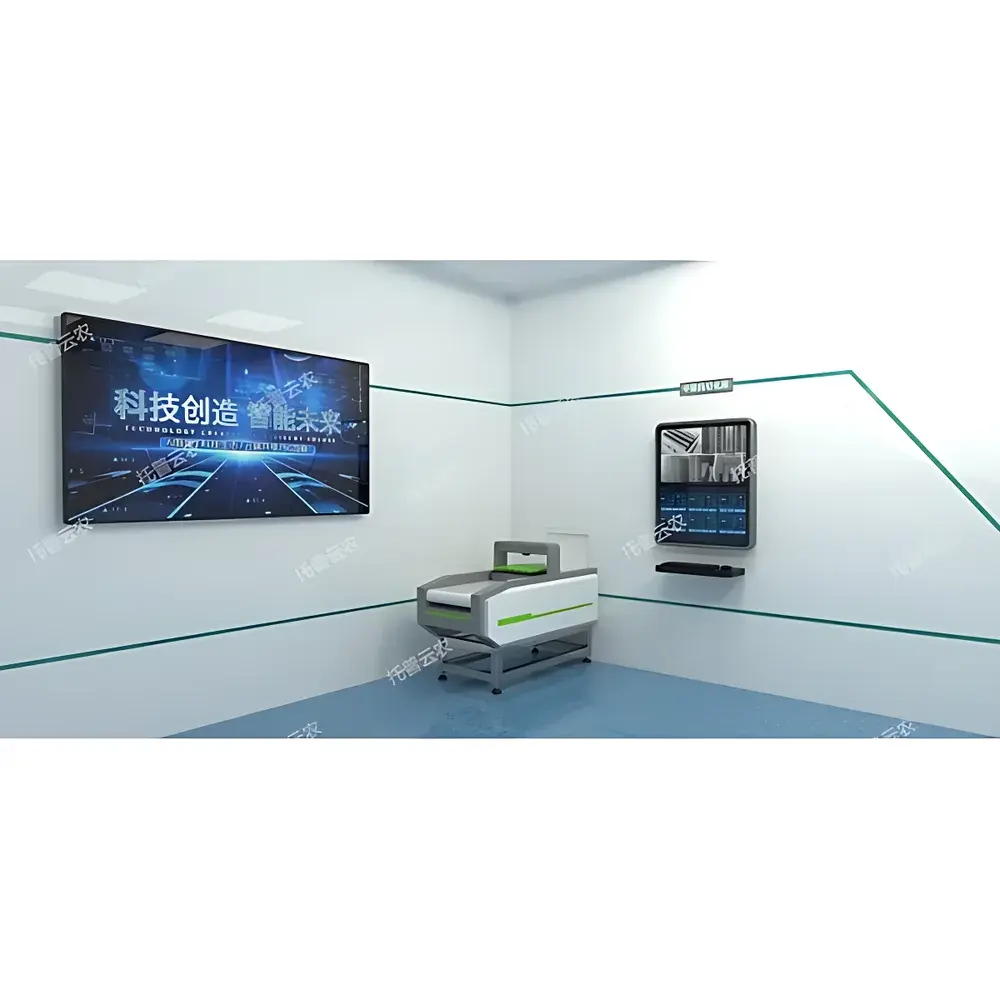
The embedded control software provides full lifecycle traceability: each accession receives a unique alphanumeric ID and scannable QR code linked to metadata fields (collection date, taxonomic ID, moisture content, germination rate, viability assay timestamp). Web and mobile applications (iOS/Android) enable role-based access to real-time sensor feeds (temperature, RH, CO₂, light PPFD), automated alerting (SMS/email/Push), and export of CSV/Excel reports compliant with MIAPPE v1.1 metadata schema. Audit logs record all user actions—including parameter changes, manual overrides, and emergency shutdowns—with SHA-256 hashing for tamper-evident integrity. Data retention policies support 10-year encrypted archival aligned with ISO/IEC 27001 information security management.
Applications
- National and regional genebanks requiring FAO-compliant long-term seed archiving (≥50 years viability retention).
- Research institutes conducting pre-breeding trait evaluation under standardized mid-term storage conditions (–4 °C).
- Biotech labs maintaining in vitro germplasm collections (test-tube plantlets) with precise photoperiodic and thermo-hygrometric control.
- Seed certification laboratories performing accelerated aging studies and vigor assays using programmable temperature/humidity ramping.
- Conservation programs managing endangered native species through integrated drying-room + cold-vault workflows.
- Automated biorepositories integrating robotic arm interfaces (optional add-on) for high-throughput sample retrieval in TPZY-D configurations.
FAQ
What temperature and humidity ranges are certified for long-term seed storage?
Long-term operation is validated at –20 ±2 °C and ≤45 ±5% RH per ISO 20673:2019 Annex A; stability testing confirms ±0.3 °C/±2% RH deviation over 72-hour continuous monitoring.
Can the chamber be integrated into an existing LIMS or ELN platform?
Yes—RESTful API endpoints and configurable Modbus TCP registers allow bidirectional synchronization with LabVantage, Thermo Fisher SampleManager, or custom middleware via JSON/XML payloads.
Is remote video surveillance supported with low-temperature dew-point compensation?
Standard configuration includes IP-rated, anti-fog, wide-dynamic-range cameras with heated housings; dew-point compensation algorithms prevent lens frosting down to –25 °C ambient.
How is calibration traceability maintained across sensors?
All temperature and RH probes ship with NIST-traceable certificates; field recalibration intervals follow ISO/IEC 17025–compliant SOPs, with auto-log timestamps embedded in sensor firmware.
Does the system support 21 CFR Part 11 compliance for regulated environments?
TPZY-D firmware includes electronic signature capture, audit trail encryption, and role-based permission tiers—validated against Part 11 Annex 11 (EU GMP) requirements for electronic records in agricultural biotechnology QA/QC settings.





