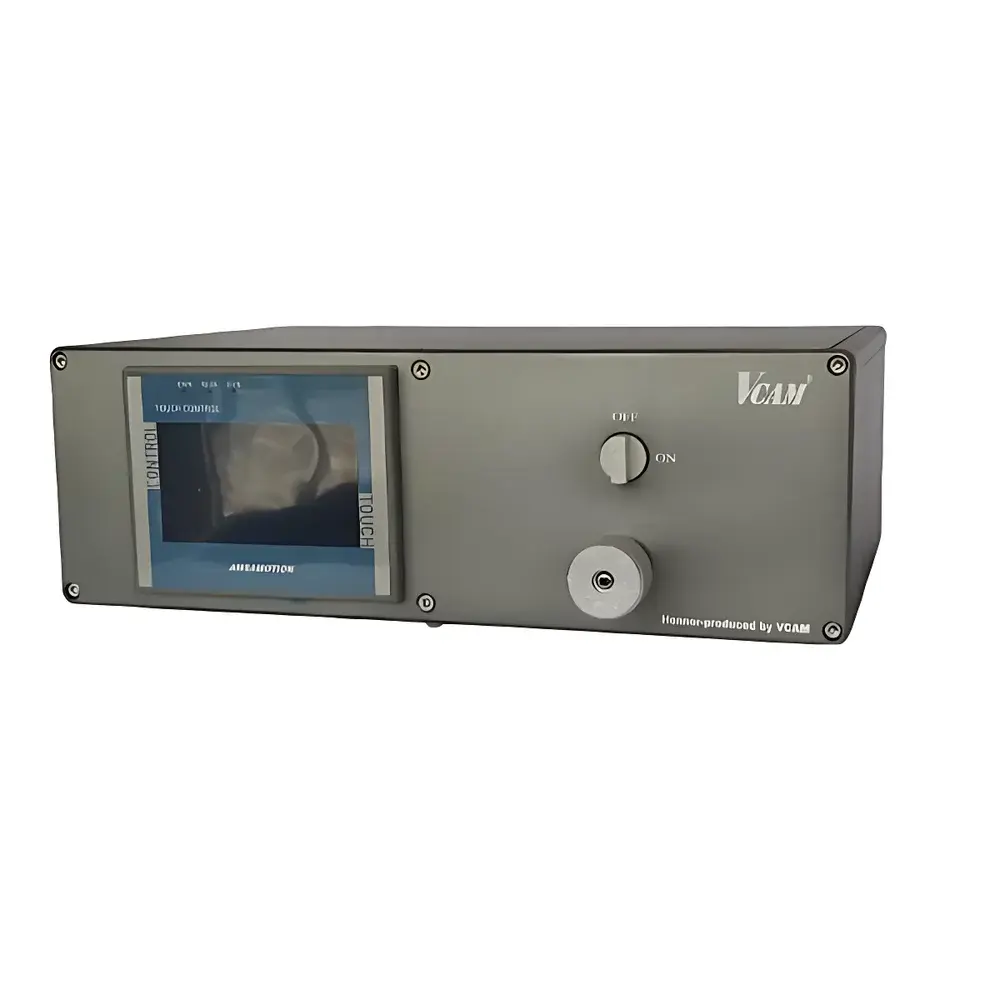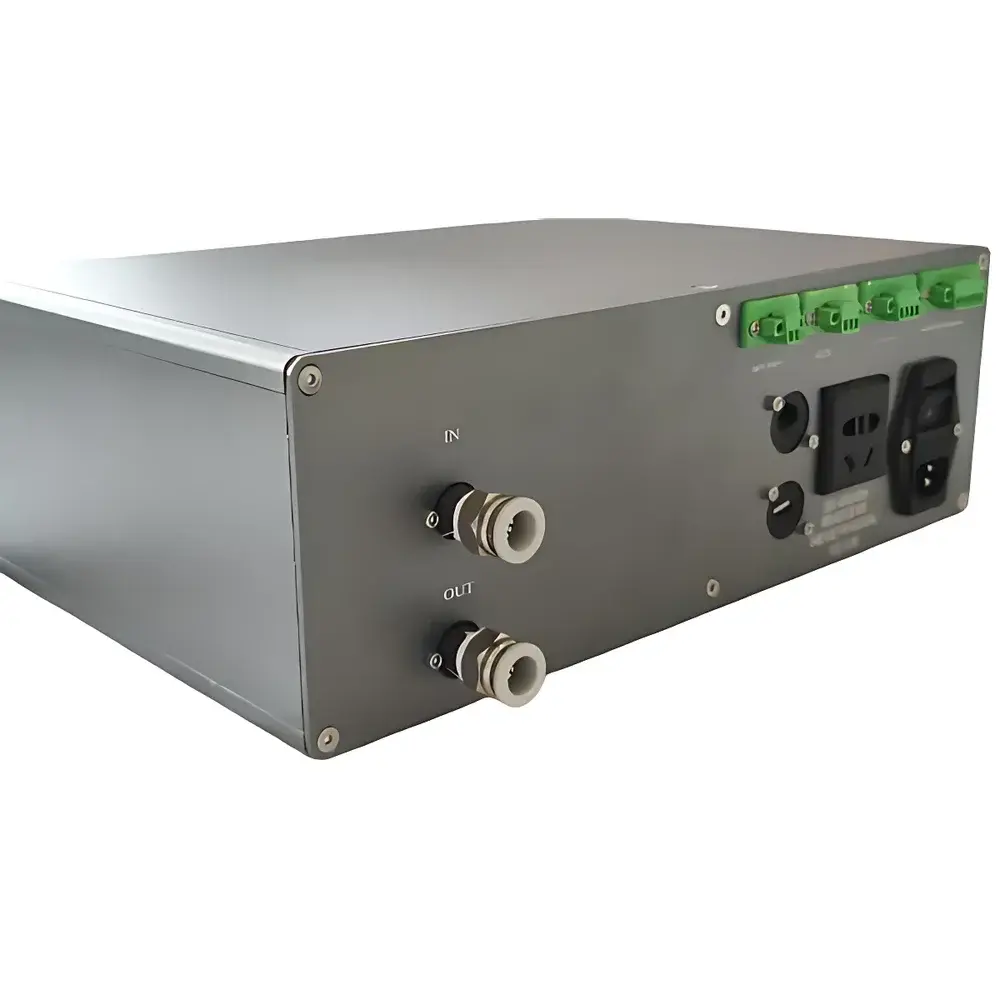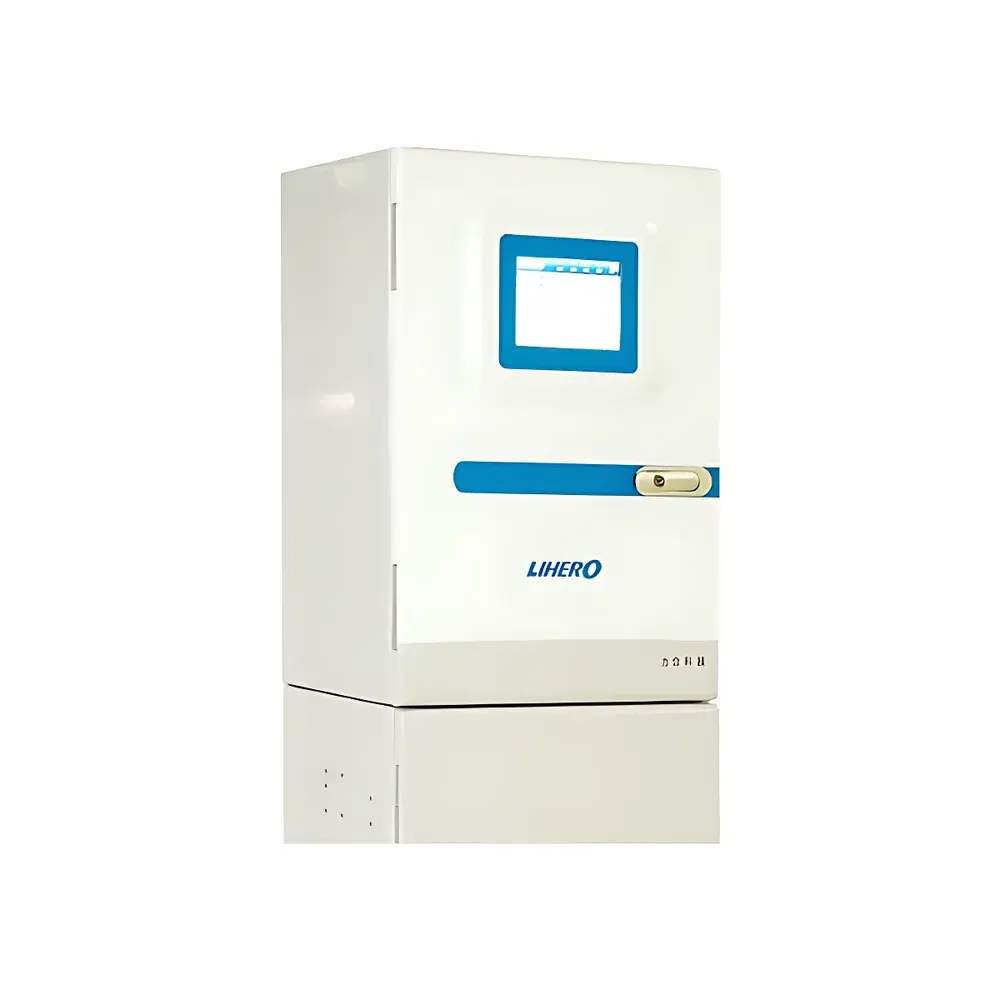
Total Hardness Water Analyzer LIS-2013(HD) by Lihero
| Brand | Lihero |
|---|---|
| Model | LIS-2013(HD) |
| Measurement Principle | Colorimetric Spectrophotometry (with optional titrimetric module) |
| Detection Range | 0–500 mg/L as CaCO₃ (configurable) |
| Accuracy | ±5% FS |
| Repeatability | ≤3% RSD |
| Sample Flow Rate | 10–30 mL/min |
| Operating Temperature | 5–40 °C |
| Power Supply | 220 VAC ±10%, 50/60 Hz |
| Output Interface | 4–20 mA, RS485 (Modbus RTU), Ethernet |
| Compliance | GB/T 5750.4–2023, ISO 9963-1:1994, ASTM D1126–22 |
Overview
The Lihero LIS-2013(HD) Total Hardness Water Analyzer is an industrial-grade online analytical instrument engineered for continuous, real-time quantification of total dissolved hardness—expressed as calcium carbonate (CaCO₃)—in process water, boiler feedwater, cooling tower circulation, municipal wastewater effluent, and desalination plant influent/effluent streams. It operates primarily on the standardized colorimetric spectrophotometric principle, utilizing a stable chromogenic reagent (e.g., Eriochrome Black T or Calmagite) that forms a metal–dye complex with Ca²⁺ and Mg²⁺ ions under controlled pH and buffer conditions. Absorbance at a defined wavelength (typically 525–550 nm) is measured via a dual-beam optical system with temperature-compensated photodetectors, ensuring high reproducibility across variable ambient conditions. An optional titrimetric measurement module—based on automated EDTA complexometric titration—is available for applications requiring trace-level precision or regulatory validation against reference methods (e.g., ISO 9963-1 or ASTM D1126). The analyzer is designed for unattended operation in harsh industrial environments, with robust IP65-rated housing and corrosion-resistant fluidic pathways constructed from PFA, PVDF, and 316L stainless steel.
Key Features
- Embedded Linux-based operating system with 7-inch capacitive touchscreen interface, supporting intuitive navigation, multi-language configuration (English default), and context-sensitive help menus
- Positive-pressure, maintenance-free sampling system with peristaltic pump and integrated air bubble detection—eliminates siphoning, prevents clogging, and ensures consistent sample delivery without mechanical valves or diaphragms
- Hermetically sealed reagent cartridges with RFID-tagged lot tracking; reagent consumption ≤1.2 mL per analysis cycle, extending shelf life up to 12 months when stored at 15–25 °C
- Onboard non-volatile memory (8 GB eMMC) retains ≥1 year of high-resolution data (1-minute intervals), including raw absorbance values, calibration logs, alarm timestamps, and diagnostic events
- Multi-channel capability: supports up to 4 independent sample streams via programmable auto-selector valve; each channel features individual flow monitoring, air-in-line detection, and automatic fault isolation
- Self-diagnostic architecture with real-time status reporting for optical path cleanliness, reagent level, pump performance, and temperature stability—enabling predictive maintenance scheduling
Sample Compatibility & Compliance
The LIS-2013(HD) accepts liquid samples with turbidity ≤10 NTU and suspended solids <10 mg/L; particulate filtration (5 µm inline filter standard) is recommended for raw surface water or wastewater. It complies with national and international standard methods including GB/T 5750.4–2023 (China), ISO 9963-1:1994 (Water quality — Determination of hardness — Part 1: Titrimetric method), and ASTM D1126–22 (Standard Test Method for Hardness in Water). Data integrity meets GLP and GMP requirements through audit-trail-enabled firmware (IEC 62304 Class B), with optional 21 CFR Part 11-compliant software modules available for pharmaceutical and regulated utility applications. All calibration and verification records—including standard addition tests, blank correction logs, and drift assessments—are time-stamped, user-authorized, and exportable in CSV or PDF format.
Software & Data Management
Lihero Analytical Suite (LAS) v4.2 provides centralized configuration, remote diagnostics, and secure data aggregation via OPC UA or MQTT protocols. The web-based HMI supports role-based access control (RBAC), configurable alarm thresholds (high/low, rate-of-change), and automated report generation (daily summary, weekly compliance, monthly trend). Historical datasets integrate seamlessly with SCADA systems (e.g., Siemens Desigo, Honeywell Experion) and cloud platforms (AWS IoT Core, Azure IoT Hub) using TLS 1.2 encryption. Firmware updates are delivered over-the-air (OTA) with SHA-256 signature verification, and all communication channels support IEEE 802.1X authentication where deployed in enterprise IT environments.
Applications
- Real-time hardness monitoring in power plant boiler feedwater circuits to prevent scale formation and optimize phosphate/polymer dosing
- Closed-loop control of softening resin regeneration cycles in industrial pretreatment systems
- Compliance verification for discharge permits under EPA Effluent Guidelines (40 CFR Part 425) and EU Urban Wastewater Treatment Directive (91/271/EEC)
- Quality assurance in beverage production, semiconductor ultrapure water (UPW) loops, and pharmaceutical purified water (PW) distribution networks
- Trend analysis for membrane fouling prediction in reverse osmosis (RO) and nanofiltration (NF) systems
FAQ
What sample pretreatment is required prior to analysis?
Minimal pretreatment is needed: a 5 µm particulate filter is standard; for highly turbid or organic-laden samples (e.g., primary clarifier effluent), optional UV digestion or acidification modules can be integrated.
Can the LIS-2013(HD) be calibrated using NIST-traceable standards?
Yes—calibration is performed using certified reference materials (CRM) traceable to NIST SRM 1643e (Hardness Standard) or equivalent national metrology institute standards; certificate of analysis included with each CRM batch.
Is remote firmware update supported without physical access?
Yes—secure OTA updates are enabled via HTTPS or SFTP; update packages undergo cryptographic signature validation prior to installation.
How does the system handle reagent depletion or air ingress during sampling?
The analyzer triggers Level 1 alarms (visual/audio + relay output) at 15% reagent remaining and initiates automatic shutdown at 5%; air-in-line detection halts measurement and flushes the flow cell until signal stability is restored.
Does the instrument meet cybersecurity requirements for OT network deployment?
It complies with IEC 62443-3-3 SL2 controls, including disabled default credentials, encrypted local storage, configurable firewall rules, and periodic vulnerability scanning support via integrated API endpoints.