
TSE Systems Cigarette Smoke Generator SMG Series
| Brand | TSE Systems |
|---|---|
| Origin | Germany |
| Model | SMG Series |
| Application | Automated Cigarette Smoke Generation for Inhalation Toxicology and In Vitro Exposure Studies |
| Compliance | ISO 3308, ISO 4387, ASTM D1557, OECD TG 412 |
| Sample Capacity | Up to 250 cigarettes (bulk magazine), 10-cigarrette rotating wheel (standard) |
| Puff Profile Options | Gaussian, Ramp, Rectangular |
| Software Control | SMG Control Software with Real-Time Monitoring, Parameter Logging, and Audit-Trail-Capable Data Export |
| Chamber Integration | Compatible with TSE’s in vitro exposure chambers (e.g., 10-port cell culture exposure system), side-stream smoke collection port configurable or removable |
Overview
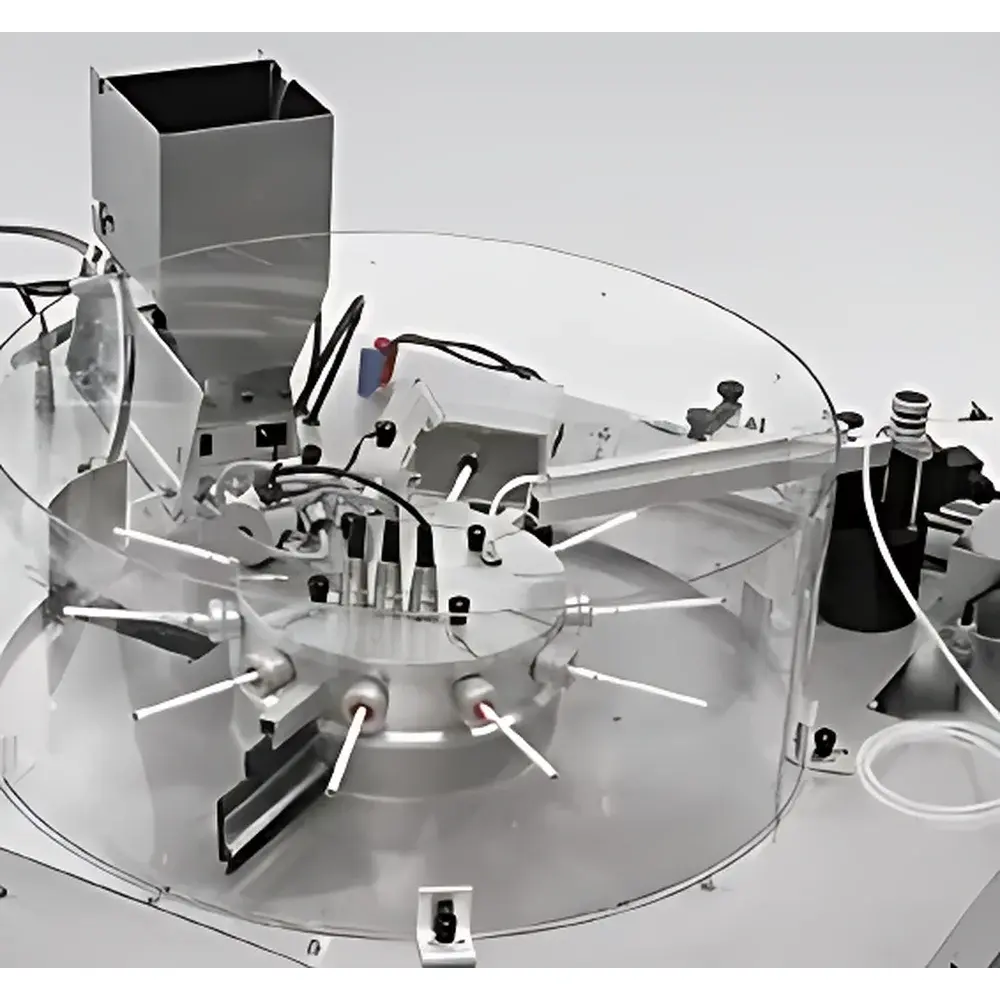
The TSE Systems SMG Series Cigarette Smoke Generators are precision-engineered instruments designed for reproducible, automated generation of mainstream and side-stream cigarette smoke under strictly controlled experimental conditions. Built for inhalation toxicology, regulatory safety assessment, and mechanistic in vitro exposure studies, these systems operate on the principle of standardized puffing cycles—defined by duration, volume, flow rate, and inter-puff interval—to emulate human smoking behavior per ISO 3308 and related international protocols. Each unit integrates a motorized 10-position cigarette carousel, high-fidelity thermal ignition modules, mass-flow-controlled dilution air supply, and real-time sensor feedback for puff timing, burn length, and cigarette position integrity. The architecture supports both commercial-grade and research-specific cigarettes—including variable lengths, diameters, and filter configurations—ensuring broad applicability across preclinical and regulatory testing workflows.
Key Features
- Fully automated cigarette handling cycle: loading, ignition, puffing, extinguishing, ash removal, and repositioning—all executed without manual intervention.
- Configurable puff waveform generation: selectable Gaussian (bell-shaped), linear ramp, or rectangular profiles to match physiological relevance or protocol-specific requirements.
- Real-time operational monitoring via integrated optical and thermal sensors: detects cigarette orientation, burn cone progression, puff synchronization, and wheel indexing accuracy.
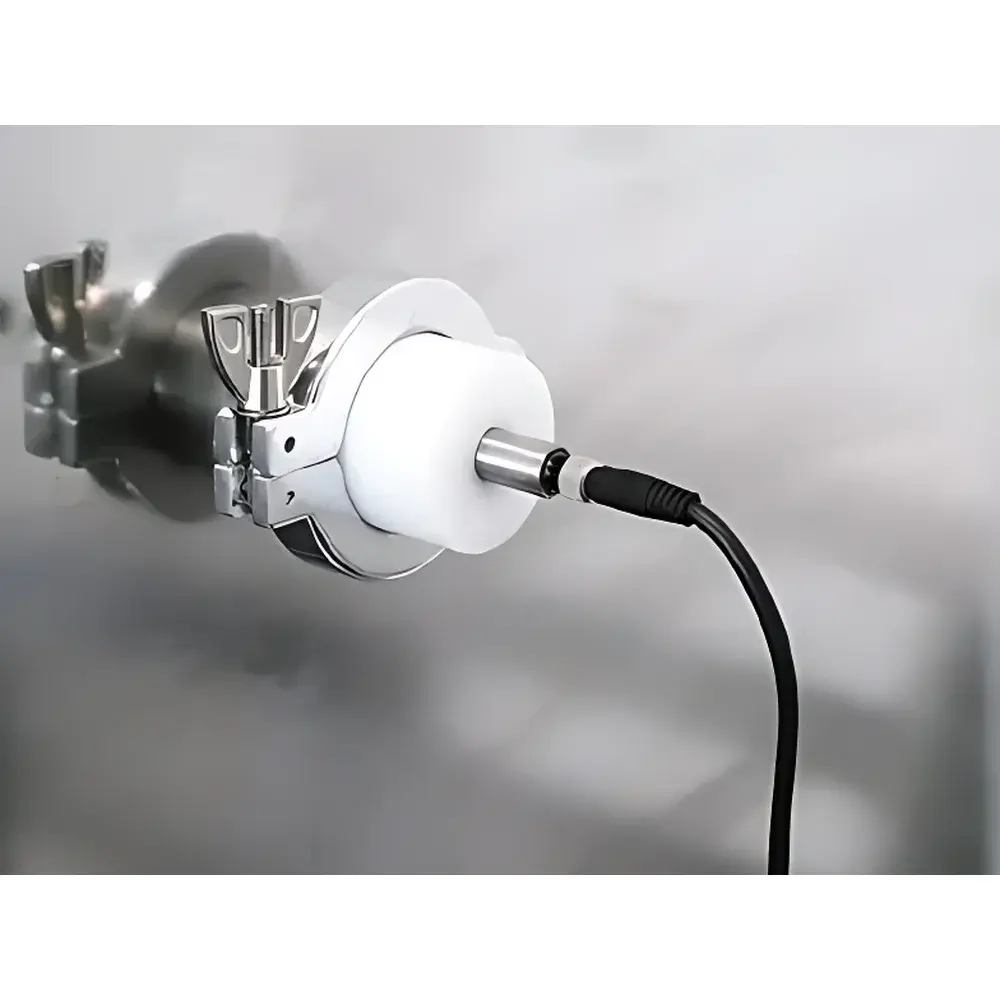
- Modular chamber interface: direct coupling with TSE’s 10-port in vitro exposure systems; optional side-stream smoke collection port (removable for mainstream-only exposure setups).
- Bulk cigarette magazine (250-unit capacity): enables unattended operation over extended test durations while maintaining consistent environmental conditions within the exposure chamber.
- Compliance-ready hardware design: meets mechanical and timing tolerances specified in ISO 3308 (puffing machine specifications), ISO 4387 (determination of total and nicotine-free dry particulate matter), and ASTM D1557 (smoke yield determination).
Sample Compatibility & Compliance
The SMG Series accommodates standard-length (84 mm) and king-size (100 mm) commercial cigarettes as well as custom research cigarettes with diameters ranging from 6.0 to 8.5 mm. Filter ventilation, paper porosity, and tobacco density are not actively regulated by the system but remain compatible with downstream analytical methods (e.g., GC-MS, HPLC, particle sizers). All units undergo factory calibration against traceable NIST-traceable flow standards and are supplied with a Certificate of Conformance detailing adherence to ISO/IEC 17025-aligned verification procedures. For GLP-compliant laboratories, the system supports 21 CFR Part 11–compliant user access control, electronic signatures, and audit-trail-enabled data archiving when used with validated SMG software configurations.
Software & Data Management
The proprietary SMG Control Software provides a unified interface for method definition, real-time visualization, and post-acquisition analysis. Users define puff parameters—including puff volume (20–60 mL), duration (1–5 s), frequency (30–60 s interval), and waveform shape—via intuitive graphical input fields. The software displays live status overlays: a dynamic schematic of the rotating cigarette wheel, tabulated puff-by-puff metrics (actual volume, peak flow, CO yield if coupled with gas analyzers), and color-coded operational flags (e.g., “ignition failure”, “ash accumulation alert”). Raw data is exported in CSV or HDF5 format, with metadata tags including operator ID, timestamp, method version, and instrument serial number—enabling full traceability in FDA-submission-ready study reports.
Applications
- Inhalation toxicity screening in rodent whole-body or nose-only exposure chambers.
- Cell-based assays using air-liquid interface (ALI) cultures exposed to physiologically relevant smoke concentrations.
- Development and validation of alternative testing strategies aligned with OECD Test Guideline 412 (subacute inhalation toxicity).
- Comparative analysis of reduced-risk tobacco products (RRTPs), heated tobacco products (HTPs), and e-cigarette aerosols using identical puffing paradigms.
- Method transfer studies between contract research organizations (CROs) requiring inter-laboratory reproducibility of smoke generation parameters.
FAQ
Does the SMG Series support non-standard cigarette dimensions?
Yes—the adjustable holder mechanism accommodates cigarettes from 6.0 to 8.5 mm in diameter and up to 120 mm in length, with optional custom fixtures available upon request.
Can puff parameters be modified during an ongoing exposure session?
No—puff protocols are locked at method initiation to ensure regulatory compliance; however, multi-phase methods with pre-defined parameter shifts can be scheduled in advance.
Is side-stream smoke collection mandatory?
No—the side-stream port is mechanically removable, allowing dedicated mainstream-only exposure configurations required for certain in vitro models.
What level of software validation is provided for GxP environments?
TSE supplies IQ/OQ documentation templates, a risk-based validation guide, and optional on-site PQ support—fully aligned with Annex 11 and ALCOA+ data integrity principles.
How frequently does the system require recalibration?
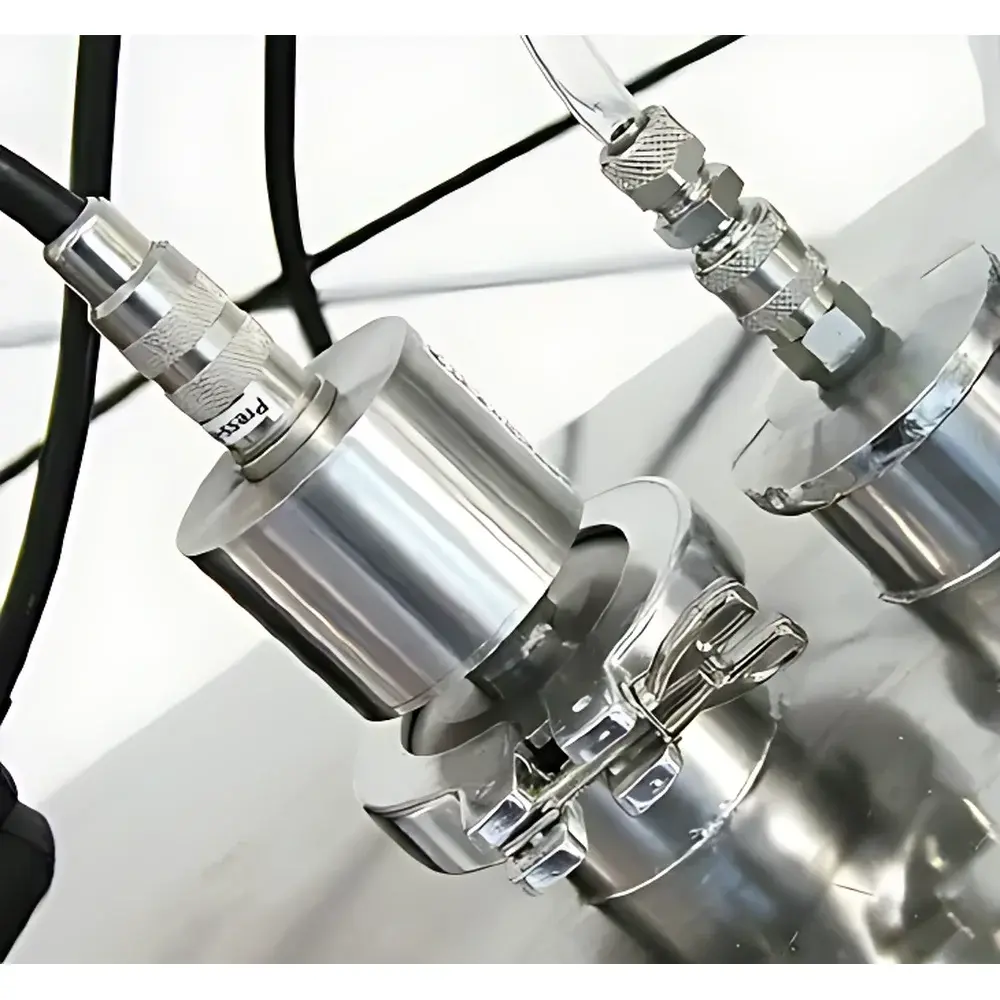
Annual calibration is recommended; critical components (mass flow controllers, pressure transducers) are certified to ±0.5% full-scale accuracy and include onboard self-diagnostics.
Related Products




