
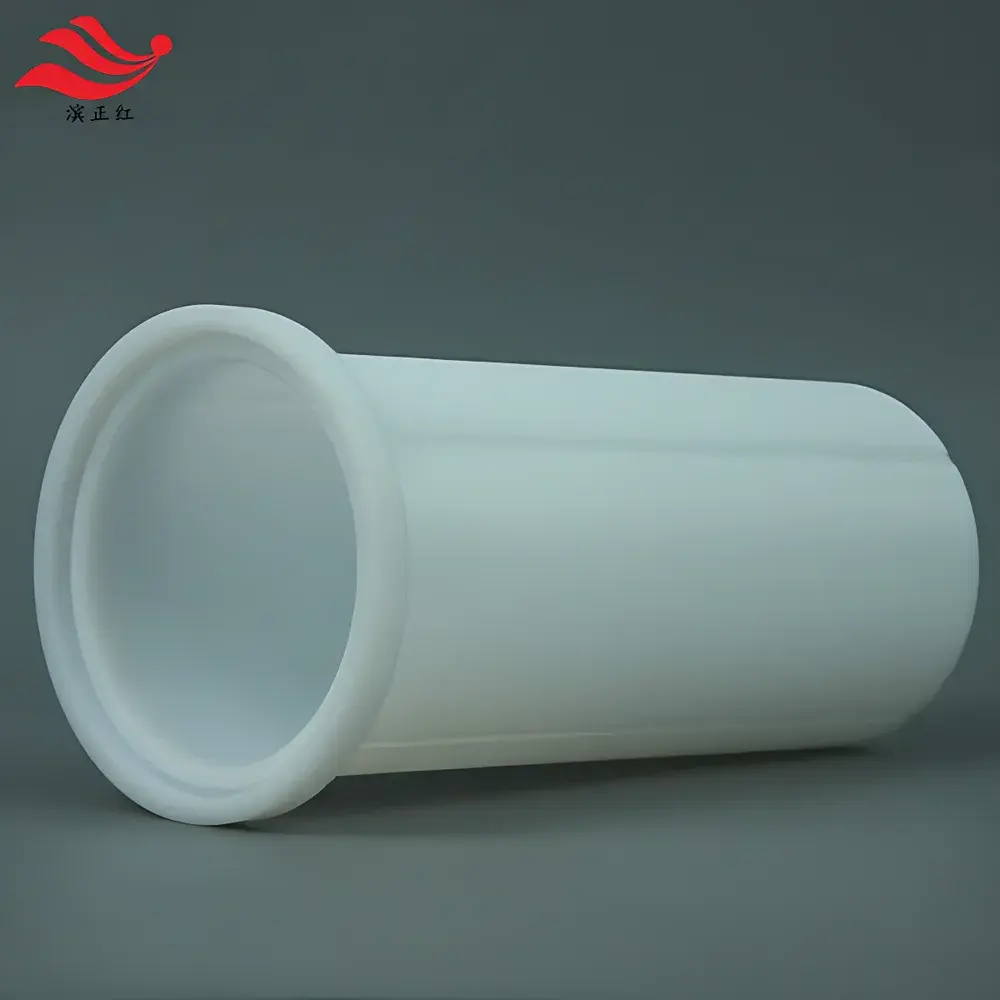
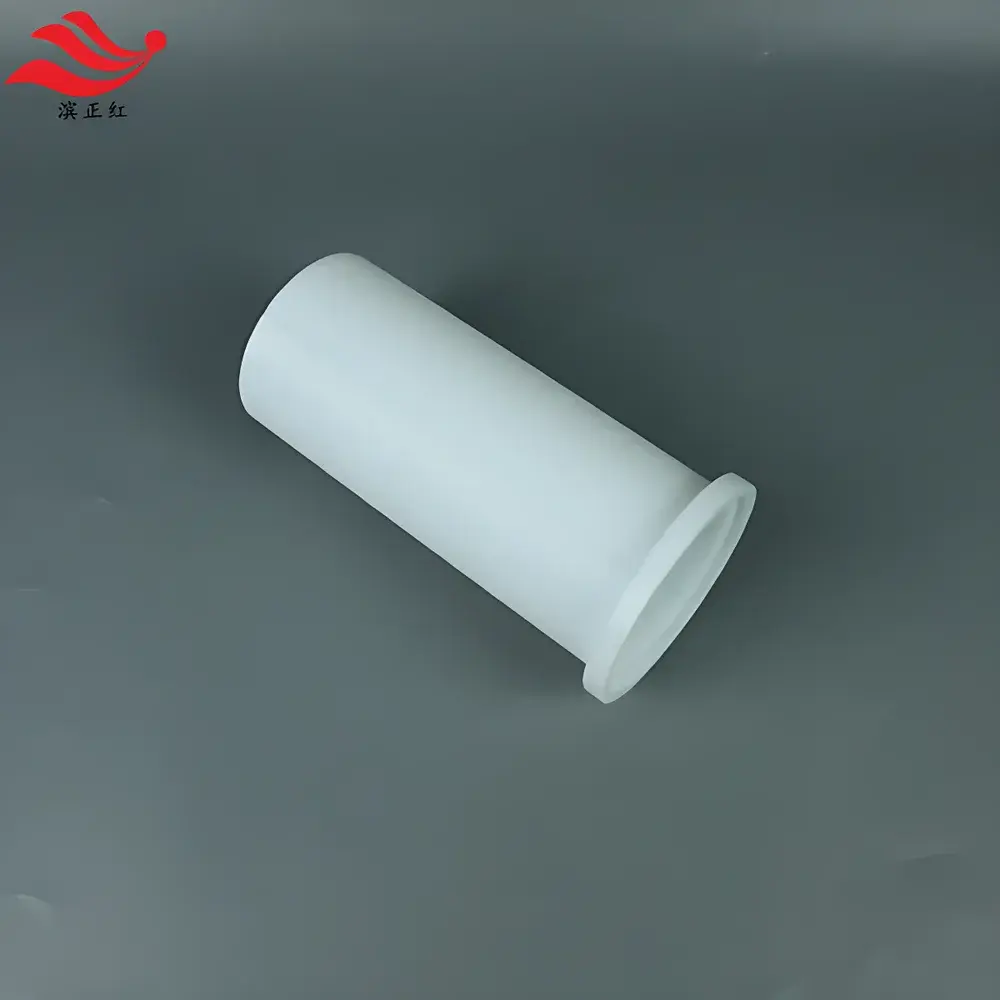
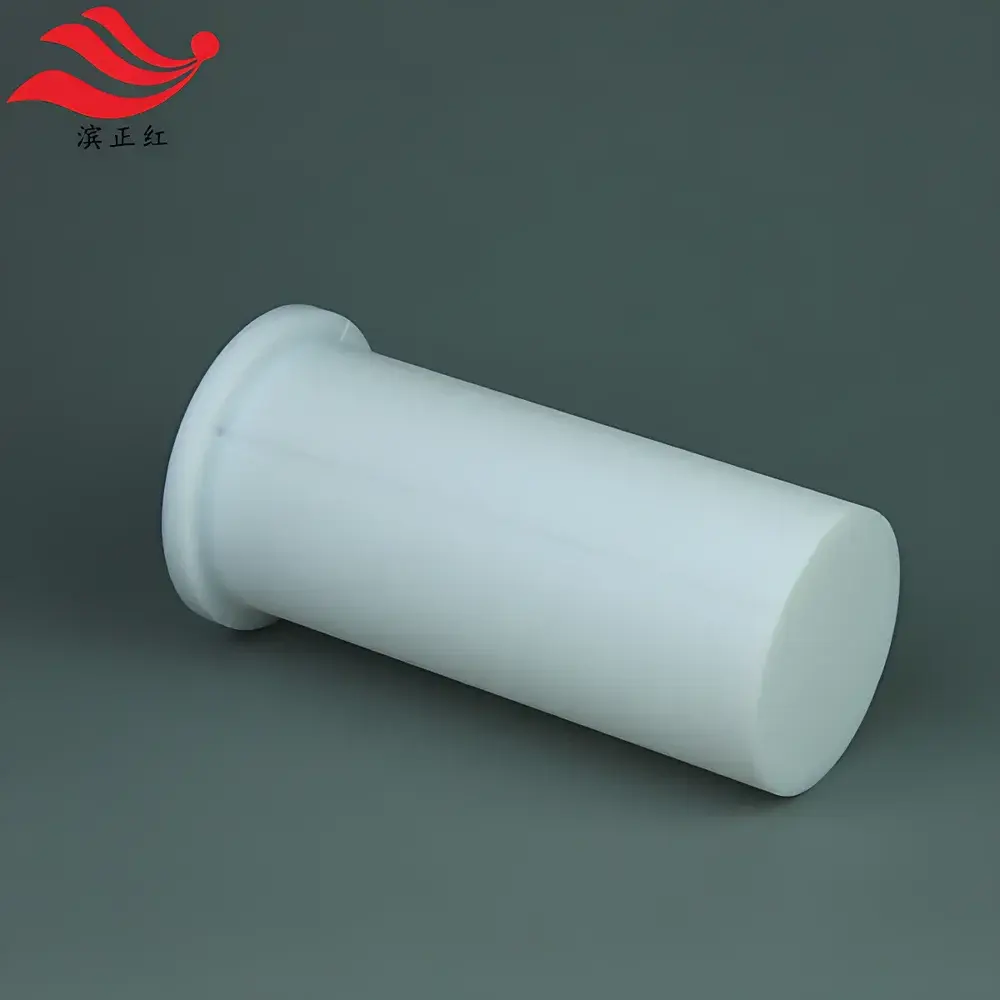
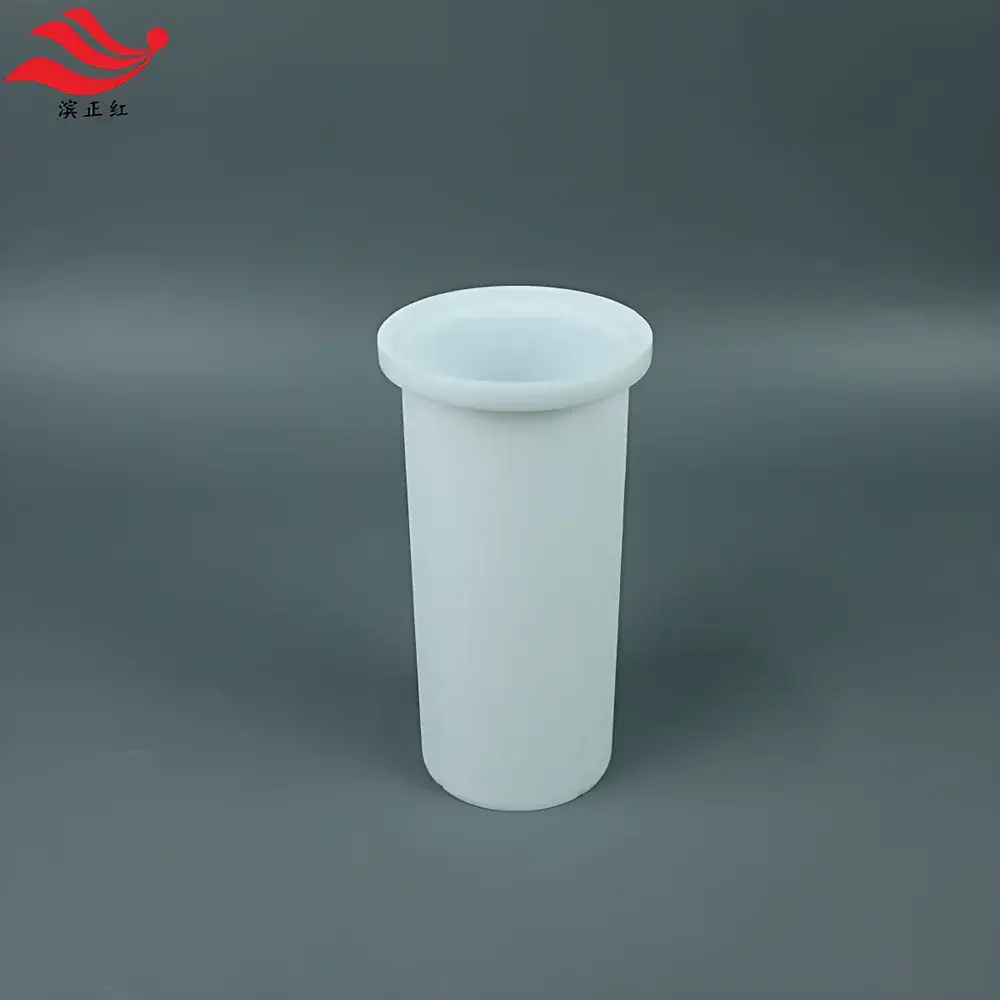
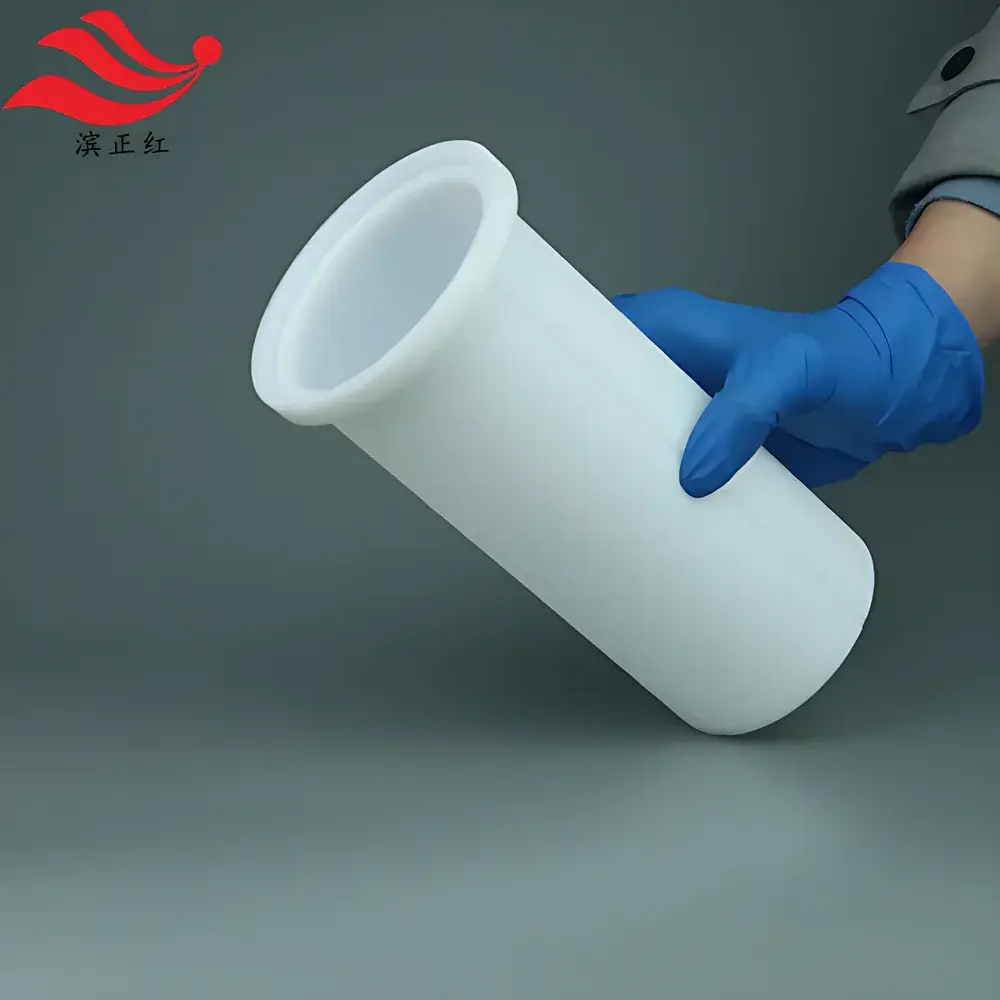
UltraWAVE Microwave Digestion Vessels for UltraWAVE Super Microwave Chemical Platform
| Brand | Binzhenghong |
|---|---|
| Origin | Jiangsu, China |
| Manufacturer Type | Direct Manufacturer |
| Origin Category | Domestic (China) |
| Model | UltraWAVE Digestion Vessel |
| Price Range | USD 0.15 – 600 |
Overview
The UltraWAVE Microwave Digestion Vessels are precision-engineered consumables designed exclusively for use with the UltraWAVE Super Microwave Chemical Platform — a high-pressure, high-temperature closed-vessel microwave digestion system widely deployed in analytical laboratories for sample preparation prior to elemental analysis (e.g., ICP-OES, ICP-MS, AAS). These vessels operate on the principle of controlled microwave energy absorption by polar solvents (e.g., HNO₃, HCl, HF, H₂O₂), generating rapid and uniform internal heating under sealed conditions. This enables complete acid dissolution of refractory matrices—including geological samples, alloys, polymers, biological tissues, and environmental solids—while minimizing analyte loss, contamination risk, and reagent blank contributions. Constructed from ultra-pure, low-metal-content quartz-reinforced PTFE (polytetrafluoroethylene) with proprietary multilayer composite sealing architecture, each vessel maintains structural integrity at sustained operating pressures up to 150 bar and temperatures exceeding 300 °C, ensuring compatibility with the UltraWAVE platform’s dynamic pressure/temperature ramping protocols.
Key Features
- Chemically inert construction using high-purity, metal-leach-resistant PTFE with quartz fiber reinforcement for enhanced thermal stability and mechanical strength
- Hermetic sealing system featuring dual-stage O-ring geometry and torque-controlled cap engagement to prevent leakage under extreme microwave-induced pressure gradients
- Optimized cavity geometry enabling uniform microwave field distribution and consistent thermal profiles across all vessel positions in the rotor
- Trace-metal-clean manufacturing process conducted in ISO Class 7 cleanroom environments, with batch-certified blanks for As, Cd, Cr, Cu, Ni, Pb, and Zn (<0.1 ng/g in 10 mL 2% HNO₃ extract)
- Compatible with automated rotor handling and pressure/temperature monitoring modules integrated into the UltraWAVE platform’s control interface
- Reusable design validated for ≥50 digestion cycles under standard EPA Method 3052 and ASTM D5511 conditions, subject to post-cycle visual inspection and pressure-test verification
Sample Compatibility & Compliance
The UltraWAVE Digestion Vessels support digestion of diverse sample types including silicate rocks, stainless steel shavings, plant digests, wastewater sludge, pharmaceutical excipients, and ceramic powders. They comply with key international method requirements, including EPA Methods 3050B, 3051A, 3052, and 4021; ISO 11885 (water quality — determination of selected elements by ICP-AES); and ASTM D5511 (anaerobic biodegradation of plastic materials). All vessels undergo individual hydrostatic pressure testing at 200 bar and are supplied with full traceability documentation, including lot-specific Certificate of Analysis (CoA), material certification, and conformity statements aligned with ISO 9001:2015 quality management systems. For regulated environments, vessels support GLP-compliant workflows when used with UltraWAVE systems configured for FDA 21 CFR Part 11 audit trails and electronic signature validation.
Software & Data Management
While the vessels themselves are passive consumables, their performance is tightly coupled with the UltraWAVE platform’s embedded software suite (v4.2+). The system logs real-time vessel-level pressure and temperature data per run, automatically flags deviations beyond ±5% of setpoint tolerance, and archives metadata including vessel ID, cycle count, acid composition, and ramp profile. Raw sensor data is exportable in CSV and XML formats compliant with LIMS integration standards (ASTM E1482, ISO/IEC 17025 Annex A.3). Batch-level QC reports include blank correction algorithms, spike recovery tracking, and statistical outlier detection (Grubbs’ test), supporting full traceability from digestion to final instrumental analysis.
Applications
- Preparation of certified reference materials (CRMs) for calibration of multi-element ICP-MS instruments
- Routine heavy metal screening in food contact materials per EU Regulation (EC) No 10/2011
- Digestion of high-silica content soils for geochemical mapping studies
- Leachate analysis of electronic waste (e-waste) under RoHS Directive compliance protocols
- Method development for speciation analysis requiring quantitative recovery of volatile elements (e.g., Hg, Se, As)
- High-throughput clinical sample digestion in toxicology labs performing whole-blood metal panels
FAQ
Are UltraWAVE digestion vessels compatible with other microwave platforms?
No — these vessels are mechanically and electromagnetically optimized for the UltraWAVE rotor geometry, pressure sensing interface, and magnetron frequency modulation. Cross-platform use is not supported and may compromise safety or data integrity.
What cleaning protocol is recommended between uses?
Rinse thoroughly with deionized water, followed by ultrasonic cleaning in 5% nitric acid for 15 minutes, then triple-rinse with 18.2 MΩ·cm water and air-dry in a laminar flow hood. Avoid abrasive brushes or organic solvents.
Do vessels require recalibration after repeated use?
No recalibration is needed, but users must verify seal integrity and absence of microcracks visually before each use and perform periodic pressure validation using an inert test load (e.g., water-only digest) at maximum operating conditions.
Is there a documented shelf life for unused vessels?
When stored in original packaging at ambient temperature (15–25 °C) and protected from UV exposure, shelf life is 36 months from manufacture date, as confirmed by accelerated aging studies per ISO 11607-1.



