
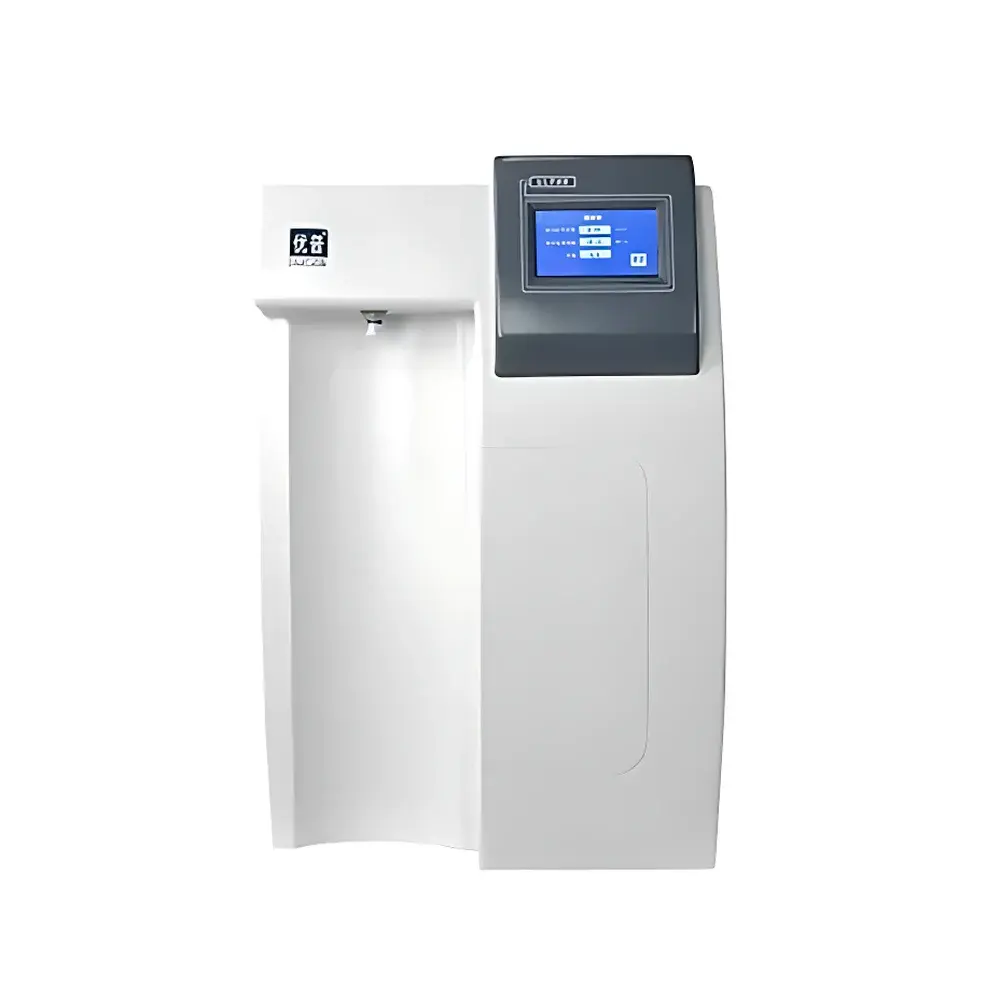
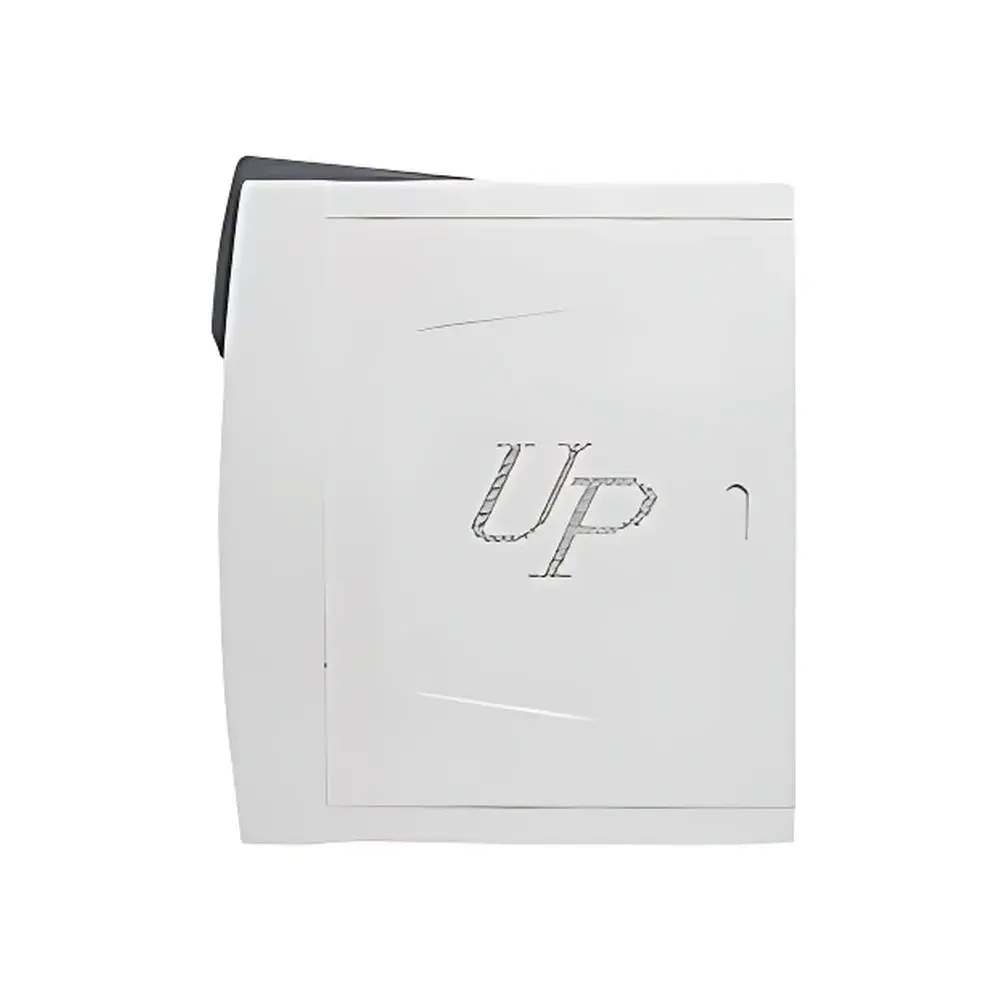
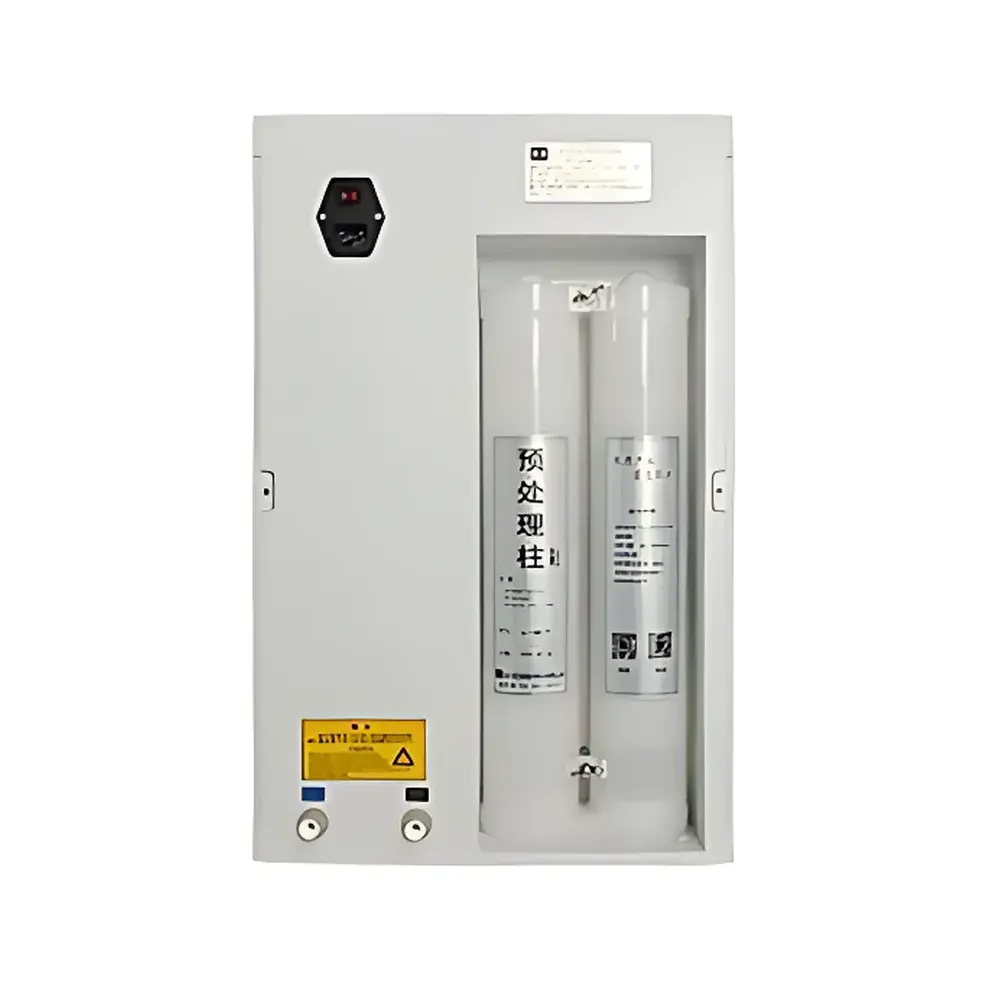
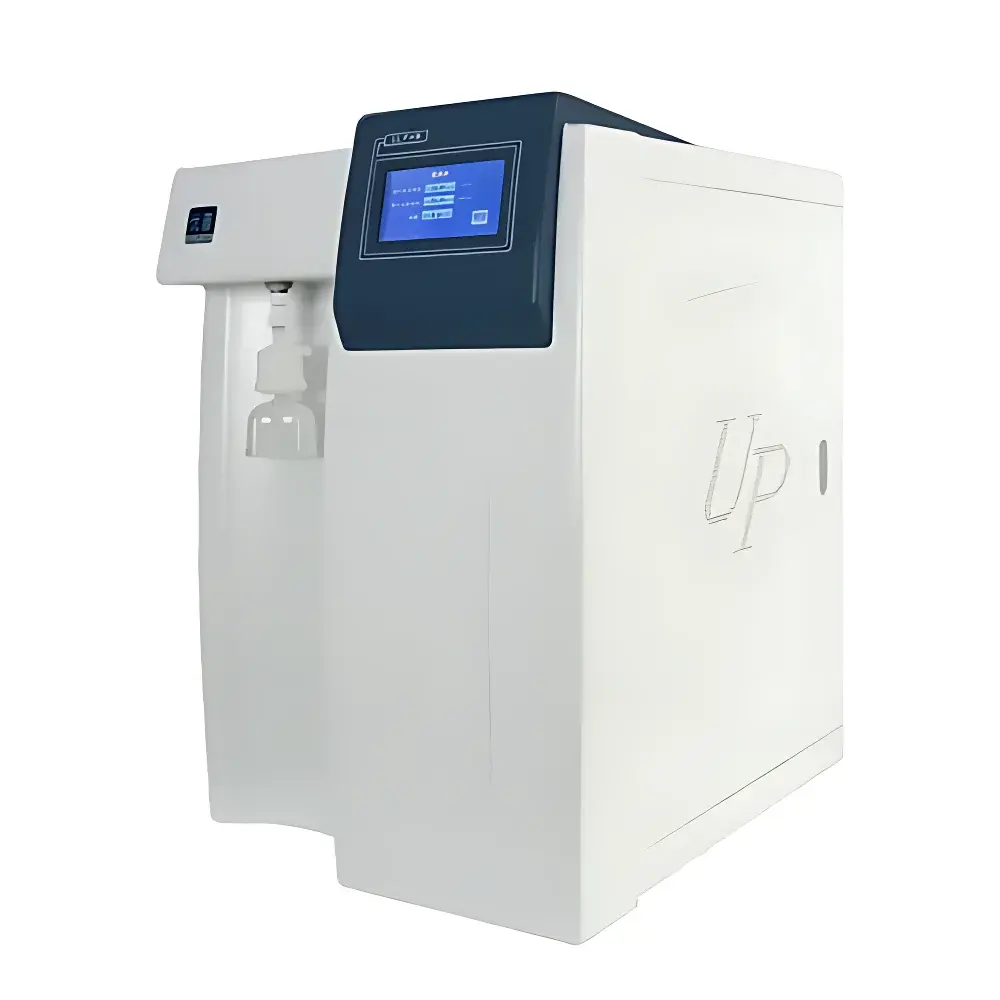
ULUPURE ULPHW Ultra-Low TOC Ultra-Pure Water System
| Brand | ULUPURE |
|---|---|
| Origin | Sichuan, China |
| Manufacturer Type | Direct Manufacturer |
| Product Category | Domestic |
| Model | ULPHW |
| Pricing | Upon Request |
| Purified Water Grade | Type I (ASTM D1193-20) |
| Resistivity | 18.2 MΩ·cm @ 25 °C |
| Total Organic Carbon (TOC) | ≤3 ppb |
| Microbial Count | ≤1 CFU/mL |
| Endotoxin | ≤0.001 EU/mL |
| Particles (>0.1 µm) | ≤1 particle/mL |
Overview
The ULUPURE ULPHW Ultra-Low TOC Ultra-Pure Water System is an engineered solution for laboratories requiring trace-level organic contamination control in ultrapure water. Designed specifically for molecular biology, biopharmaceutical development, and high-sensitivity analytical applications—including HPLC, LC-MS, ICP-MS, and PCR—this system employs a multi-stage purification architecture integrating dual-wavelength UV photooxidation (185/254 nm), ultrafiltration (UF) with 1,000 Da molecular weight cutoff, and terminal microfiltration (0.45 + 0.2 µm). Feed water must meet pharmacopeial specifications (e.g., USP Purified Water or equivalent), ensuring consistent performance and extended consumable service life. The system continuously monitors resistivity (18.2 MΩ·cm @ 25 °C), TOC (≤3 ppb), endotoxin (≤0.001 EU/mL), and particulate count (≤1 particle/mL >0.1 µm), conforming to ISO 3696:1995, ASTM D1193-20, GB/T 33087-2016, GB/T 11446.1-2013, USP , EP 2.2.42, CAP, and CLSI guidelines.
Key Features
- ABS engineering plastic enclosure—chemically resistant to acids, alkalis, and solvents for long-term lab stability
- 4.3-inch capacitive touchscreen interface with intuitive navigation and real-time parameter visualization
- Integrated dual-wavelength UV lamp (185 nm + 254 nm) for advanced TOC oxidation and microbial inactivation
- Ultrafiltration membrane (1,000 Da MWCO) for efficient endotoxin and RNase/DNase removal (RNase <0.5 pg/mL; DNase <5 pg/mL)
- Terminal dual-stage microfilter (0.45 µm + 0.2 µm) from certified international suppliers
- Automated system self-cleaning cycle to minimize biofilm formation and maintain reproducible water quality
- Intelligent water management: programmable quantitative dispensing, low-water alarm, consumable lifetime tracking, and automatic feedwater rejection if inlet quality falls below threshold
- Onboard data logging for flow volume, time-stamped events, and real-time water quality metrics—exportable via USB port
Sample Compatibility & Compliance
The ULPHW system delivers water compatible with sensitive biological assays and instrumental analyses where organic interference compromises detection limits or assay integrity. Its ≤3 ppb TOC output meets stringent requirements for trace organic analysis (e.g., GC-MS, TOC analyzers), monoclonal antibody manufacturing, and nucleic acid amplification workflows. Endotoxin levels comply with USP and EP 2.6.14, supporting sterile cell culture media preparation and in vitro diagnostics. All wetted materials are non-leaching and compliant with USP Class VI standards. The system supports GLP/GMP-aligned documentation practices through audit-trail-capable event logging and configurable user access controls.
Software & Data Management
The embedded firmware enables full operational transparency without external software dependency. Historical data—including daily/total water volume dispensed, timestamped quality events, and consumable usage duration—is stored onboard and retrievable via standard USB flash drive (FAT32 formatted). No proprietary drivers or cloud connectivity are required. Optional integration with third-party LIMS or ELN platforms is supported via RS232 or analog output signals (0–5 V DC) for resistivity and TOC (when equipped with optional online TOC monitor). Firmware updates are performed offline using signed binary files to ensure cybersecurity compliance per IEC 62443-3-3.
Applications
- Trace-level elemental analysis: ICP-AES, ICP-MS, GF-AAS, AAS
- High-resolution chromatography: HPLC, UHPLC, GC-MS, IC
- Molecular biology: PCR, qPCR, DNA sequencing, electrophoresis, gel imaging, CRISPR-based workflows
- Cell culture and bioprocessing: mammalian cell line maintenance, hybridoma culture, monoclonal antibody production
- Clinical and regulatory testing: USP water validation, CAP-accredited lab protocols, FDA 21 CFR Part 11-compliant environments (with optional audit trail module)
- Environmental and pharmaceutical QC: TOC analysis, dissolution testing, excipient purity verification
FAQ
What feed water quality is required for optimal ULPHW performance?
Feed water must meet USP Purified Water or equivalent specifications (TOC ≤50 ppb, conductivity ≤1.3 µS/cm). Use of ULUPURE’s UPR-I pre-purification system is strongly recommended to ensure consistent inlet quality and maximize consumable lifespan.
Is the ULPHW system suitable for GMP-regulated environments?
Yes—when configured with optional audit-trail logging, electronic signatures, and 21 CFR Part 11–compliant data export, the ULPHW supports GMP documentation requirements for water system qualification (IQ/OQ/PQ) and routine monitoring.
Can the system be integrated into a centralized laboratory water network?
The ULPHW is designed as a point-of-use system. For centralized distribution, it may serve as a polishing unit downstream of a primary RO/EDI loop—but requires dedicated recirculation loop design and periodic validation per ISO 20957.
How often do consumables need replacement?
Service intervals depend on feed water quality and daily usage volume. Under typical conditions (10–15 L/day, TOC-in <20 ppb), UV lamps require annual replacement; UF membranes last 12–18 months; terminal filters are replaced every 6–12 months or after 1,500 L of dispensed water.
Does the system include validation documentation support?
Yes—ULUPURE provides factory test reports, material certifications (USP Class VI, FDA 21 CFR 177), and customizable IQ/OQ protocol templates aligned with ISO 9001 and ISO/IEC 17025 requirements.



