
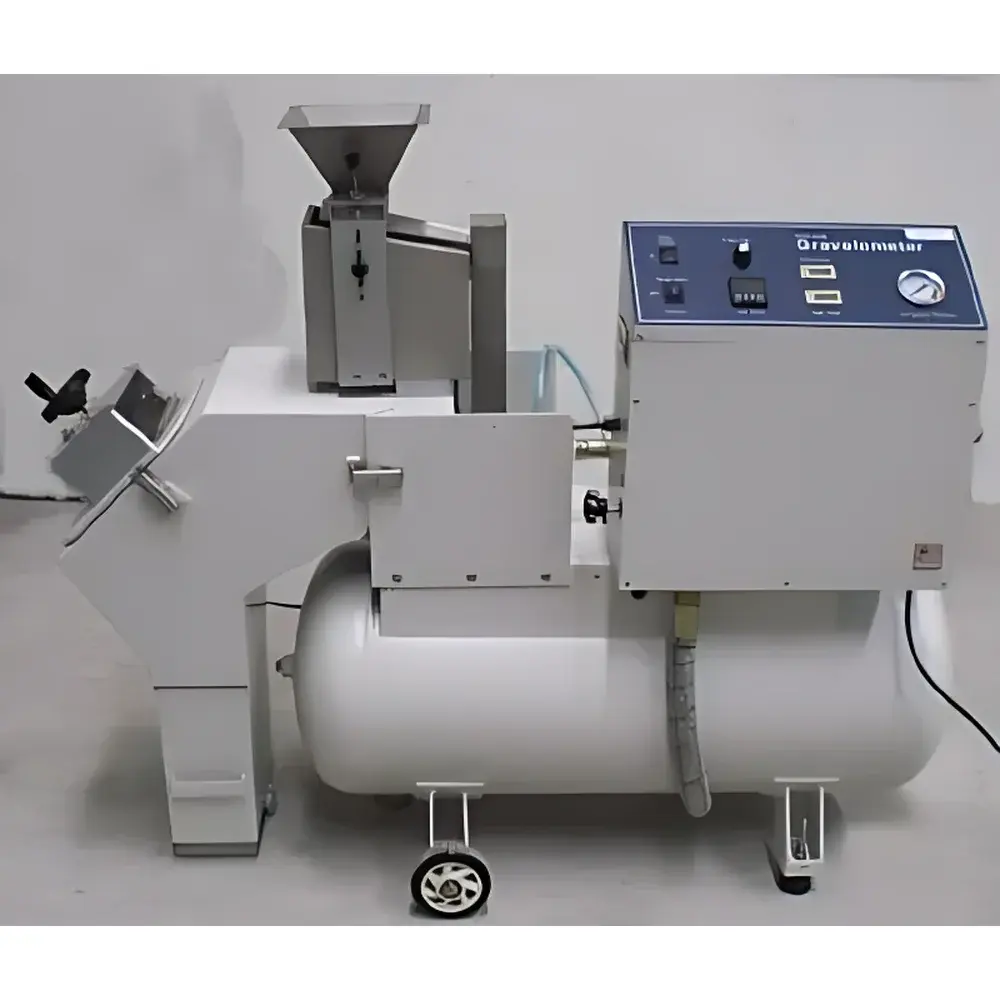

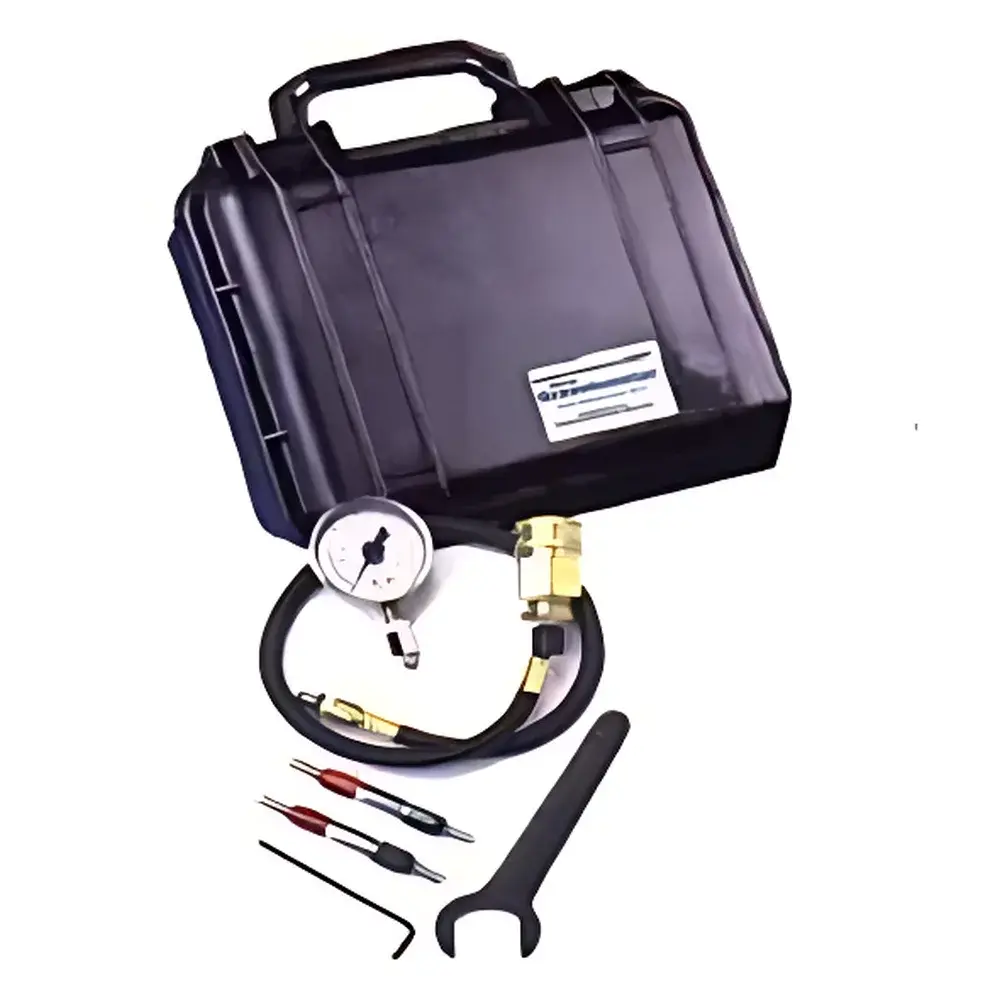

Unkel MTG Gravelometer for Stone Chip Resistance Testing
| Brand | Unkel (H.J. Unkel) |
|---|---|
| Origin | Shanghai, China |
| Manufacturer Type | Authorized Distributor |
| Instrument Category | Domestic |
| Model | MTG |
| Instrument Type | Gravel Impact Tester |
| Compliance | SAE J400, ASTM D3170, VDA 233-202, GMW 14872, Ford CETP 00.00-L-467, Chrysler PF-55, VW TL 226, Toyota TSL 0701G, Nissan NES M0130, Mazda MES PV1219 |
| Air Supply | 80 psi, 100 CFM (SAE) |
| Air Reservoir Volume | 30 gallons |
| Nozzle Bore Diameter | 52.6 mm (SAE J400), 290 mm (VDA) |
| Sample Holder Dimensions | 101.6 × 152.4 mm (4×6 in), 101.6 × 203.2 mm (4×8 in), 101.6 × 304.8 mm (4×12 in) |
| Max Sample Thickness | 11.11 mm (7/16 in) |
| Max Sample Width | 104.8 mm (4.125 in) |
| Operating Temperature | −30 °C to +40 °C |
| Relative Humidity | 80% at 31 °C, linearly decreasing to 50% at 40 °C |
| EMC Immunity | EN 50082-2 (1995) |
| EMC Emission | EN 55011 Class A (1997) |
| Sound Pressure Level | ~130 dBA |
| Altitude Rating | Up to 2000 m |
| Pollution Degree | 2 |
| Safety | Interlocked power cutoff, pressure relief valve, built-in level indicator, adjustable leveling feet |
Overview
The Unkel MTG Gravelometer is an engineered test system designed to evaluate the stone chip resistance of automotive surface coatings, substrates, and composite materials under controlled, repeatable impact conditions. It operates on the principle of pneumatic propulsion: calibrated gravel particles are accelerated through a precision-machined nozzle using compressed air, then directed at a conditioned test specimen at defined angles (typically 45° or 90°) and velocities. This simulates real-world road debris impact encountered during vehicle operation—enabling quantifiable assessment of coating adhesion failure, interlayer delamination, substrate cracking, and edge chipping. The MTG is not a generic impact tester; it is purpose-built to replicate standardized gravel bombardment protocols specified by global OEMs and standards bodies—including SAE, ASTM, VDA, and major Tier 1 suppliers. Its modular architecture allows full compliance with multiple test methods without hardware reconfiguration beyond component swapping—ensuring metrological traceability and method fidelity across R&D, QC, and supplier validation workflows.
Key Features
- Modular, standards-aligned configuration: Interchangeable SAE- and VDA-compliant nozzles, impact chambers (SAE 45°, SAE 90°, VDA 54°, VDA 90°), and sample holders enable rapid adaptation to diverse test specifications—installation completed in under 3 minutes.
- Precision pneumatic control system: Integrated air reservoir (30-gallon capacity) maintains stable pressure and flow delivery; digital pressure regulation ensures consistent gravel velocity across test runs, directly influencing impact energy reproducibility.
- Dual-angle sample mounting: Flat specimen holder supports 45° or 90° orientation; accommodates specimens up to 104.8 mm wide and 11.11 mm thick, including multi-layer coated steel, aluminum, thermoplastics, and composites.
- 3D test chamber option: Enclosed 3D impact box enables testing of non-planar components—such as wheel covers, bumpers, fender liners, and suspension bushings—while maintaining directional consistency and containment integrity.
- Integrated safety architecture: Electromechanical interlocks cut power when impact chamber or sample holder is open; pressure relief valve limits reservoir overpressure; acoustic enclosure reduces operational noise to <130 dBA.
- Operational traceability: Digital test counter logs cumulative impacts; calibrated pressure transducer monitors nozzle inlet pressure; built-in spirit level and adjustable leveling feet ensure geometric alignment per ISO/IEC 17025 installation requirements.
Sample Compatibility & Compliance
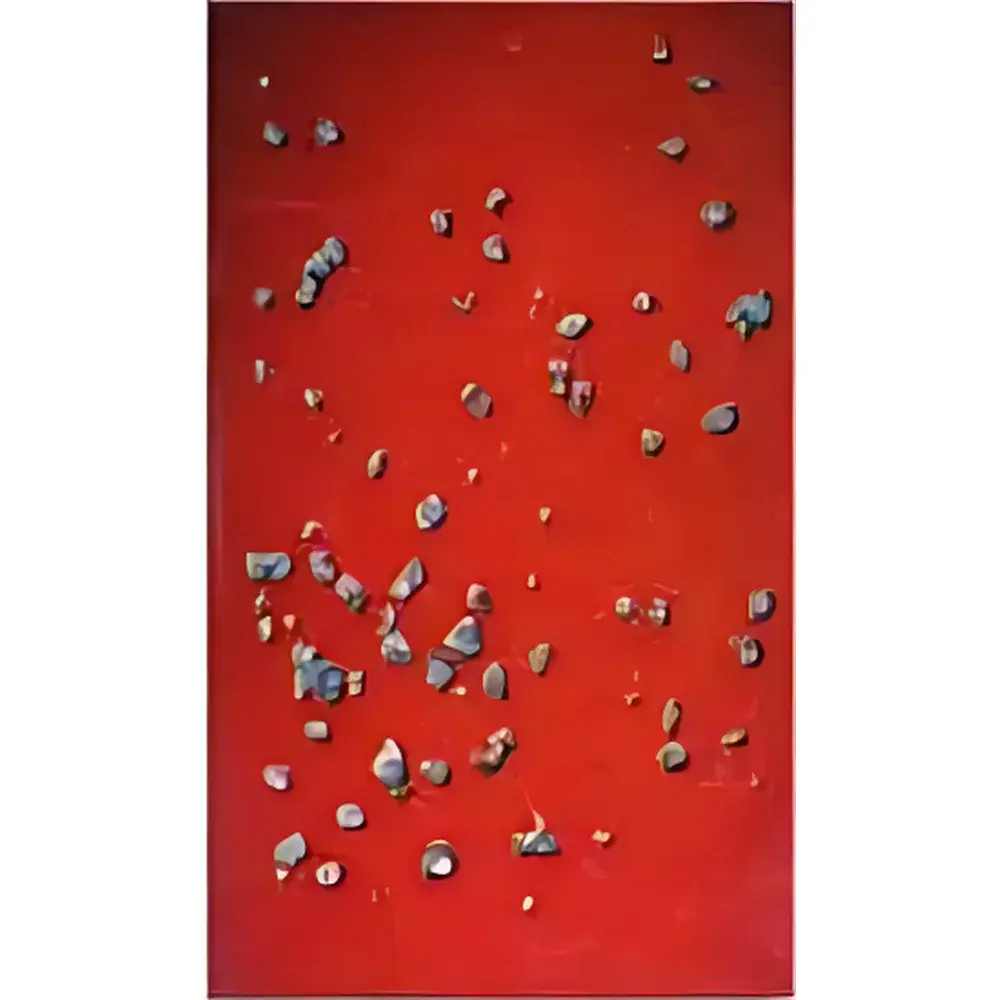
The MTG accommodates rigid and semi-rigid substrates used in automotive exterior systems—including cold-rolled steel, galvanized steel, aluminum alloys, polypropylene (PP), acrylonitrile butadiene styrene (ABS), polycarbonate (PC), and glass-reinforced composites. Coating systems tested include cathodic electrodeposition (e-coat), primer surfacers, basecoats (solvent- and water-borne), clearcoats, and functional topcoats (e.g., scratch-resistant, UV-stabilized). All configurations comply with internationally recognized test standards: SAE J400 (gravelometer procedure), ASTM D3170 (standard test method for chipping resistance of coatings), VDA 233-202 (stone chip resistance of paint systems), GMW 14872 (coating chip resistance), Ford CETP 00.00-L-467, VW TL 226, and Toyota TSL 0701G. Each test method defines specific gravel size distribution (e.g., SAE uses 6–10 mesh granite), air pressure, exposure duration, and evaluation criteria (e.g., ASTM D3170 specifies rating scale from 0–10 based on chip density and depth).
Software & Data Management
While the MTG operates as a hardware-controlled instrument without embedded software, its design supports integration into GLP/GMP-compliant laboratory information management systems (LIMS) and electronic lab notebooks (ELN). Critical parameters—including test count, nozzle pressure, ambient temperature/humidity, and operator ID—are manually recorded or logged via external data acquisition units. The system meets foundational requirements for audit readiness: mechanical interlocks provide physical evidence of procedural adherence; pressure transducer outputs can be connected to calibrated analog-to-digital converters; and all replaceable components (nozzles, chambers, holders) are serialized for calibration tracking. For laboratories operating under FDA 21 CFR Part 11 or ISO 9001:2015, documentation templates—including equipment qualification (IQ/OQ/PQ), calibration records, and test report forms—are available upon request and align with ASTM E2500 and ICH Q5C guidance.
Applications
The MTG serves critical functions across the automotive supply chain: formulation development labs use it to rank resin-hardener combinations and pigment dispersion stability; coating applicators validate film thickness vs. chip resistance trade-offs; Tier 1 suppliers perform incoming material verification per OEM-specific PPAP requirements; and end-of-line quality assurance teams conduct periodic surveillance testing. Beyond automotive, the instrument supports aerospace primer evaluation (per ASTM D3170 variants), wind turbine blade coating durability studies, and protective coating validation for heavy-duty machinery. Its ability to isolate failure modes—e.g., cohesive failure within clearcoat versus adhesive failure at e-coat/substrate interface—makes it indispensable for root-cause analysis of field warranty claims related to stone-induced corrosion initiation.
FAQ
What gravel specifications are required for SAE J400 testing?
SAE J400 mandates crushed granite, 6–10 mesh (2.0–3.35 mm), with angularity index ≥70%, moisture content <0.5%, and hardness ≥6 on Mohs scale. Gravel must be sieved and dried before each test series.
Can the MTG be used for non-automotive applications?
Yes—its modular impact geometry and pressure control support customized protocols for railcar coatings, agricultural equipment finishes, and marine anti-fouling systems, provided gravel size, velocity, and angle are adapted accordingly.
Is calibration traceable to national standards?
Pressure transducers are calibrated against NIST-traceable deadweight testers; nozzle bore diameters are verified using certified optical comparators; air flow rates are validated with primary-standard thermal mass flow meters.
What maintenance intervals are recommended?
Daily: Visual inspection of nozzle wear, gravel contamination check, air filter cleaning. Quarterly: Pressure transducer recalibration, interlock function verification, leveling verification. Annually: Full pneumatic system leak test and reservoir internal inspection.
Does the MTG meet ISO/IEC 17025 requirements for accredited testing?
Yes—when operated within documented procedures, maintained per manufacturer guidelines, and supported by metrologically valid calibration records, the MTG satisfies clause 6.4 (Equipment) and 6.5 (Measurement Traceability) of ISO/IEC 17025:2017.



