
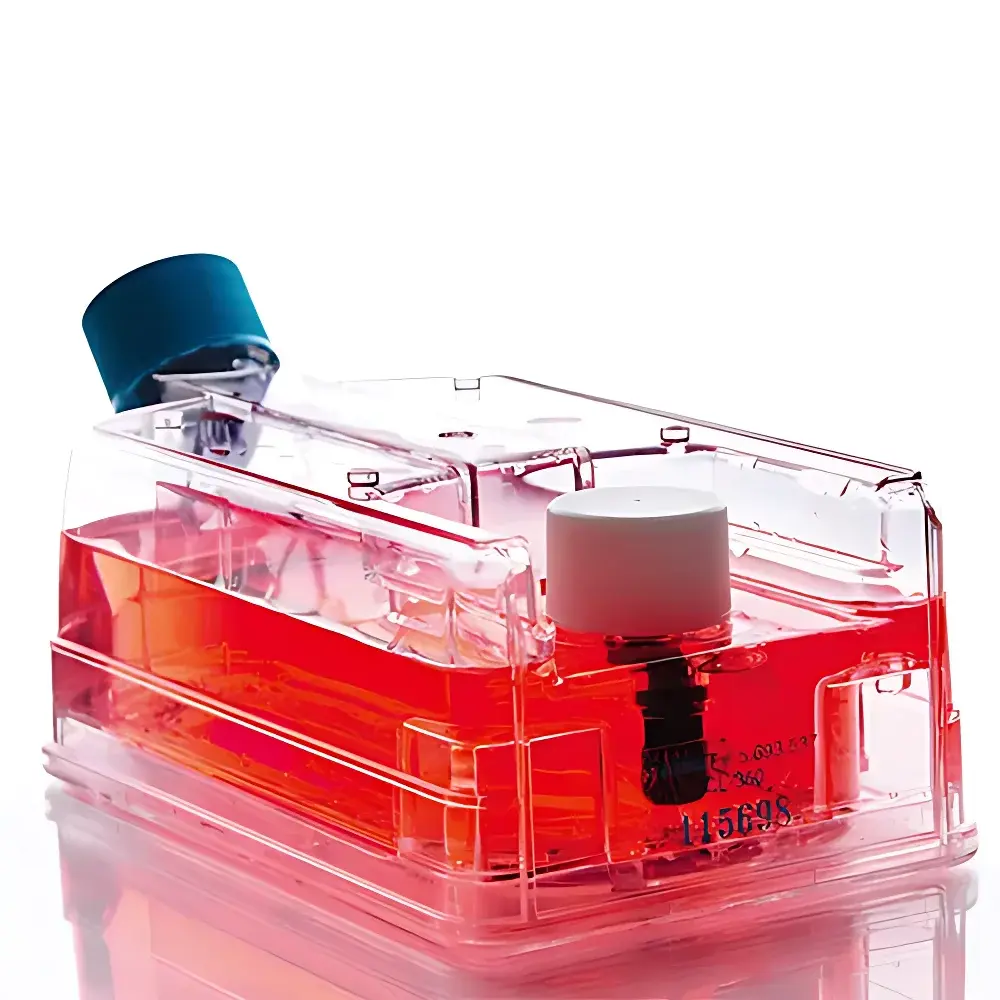
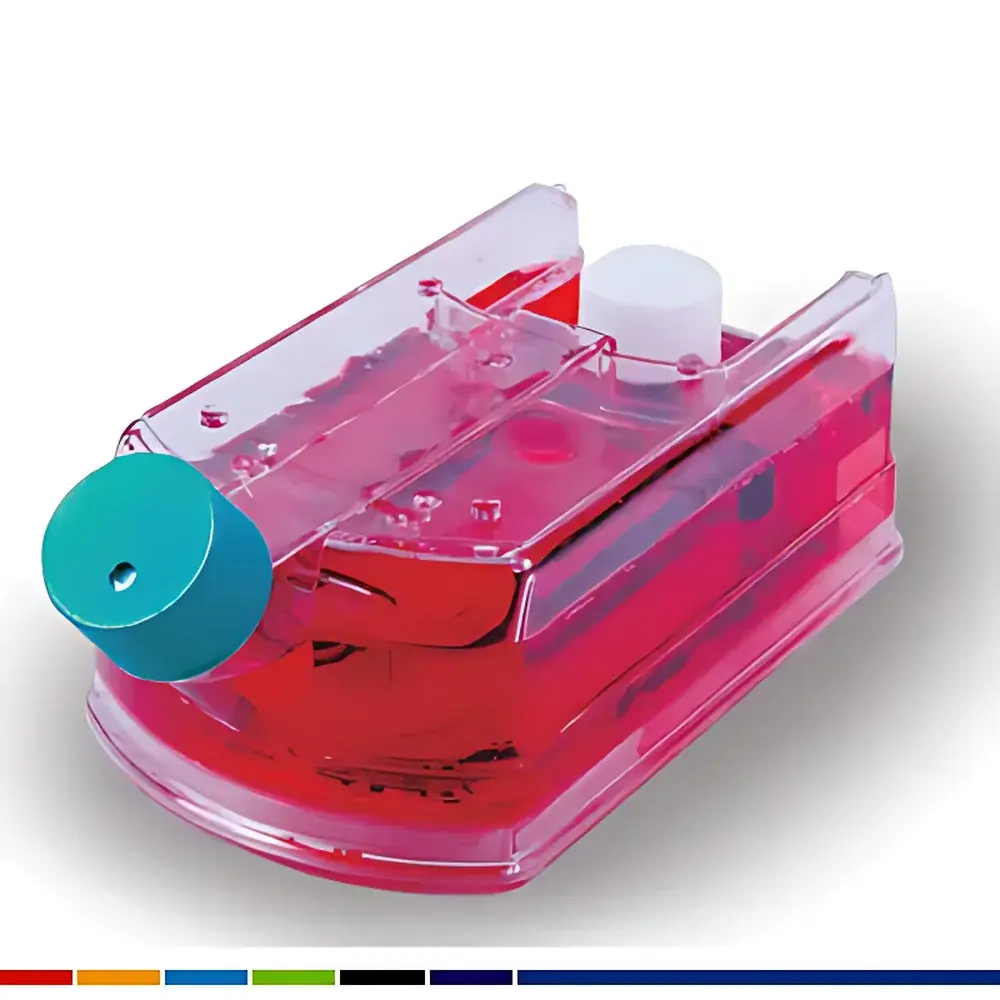
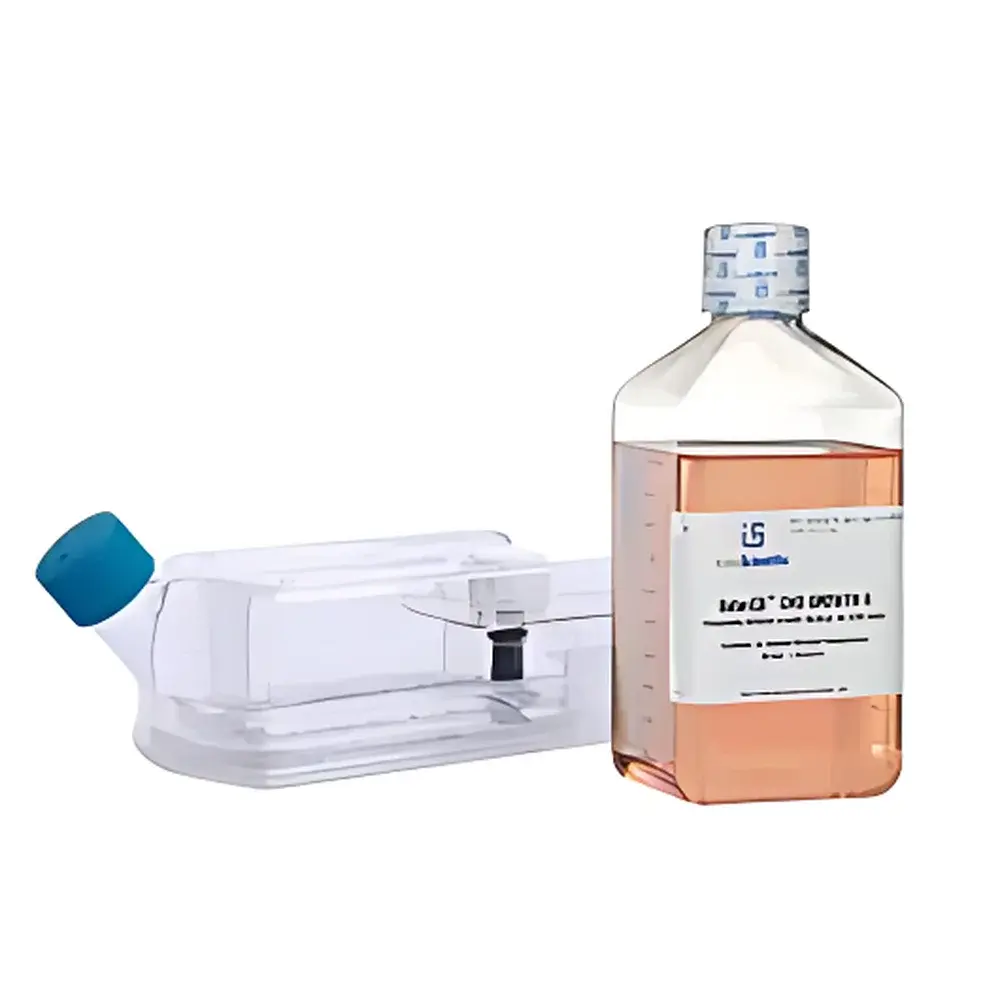
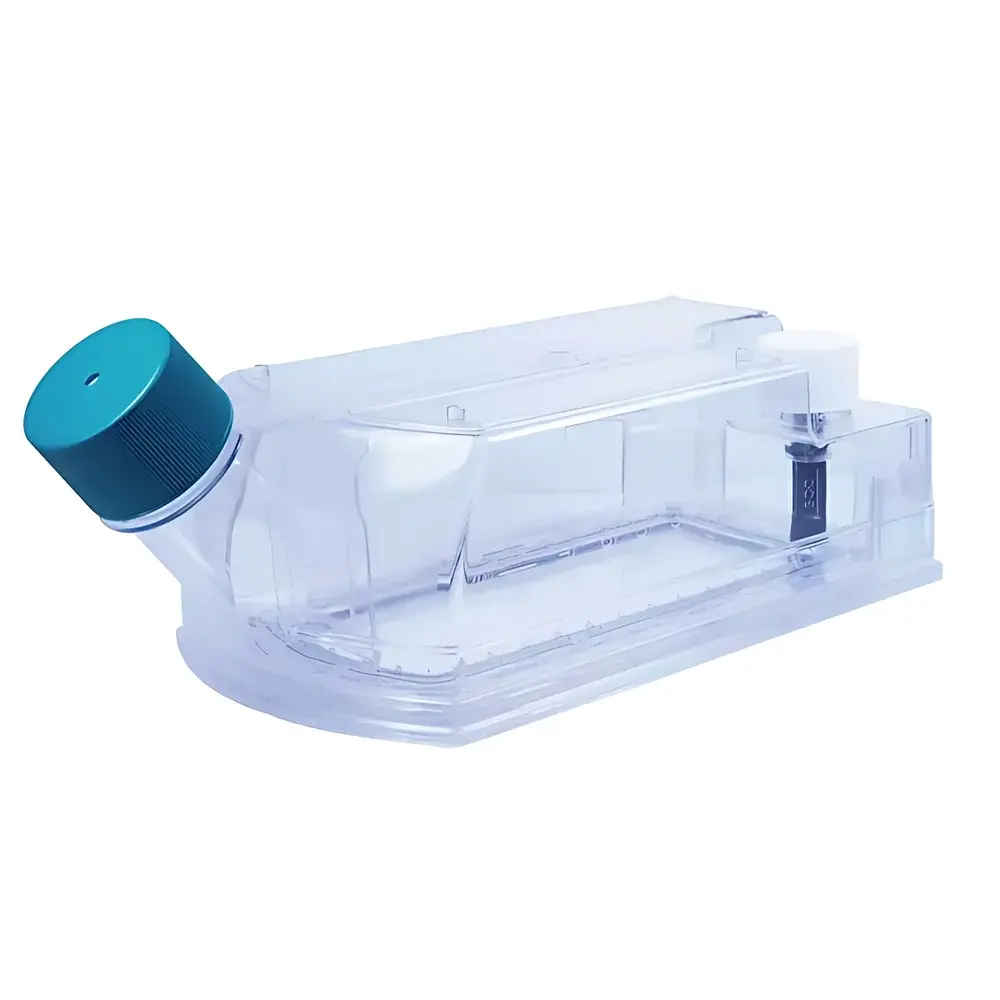
WHEATON CELLine Advanced High-Density Cell Culture Bioreactor
| Brand | Wheaton |
|---|---|
| Origin | USA |
| Model | CELLine 350 / CELLine 1000 |
| Temperature Control | 37 °C |
| Culture Volume (Cell Chamber) | 5 mL – 15 mL |
| Chamber Configuration | Dual-compartment (cell chamber + medium reservoir) |
| Membrane MWCO | <10 kDa |
| Gas Exchange | Bottom gas-permeable silicone membrane |
| Sterilization | Pre-sterilized, single-use, non-reusable |
| Material | Medical-grade polycarbonate and silicone elastomer |
| Compatibility | Suspension & adherent mammalian cell lines (e.g., CHO, hybridoma, HEK293) |
Overview
The WHEATON CELLine Advanced High-Density Cell Culture Bioreactor is an engineered dual-chamber perfusion system designed for scalable, serum-free, or low-serum suspension and adherent mammalian cell culture. Unlike conventional static flasks or roller bottles, the CELLine operates on a physiologically inspired two-compartment architecture—separating the cell growth zone from the nutrient reservoir via semi-permeable membranes. This design enables continuous, passive exchange of nutrients (e.g., glucose, amino acids, growth factors) and metabolic waste (e.g., lactate, ammonium) while retaining secreted high-molecular-weight bioproducts—including monoclonal antibodies, recombinant proteins, and viral vectors—within the cell chamber. By decoupling cell retention from medium renewal, the CELLine eliminates the need for frequent centrifugation, feeding cycles, or complex bioreactor infrastructure, making it ideal for labs transitioning from bench-scale T-flasks to preclinical production without investing in stirred-tank or hollow-fiber systems.
Key Features
- Dual-compartment geometry: A top cell chamber (5–15 mL working volume) and bottom medium reservoir (350–1000 mL), integrated into a single, compact, sterile unit.
- Asymmetric membrane system: Upper dialysis membrane (MWCO <10 kDa) permits bidirectional diffusion of nutrients and low-MW metabolites; lower gas-permeable silicone membrane ensures efficient O2/CO2 exchange—eliminating hypoxia-induced apoptosis in high-density cultures.
- High-density cultivation: Supports viable cell densities of 1 × 10⁷–1 × 10⁸ cells/mL—two orders of magnitude higher than standard static culture—without agitation or sparging.
- Product retention & concentration: Secreted therapeutic proteins remain confined in the cell chamber, achieving titers of 1–5 mg/mL—up to 100× higher than T-flask yields—reducing downstream purification burden.
- Flexible format: Available in suspension (CELLine 350/1000) and adherent (CELLine AD) configurations; compatible with standard CO2 incubators and routine handling protocols.
- Ready-to-use, single-use design: Pre-sterilized via gamma irradiation; no autoclaving, validation, or cleaning required—ensuring batch-to-batch consistency and minimizing contamination risk.
Sample Compatibility & Compliance
The CELLine system has been validated for use with common therapeutic cell lines including CHO-K1, CHO-S, SP2/0, NS0, and HEK293 under both serum-containing and chemically defined media conditions. It supports transient transfection, stable pool expansion, and long-term maintenance (>3 weeks) with periodic medium replenishment. The device complies with ISO 10993-5 (cytotoxicity), USP (biological reactivity), and EU Annex 1 requirements for single-use systems used in early-stage bioprocess development. While not certified for GMP manufacturing, its design facilitates adherence to GLP principles—including traceable lot documentation, controlled storage conditions, and compatibility with 21 CFR Part 11–enabled data logging when paired with external monitoring platforms.
Software & Data Management
The CELLine is a hardware-only platform requiring no embedded electronics or proprietary software. All operational parameters—including inoculation density, medium exchange timing, harvest intervals, and viability assessments—are recorded manually or integrated into existing LIMS or ELN systems (e.g., LabArchives, Benchling). Users may employ standard analytical workflows (e.g., Vi-CELL XR, Cedex Bio HT, Octet) to quantify cell counts, viability, metabolites, and product titer. For process documentation, Wheaton provides comprehensive SOP templates aligned with ICH Q5D and ASTM E2500-07 guidelines for equipment qualification in life science applications.
Applications
- Preclinical mAb and recombinant protein production for functional assays and animal studies.
- Stable cell line development: rapid screening of clones under perfusion-like conditions prior to bioreactor scale-up.
- Virus production (e.g., AAV, lentivirus) where high MOI and prolonged producer cell viability are critical.
- Toxicity and pharmacokinetic studies requiring consistent, high-titer analyte supply over extended durations.
- Teaching laboratories: demonstration of mass transfer limitations, membrane-based perfusion, and physiological mimicry in cell culture engineering.
FAQ
Can the CELLine be used for adherent cell culture?
Yes—the CELLine AD variant includes a collagen-coated or extracellular matrix–treated surface optimized for attachment-dependent lines such as Vero, MRC-5, or primary fibroblasts.
Is the system compatible with fed-batch or perfusion media strategies?
It is inherently a passive perfusion system; however, users may implement scheduled medium replacement (every 2–5 days) or continuous medium drip using peristaltic pumps interfaced with the reservoir port.
What is the maximum recommended culture duration?
Under optimal conditions (37 °C, 5% CO2, pH 7.0–7.4), viable cultures have been maintained for up to 28 days with periodic medium exchange and harvest.
Does the CELLine require special incubator modifications?
No—it fits standard humidified CO2 incubators and requires only routine calibration of temperature and gas sensors.
How is sterility assurance maintained during harvesting?
Harvesting is performed aseptically via the dedicated sampling port using sterile syringes or tubing; all ports are sealed with medical-grade silicone septa rated for multiple punctures.



