
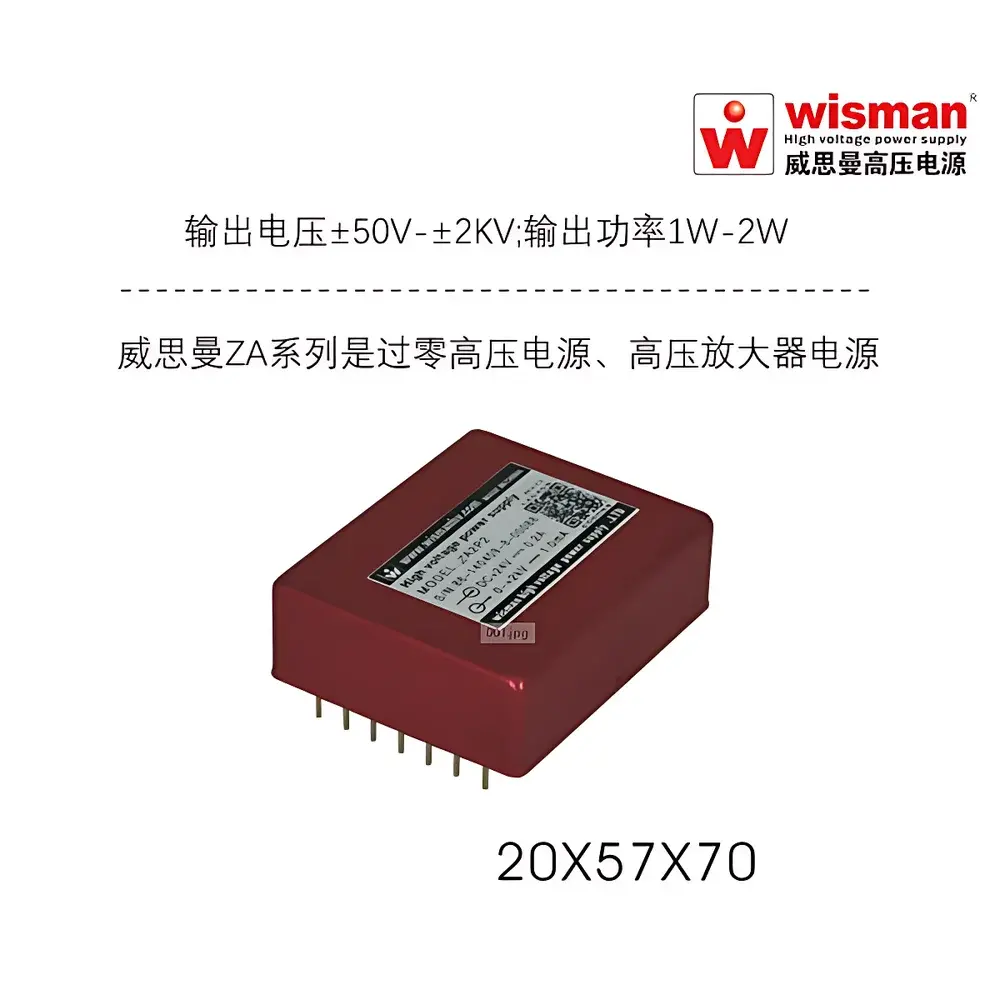
Wiseman ZA Series Zero-Crossing High-Voltage Power Supply Module ±2 kV / 2 W
| Brand | Wiseman |
|---|---|
| Origin | Shaanxi, China |
| Model | ZA |
| Output Voltage Range | ±50 V to ±2 kV |
| Output Power | 2 W |
| Ripple | 5 mV (typ.) |
| Stability | 0.001 %/hr |
| Temperature Coefficient | <10 ppm/°C |
| Voltage Regulation | 0.001 % (line), 0.001 % (load) |
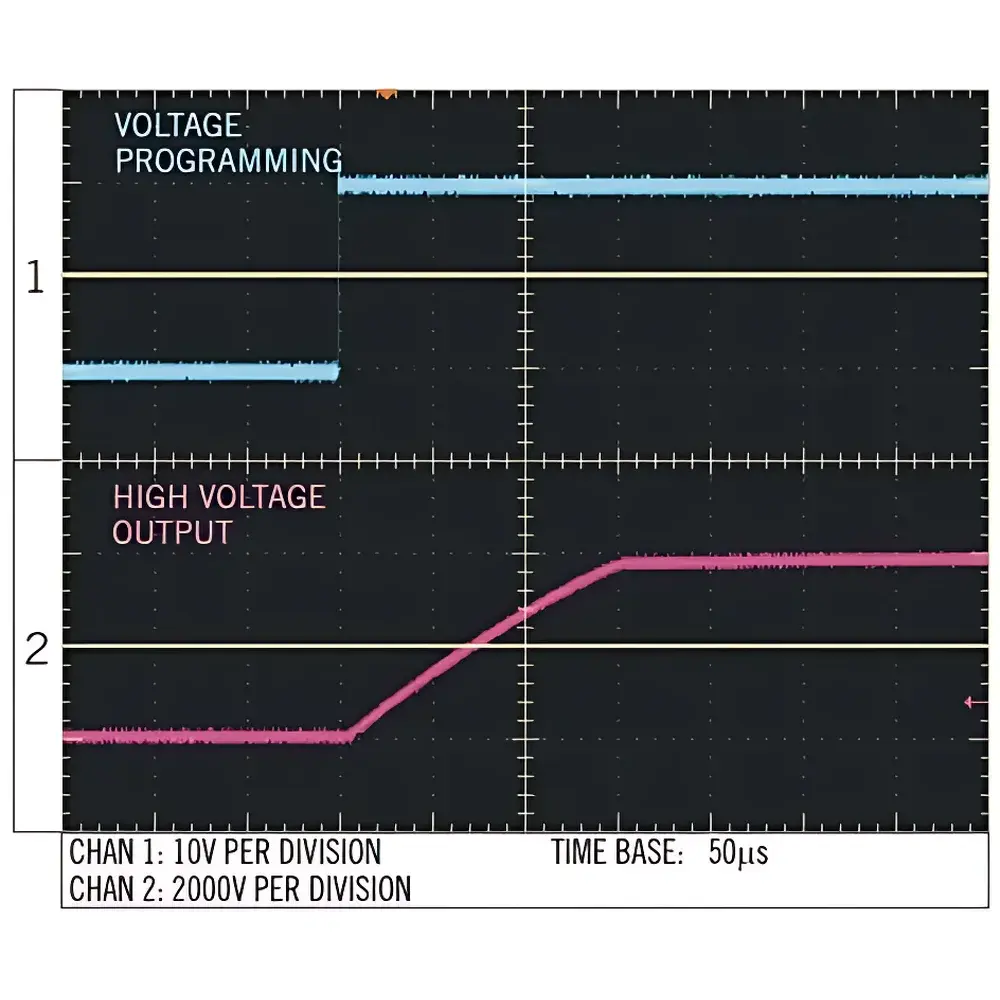
| Rise/Fall Time | <10 µs (typ.) |
| Protection | Short-Circuit & Arc-Discharge |
| Input | 24 VDC ±1 V, 450 mA (typ.) |
| Dimensions | 70 mm × 57 mm × 22 mm |
| Operating Temp. | 0–45 °C |
| Storage Temp. | −40–+85 °C |
| Humidity | 20–95 % RH (non-condensing) |
| Weight | 120 g (typ.) |
| Compliance | CE-marked for industrial lab use |
| Application | Dedicated power supply for mass spectrometer ion optics (lenses, dynodes, ionization sources), electrophoresis, electrostatic focusing/deflection, and bipolar HV amplification |
Overview
The Wiseman ZA Series is a precision-engineered zero-crossing high-voltage (HV) power supply module designed specifically for demanding analytical instrumentation applications—most notably mass spectrometry (MS). Unlike conventional HV supplies, the ZA series integrates true bipolar voltage reversal with sub-millisecond dynamic response, enabling seamless polarity transition across 0 V without interruption or overshoot. This zero-crossing capability is essential for time-resolved ion optics control in quadrupole and time-of-flight (TOF) mass analyzers, where rapid, distortion-free voltage slewing directly impacts mass resolution, duty cycle efficiency, and signal-to-noise ratio. Built upon a regulated switching architecture with active feedback stabilization, the ZA module delivers ultra-low output ripple (≤5 mVpp) and exceptional long-term stability (0.001 %/hr), meeting stringent requirements for DC biasing of electrostatic lenses, electron multipliers, and ion source electrodes. Its compact 70 × 57 × 22 mm form factor and 24 VDC input compatibility simplify integration into OEM instrument chassis and modular lab systems.
Key Features
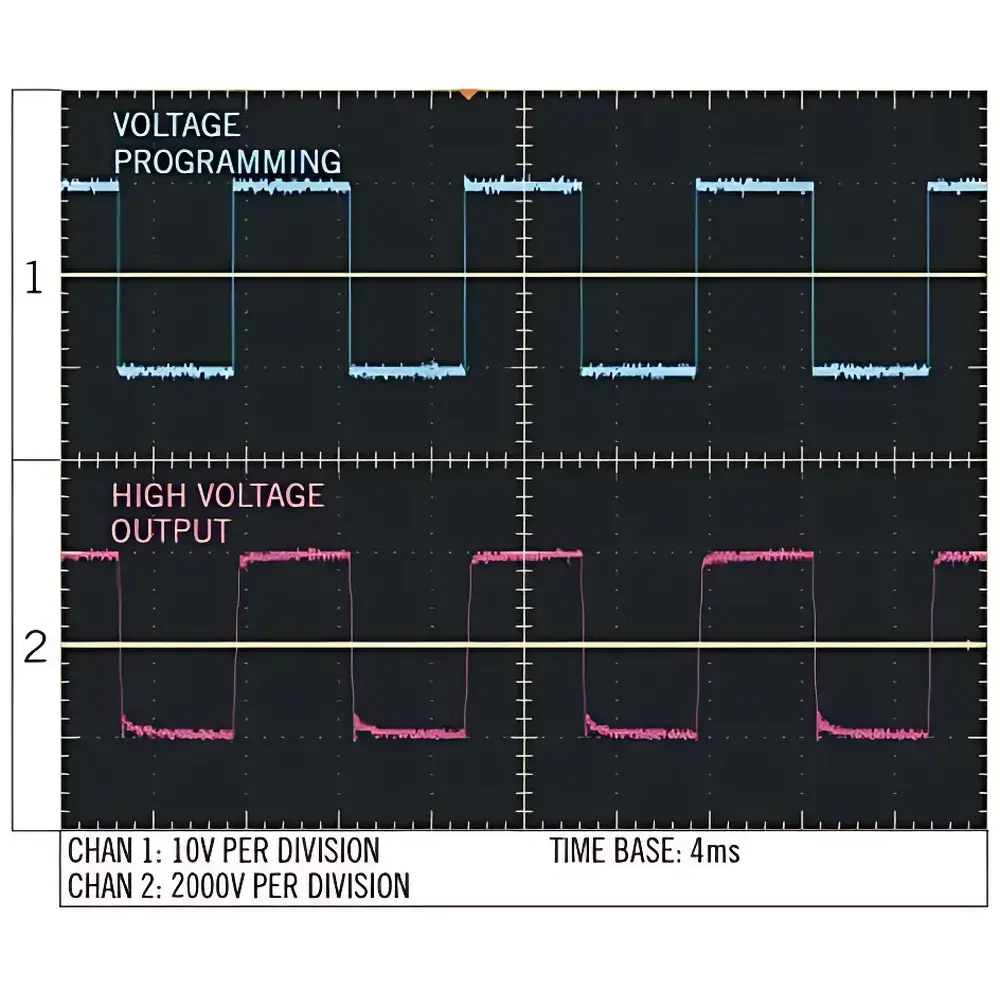
- True zero-crossing bipolar output: Continuous, glitch-free reversal from +2 kV to −2 kV with <10 µs rise/fall times
- High-precision DC stability: 0.001 % short-term stability and <10 ppm/°C temperature coefficient
- Ultra-low noise performance: ≤5 mVpp output ripple under full load, critical for low-current ion detection
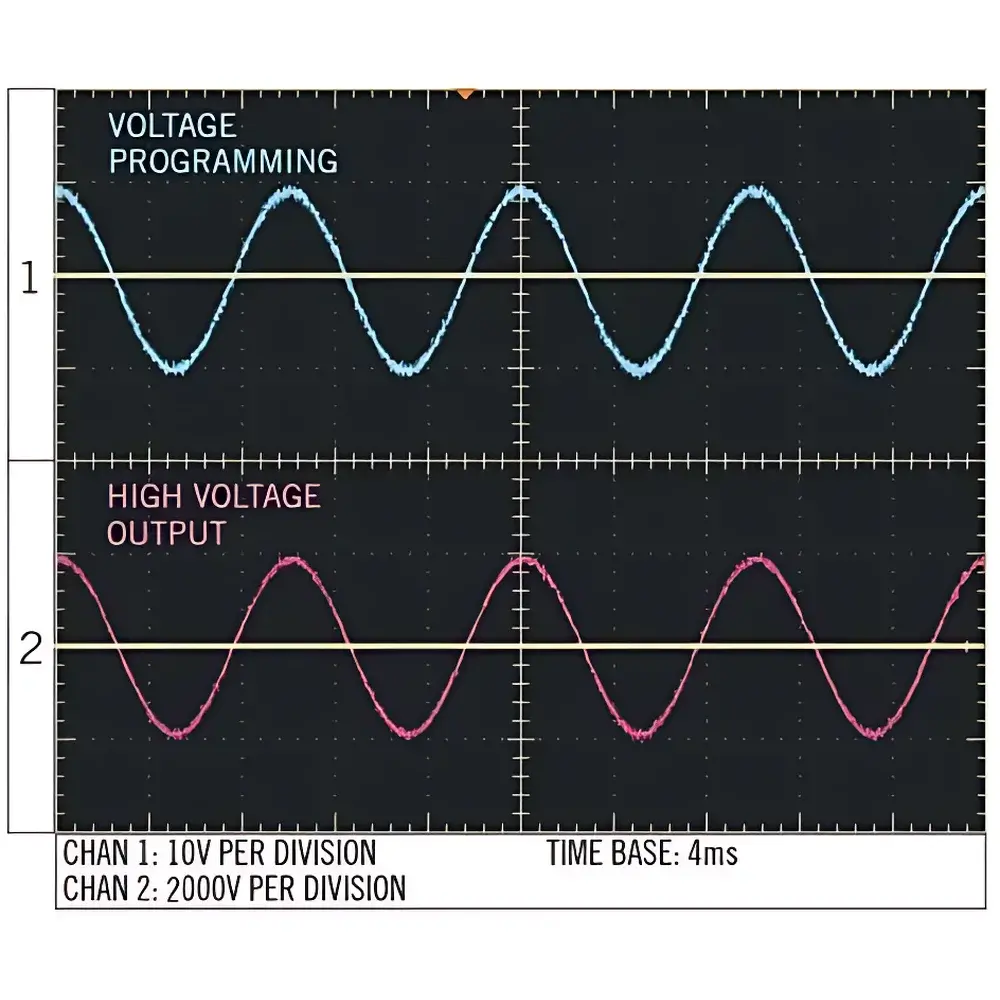
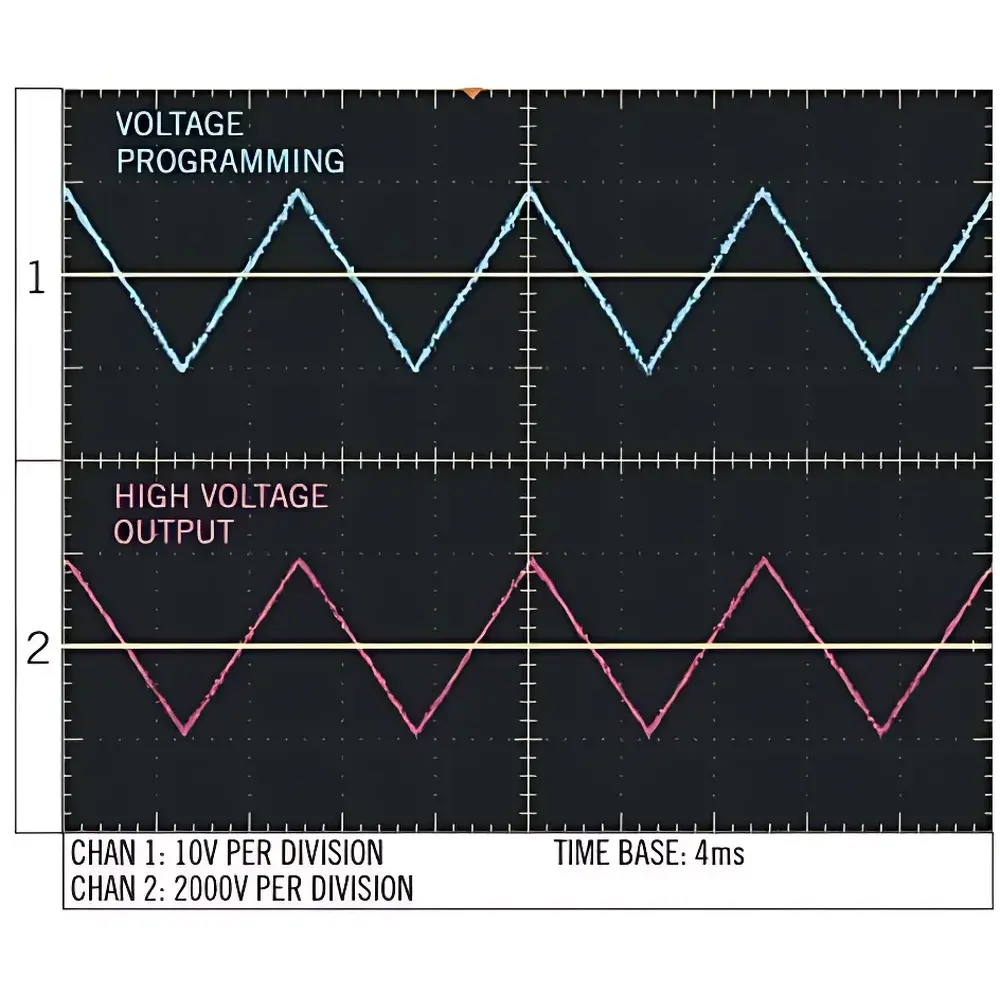
- Programmable analog control interface: Accepts arbitrary waveform inputs (0–5 V or 0–10 V) for use as a high-voltage amplifier
- Robust protection suite: Auto-recovering short-circuit protection and arc-suppression circuitry for high-impedance vacuum environments
- OEM-optimized design: Standard 24 VDC input, compact footprint, and customizable output voltage taps (±50 V to ±2 kV)
- Compliance-ready: CE-marked per EN 61326-1 (lab equipment EMC) and EN 61010-1 (safety); RoHS 3 and REACH compliant
Sample Compatibility & Compliance
The ZA module is engineered for integration into vacuum-compatible, high-impedance analytical subsystems. It supports direct biasing of mass spectrometer components including einzel lenses, einzel arrays, Faraday cups, microchannel plates (MCPs), and electrospray ionization (ESI) capillaries. Its low leakage current (<1 nA) and minimal capacitive coupling ensure minimal perturbation of picoampere-level ion currents. The unit meets IEC 61000-4 immunity standards for electrostatic discharge (ESD), fast transients (EFT), and radiated RF fields—critical for stable operation near RF-driven ion traps or microwave plasma sources. While not FDA 21 CFR Part 11 certified out-of-the-box, its analog control architecture supports traceable calibration logs when integrated with validated instrument software stacks compliant with GLP/GMP and ISO/IEC 17025 laboratory accreditation frameworks.
Software & Data Management
The ZA operates as an analog-controlled module and does not include embedded firmware or digital communication interfaces (e.g., USB, RS-232, or Ethernet). Integration is achieved via industry-standard 0–5 V or 0–10 V analog input signals, compatible with programmable logic controllers (PLCs), DAQ systems (e.g., National Instruments PXI), and custom LabVIEW or Python-based control suites. For traceability, users are advised to log control voltage inputs, ambient temperature, and operational duration in accordance with ISO 17025 Clause 7.7 (measurement uncertainty estimation). Optional external monitoring modules (e.g., HV sense resistors + precision ADCs) can be added to enable closed-loop feedback and audit-trail generation for regulated environments.
Applications
- Mass spectrometry: Lens biasing, ion deflection/focusing, detector dynode chains, and pulsed extraction grids
- Electrophoresis & capillary electrophoresis: High-field separation voltage control
- Electrostatic actuation: MEMS mirror positioning, e-chuck clamping, and piezoelectric driver staging
- Beam instrumentation: Electron/ion beam steering, Pockels cell modulation, and laser Q-switching
- Materials science: Electrospinning, electrophoretic deposition, and electrohydrodynamic (EHD) printing
- Imaging & diagnostics: Focused ion beam (FIB) column power, SEM/TEM gun biasing, and X-ray tube filament regulation
FAQ
Is the ZA module suitable for use inside vacuum chambers?
Yes—its hermetically sealed PCB layout, conformal coating option, and absence of outgassing plastics make it compatible with moderate vacuum environments (down to 10−5 Torr) when properly mounted with feedthrough-rated connectors.
Can multiple ZA modules be synchronized for phased output control?
No native synchronization feature exists; however, simultaneous triggering is achievable using externally shared analog reference clocks and matched-length signal paths to minimize inter-channel skew.
Does the ZA support remote sensing for load compensation?
No—remote sense terminals are not provided. For applications requiring load-induced voltage drop correction, users must implement external Kelvin-sense feedback loops at the system level.
What is the recommended method for thermal management in continuous 2 W operation?
Mounting on a thermally conductive chassis (aluminum ≥2 mm thick) with forced airflow ≥0.5 m/s is advised to maintain case temperature below 45 °C and preserve long-term stability specifications.
Are calibration certificates available for individual units?
Factory calibration reports (traceable to NIST standards) can be supplied upon request; full ISO/IEC 17025-accredited calibration requires third-party service due to module-level metrology constraints.



