
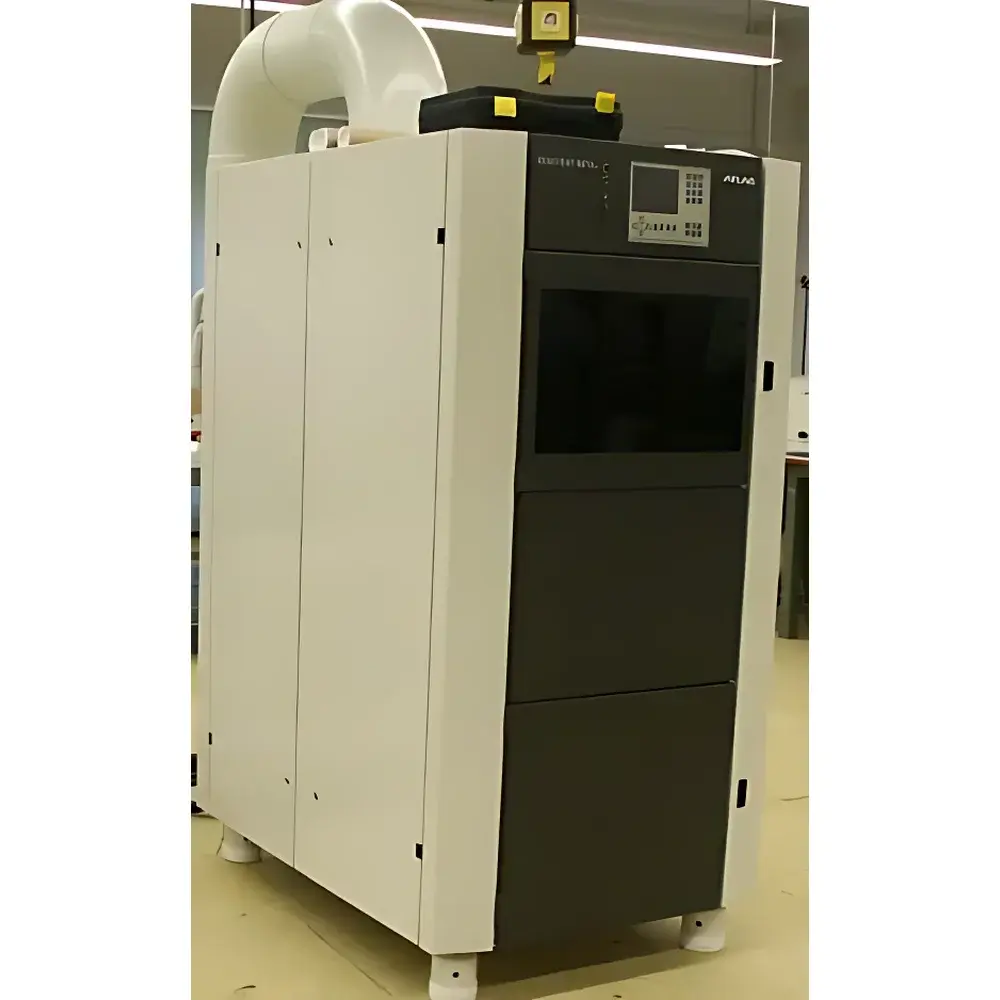
Xenon Arc Weathering Test Chamber BATA+ Series
| Origin | USA |
|---|---|
| Manufacturer Type | Authorized Distributor |
| Origin Category | Imported |
| Model | BATA+ |
| Pricing | Available Upon Request |
Overview
The BATA+ Series Xenon Arc Weathering Test Chamber is an engineered environmental simulation system designed to replicate the full-spectrum solar irradiance, temperature, and humidity conditions that materials encounter during real-world outdoor exposure. Utilizing a high-stability, long-life xenon arc lamp coupled with precision-engineered optical filters—such as borosilicate glass (Borosil), quartz (Quartz), or soda-lime glass (Soda-Lime)—the chamber delivers spectrally accurate irradiance profiles compliant with ISO 4892-2, ASTM G155, ASTM D7869, and AATCC TM16. Unlike UV fluorescent or metal halide sources, xenon arc technology reproduces the entire 290–800 nm solar spectrum, including critical UVA, UVB, visible, and near-infrared regions, enabling quantitative assessment of photodegradation, color fading, gloss loss, chalking, cracking, and embrittlement across diverse material classes.
Key Features
- High-stability xenon lamp (rated up to 2.75 kVA) with lifetime spectral irradiance consistency across lamp batches—ensuring inter-laboratory reproducibility and long-term test comparability.
- Modular filter system: interchangeable optical filters (e.g., Daylight-Q, Window-Glass, Extended UV) allow spectral tailoring to match end-use exposure environments—including automotive under-glass, architectural glazing, or direct sunlight applications.
- Advanced microprocessor-based controller with LCD interface: stores up to 10 multi-stage test programs (each supporting up to 12 distinct phases), enabling complex cyclic protocols combining irradiance, temperature, humidity, and water spray sequences.
- Dual temperature control modes: user-selectable Black Standard Thermometer (BST) or chamber air temperature regulation; BST temperature maintained via precise airflow modulation (not resistive heating alone), improving thermal response fidelity and reducing thermal lag artifacts.
- Automated termination logic: tests conclude based on user-defined criteria—cumulative radiant exposure (J/m²), elapsed time, or total irradiance duration—minimizing operator intervention and enhancing protocol compliance.
- Integrated self-calibration routine for irradiance sensor drift compensation and diagnostic status display for predictive maintenance and GLP-aligned operation.
- 16-position sample rack accommodating specimens up to 310 × 80 mm (exposed area: 295 × 70 mm); optional rotary sample holder available for uniform angular exposure distribution.
Sample Compatibility & Compliance
The BATA+ accommodates rigid, flexible, and textured substrates—including coated metals, polymer films, textiles, automotive interior trim, packaging laminates, inks, pigments, and food-grade containers. Its design supports standardized specimen mounting per ISO 11341, ASTM D2244, and ISO 105-B02. All operational parameters—including irradiance setpoints (typically 0.35–1.20 W/m² @ 340 nm), BST range (40–130 °C), chamber temperature (30–70 °C), and RH (10–95% RH, conditional on filter selection and ambient conditions)—are traceable to NIST-traceable calibration references. The system meets structural and electrical safety requirements per IEC 61000-6-3 (EMC) and IEC 61010-1 (safety), and its software architecture supports audit trails compatible with FDA 21 CFR Part 11 and GLP/GMP documentation workflows when integrated with validated LIMS platforms.
Software & Data Management
While the embedded controller provides local program execution and real-time parameter visualization, optional Ethernet-enabled data logging modules enable continuous acquisition of irradiance, BST, chamber temperature, RH, and spray cycle timing. Export formats include CSV and XML, facilitating post-test analysis in MATLAB, JMP, or industry-standard statistical packages. All logged events—including calibration timestamps, fault codes, and manual overrides—are time-stamped and stored with immutable metadata, satisfying regulatory data integrity expectations for quality assurance laboratories operating under ISO/IEC 17025 accreditation.
Applications
- Accelerated weathering validation of automotive exterior coatings and interior plastics per SAE J2527 and GMW14124.
- Colorfastness evaluation of textiles, leather, and printed packaging per AATCC TM16 and ISO 105-B02.
- Stability testing of food-contact packaging (transparent and semi-transparent bottles, cans, cartons) under simulated retail lighting and ambient storage conditions.
- Photostability assessment of organic pigments, UV absorbers, HALS stabilizers, and polymer additives per ISO 4892-2.
- Qualification of photovoltaic encapsulants, OLED barrier layers, and photochromic materials exposed to broadband solar stress.
FAQ
What spectral filters are standard with the BATA+ system?
The base configuration includes a Daylight-Q filter (quartz outer + borosilicate inner) for full-spectrum outdoor simulation. Optional filters include Window-Glass (for indoor/under-glass exposure) and Extended UV (for accelerated UV degradation studies).
Can the system operate continuously for extended test durations (e.g., >1,000 hours)?
Yes—designed for unattended operation with automatic lamp hour tracking, thermal cutouts, and low-water-level detection. Scheduled lamp replacement intervals are defined by irradiance decay thresholds per ASTM G151 Annex A3.
Is BST temperature control mandatory, or can chamber air temperature be used exclusively?
Both modes are fully supported; BST control is recommended for correlation with field performance of dark-colored or thermally absorbing materials, while chamber air control suits lightweight, thermally conductive substrates.
Does the BATA+ comply with ISO/IEC 17025 calibration requirements?
Yes—the irradiance sensor, BST probe, and RH/temperature transducers are supplied with individual calibration certificates traceable to NIST standards; annual recalibration services are available through authorized service centers.
What is the minimum required ambient ventilation for safe operation?
A dedicated exhaust duct capable of handling ≥200 m³/h (lamp cooling) + ≥100 m³/h (chamber purge) is required; room temperature must remain ≤25 °C and relative humidity ≤70% to maintain specified operational envelopes.



