
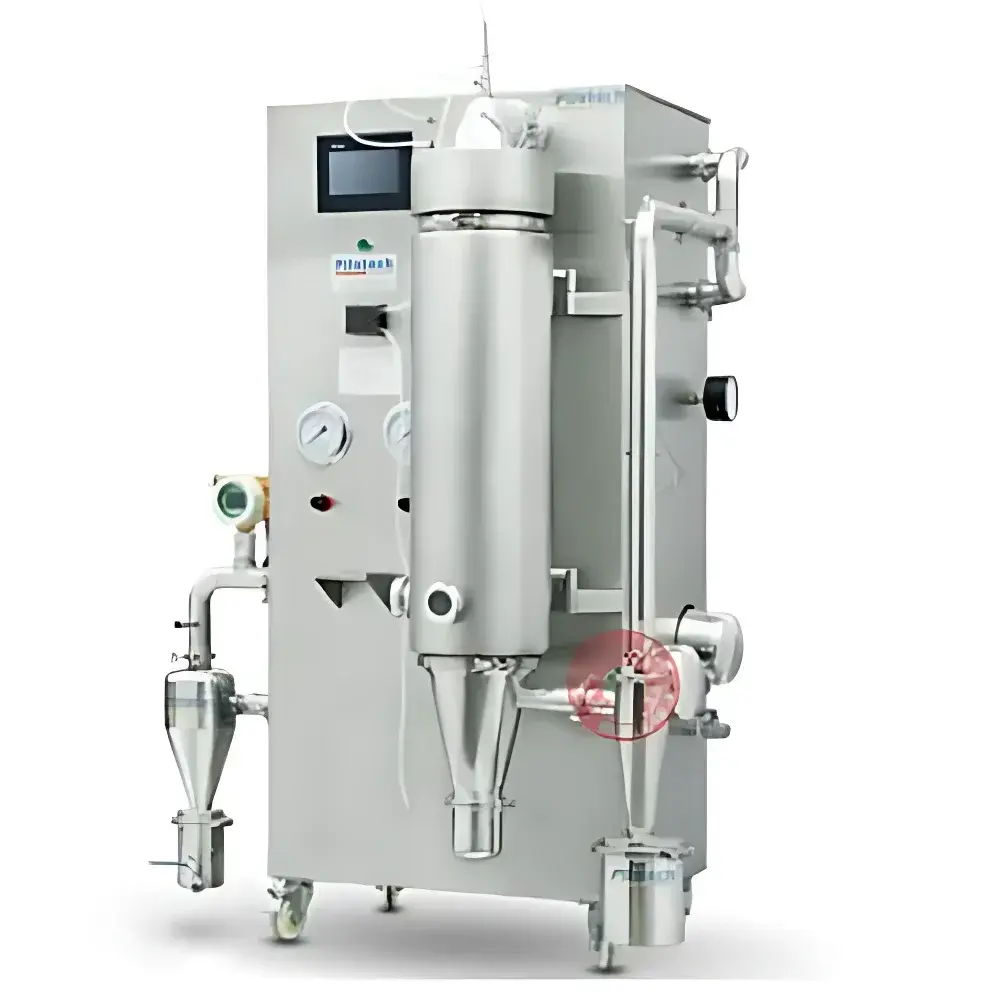
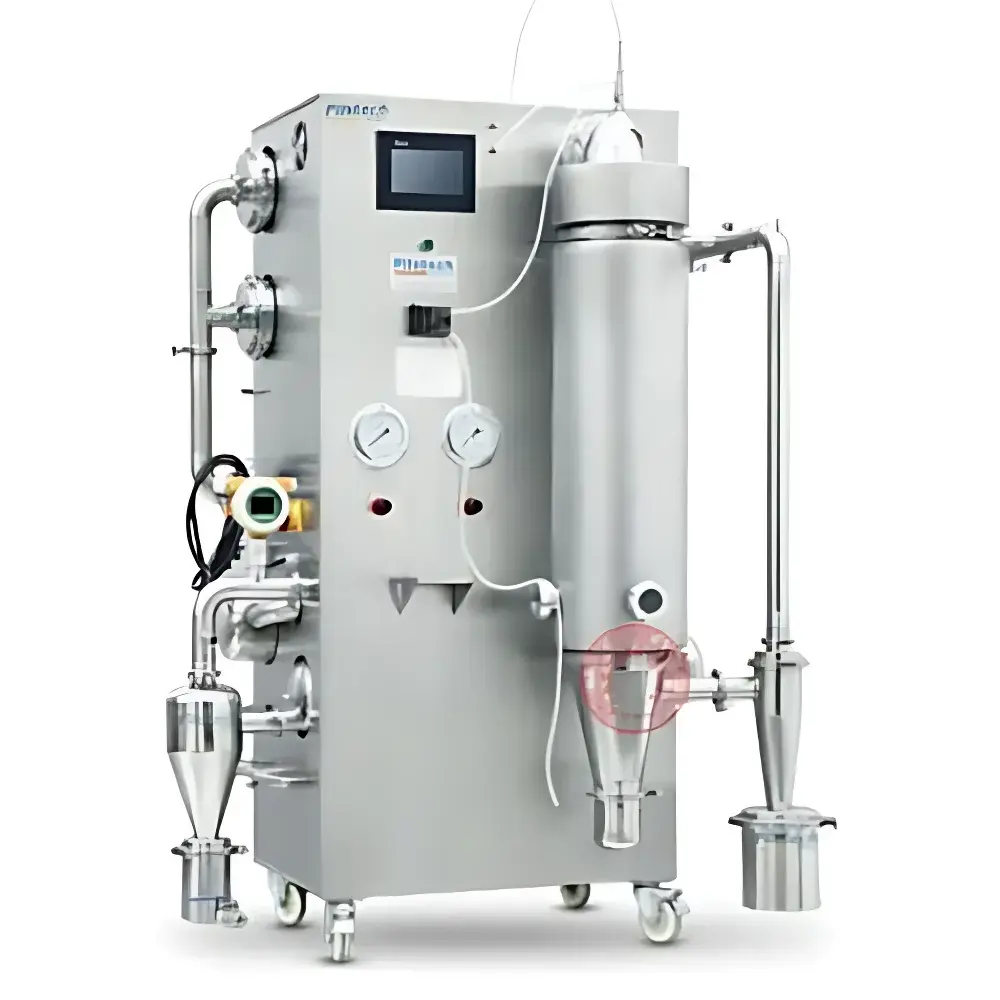
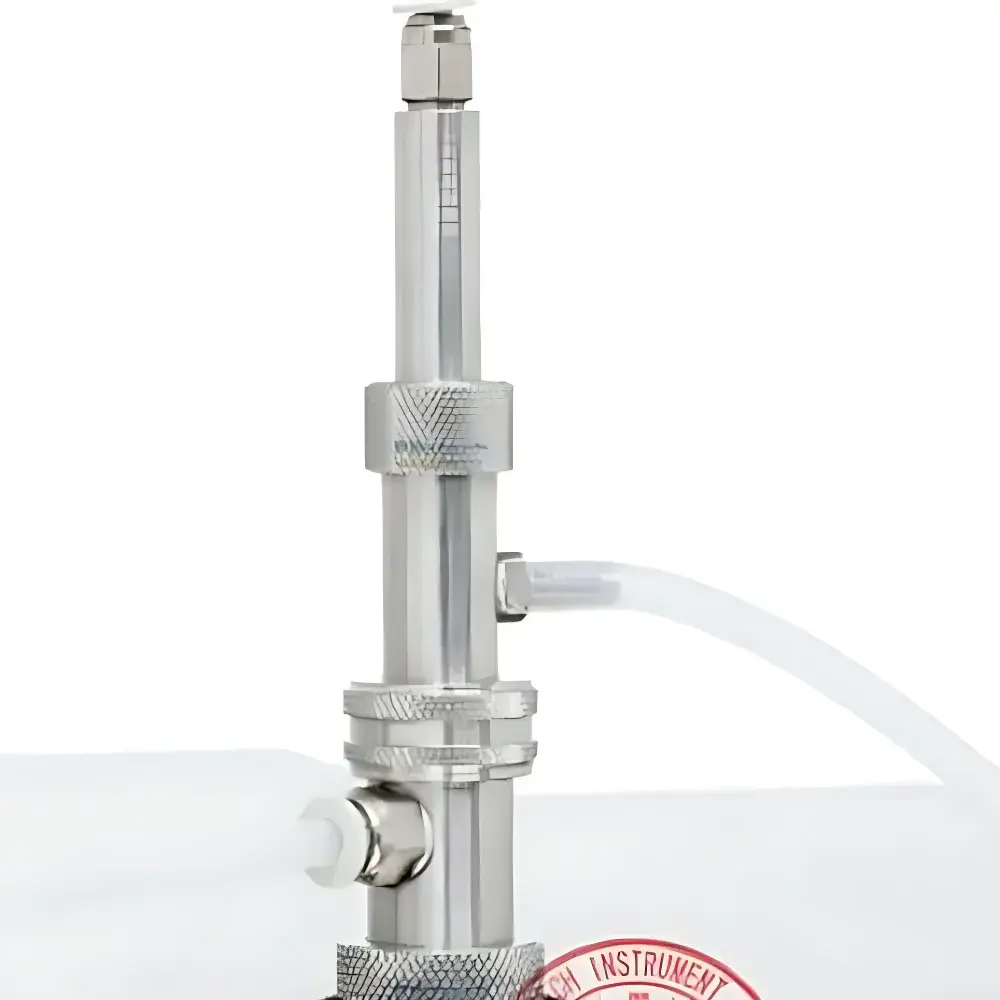
Yacheng YC-019A Closed-Loop Organic Solvent Spray Dryer
| Brand | Yacheng / PILOTECH |
|---|---|
| Origin | Shanghai, China |
| Manufacturer Type | OEM Manufacturer |
| Product Category | Domestic |
| Model | YC-019A |
| Sample Compatibility | Aqueous, organic, and mixed-phase solutions |
| Maximum Feed Rate | 5000 mL/h |
| Inlet Air Temperature Range | Up to 280 °C |
| Particle Size Distribution | 3–100 µm |
| Oxygen Monitoring Threshold | Auto-shutdown at ≥2.5% O₂ |
| Nozzle Orifice | Standard 2.0 mm (optional: 0.5/0.8/1.0/1.5 mm) |
| Temperature Control Accuracy | ±2 °C (PID-regulated) |
| Integrated Solvent Recovery | Yes (via condenser + heat exchanger) |
| Optional | Low-Temperature Chiller Integration |
Overview
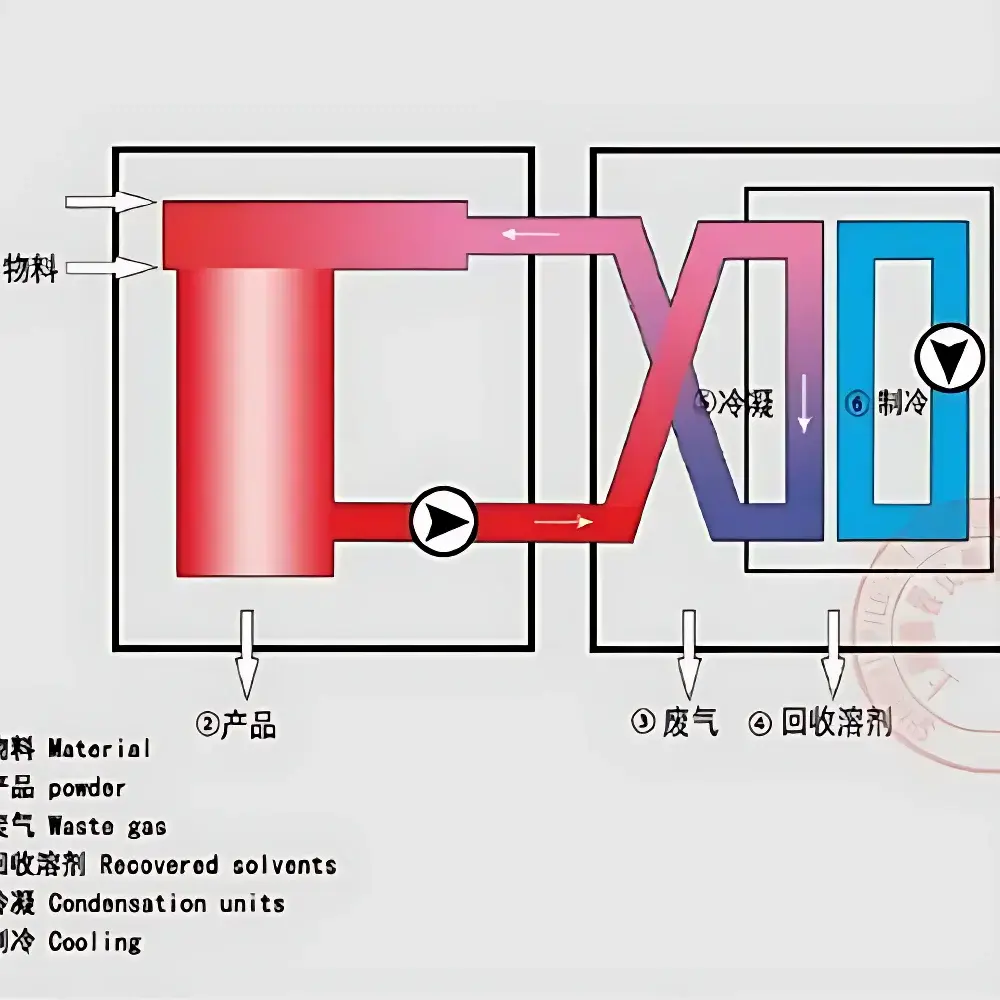
The Yacheng YC-019A Closed-Loop Organic Solvent Spray Dryer is an engineered laboratory-scale drying system designed for the safe, reproducible, and solvent-efficient conversion of heat-sensitive liquid feeds—including flammable organic solutions—into free-flowing micro-powders. Unlike conventional open-loop spray dryers, the YC-019A operates on a fully sealed nitrogen-based closed-cycle principle: atomized feed is dried by preheated nitrogen gas in a controlled inert atmosphere; exhaust vapor passes through a dual-stage thermal management system—first a heat exchanger for sensible cooling, then a refrigerated condenser for solvent phase transition—enabling >95% solvent recovery. This architecture eliminates exposure to ambient oxygen, mitigating explosion risk (per IEC 60079-0), preventing oxidative degradation of labile compounds (e.g., enzymes, peptides, polyphenols), and containing volatile organic compounds (VOCs) or toxic vapors per OSHA PEL and EPA Method 25A compliance requirements. The system is purpose-built for R&D environments where material scarcity, process safety, and regulatory traceability are non-negotiable—such as pharmaceutical formulation development, agrochemical active ingredient stabilization, and nanocarrier synthesis.
Key Features
- Inert atmosphere operation with real-time oxygen concentration monitoring (0–10% range); automatic emergency shutdown triggered at ≥2.5% O₂—aligned with NFPA 484 and ATEX Zone 22 design logic.
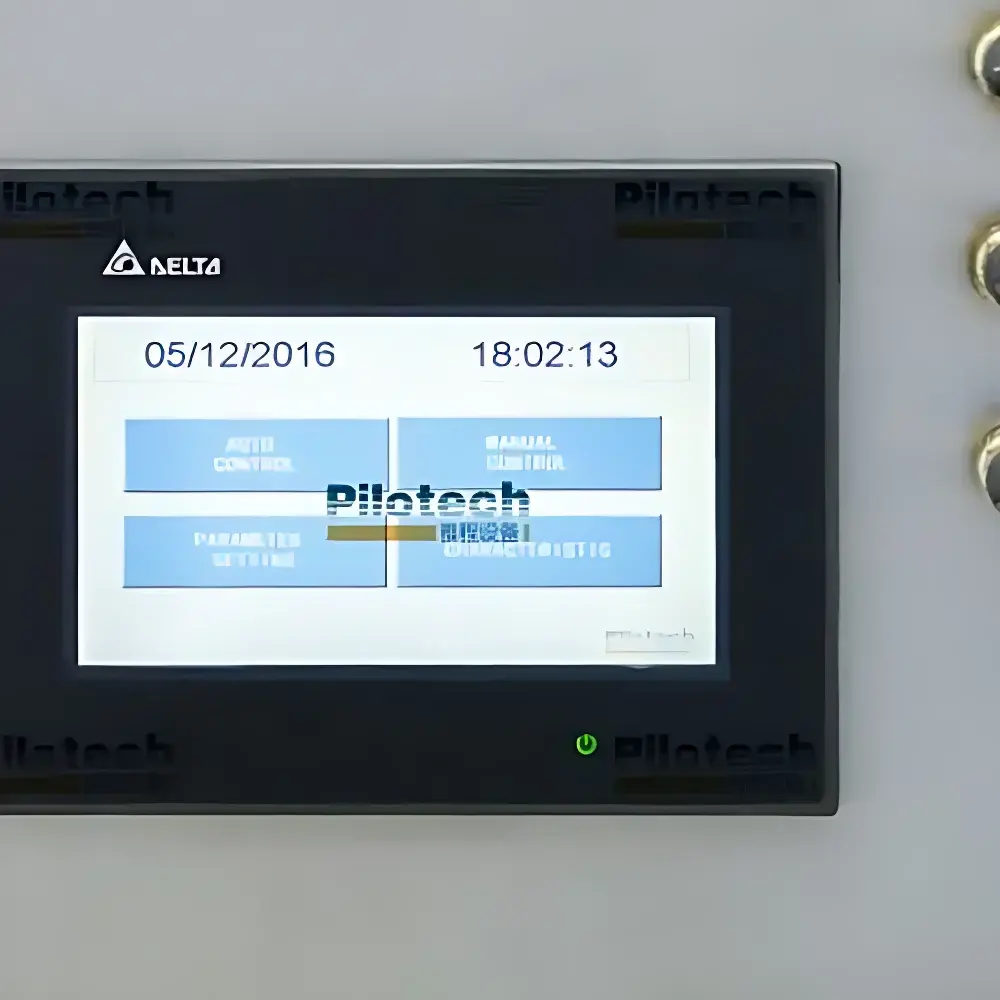
- PLC-integrated control system with 7-inch color touchscreen interface (fully English-localized firmware), supporting dynamic adjustment of inlet temperature, peristaltic pump speed, needle cleaning frequency, and N₂ flow rate during operation.
- Concentric dual-fluid nozzle assembly (standard 2.0 mm orifice; optional 0.5–1.5 mm variants) ensures axial symmetry during atomization—eliminating wall impaction, maximizing powder yield (>85% collection efficiency), and enabling precise particle morphology tuning.
- Robust thermal architecture: stainless-steel heating elements with PID-controlled precision (±2 °C), integrated post-drying cooldown protocol that maintains fan operation until chamber temperature falls below 60 °C—preventing thermal shock and residual solvent ignition.
- Corrosion-resistant centrifugal blower (316L SS housing + PTFE-coated impeller) positioned upstream of the drying chamber—ensuring zero contact between organic vapors and rotating components, extending service life beyond 10,000 operational hours.
- Modular solvent recovery train: plate-type heat exchanger + programmable low-temperature chiller (optional –20 °C capability) enables condensation of low-boiling solvents (e.g., acetone, dichloromethane, ethyl acetate) with minimal carryover.
Sample Compatibility & Compliance
The YC-019A accommodates aqueous, polar aprotic (e.g., DMF, DMSO), chlorinated (e.g., chloroform), and aliphatic (e.g., hexane, heptane) solvent systems—subject to flash point and autoignition temperature constraints defined in ASTM E659 and UN TDG Class 3 hazard classification. It supports minimum feed volumes of 100 mL, making it suitable for high-value compound screening (e.g., PROTACs, mRNA-LNPs, metal–organic frameworks). All wetted surfaces meet USP Class VI biocompatibility standards; pressure-rated vessel design conforms to PED 2014/68/EU Annex I essential safety requirements. Optional IQ/OQ documentation packages support GLP and GMP-aligned validation (21 CFR Part 11-compliant audit trails available with software upgrade).
Software & Data Management
The embedded controller logs timestamped process parameters—including inlet/outlet temperatures, N₂ flow (L/min), O₂ %, pump RPM, and condensate mass—at 1-second intervals to internal SD card storage. Export formats include CSV and PDF reports with digital signatures. Optional Ethernet/Wi-Fi connectivity enables remote monitoring via secure HTTPS web interface and integration into LabVantage or Thermo Fisher SampleManager LIMS platforms. All data entries comply with ALCOA+ principles (Attributable, Legible, Contemporaneous, Original, Accurate, Complete, Consistent, Enduring, Available) for regulatory submissions.
Applications
- Pharmaceutical: Lyophilization-alternative drying of amorphous solid dispersions, inhalable corticosteroid powders, and lipid nanoparticle (LNP) formulations.
- Biotechnology: Stabilization of monoclonal antibodies, viral vectors, and CRISPR-Cas ribonucleoprotein complexes without aggregation.
- Materials Science: Synthesis of solvent-stable MOFs, conductive polymer microparticles (e.g., PEDOT:PSS), and battery cathode precursors (e.g., LiFePO₄).
- Agrochemicals: Encapsulation of thermolabile biopesticides (e.g., Bacillus thuringiensis toxins) into controlled-release granules.
- Food & Nutraceuticals: Microencapsulation of omega-3 oils, anthocyanins, and probiotics using GRAS-certified solvents (e.g., ethanol, ethyl lactate).
FAQ
What solvents are compatible with the YC-019A?
Commonly used solvents include methanol, ethanol, acetone, acetonitrile, ethyl acetate, dichloromethane, and tetrahydrofuran—provided their flash point exceeds 0 °C and autoignition temperature remains above 200 °C. Solvent selection must be validated against the system’s maximum operating temperature (280 °C inlet) and condenser capacity.
Can the YC-019A handle viscous solutions or suspensions?
Yes—feed viscosity up to 500 cP is supported with appropriate nozzle sizing (e.g., 1.5 mm orifice) and optimized N₂ atomization pressure (0.2–0.6 MPa adjustable). For nanoparticle-laden suspensions, ultrasonic pre-dispersion is recommended prior to feeding.
Is solvent recovery efficiency quantified and repeatable?
Under standard operating conditions (e.g., 20% w/v ethanol solution, 180 °C inlet, –15 °C chiller), gravimetric recovery consistently exceeds 93.5% (n=12, RSD <2.1%), verified per ASTM D1353 standard test method.
How is system cleanliness validated between batches?
The unit supports automated nitrogen purge cycles (3× volume exchange) and optional CIP-compatible nozzle assemblies. Residue limits are verified via swab testing per ICH Q5C guidelines, with detection thresholds <1.0 µg/cm² for common solvents.
Does the YC-019A support PAT (Process Analytical Technology) integration?
Yes—RS-485 Modbus RTU and analog 4–20 mA outputs enable real-time connection to third-party NIR probes (e.g., Metrohm InstantRaman), laser diffraction analyzers (e.g., Malvern Mastersizer), or FBRM particle trackers for in-line endpoint determination.



