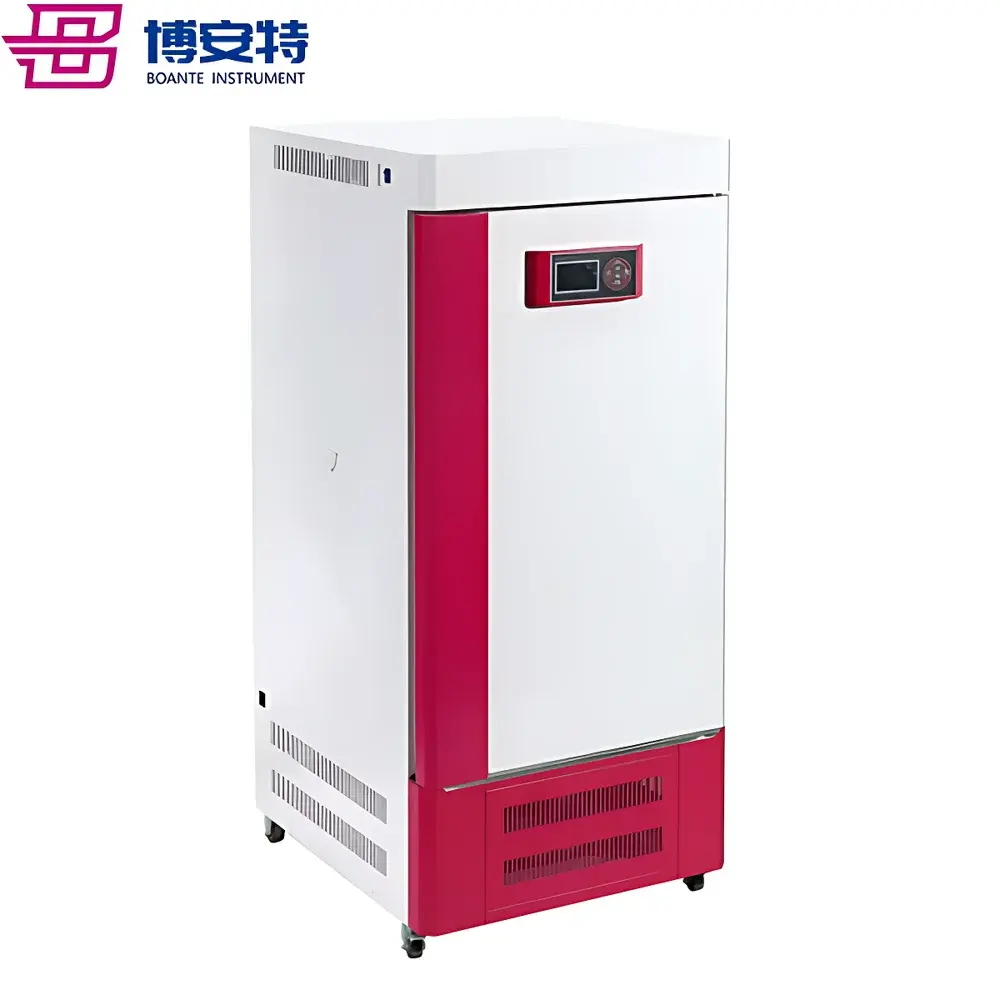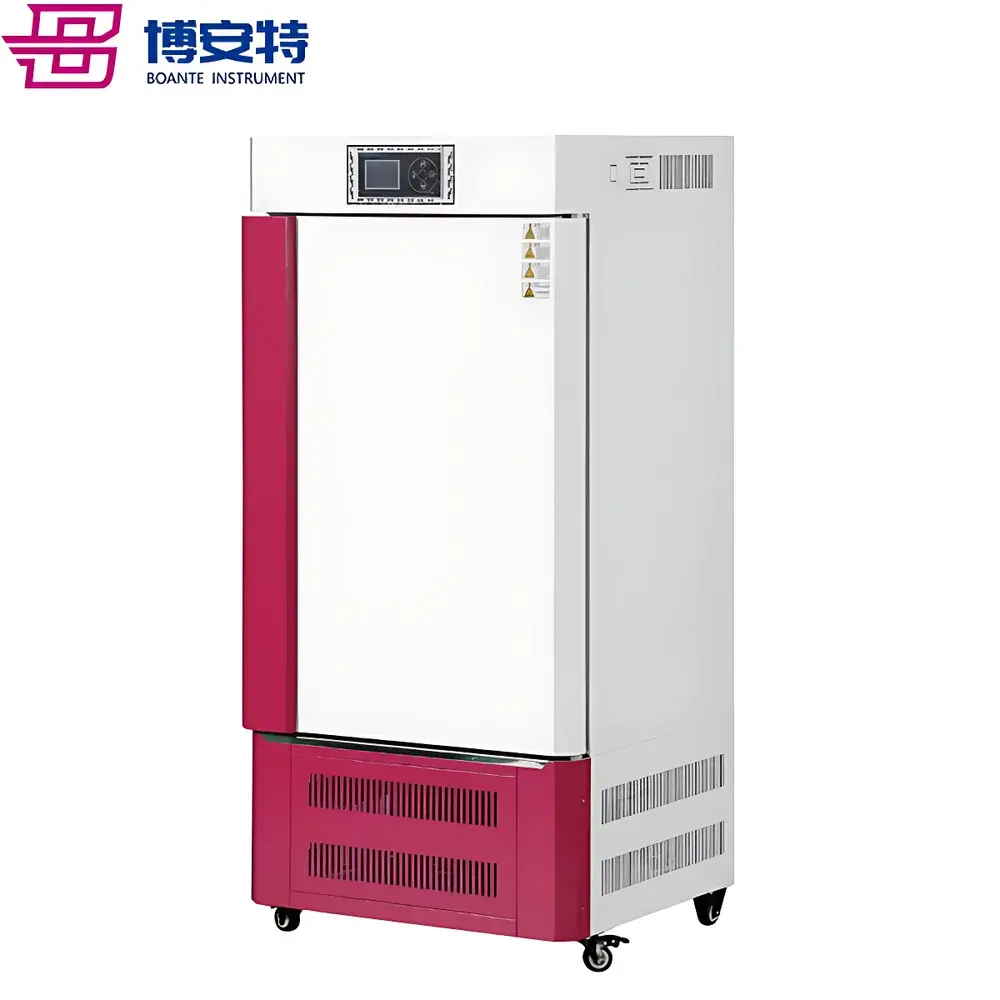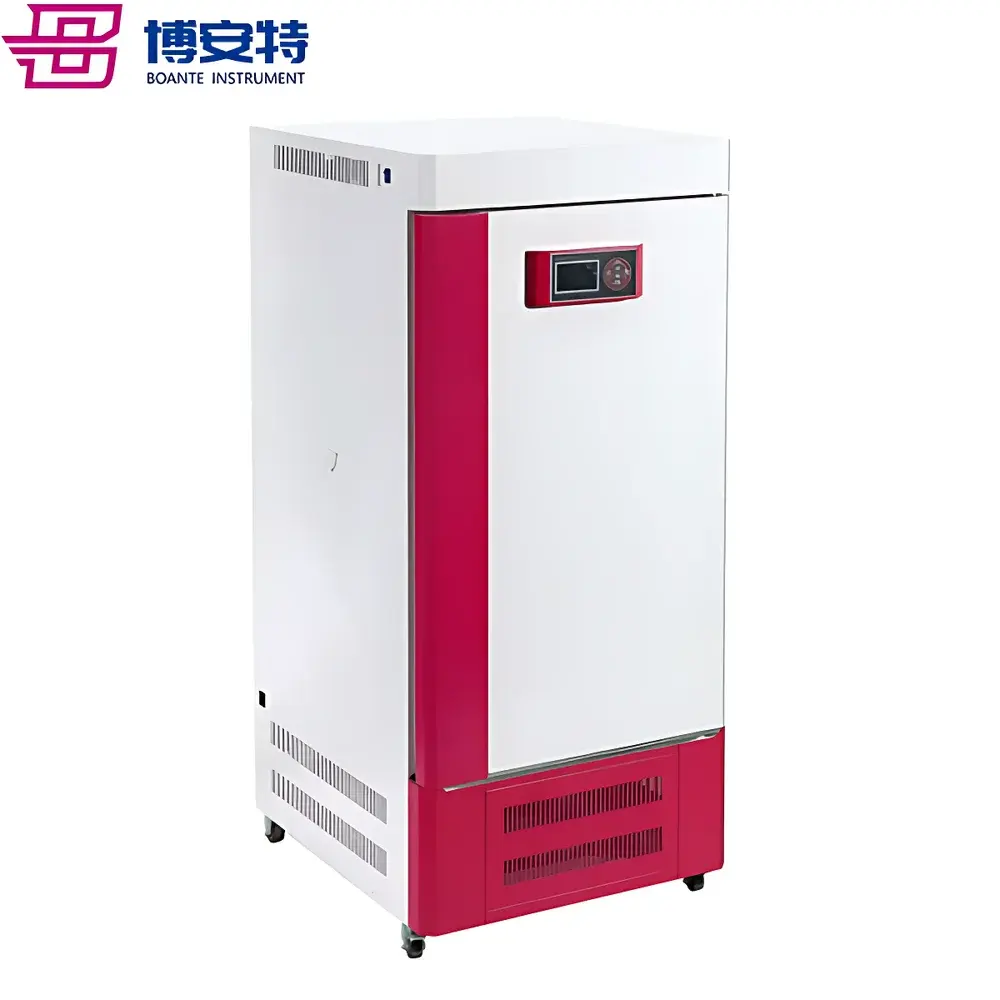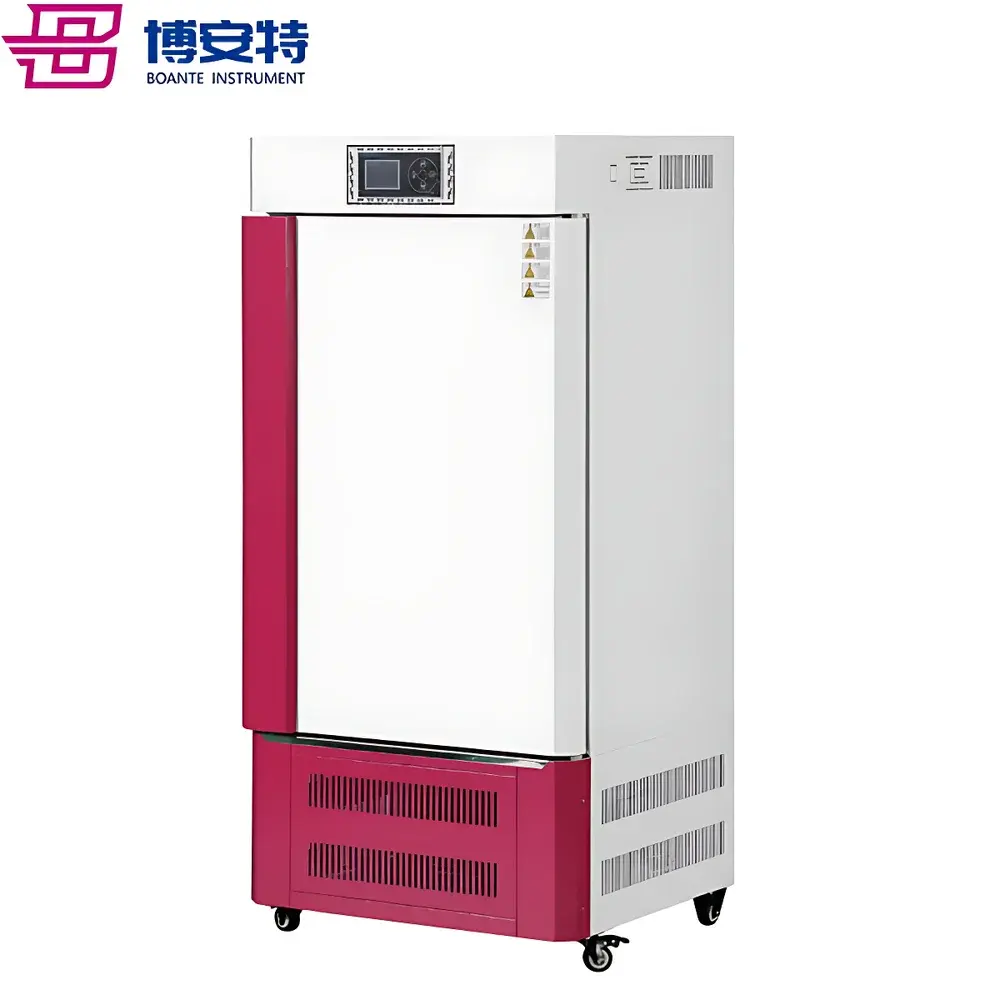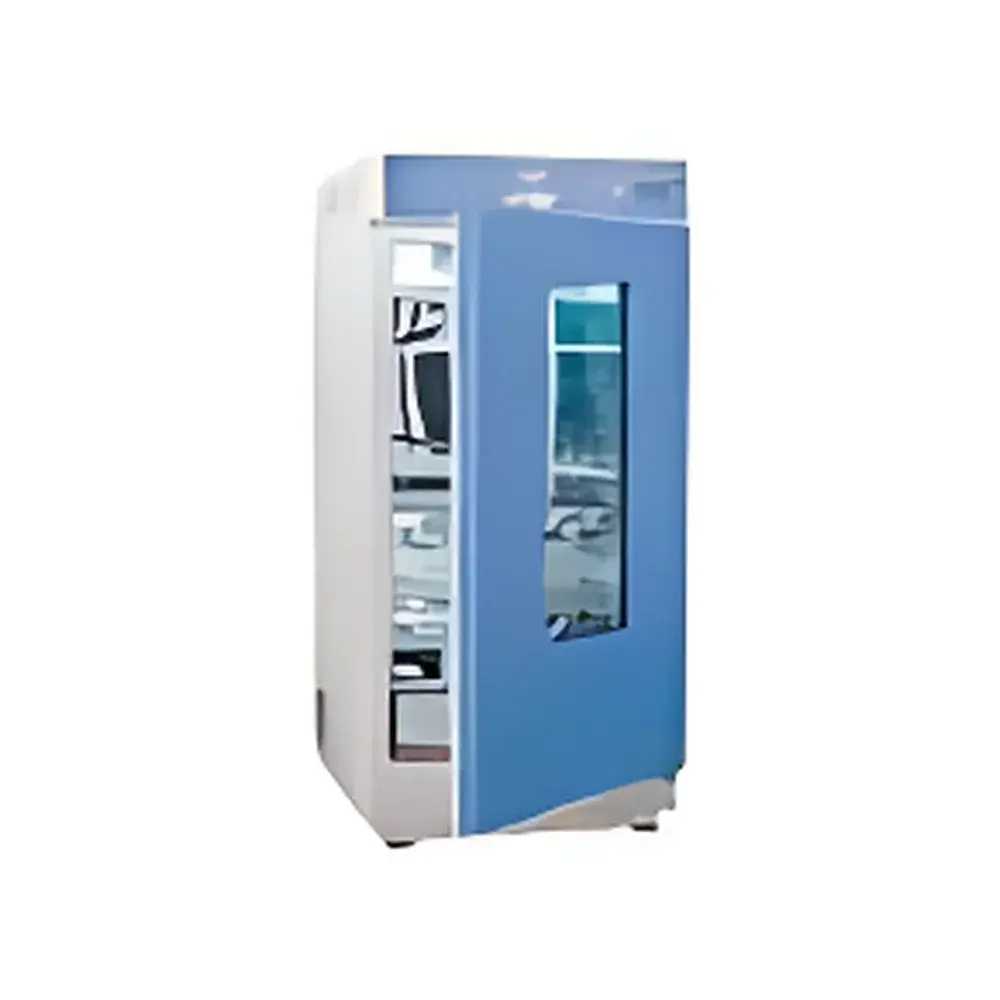
Yiheng LRH Series Biochemical Incubators (LRH-70F, LRH-150F, LRH-250F, LRH-500F)
| Brand | Yiheng |
|---|---|
| Origin | Shanghai, China |
| Refrigeration Method | Compressor-based (R134a refrigerant) |
| Air Circulation | Forced convection |
| Temperature Range | 0–60 °C |
| Temperature Resolution | 0.1 °C |
| Temperature Fluctuation | ±0.5 °C (high-temp), ±1.0 °C (low-temp) |
| Temperature Uniformity | ±1.5 °C (at 25 °C test point) |
| Internal Dimensions (W×D×H, mm) | 400×350×500 (LRH-70F) / 500×370×800 (LRH-150F) / 520×460×1050 (LRH-250F) / 700×600×1200 (LRH-500F) |
| External Dimensions (W×D×H, mm) | 530×560×1080 (LRH-70F) / 600×575×1325 (LRH-150F) / 620×690×1590 (LRH-250F) / 820×720×1720 (LRH-500F) |
| Standard Shelving | 2–3 adjustable stainless steel shelves |
| Power Supply | AC 220 V, 50 Hz |
| Input Power | 350–1500 W |
| Operating Ambient Temperature | RT+5 to 30 °C |
| Timer Range | 1–9999 minutes |
| Compliance | Designed for GLP-aligned laboratory workflows |
Overview
The Yiheng LRH Series Biochemical Incubators are precision-engineered environmental control systems designed for stable, reproducible temperature management in life science laboratories. Based on forced-air convection and compressor-driven refrigeration (using environmentally compliant R134a refrigerant), these incubators maintain tightly regulated thermal conditions across a broad operational range of 0–60 °C—enabling both ambient and sub-ambient cultivation without external cooling infrastructure. The series is widely deployed in BOD testing, microbial culture (bacteria, fungi, yeasts), cell viability assays, seed germination studies, and long-term strain preservation—applications demanding high thermal fidelity, low drift, and uniform chamber conditions. Each model integrates a microprocessor-based PID temperature controller with 0.1 °C resolution and real-time feedback loop optimization to minimize overshoot and stabilize setpoints rapidly after door opening or load changes.
Key Features
- Mirror-finish stainless steel interior with seamless, radius-cornered construction ensures corrosion resistance, ease of decontamination, and compliance with biosafety cleaning protocols (e.g., 70% ethanol, hydrogen peroxide vapor).
- Intelligent fan speed modulation dynamically adjusts airflow velocity based on thermal load and setpoint deviation—reducing sample desiccation risk during extended incubation of low-volume cultures or open Petri dishes.
- Dual-stage overtemperature protection includes primary PID control plus an independent mechanical safety cutoff (optional), meeting IEC 61010-1 requirements for Class II laboratory equipment.
- Modular communication interface supports RS485 serial output (Modbus RTU protocol) for integration into centralized lab monitoring systems or LIMS platforms; optional thermal printer enables audit-ready hardcopy logging of temperature profiles.
- Energy-efficient design features high-density polyurethane insulation (≥60 mm thick), low-emissivity inner door seal, and variable-speed compressor operation—reducing power consumption by up to 25% versus fixed-speed equivalents under partial-load conditions.
- Adjustable shelving system accommodates standard-sized culture vessels (e.g., 100-mm Petri dishes, 250-mL Erlenmeyer flasks, multi-well plates) while maintaining ≥60 mm vertical clearance between levels for unobstructed airflow distribution.
Sample Compatibility & Compliance
The LRH series accommodates diverse biological sample formats—including agar plates, liquid broth cultures, suspension cells, plant explants, and enzymatic reaction mixtures—without compromising thermal homogeneity. Chamber uniformity of ±1.5 °C (measured at nine points per ICH Q5C Annex 2 methodology at 25 °C) satisfies critical validation criteria for stability-indicating assays in pharmaceutical QC labs. Units are manufactured and tested per GB/T 23797–2009 (Chinese national standard for biochemical incubators) and align with key international frameworks: ISO 13408-1 (aseptic processing), ASTM E2925-13 (performance verification of incubators), and USP (general requirements for incubators used in microbiological testing). Optional calibration certificates traceable to NIM (National Institute of Metrology, China) support 21 CFR Part 11-compliant electronic records when paired with validated data acquisition software.
Software & Data Management
While the base unit operates via front-panel keypad and LCD display, optional RS485 connectivity enables bidirectional communication with third-party SCADA or ELN systems using standard Modbus RTU registers. Temperature setpoint, real-time chamber reading, alarm status, and timer countdown are all addressable parameters. When integrated with Yiheng’s optional data logger module (sold separately), continuous timestamped logging at user-defined intervals (1 s to 60 min) generates CSV-formatted files suitable for statistical process control (SPC) analysis. All logged data include operator ID fields, digital signatures, and immutable audit trails—facilitating GLP/GMP compliance during regulatory inspections.
Applications
- Environmental monitoring: BOD₅ determination per APHA Standard Methods 5210B and ISO 5815-1.
- Microbiological quality control: Enumeration of total viable counts (TVC), coliforms, and pathogenic indicators (e.g., Salmonella, E. coli) in food, water, and pharmaceutical raw materials.
- Biotechnology R&D: Maintenance of starter cultures, fermentation inoculum expansion, and recombinant protein expression screening at defined temperatures.
- Agricultural research: Seed dormancy studies, phytopathogen isolation, and tissue culture media solidification kinetics.
- Clinical diagnostics: Anaerobic and aerobic bacterial culture under controlled thermoregulation per CLSI M02-A12 guidelines.
FAQ
What is the difference between the “F” and non-“F” models in the LRH series?
The “F” suffix denotes inclusion of a hermetically sealed, energy-optimized compressor using R134a refrigerant—enabling reliable sub-ambient operation down to 0 °C. Non-F variants rely solely on resistive heating and passive cooling, limiting their functional range to ambient +5 °C and above.
Can the LRH incubators be validated for GxP environments?
Yes—when equipped with optional calibration and qualification packages (IQ/OQ documentation, sensor mapping reports, and 3rd-party certification), the LRH series meets baseline requirements for equipment qualification under FDA, EMA, and PMDA guidance. Full PQ requires site-specific protocol development.
Is remote monitoring supported out-of-the-box?
No native Ethernet or Wi-Fi interface is included; however, RS485-to-Ethernet gateways (e.g., Moxa EDS-205A) enable secure network integration using existing lab infrastructure and industry-standard OPC UA drivers.
How often should temperature sensors be recalibrated?
Per ISO/IEC 17025:2017 Clause 6.5.2, annual recalibration against NIST-traceable references is recommended. In-house verification using calibrated reference thermometers (e.g., Fluke 1523) should occur prior to each critical experiment batch.
Are replacement shelves and accessories available globally?
Yes—stainless steel shelves, humidity trays (for optional humidification kits), and custom-fit silicone gaskets are stocked by authorized Yiheng distributors in North America, EU, and APAC regions with lead times under 10 business days.