
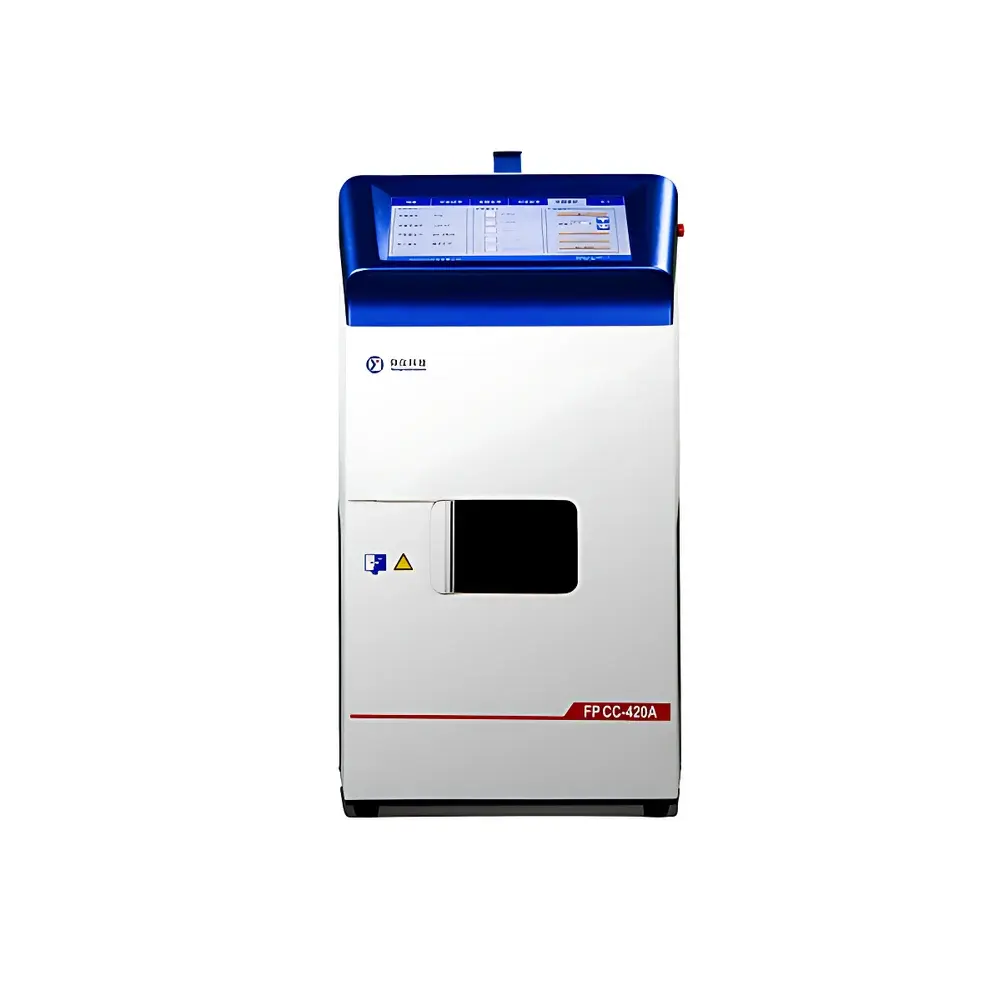
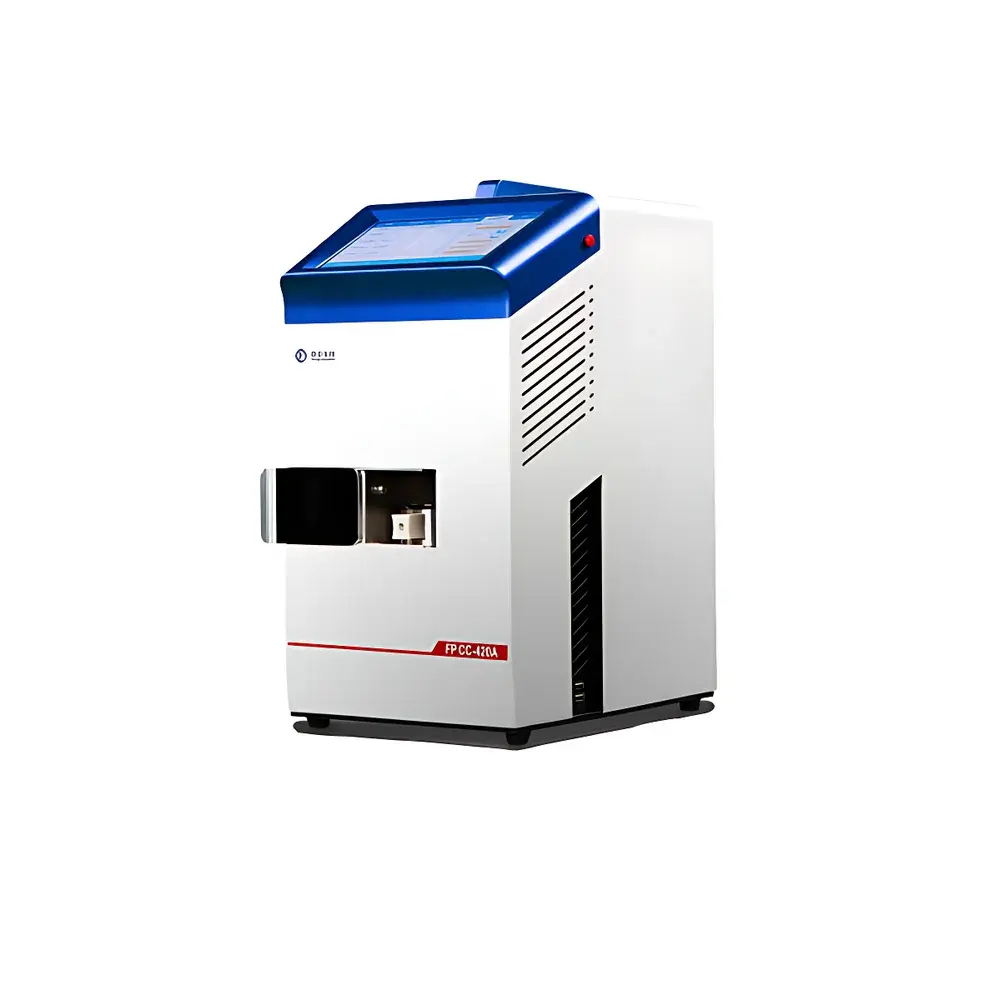
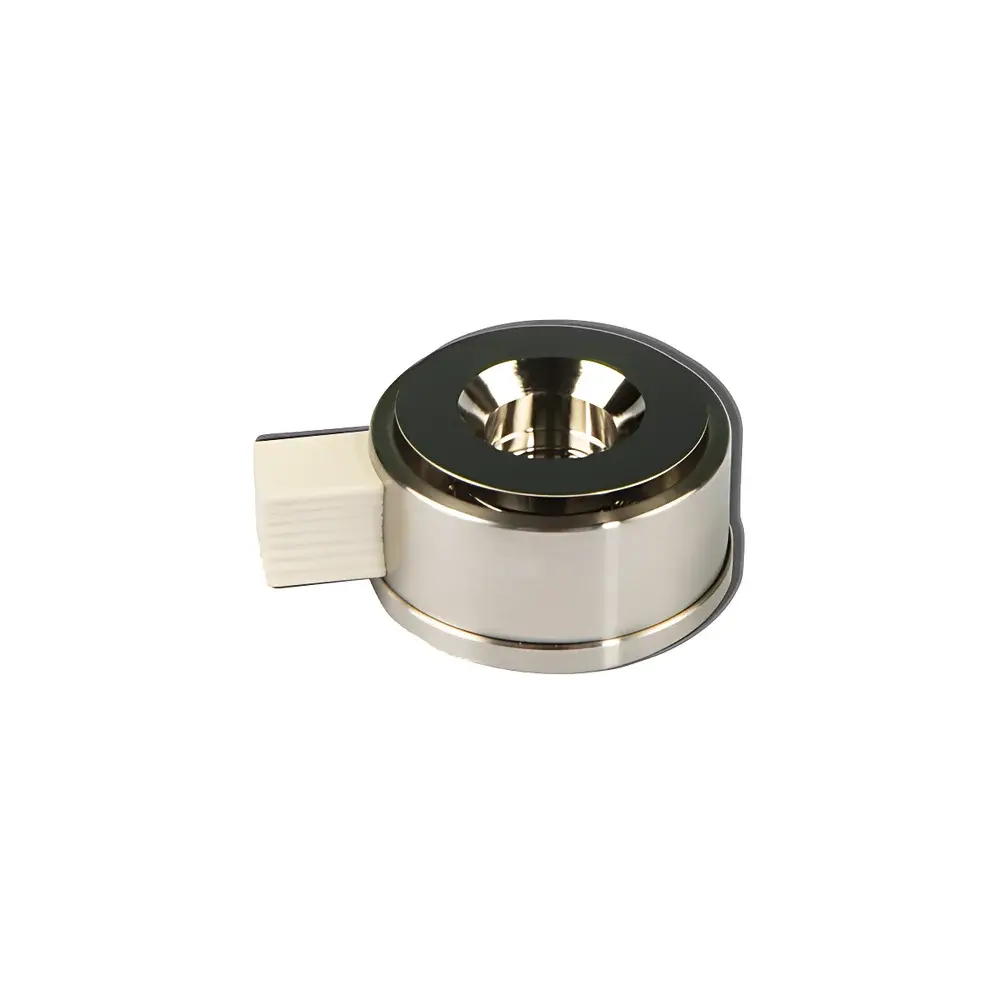
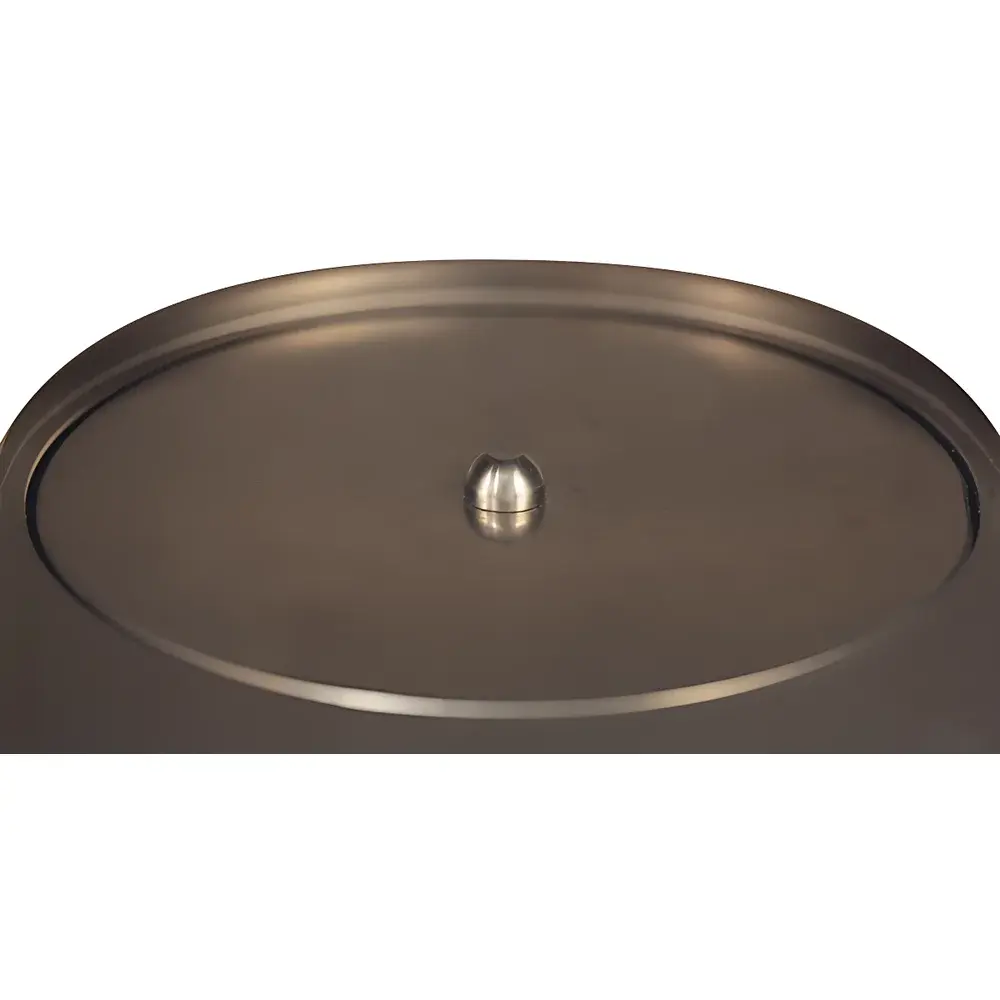
Young Instruments FP CC-420A Microvolume Continuous Closed-Cup Flash Point Analyzer
| Brand | Young Instruments |
|---|---|
| Origin | Zhejiang, China |
| Manufacturer Type | Manufacturer |
| Product Origin | Domestic (China) |
| Model | FP CC-420A |
| Detection Method | Closed-Cup Method |
| Temperature Range | −30 °C to 420 °C |
| Ignition Method | High-Voltage Electric Arc |
Overview
The Young Instruments FP CC-420A Microvolume Continuous Closed-Cup Flash Point Analyzer is an engineered solution for precise, repeatable flash point determination in accordance with internationally recognized closed-cup test principles. It operates on the continuous closed-cup method—where a sample is heated under a sealed, thermally regulated cup while vapor concentration is dynamically monitored, and ignition is triggered via controlled high-voltage electric arc at defined temperature intervals. This principle ensures compliance with fundamental thermodynamic and kinetic requirements of flash point measurement as defined in ASTM D6450, ASTM D7094, and GB/T 261. Designed specifically for laboratories handling petroleum derivatives, lubricants, industrial solvents, bio-based oils, and specialty chemicals, the FP CC-420A delivers traceable, auditable results under ambient atmospheric pressure conditions—with automatic real-time barometric correction applied to all reported values.
Key Features
- Microvolume sampling capability: Requires only 1–2 mL per test, minimizing reagent consumption, disposal burden, and exposure risk.
- Continuous closed-cup architecture eliminates open-flame ignition sources—enhancing operator safety and reducing fire hazard in high-throughput environments.
- Integrated Peltier cooling module enables rapid cooldown from 420 °C to sub-zero temperatures, extending operational flexibility across low-flash and high-boiling samples without external chillers (optional low-temp circulation bath required for sustained operation below 0 °C).
- Three programmable heating rates (2.5 ± 0.3 °C/min, 5.5 ± 0.5 °C/min, and user-defined 0.5–12 °C/min) support method-specific thermal ramping per ASTM D93, SH/T 0768, or DL/T 1354 protocols.
- Real-time dual-parameter monitoring: Simultaneous display of sample temperature and internal cup pressure during testing—enabling visualization of vapor pressure buildup prior to flash event.
- Full automation: Auto-ignition sequence, pressure-compensated flash detection, endpoint confirmation, and post-test cooling—all executed without manual intervention.
- Robust hardware platform: Critical components—including temperature sensors, pressure transducers, and arc ignition circuitry—sourced from Tier-1 international suppliers to ensure long-term metrological stability and mean time between failures (MTBF) exceeding 10,000 hours.
- 7-inch capacitive color touchscreen with Chinese/English bilingual UI, on-screen keyboard input, and intuitive workflow navigation.
Sample Compatibility & Compliance
The FP CC-420A is validated for use with a broad spectrum of liquid-phase materials exhibiting viscosities up to 10,000 cSt at 40 °C, including but not limited to: mineral insulating oils (e.g., transformer oil per IEC 60296), turbine oils, hydrocarbon solvents, fragrance compounds, pesticide emulsifiers, plasticizers, wood preservatives, and natural ester-based biolubricants. Its design conforms to the mechanical, thermal, and procedural requirements of multiple regulatory frameworks: ASTM D93 (Pensky-Martens), ASTM D6450/D7094 (Advanced Microflash), GB/T 261 (equivalent to ISO 2719), GB/T 5208 (Tag Closed Cup), SN/T 3077.1–3077.2, and DL/T 1354. The instrument supports GLP-compliant data integrity through timestamped audit trails, user-level access control (admin/operator/guest), and encrypted local storage—facilitating readiness for FDA 21 CFR Part 11 and ISO/IEC 17025 laboratory accreditation audits.
Software & Data Management
Embedded firmware provides native execution of preloaded standard methods—including SH/T 0768, ASTM D6450, and GB/T 21615—with one-touch selection and automatic parameter initialization. Up to 5,000 test records are retained onboard with full metadata: date/time stamp, operator ID, ambient pressure, final flash point, temperature-pressure curve export (CSV), and pass/fail status against method-defined repeatability limits. Dual USB 2.0 ports enable direct connection to thermal printers (optional) or external storage; RS-232 and RJ-45 interfaces support integration into LIMS environments via Modbus TCP or ASCII serial protocol. All exported datasets include calibrated sensor readings, raw pressure curves, and algorithmic flash identification markers—ensuring full traceability from measurement to report.
Applications
- Quality control of transformer oils in power generation and transmission facilities.
- Flash hazard assessment of formulation batches in fine chemical synthesis and agrochemical manufacturing.
- Regulatory submission testing for REACH, CLP, and GHS classification of flammable liquids.
- R&D screening of alternative base oils and bio-derived lubricants under evolving sustainability mandates.
- Refinery process stream monitoring where rapid turnaround and minimal sample volume are critical.
- Academic research on vapor pressure–temperature relationships in complex multicomponent mixtures.
FAQ
What standards does the FP CC-420A support out-of-the-box?
ASTM D6450, ASTM D7094, ASTM D93, GB/T 261, GB/T 5208, SH/T 0768, DL/T 1354, SN/T 3077.1–3077.2, and GB/T 21615—all preconfigured with correct ramp rates, stir speeds, and ignition timing.
Is external refrigeration required for sub-zero testing?
Yes—operation below 0 °C requires connection to an external low-temperature circulating bath (−20 °C minimum output) to maintain thermal stability during extended cold-range assays.
How is atmospheric pressure compensated during testing?
An integrated absolute pressure sensor continuously measures ambient barometric pressure; the firmware applies NIST-traceable correction algorithms to each flash point result in real time.
Can test data be exported in machine-readable format?
Yes—CSV files containing full temperature/pressure profiles, metadata, and calculated flash points are exportable via USB or network interface.
What is the minimum sample volume required?
1 mL for standard operation; 2 mL recommended for highly viscous or volatile samples to ensure representative vapor-phase equilibrium.





