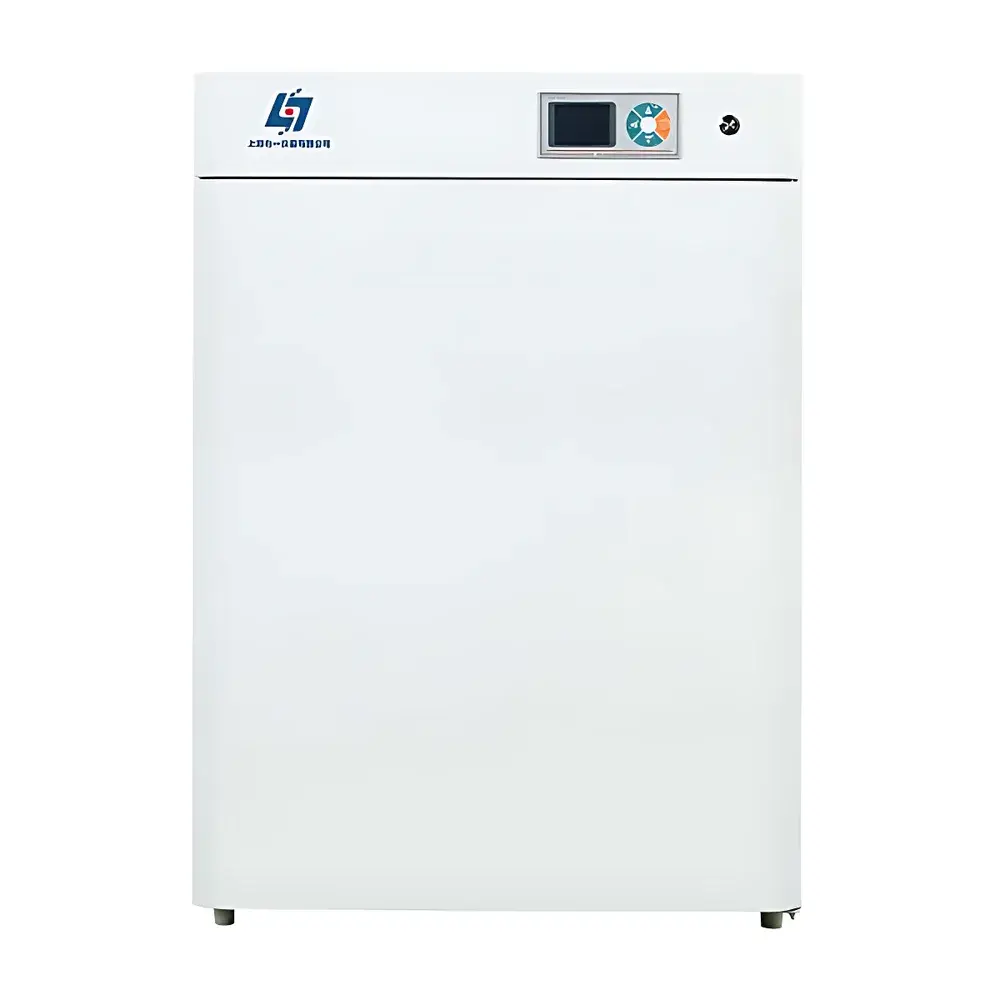
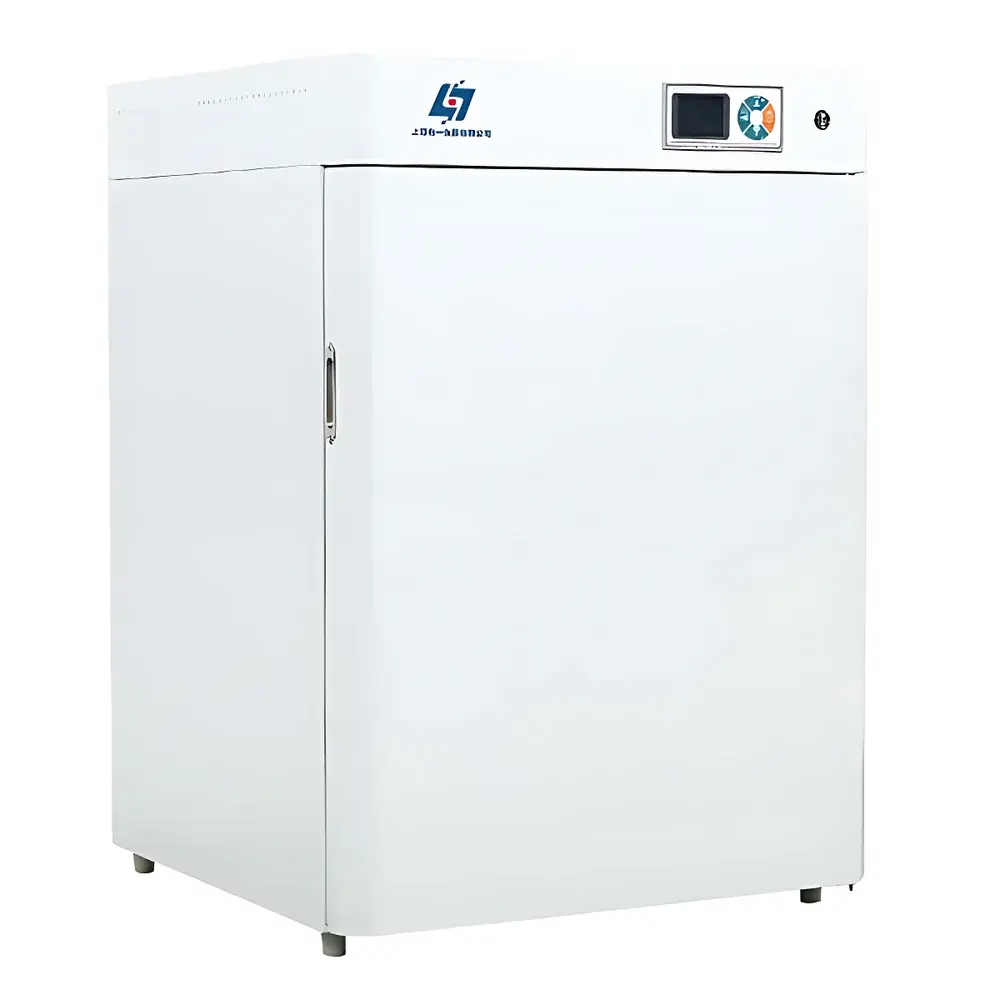
Yoyilab DNP-9162 Forced-Air Electrothermal Constant-Temperature Incubator (160 L)
| Brand | Yoyilab |
|---|---|
| Origin | Shanghai, China |
| Manufacturer Type | Direct Manufacturer |
| Model | DNP-9162 |
| Air Circulation | Forced Convection |
| Temperature Range | RT+5°C to 65°C |
| Temperature Resolution | 0.1°C |
| Temperature Uniformity | ±1.5°C at 37°C |
| Temperature Fluctuation | ±0.5°C |
| Chamber Capacity | 160 L |
| External Dimensions | 630 × 605 × 935 mm |
Overview
The Yoyilab DNP-9162 is a precision-engineered forced-air electrothermal constant-temperature incubator designed for reliable, reproducible environmental control in life science laboratories. Built upon fundamental principles of convective heat transfer and PID-based thermal regulation, this 160 L incubator maintains stable temperature conditions essential for cell culture, microbial propagation, enzyme activity studies, and long-term biological sample storage. Its robust architecture integrates high-efficiency insulation, dual-door thermal barrier design, and intelligent microprocessor control to minimize thermal gradients and external interference—critical for applications requiring ISO 13485-aligned workflows or GLP-compliant documentation. The unit operates within a validated range of RT+5°C to 65°C, with resolution down to 0.1°C and fluctuation controlled within ±0.5°C under standard ambient conditions (30°C, 50% RH), making it suitable for both routine QC environments and academic research settings where thermal fidelity directly impacts experimental outcomes.
Key Features
- Forced-air convection system ensures rapid temperature equilibration and uniform distribution across the entire chamber volume, achieving ≤±1.5°C uniformity at 37°C—the benchmark condition for mammalian cell culture.
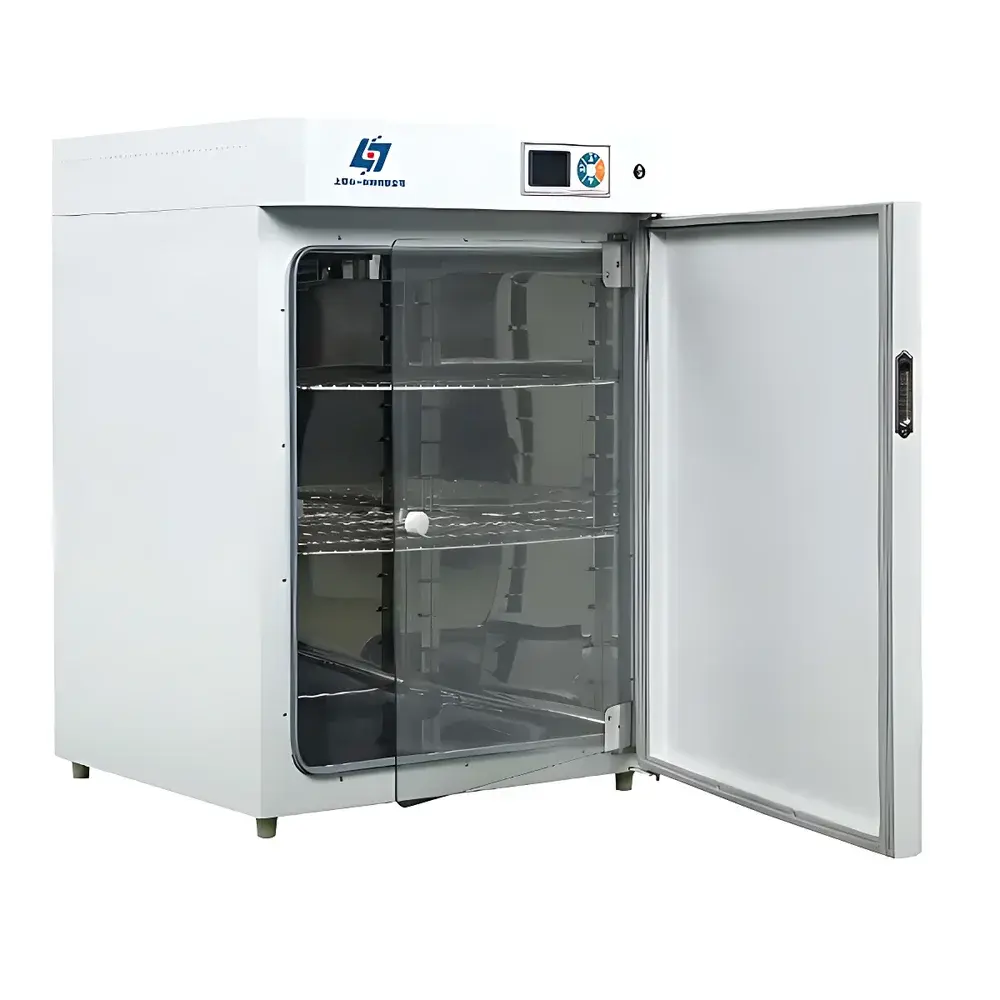
- Dual-layer insulated door with magnetic seal and observation window minimizes thermal leakage during visual monitoring, eliminating unnecessary temperature perturbations during routine inspections.
- 5.7-inch backlit LCD controller displays real-time temperature, setpoint, elapsed time, and alarm status simultaneously; supports multi-parameter configuration without menu nesting.
- Independent over-temperature safety cutoff circuit (optional) provides hardware-level protection independent of the main controller—critical for unattended overnight operation and regulatory compliance (e.g., FDA 21 CFR Part 11 Annex 11 traceability requirements).
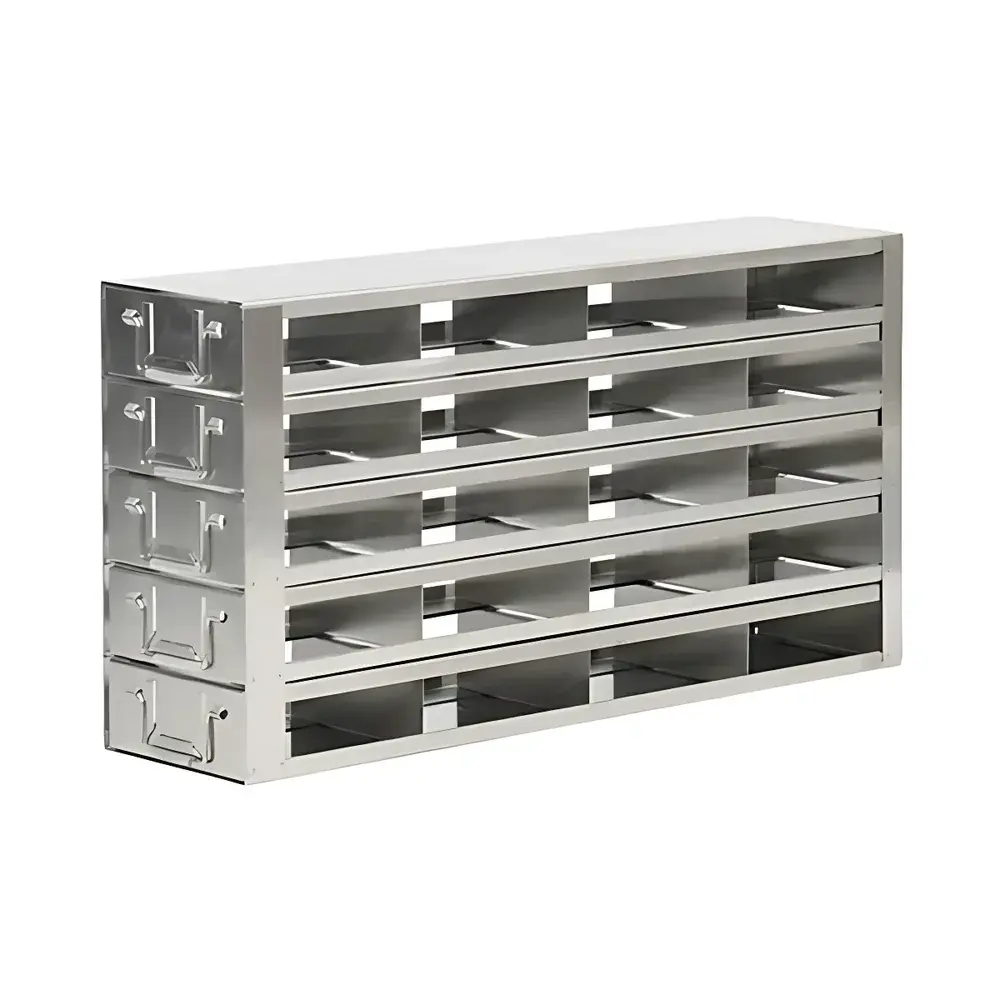
- Interior constructed from mirror-finish stainless steel (AISI 304) with rounded corners and adjustable shelving (standard 2-tier configuration); facilitates cleaning, sterilization validation, and spatial optimization for varied vessel formats (T-flasks, Petri dishes, multiwell plates).
- Power-loss recovery function retains user-defined parameters and resumes operation automatically after interruption—ensuring data continuity in facilities with unstable grid supply.
Sample Compatibility & Compliance
The DNP-9162 accommodates standard laboratory vessels including 175 cm² tissue culture flasks, stacked 96-well plates, and cylindrical bioreactor sleeves up to 120 mm in diameter. Its interior dimensions (500 × 500 × 650 mm W×D×H) allow vertical stacking of multiple shelf levels while preserving airflow integrity. The unit complies with IEC 61010-1:2010 safety standards for laboratory equipment and meets electromagnetic compatibility (EMC) Class B requirements per EN 61326-1. Optional accessories—including RS485 communication interface with Modbus RTU protocol support, embedded thermal printer (with timestamped log export), and inert gas inlet port with calibrated flow meter—enable integration into automated lab infrastructure and support audit-ready recordkeeping per ISO/IEC 17025 and USP analytical instrument qualification frameworks.
Software & Data Management
While the base model operates via standalone LCD interface, optional RS485 connectivity enables bidirectional communication with external SCADA systems or custom LIMS platforms using ASCII command sets. Data logging intervals (1–9999 minutes) are programmable; temperature history can be exported as CSV-compatible files for statistical process control (SPC) analysis. When paired with the optional embedded printer, the system generates tamper-evident hardcopy records compliant with ALCOA+ principles (Attributable, Legible, Contemporaneous, Original, Accurate). Firmware supports firmware version tracking and user-access level management—facilitating role-based permissions required under GxP environments.
Applications
- Mammalian and insect cell line maintenance (e.g., HEK293, CHO-K1, Sf9) under controlled CO₂-free conditions.
- Bacterial and fungal culture expansion for antibiotic susceptibility testing (AST) and bioburden assessment per ISO 11737-1.
- Enzyme kinetics assays requiring precise thermal stabilization between 25°C and 60°C.
- Seed germination studies and plant tissue culture protocols adhering to OECD TG 208 guidelines.
- Stability testing of diagnostic reagents and pharmaceutical intermediates per ICH Q1A(R2) accelerated conditions.
- Quality control of raw materials in food microbiology labs following ISO 6579-1 and AOAC 990.12 methods.
FAQ
What is the maximum operating temperature and its accuracy specification?
The DNP-9162 achieves a maximum setpoint of 65°C with a guaranteed resolution of 0.1°C and stability of ±0.5°C under no-load conditions at ambient 30°C.
Is the incubator suitable for use in cleanroom environments?
Yes—the smooth stainless-steel interior, absence of particulate-shedding components, and optional HEPA-filtered air inlet (available upon request) support ISO Class 5–8 cleanroom integration.
Can temperature profiles be programmed for multi-stage experiments?
Multi-segment programming is available via the optional P-series controller (DNP-9162P), supporting up to 30 ramp-hold cycles with independent rate and dwell settings.
Does the unit include calibration documentation?
Factory calibration certificates (NIST-traceable reference sensors) are provided; users may perform field verification using Class A platinum resistance thermometers per ASTM E2202.
What power requirements does the DNP-9162 demand?
It operates on single-phase AC 220 V ±10%, 50 Hz, with nominal input power of 550 W—compatible with standard laboratory circuits equipped with 16 A breakers.