
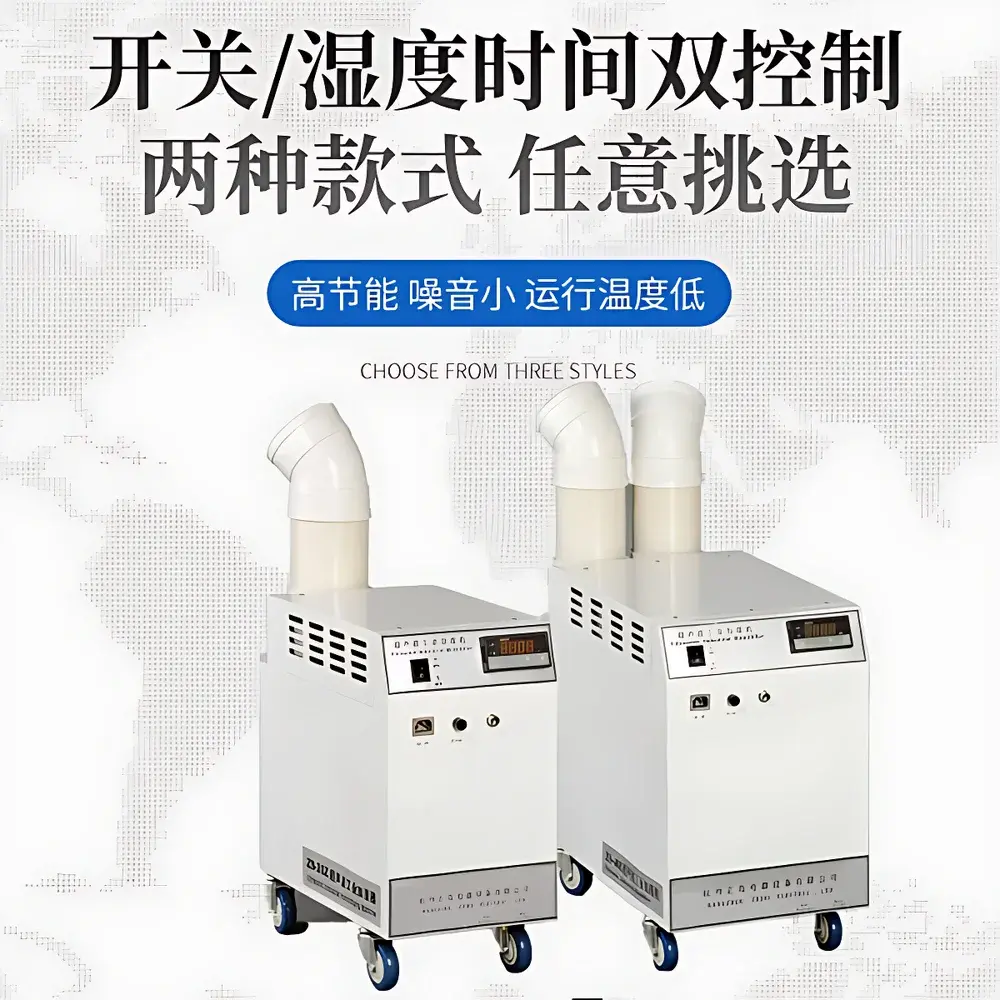
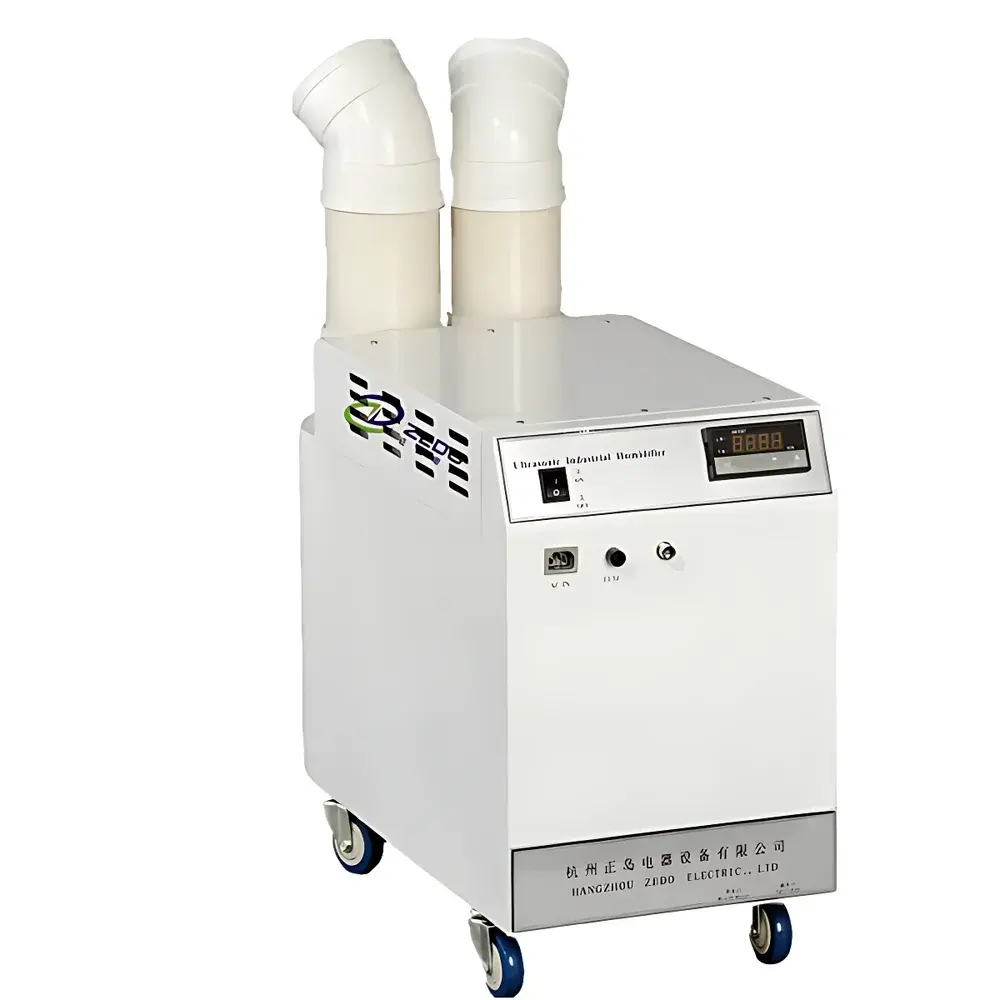
ZEDO ZS-80Z Anti-Static Ultrasonic Humidifier
| Brand | ZEDO |
|---|---|
| Origin | Zhejiang, China |
| Manufacturer Type | Direct Manufacturer |
| Product Category | Domestic (China-Made) |
| Model | ZS-80Z Anti-Static Humidifier |
| Instrument Type | Ultrasonic Humidifier |
| Humidification Capacity | 24 kg/h |
| Recommended Coverage Area | 200–300 m² |
| Power Supply | Variable-Frequency IP68-Sealed Power Module |
| 雾化核心 | Integrated Ceramic Ultrasonic Transducer (Alkaline/Acid-Resistant, 3000–5000 h Lifetime) |
| Fan | IP68-Rated 36V Ball-Bearing Waterproof Blower |
| Housing | Full Stainless Steel (AISI 304), Powder-Coated |
| Control System | Microprocessor-Based Controller with Japanese Shinyo High-Accuracy RH Sensor (±3% RH, 10–95% RH Range) |
| Mobility | Four Swivel Casters with Locking Brakes |
| Safety Features | Auto Water-Level Detection, Overflow Protection, Dry-Run Prevention |
Overview
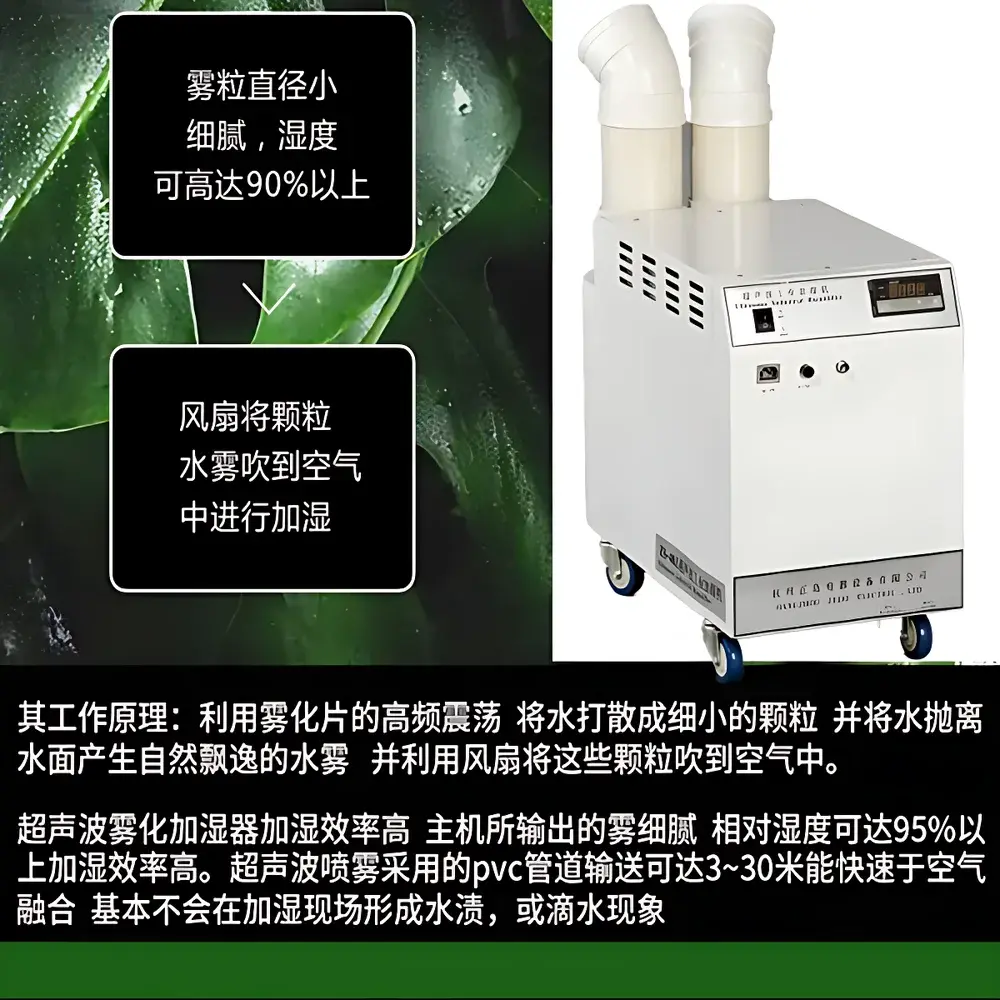
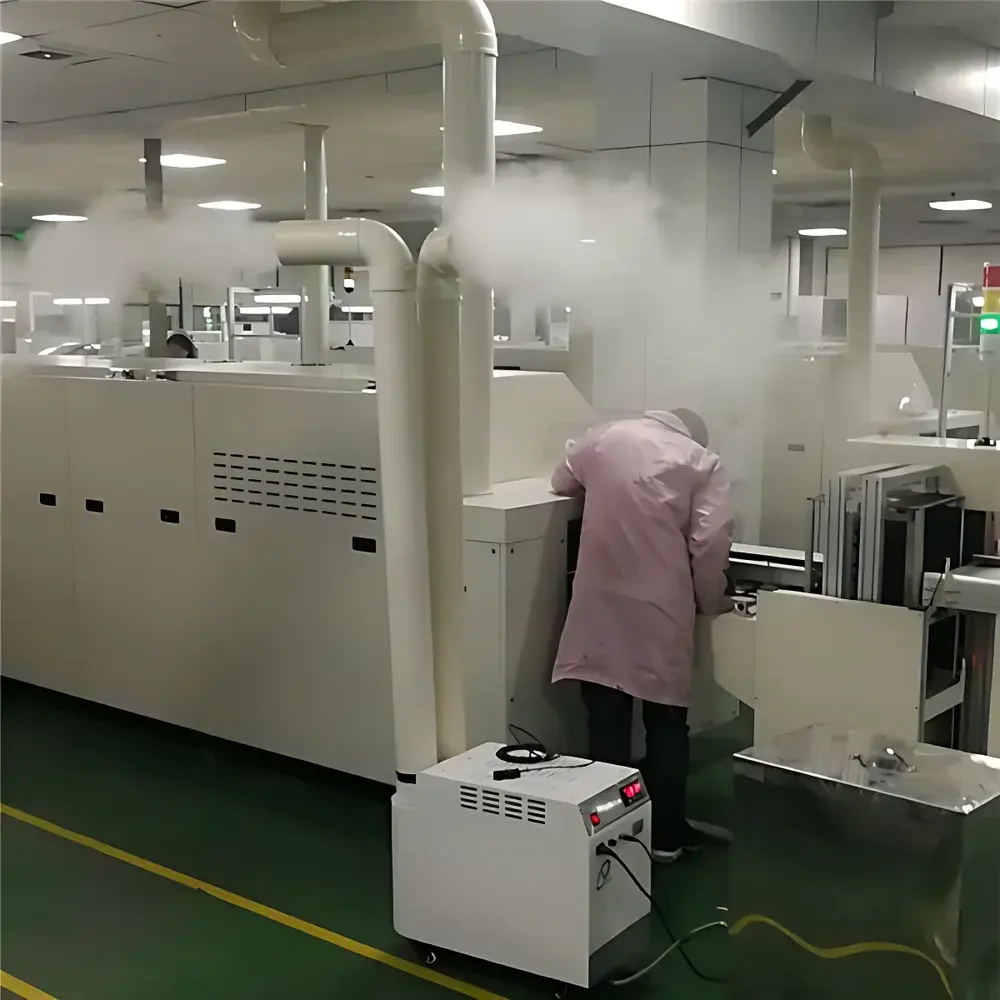
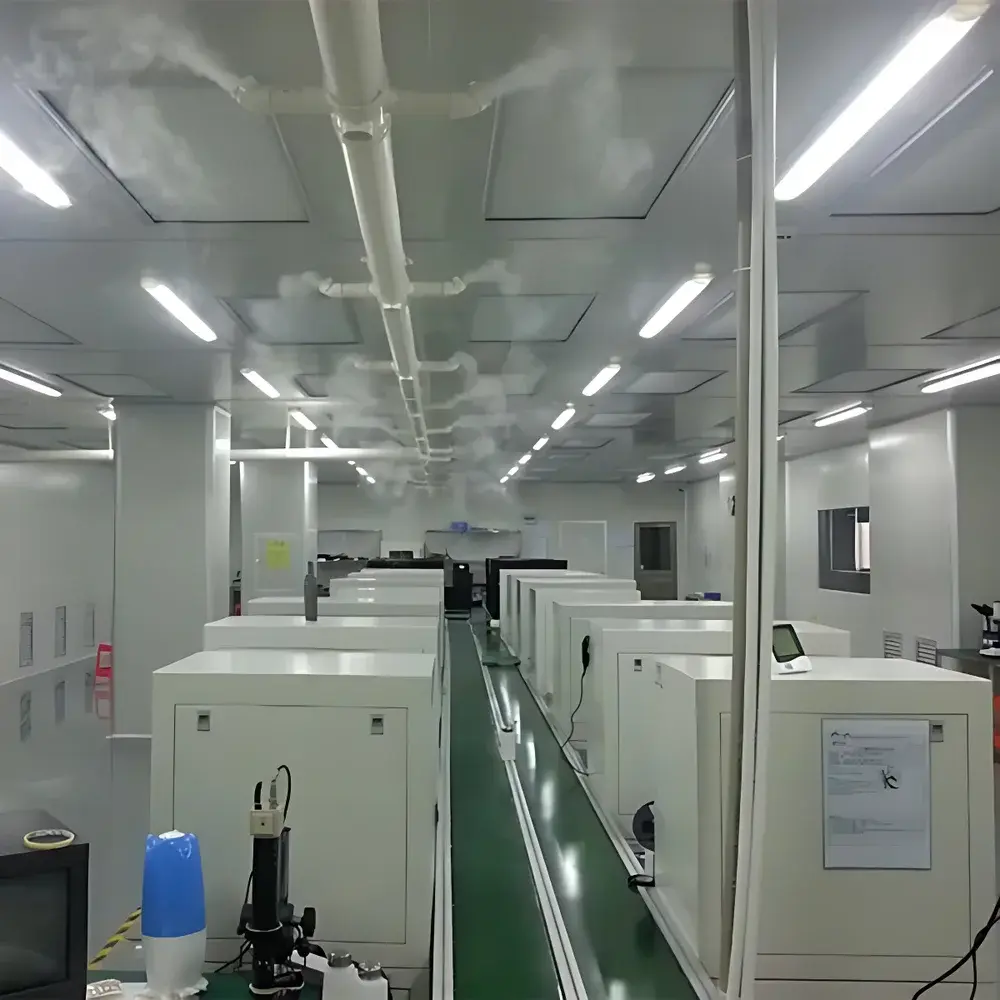
The ZEDO ZS-80Z Anti-Static Ultrasonic Humidifier is an industrial-grade environmental control system engineered for precision humidity stabilization in electrostatic-sensitive environments—including cleanrooms, semiconductor fabrication areas, PCB assembly lines, and precision metrology laboratories. It operates on the principle of high-frequency ultrasonic vibration (1.7 MHz) applied to deionized or softened water, generating sub-5 µm droplets that rapidly evaporate without wetting surfaces or introducing condensation. Unlike steam or evaporative systems, this method delivers rapid, energy-efficient humidification with zero mineral carryover—critical for maintaining ISO Class 5–8 cleanroom compliance and preventing electrostatic discharge (ESD) events. The unit is designed to sustain relative humidity (RH) within the ESD-preventive range of 40–70% RH, as specified in ANSI/ESD S20.20 and IEC 61340-5-1 standards. Its sealed architecture and corrosion-resistant materials ensure long-term operational integrity in controlled environments where particulate generation, microbial growth, and electrical safety are strictly regulated.
Key Features
- Full stainless-steel (AISI 304) enclosure with electrophoretic powder coating—resistant to oxidation, chemical exposure, and mechanical abrasion in industrial settings.
- Integrated ceramic ultrasonic transducer rated for alkaline and acidic water conditions; typical service life of 3,000–5,000 operating hours with minimal scaling or performance drift.
- IP68-rated variable-frequency power supply and fully potted control circuitry—capable of continuous submersion at 1 m depth without electrical failure, ensuring reliability in high-humidity or spill-prone zones.
- 36V DC waterproof blower with sealed ball bearings—provides stable airflow up to 1,200 m³/h with low vibration (<2.5 mm/s RMS), enabling uniform mist dispersion over large volumes without acoustic interference in noise-sensitive labs.
- Microprocessor-based controller featuring a calibrated Shinyo RH sensor (traceable to NIST standards), offering real-time feedback, programmable setpoints (30–80% RH), hysteresis control, and auto-compensation for ambient temperature drift.
- Modular design with four locking swivel casters—supports both fixed-position deployment and flexible reconfiguration across dynamic laboratory or production floor layouts.
Sample Compatibility & Compliance
The ZS-80Z is compatible with deionized water, reverse-osmosis (RO) water, and softened municipal supplies—minimizing scale accumulation and eliminating white dust residue. It meets structural and safety requirements for use in ISO 14644-1 cleanrooms and complies with CE marking directives (EMC Directive 2014/30/EU, Low Voltage Directive 2014/35/EU). While not certified to UL 867 or UL 1995, its IP68-rated components and grounded stainless-steel chassis satisfy grounding continuity requirements under ANSI/ESD STM97.1 for static-dissipative equipment. All firmware logic adheres to GLP-aligned data integrity principles: humidity logs include timestamped entries, operator ID fields (via optional RFID integration), and audit-trail-capable storage (≥30 days internal memory). No proprietary consumables or vendor-locked calibration protocols are required.
Software & Data Management
The onboard controller supports RS-485 Modbus RTU communication (standard) and optional Ethernet/Wi-Fi modules for integration into BMS or SCADA platforms. Humidity setpoints, runtime logs, fault codes (e.g., low-water, transducer impedance shift >15%), and sensor diagnostics are exportable as CSV via USB-C port. Firmware updates are performed offline using signed binary packages to prevent unauthorized modification—consistent with FDA 21 CFR Part 11 expectations for electronic records in regulated manufacturing. Optional cloud gateway enables remote monitoring of RH deviation alerts, maintenance scheduling (based on cumulative operating hours), and predictive analytics for transducer health using impedance trend analysis.
Applications
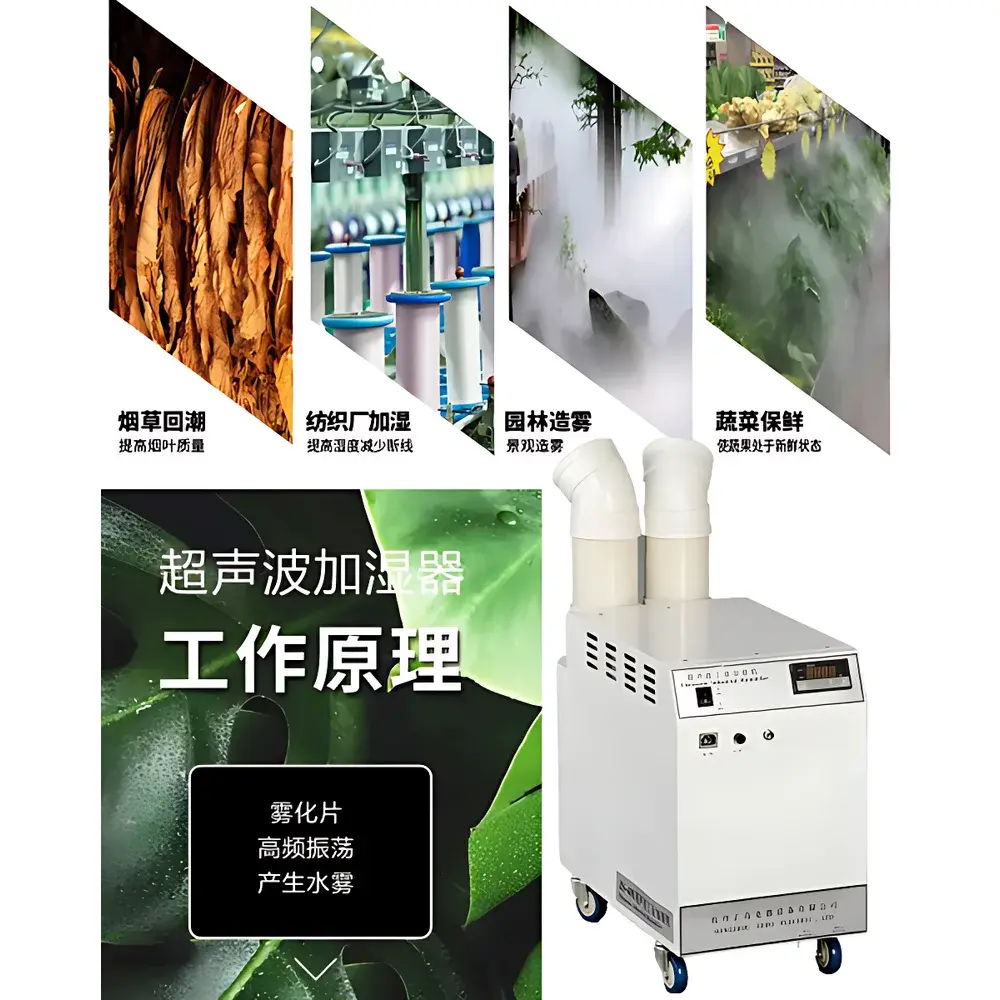
- Cleanroom humidity stabilization in semiconductor wafer fabs and LCD panel manufacturing—preventing particle adhesion and photomask charging.
- ESD-protected areas (EPAs) per ANSI/ESD S20.20: maintaining ≥40% RH to reduce surface resistivity of insulative materials and accelerate charge dissipation.
- Calibration laboratories housing mass standards, interferometers, or coordinate measuring machines (CMMs), where thermal expansion errors correlate directly with RH-induced dimensional drift.
- Pharmaceutical QC labs performing hygroscopic assay validation (e.g., USP ) requiring stable ambient RH during sample equilibration.
- Research facilities conducting triboelectric series experiments, dielectric breakdown testing, or nanomaterial handling under controlled electrostatic conditions.
FAQ
What is the recommended water quality for optimal operation?
Deionized water (conductivity 100 ppm may reduce transducer lifespan and necessitate quarterly descaling with citric acid solution.
Does the unit support external humidity sensor input for cascade control?
Yes—via analog 0–10 V or 4–20 mA input terminals, enabling closed-loop control using facility-wide RH master sensors.
How is calibration traceability maintained?
The Shinyo RH sensor is factory-calibrated against NIST-traceable hygrometers; calibration certificates (including uncertainty budgets) are supplied with each unit.
Can the ZS-80Z be integrated into a building management system (BMS)?
Standard Modbus RTU over RS-485 allows direct integration with most BACnet/IP or LonWorks gateways via protocol converters.
Is routine maintenance required beyond water tank cleaning?
Yes—quarterly inspection of transducer surface integrity, fan bearing lubrication status, and sensor response verification using saturated salt solutions (e.g., NaCl @ 75.3% RH at 25°C).



