
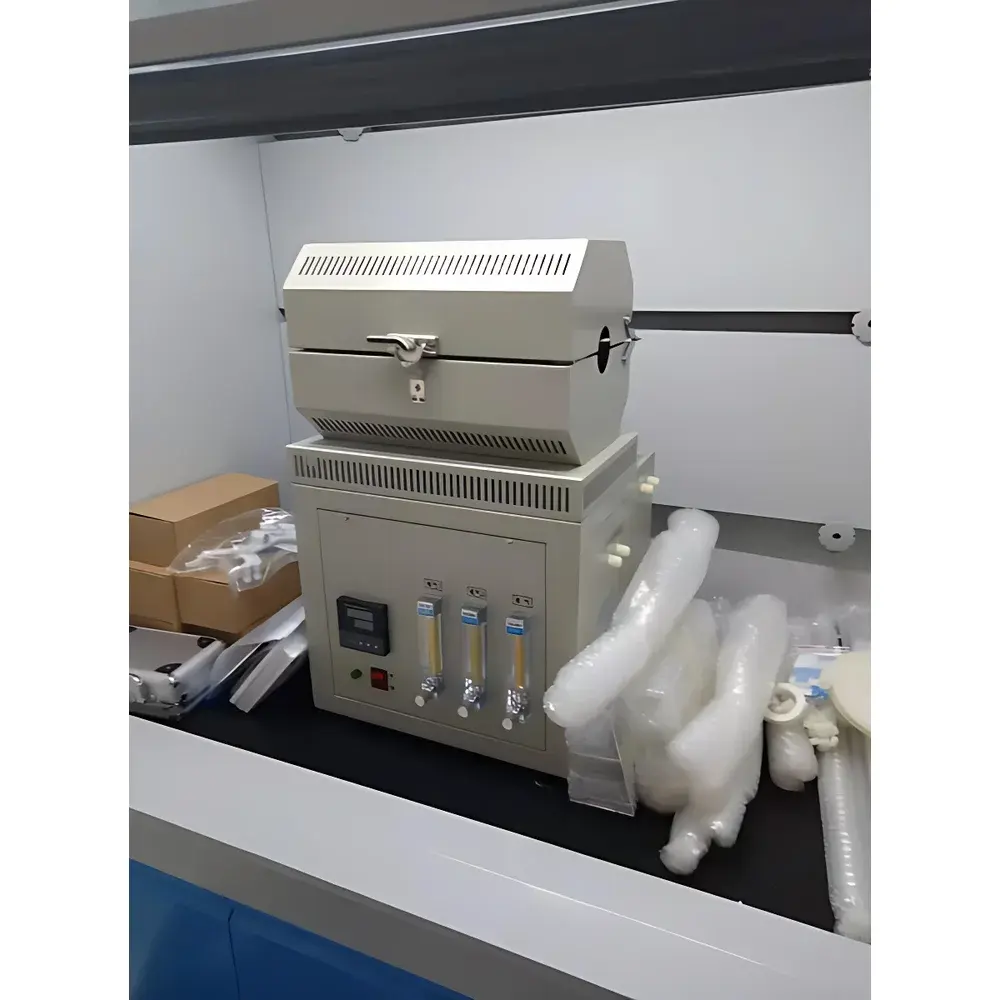
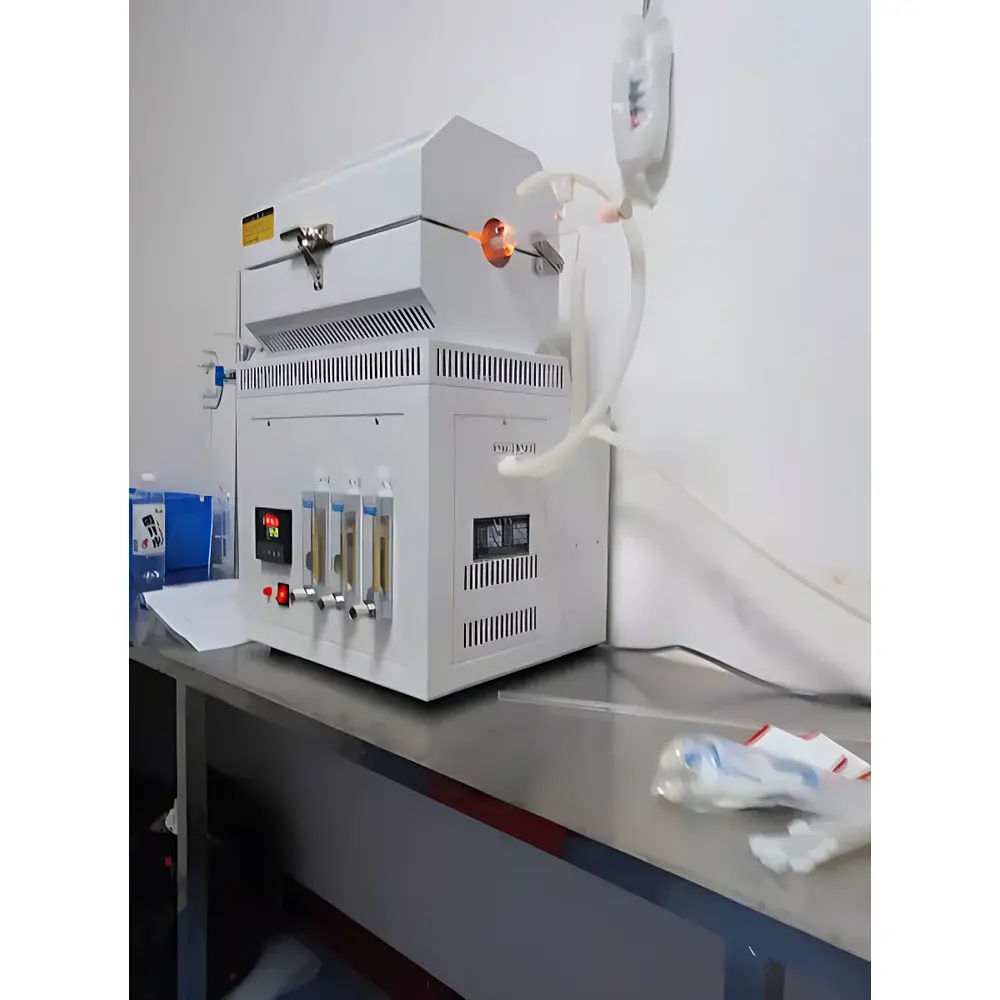
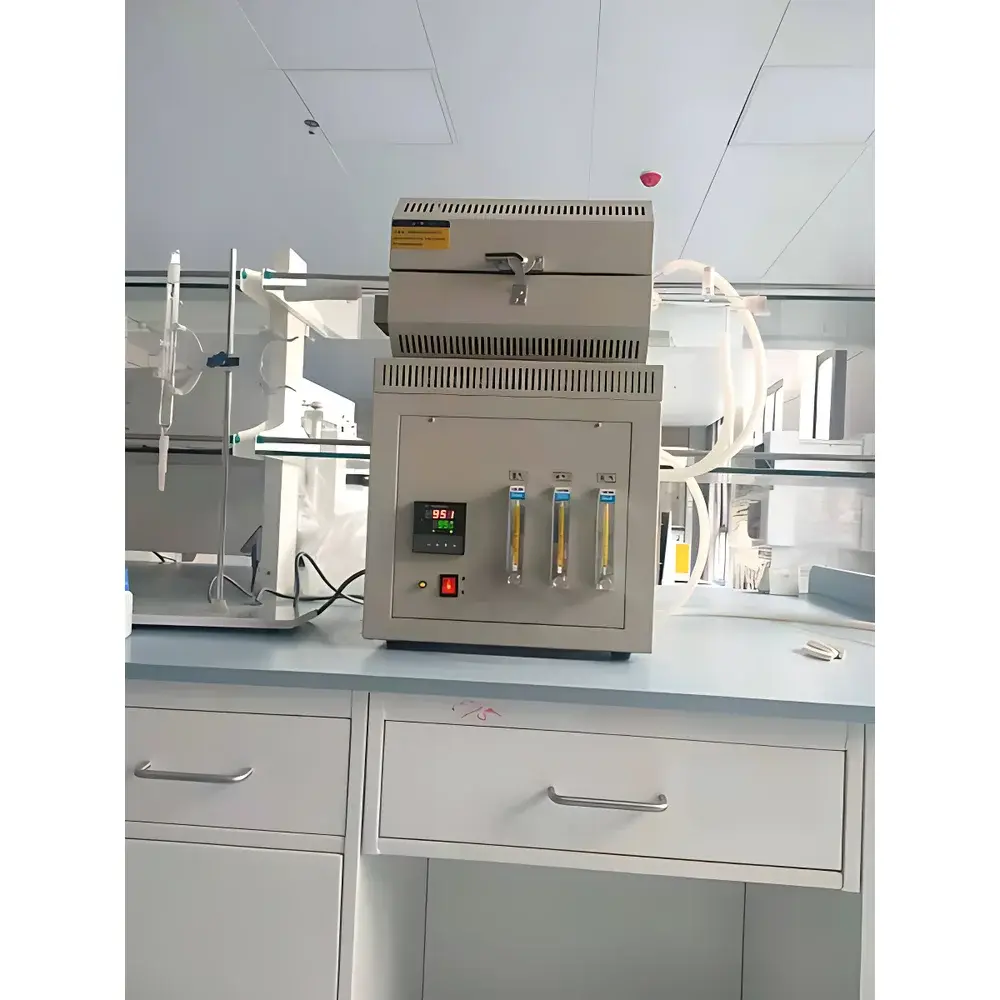
Zhuochi AOX-3 Adsorbable Organic Halogens (AOX) Analyzer
| Brand | Zhuochi |
|---|---|
| Origin | Zhejiang, China |
| Model | AOX-3 |
| Measurement Principle | Combustion–Coulometric Titration |
| Measurement Range | 0.8–1000 µg/L |
| Accuracy | <5% |
| Repeatability | <5% |
| Limit of Detection (LOD) | 0.8 µg/L |
| Resolution | 0.8 µg/L |
| Compliance | HJ/T 83–2001, ISO 9562:1989, GB/T 15959–1995 |
Overview
The Zhuochi AOX-3 Adsorbable Organic Halogens (AOX) Analyzer is a dedicated benchtop combustion–coulometric system engineered for the quantitative determination of adsorbable organic halogens in aqueous environmental samples. It operates on the principle of high-temperature catalytic combustion (900–950 °C) followed by selective electrochemical detection via microcoulometric titration. During analysis, organic halogen compounds—including chlorinated, brominated, and iodinated species—are quantitatively converted to halide ions (Cl⁻, Br⁻, I⁻) in an oxygen-rich quartz furnace. The resulting halide ions are absorbed into an electrolyte solution and measured with high sensitivity using a dual-electrode coulometric cell. This method delivers trace-level quantification without chromatographic separation, offering robustness, minimal reagent consumption, and direct correlation to regulatory reporting units (µg/L as Cl). The instrument is specifically designed to meet the stringent performance requirements of standardized methods for AOX monitoring in wastewater, surface water, drinking water, and leachates.
Key Features
- Integrated high-temperature combustion unit with programmable temperature ramping (up to 950 °C) and ceramic-packed quartz reactor for complete mineralization of refractory organohalogens
- Microcoulometric detection module featuring a precision-controlled dual-electrode cell with real-time current integration and automatic endpoint recognition
- Automated sample introduction via disposable quartz boats or pre-packed sample cups—compatible with solid-phase extraction (SPE) cartridges for matrix cleanup
- Embedded calibration verification protocol using certified KCl standard solutions at multiple concentration levels (0.8, 10, 100, and 1000 µg/L)
- Rugged industrial-grade housing with integrated gas flow control (O₂ purity ≥99.995%), desiccant trap, and catalytic scrubber for CO₂ and SO₂ removal
- Self-diagnostic firmware with error logging, sensor health monitoring, and audit-ready operational timestamps
Sample Compatibility & Compliance
The AOX-3 supports liquid samples (e.g., filtered wastewater, river water, effluent) and solid samples (e.g., sediments, sludge, soil extracts) following standardized adsorption protocols per HJ/T 83–2001. Sample preparation includes activated carbon adsorption, acidification, and rinsing—all performed externally per method specifications. The system complies fully with three internationally recognized standards: HJ/T 83–2001 (China EPA), ISO 9562:1989 (Water quality — Determination of adsorbable organic halogens (AOX) — Microcoulometric method), and GB/T 15959–1995 (identical technical content to ISO 9562). All measurement outputs satisfy QA/QC criteria for regulatory submission, including documented LOD verification, spike recovery testing (70–115%), and within-batch repeatability (RSD <5%). Instrument performance data are compatible with GLP-compliant laboratory documentation systems.
Software & Data Management
The AOX-3 operates via embedded firmware with a tactile LCD interface and optional USB/RS-232 connectivity for external data capture. Measurement sequences—including blank subtraction, calibration curve generation (linear regression, R² ≥0.999), and sample quantification—are executed automatically. Raw coulometric charge integrals, temperature profiles, and gas flow logs are stored with ISO 8601 timestamps and user-defined sample IDs. Exported CSV files contain all raw and processed values required for LIMS integration. While the base configuration does not include 21 CFR Part 11-compliant electronic signatures, the data structure supports third-party validation packages for GMP/GLP environments where full audit trails and role-based access control are mandated.
Applications
- Regulatory compliance monitoring of AOX in municipal and industrial wastewater treatment plant discharges
- Process control in pulp and paper mills, chlor-alkali facilities, and pharmaceutical manufacturing sites
- Environmental impact assessment of landfill leachate and contaminated groundwater plumes
- Method validation and interlaboratory comparison studies under ISO/IEC 17025 accreditation frameworks
- Research on halogenated disinfection byproduct (DBP) formation kinetics in chlorinated drinking water systems
FAQ
What sample volume is required for analysis?
Typical aqueous samples require 10–50 mL pre-concentrated via activated carbon adsorption; final eluate volume is standardized to 10 mL prior to injection.
Can the AOX-3 analyze brominated or iodinated compounds separately from chlorine?
No—the method reports total adsorbable organic halogens (AOX) as chloride-equivalent mass concentration; speciation requires coupling with IC-MS or HR-GC/MS.
Is routine maintenance limited to consumables?
Yes—primary consumables include quartz boats, activated carbon cartridges, AgNO₃ electrolyte solution, and O₂ gas filters; furnace catalysts are rated for ≥10,000 analyses.
How is system performance verified between sample batches?
A procedural blank and certified reference material (CRM) spike are analyzed every 10 samples; recovery must remain within 70–115% to maintain analytical validity.
Does the instrument support unattended operation?
The AOX-3 operates sequentially but lacks robotic autosampling; up to 24 samples can be prepared manually and loaded in sequence with <5 min operator intervention per run.
Related Products







