
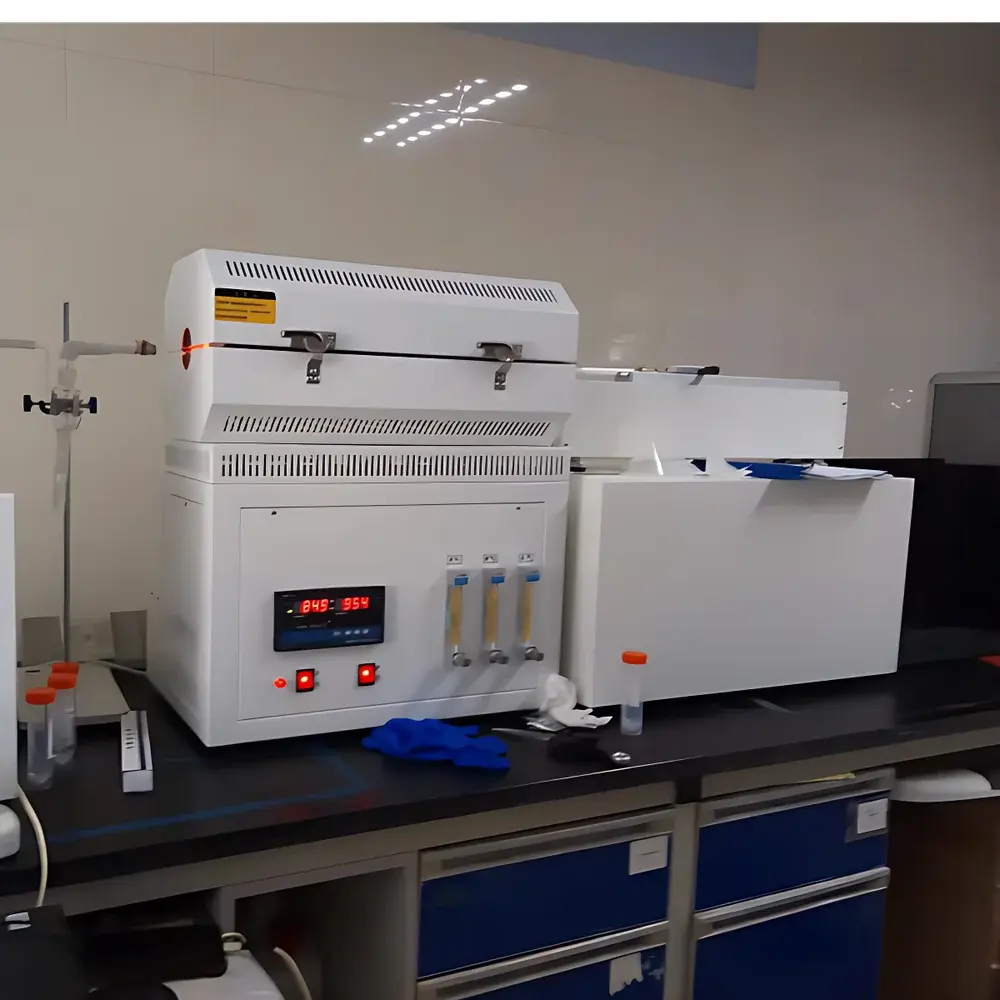
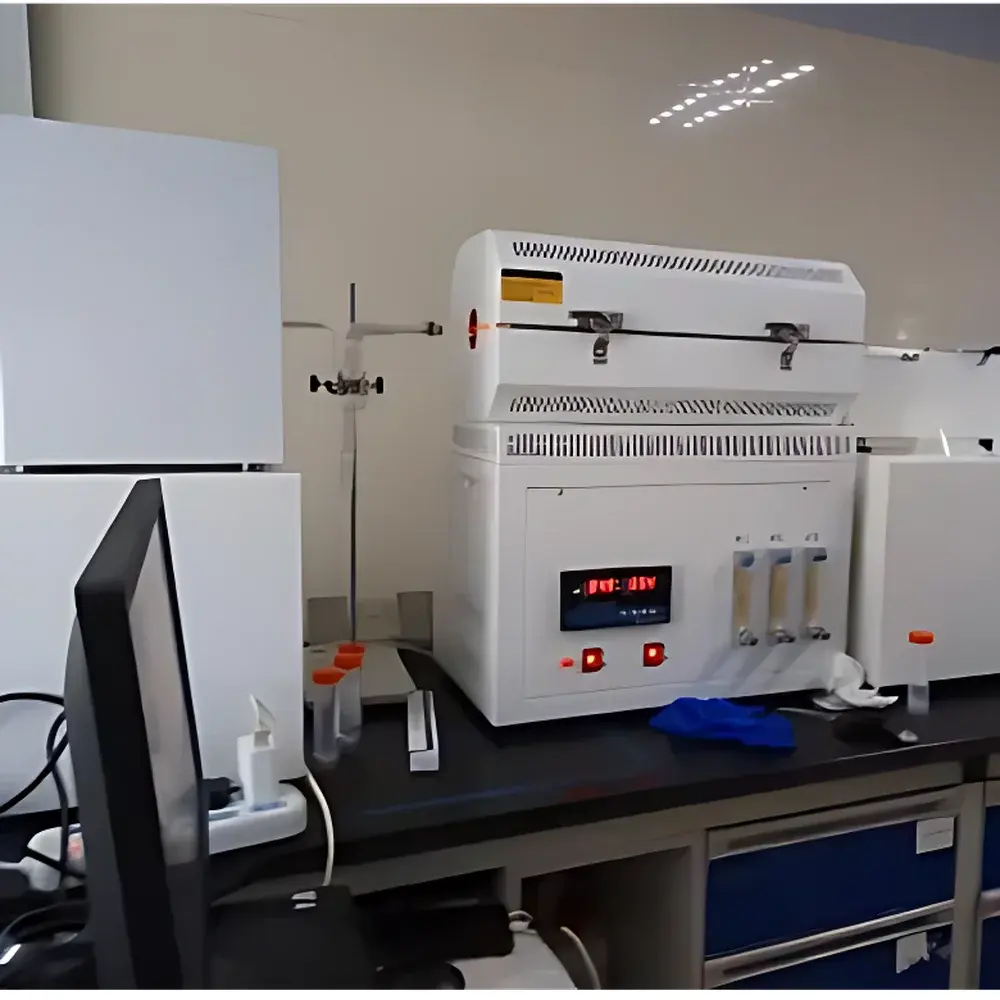
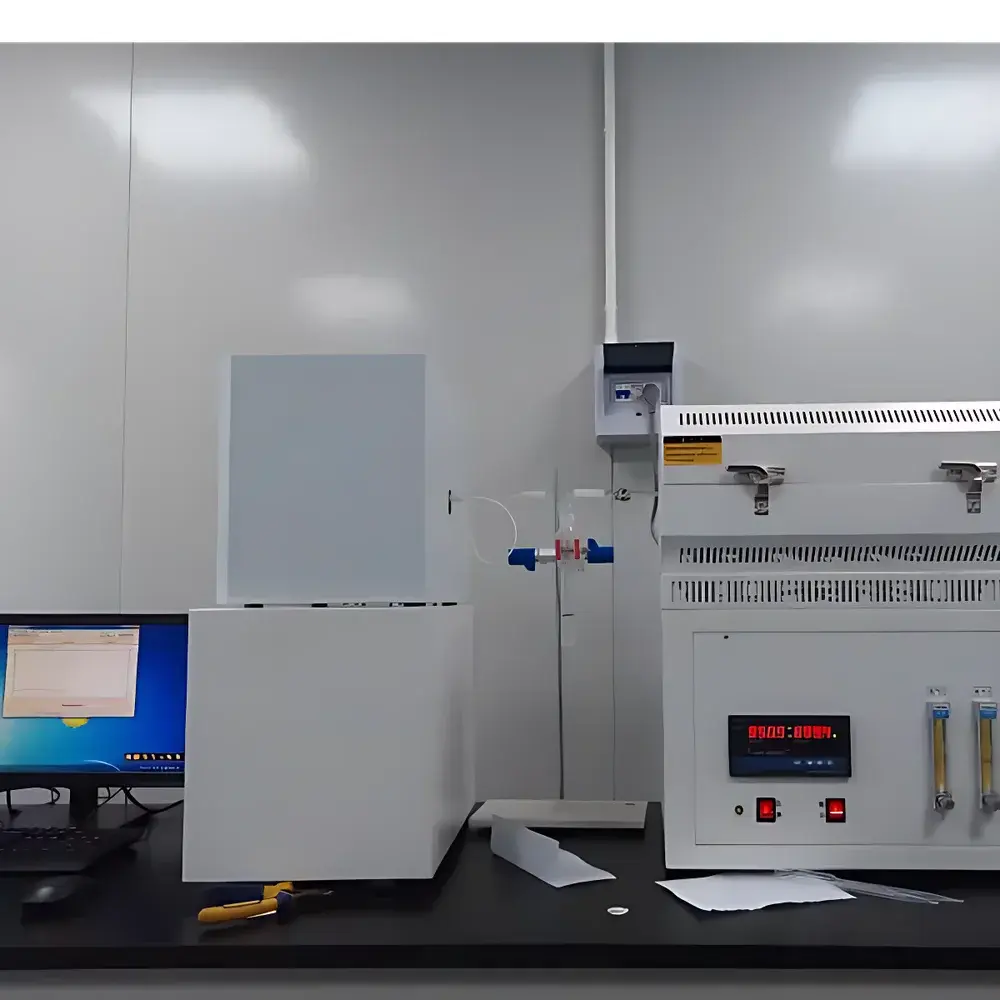
Zhuochi AOX-WK-3 Microcoulometric Adsorbable Organic Halogens (AOX) Analyzer for GB/T 34845–2017 and GB/T 22904–2008
| Brand | Zhuochi |
|---|---|
| Origin | Zhejiang, China |
| Model | AOX-WK-3 Microcoulometric |
| Compliance | GB/T 34845–2017, GB/T 22904–2008 |
| Configuration | Complete AOX determination system with combustion furnace, microcoulometric titration unit, adsorption module, and dedicated software |
Overview
The Zhuochi AOX-WK-3 Microcoulometric Adsorbable Organic Halogens (AOX) Analyzer is a fully integrated, standards-compliant instrumentation system engineered for the precise quantification of adsorbable organic halogen compounds in pulp, paper, tissue, and related aqueous extracts—strictly in accordance with Chinese national standards GB/T 34845–2017 (“Determination of Adsorbable Organic Halogens (AOX) in Household Tissue Paper”) and GB/T 22904–2008 (“Determination of Total Chlorine and Organic Chlorine in Pulp, Paper and Board”). The system operates on the principle of high-temperature catalytic combustion (900–1100 °C) followed by microcoulometric detection: halogenated organics are pyrolyzed to hydrogen halides (HX), absorbed in an electrolyte solution, and quantified via coulometric titration using silver ions generated electrochemically at a controlled current. This method delivers high specificity for total adsorbed halogens (Cl, Br, I), with negligible interference from inorganic halides when pretreated per standard protocols. Designed for routine QC laboratories in paper manufacturing, tissue production, and environmental compliance testing, the AOX-WK-3 provides trace-level sensitivity (detection limit ≤ 5 µg/L as Cl), reproducible recovery (>85% for certified reference materials), and robust thermal and electrochemical stability.
Key Features
- Integrated dual-zone combustion furnace optimized for complete oxidative decomposition of halogenated organics in solid and extract samples, with programmable temperature ramping and inert gas (N₂/O₂) flow control.
- Patented microcoulometric cell with Ag/Ag⁺ electrode pair and low-noise potentiostatic circuitry, ensuring stable baseline and high charge-resolution detection.
- Dedicated AOX sample introduction module including custom quartz sample boats, ceramic combustion tubes, and motorized push-rod injector for repeatable, contamination-free loading.
- Modular adsorption system featuring activated carbon columns (AOX-specific charcoal), nitrogen-pressure-assisted elution, and integrated vacuum filtration (250 mL capacity) with chlorine-free filter paper support.
- Stainless-steel magnetic stirrer and enclosed stirring workstation to maintain consistent absorption kinetics and prevent volatile loss during HX trapping.
- Full hardware suite included: DB9-serial communication interface for instrument–PC synchronization, dry-gas purification train (desiccant tube + holder), and vibration-controlled adsorption shaker.
Sample Compatibility & Compliance
The AOX-WK-3 accommodates diverse sample matrices defined in GB/T 34845–2017 and GB/T 22904–2008, including wet-strength tissue, bleached/unbleached pulp suspensions, paper extracts, and process water from paper mills. Solid samples are extracted per standard procedures (e.g., 1:10 w/v NaOH extraction at 60 °C), while liquid samples undergo direct adsorption or dilution prior to analysis. All components—including quartz crucibles, stainless steel clamps, and chlorine-free filtration media—meet strict halogen-free material requirements specified in both standards. System validation adheres to GLP principles: calibration verification with potassium benzoate and 4-chlorophenol reference standards, blank correction using deionized water and activated carbon controls, and documented recovery studies across 10–500 µg/L Cl-equivalent ranges. The configuration satisfies audit readiness for internal quality audits and third-party certification under ISO/IEC 17025–2017.
Software & Data Management
The embedded microcoulometric software (Windows-based, pre-installed on supplied industrial PC) supports full method setup, real-time coulometric charge integration, automatic peak identification, and calculation of AOX concentration (µg/L or mg/kg) using built-in standard curves. Data files are saved in proprietary .AOX binary format with embedded metadata (operator ID, date/time stamp, sample ID, calibration status). Export options include CSV and PDF reports compliant with laboratory record retention policies. Audit trail functionality logs all user actions—including method edits, calibration events, and result overrides—with time-stamped entries. Software architecture aligns with FDA 21 CFR Part 11 requirements for electronic records and signatures when deployed with Windows Group Policy enforcement and user access tiering (Admin/Operator/Viewer).
Applications
- Quality control of household tissue and sanitary paper products for regulatory AOX compliance prior to market release.
- Monitoring chlorine-based bleaching efficiency and organic halogen formation in pulp mill effluents and recycled fiber streams.
- Supporting environmental impact assessments for paper manufacturing facilities under local discharge permits.
- Method validation and interlaboratory comparison studies aligned with CNAS-accredited testing protocols.
- Research into alternative bleaching agents (e.g., ozone, peroxide) by quantifying residual halogenated byproducts.
FAQ
What standards does the AOX-WK-3 explicitly support?
GB/T 34845–2017 (Household Tissue Paper) and GB/T 22904–2008 (Pulp, Paper and Board), including all specified reagents, apparatus configurations, and calculation methodologies.
Is the system compatible with international AOX methods such as ISO 9562 or EPA 1650?
While hardware architecture permits adaptation, official validation and application notes for ISO 9562 or EPA 1650 are not provided; users must perform method transfer and verification per their laboratory’s SOPs.
What maintenance is required for long-term microcoulometric accuracy?
Daily electrode cleaning with ultrapure water, weekly replacement of electrolyte (AgNO₃/HNO₃ solution), quarterly recalibration using certified standards, and annual furnace thermocouple verification.
Can the system analyze bromine- or iodine-containing compounds alongside chlorine?
Yes—the microcoulometric detection is non-selective for halide anions; results are reported as total halogen expressed as chlorine equivalents (Cl⁻), per standard convention.
Is remote diagnostics or firmware update capability available?
Firmware updates are performed locally via USB drive; remote desktop support is available upon request for troubleshooting, subject to network security policies.
Related Products







