
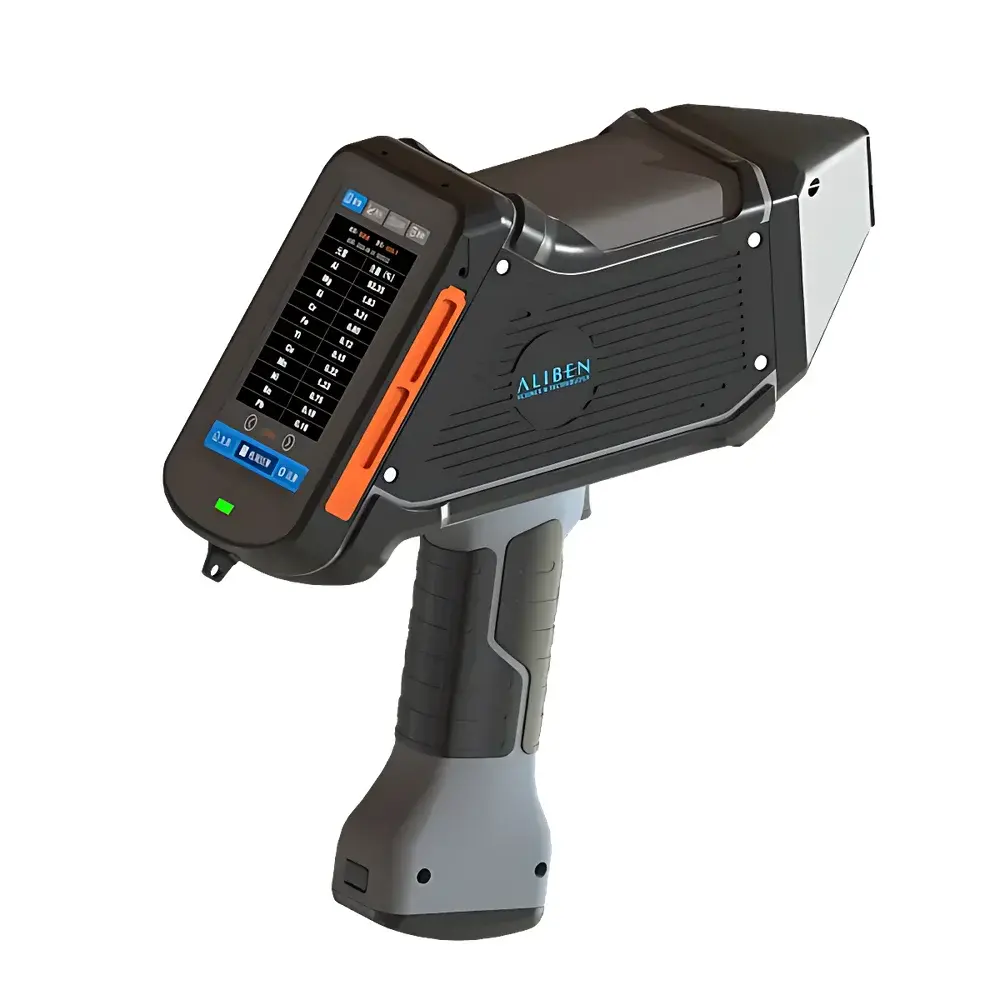
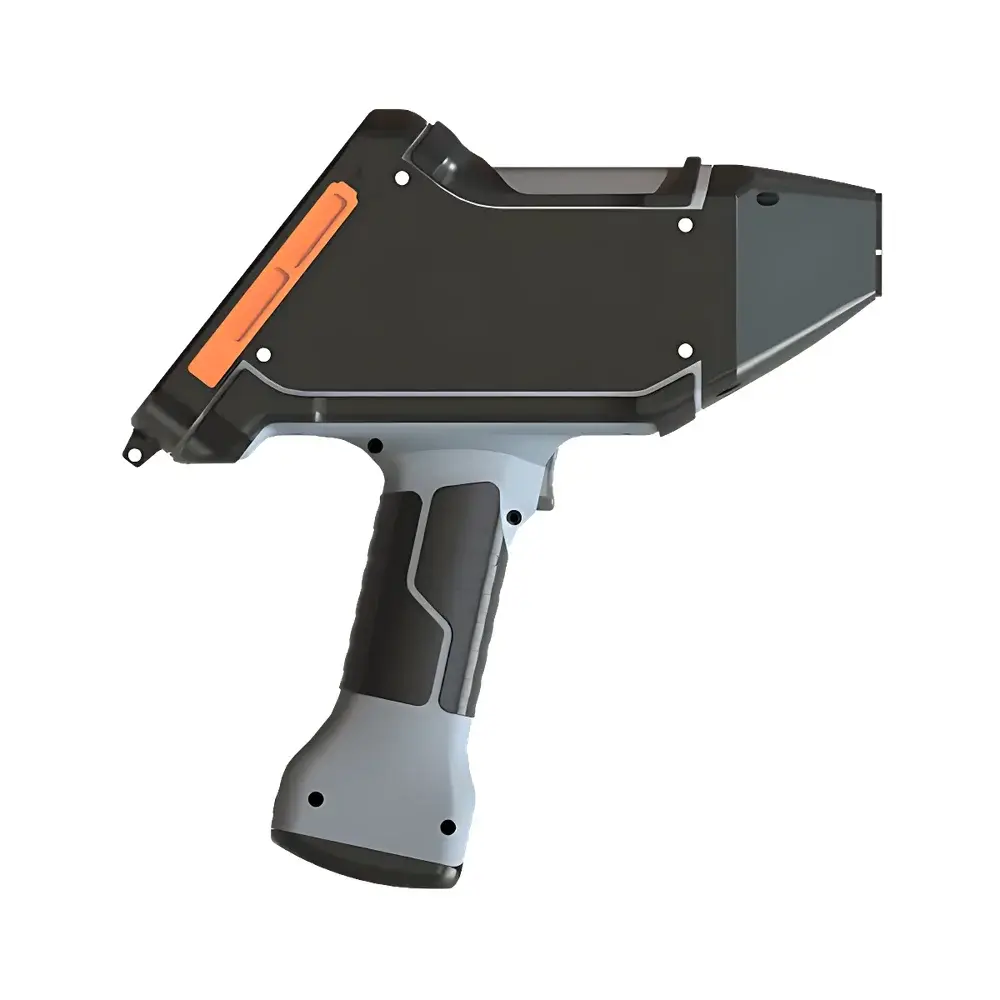
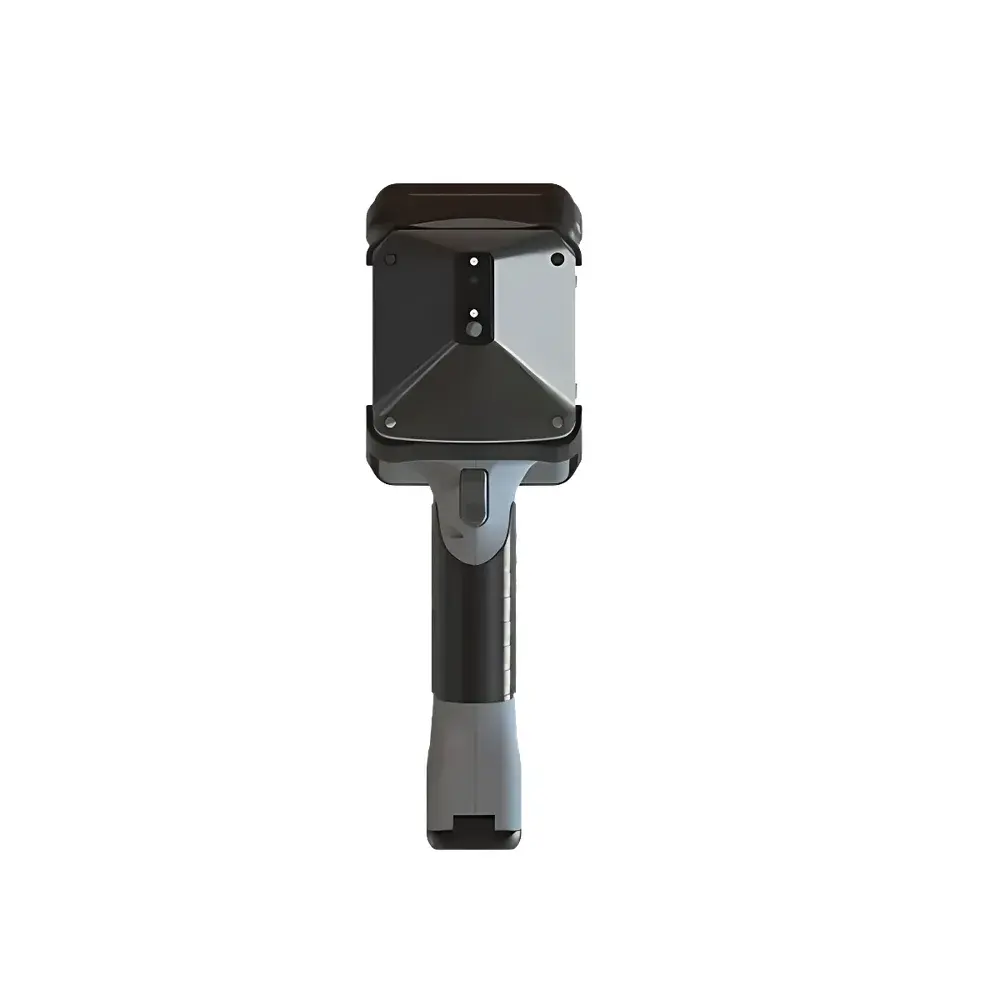
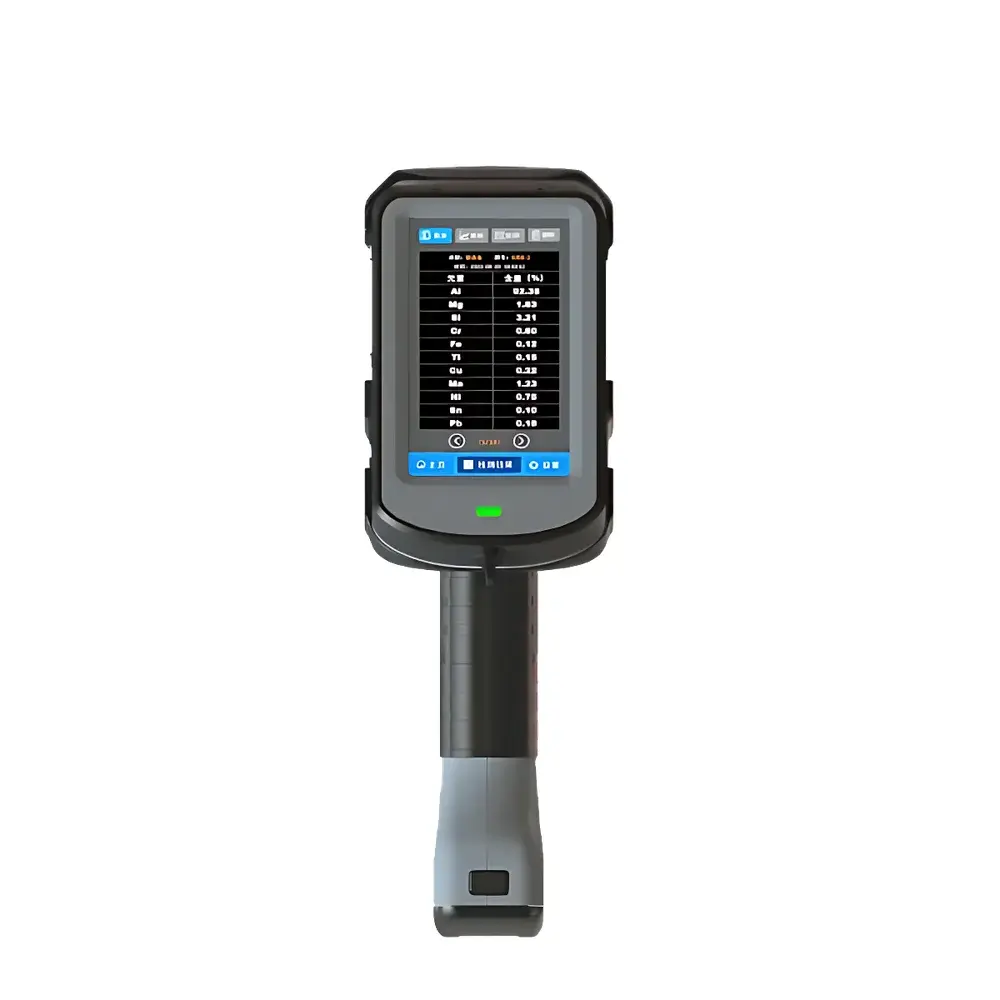
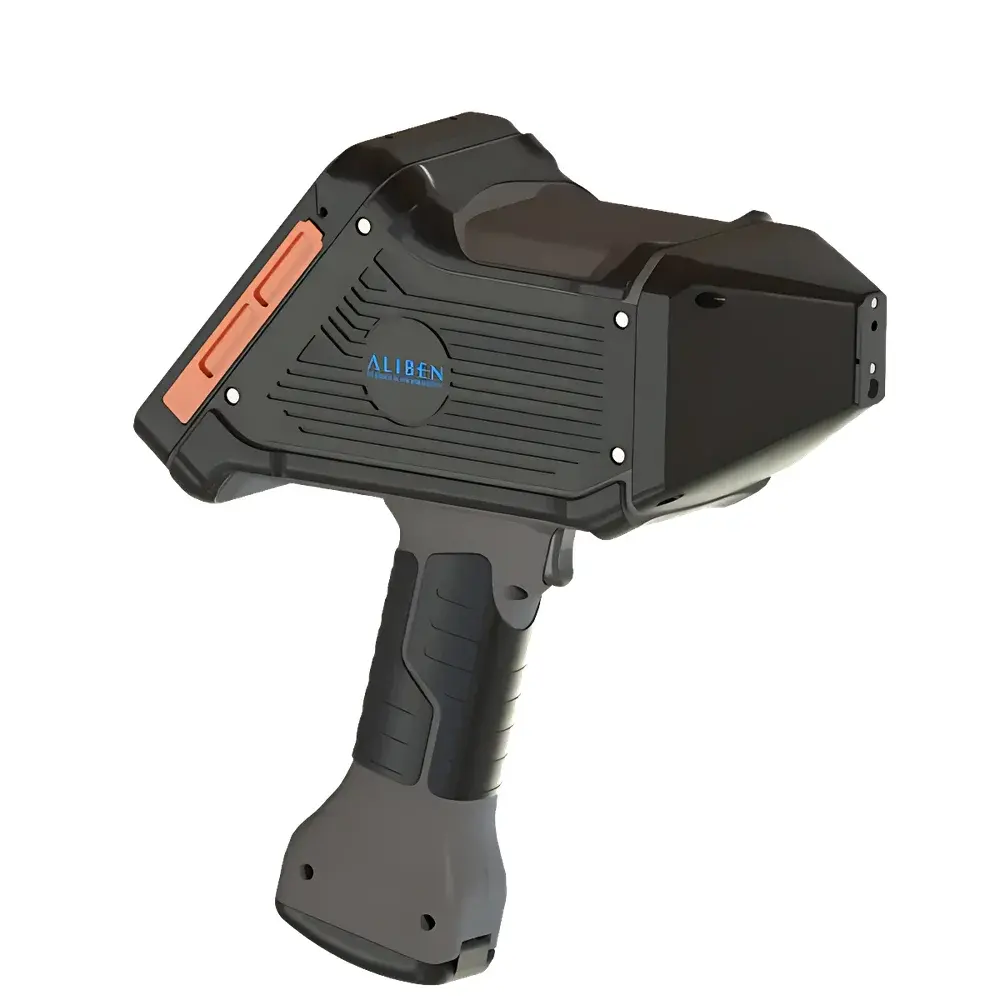
Aliben LMHJ.B02 Handheld Laser-Induced Breakdown Spectroscopy (LIBS) Analyzer
| Brand | Aliben |
|---|---|
| Origin | Sichuan, China |
| Manufacturer Type | Manufacturer |
| Regional Category | Domestic (China) |
| Model | LMHJ.B02 |
| Instrument Type | Handheld |
Overview
The Aliben LMHJ.B02 Handheld Laser-Induced Breakdown Spectroscopy (LIBS) Analyzer is an industrial-grade elemental analysis instrument engineered for rapid, in-situ identification and quantitative screening of metallic alloys. It operates on the fundamental principle of laser-induced plasma generation: a pulsed Nd:YAG laser (typically 1064 nm, nanosecond pulse width) is focused onto the sample surface, generating localized micro-plasma (>10,000 K). As the plasma cools, excited atoms and ions emit characteristic atomic and ionic emission lines across the UV–VIS–NIR spectral range (typically 190–850 nm). These spectra are collected via high-throughput optics and resolved by a compact Czerny–Turner spectrometer with CCD or CMOS detector arrays. Unlike XRF, LIBS requires no radioactive sources and enables direct detection of light elements (Z < 12), including Li, Be, B, C, N, O, F, Na, Mg, and Al—critical for aluminum, titanium, and magnesium alloy grading.
Key Features
- Light-element capability: Optimized optical path and low-noise detector enable reliable detection of Be, Mg, Al, Si, and C—elements often inaccessible to handheld XRF in routine field use.
- True handheld ergonomics: Weighing 1.75 kg inclusive of integrated rechargeable Li-ion battery; designed for extended operation (>8 hours typical duty cycle under standard ambient conditions).
- Class 1 laser safety compliance: Fully interlocked beam path and automatic shutter system ensure compliance with IEC 60825-1:2014, eliminating need for external laser safety training or PPE during normal operation.
- Direct solid sampling: No sample preparation required—analysis performed directly on raw, oxidized, painted, or coated metal surfaces without grinding or polishing.
- Ruggedized industrial design: IP54-rated enclosure with shock-absorbing polymer housing and reinforced magnesium alloy frame; tested per MIL-STD-810G for drop, vibration, and thermal cycling.
Sample Compatibility & Compliance
The LMHJ.B02 is validated for direct analysis of ferrous and non-ferrous alloys—including carbon steels, stainless steels (300/400 series), tool steels, duplex/super duplex grades, aluminum alloys (e.g., 2xxx, 6xxx, 7xxx), nickel-based superalloys (Inconel®, Hastelloy®), titanium alloys (Ti-6Al-4V), copper–nickel, brass, bronze, zinc die-cast, and precious metal alloys. It supports Positive Material Identification (PMI) workflows aligned with ASTM E2109–22 (Standard Test Method for Determining Alloy Composition by Portable Spectrometers) and ASME B31.3 Appendix A requirements. Device firmware includes audit trail logging and user access controls compatible with GLP/GMP documentation practices; optional configuration supports 21 CFR Part 11-compliant electronic signatures when paired with validated software modules.
Software & Data Management
Embedded Android-based operating system runs Aliben SpectraView™ v3.x software, featuring real-time spectral visualization, multivariate calibration models (PLS, PCA), and grade-matching algorithms trained on >12,000 certified reference materials. Data export supports CSV, XML, and PDF report generation with embedded spectral plots, measurement metadata (laser energy, gate delay, integration time), and uncertainty estimates. Cloud synchronization via secure TLS 1.2 connection enables centralized fleet management, remote calibration updates, and traceable data archiving compliant with ISO/IEC 17025:2017 clause 7.5.2.
Applications
- Scrap metal sorting and recycling stream verification
- In-process PMI at fabrication yards, pipe mills, and power plant maintenance sites
- Weld deposit verification and heat-affected zone (HAZ) analysis
- Quality assurance of incoming raw materials and finished components
- Field-based failure analysis support for metallurgical investigations
- Regulatory compliance checks in oil & gas, nuclear, aerospace, and pharmaceutical infrastructure projects
FAQ
Does the LMHJ.B02 require argon purging for light-element analysis?
No—its sealed, nitrogen-purged optical bench eliminates atmospheric O₂ and H₂O absorption bands, enabling stable Be and C detection without external gas supply.
Can it analyze coated or corroded surfaces?
Yes—adaptive pulse energy control and automated surface ablation depth optimization allow robust analysis through thin oxides, mill scale, and polymer coatings up to 150 µm thickness.
What calibration standards are supported?
Pre-loaded factory calibrations cover 32 alloy families per ASTM E2109; users may import custom CRM libraries or generate site-specific models using NIST-traceable reference samples.
Is spectral data export compatible with third-party chemometric software?
Yes—raw intensity matrices (.csv) and calibrated concentration tables (.xlsx) are natively supported; spectral files conform to JCAMP-DX v6.00 format for interoperability with Unscrambler®, MATLAB, or Python-based analysis pipelines.
Related Products





