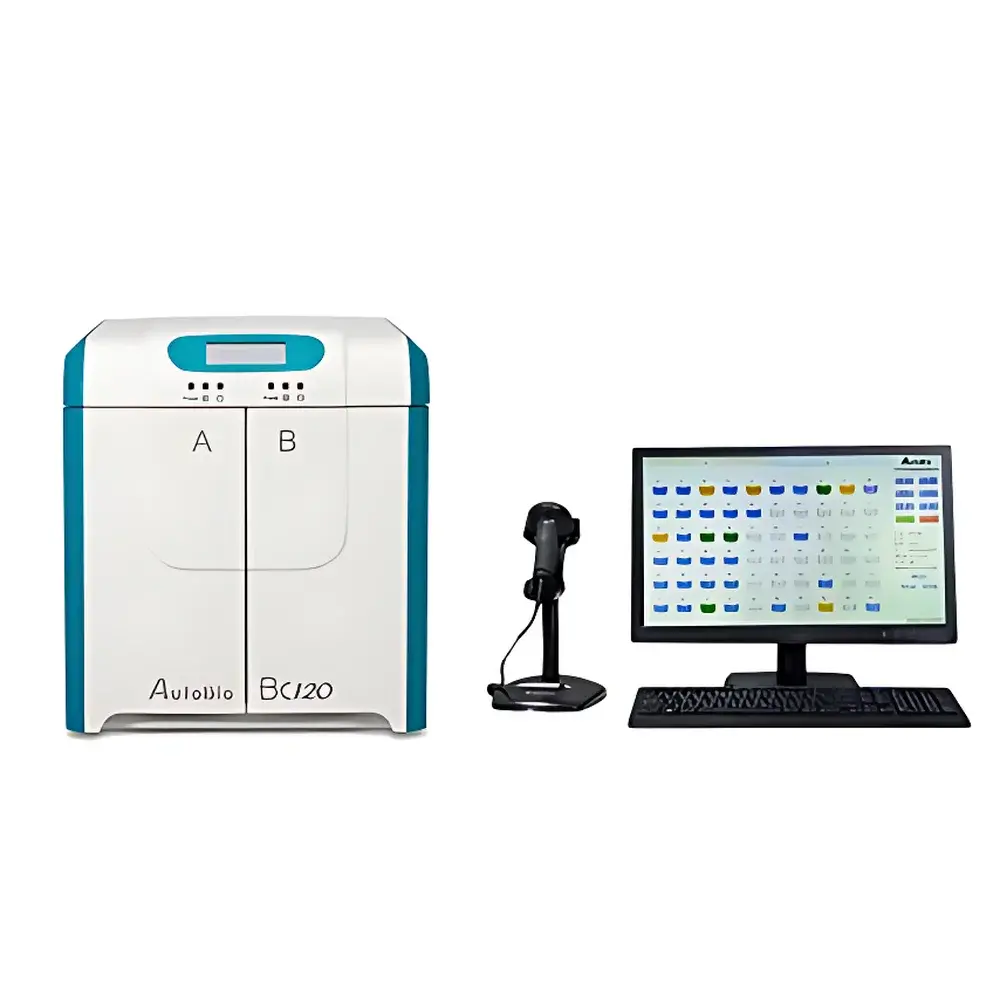
Autobio BC120 Automated Blood Culture System
| Brand | Autobio |
|---|---|
| Model | BC120 |
| Capacity | 120-bottle dual-chamber configuration (2 × 60 positions) |
| Detection Principle | Non-invasive colorimetric CO₂ sensing |
| Incubation Temperature Control | Precise ±0.3 °C stability |
| Detection Interval | Continuous monitoring every 10 minutes |
| Sample Handling | Barcode-scanned, anonymous & delayed-loading compatible |
| Regulatory Compliance | Designed to support CLIA, CAP, and ISO 15189-aligned workflows |
| Software | Integrated analysis management software with graphical growth curve visualization, audit trail, and LIS connectivity (HL7 v2.x, ASTM E1384) |
| Alarm System | Audible, visual, and electronic alerts |
| User Interface | Graphical中文界面 → English: Graphical English-language UI with intuitive icon-driven workflow (optional multilingual localization) |
Overview
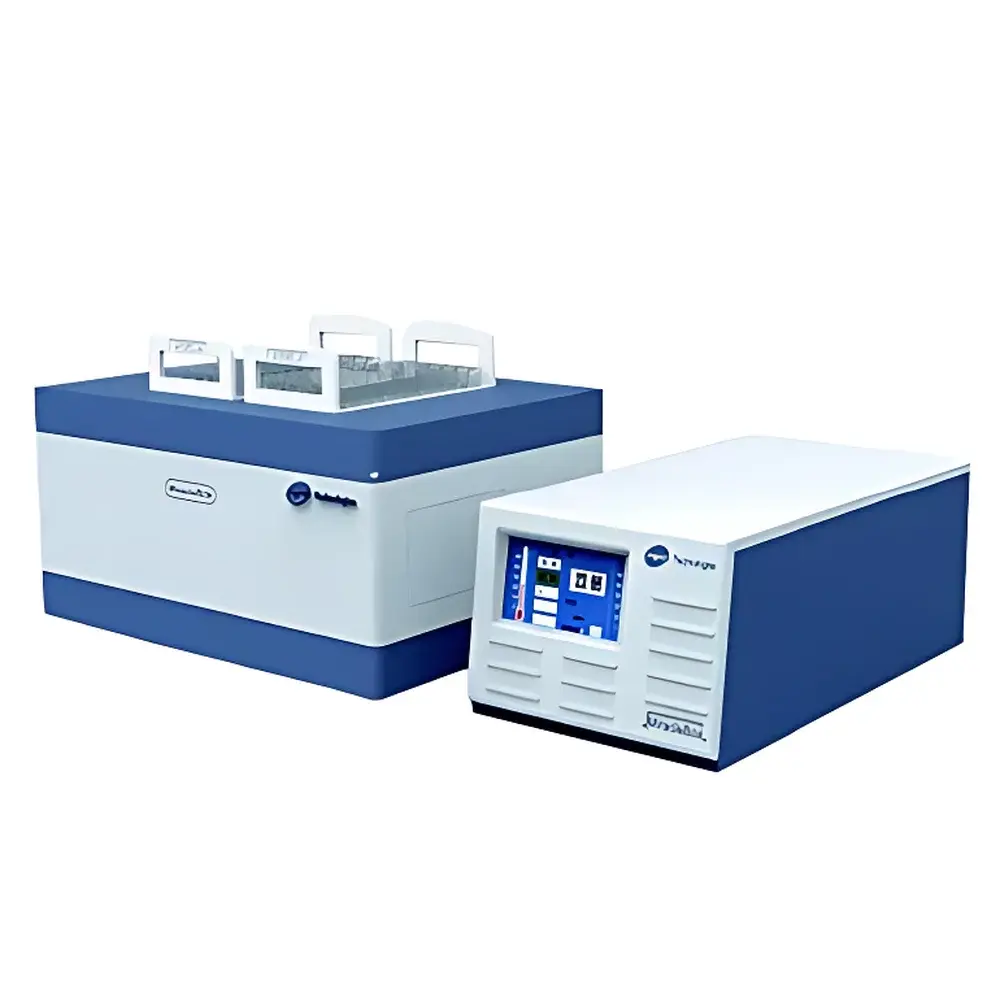
The Autobio BC120 Automated Blood Culture System is an in vitro diagnostic (IVD) platform engineered for high-reliability, continuous-monitoring detection of microbial growth in clinical blood specimens. It operates on a non-invasive colorimetric principle—measuring real-time changes in CO₂ concentration within sealed aerobic and anaerobic culture bottles via optical sensors embedded in the incubation chamber walls. This eliminates the need for bottle puncture or sampling, significantly reducing contamination risk and preserving specimen integrity throughout the entire incubation cycle. The system’s dual-chamber architecture—comprising two independent 60-position incubation modules—enables parallel processing of up to 120 bottles per run, with thermal uniformity maintained at ±0.3 °C across all positions to ensure consistent microbial metabolic activity and reproducible time-to-detection (TTD). Designed for integration into mid- to high-volume clinical microbiology laboratories, the BC120 supports scalable deployment through multi-unit networked operation and seamless bidirectional interfacing with laboratory information systems.
Key Features
- Dual independent incubation chambers (A/B), each accommodating 60 standard blood culture bottles (e.g., BACTEC, BacT/ALERT–compatible formats)
- Continuous, non-invasive optical CO₂ monitoring every 10 minutes—no mechanical agitation interruption or sensor contact required
- Precision temperature control system with active feedback regulation, ensuring stable incubation at 35–37 °C across all bottle positions
- Integrated barcode scanning workflow: one-click initiation, automatic sample registration, and traceable chain-of-custody logging
- Three-tier result interpretation algorithm supporting standard, delayed-load, and anonymized bottle protocols—minimizing manual intervention and operator bias
- Comprehensive alert hierarchy: programmable audible tones, front-panel LED indicators, and HL7-based electronic notifications to designated lab workstations
- Embedded analysis management software with real-time graphical display of bacterial growth kinetics, cumulative positivity statistics, and instrument operational status
Sample Compatibility & Compliance
The BC120 accommodates standard 80–100 mL aerobic and anaerobic blood culture bottles from major global manufacturers—including but not limited to Becton Dickinson (BACTEC), bioMérieux (BacT/ALERT), and Thermo Fisher Scientific (VersaTREK)—via standardized bottle geometry and optical window alignment. All detection algorithms are validated per CLSI M48-A2 guidelines for blood culture system performance evaluation. The system architecture complies with IEC 61010-1 (safety of electrical equipment) and IEC 62304 (medical device software lifecycle), and its data handling framework supports audit-trail generation, user access controls, and electronic signature capability aligned with FDA 21 CFR Part 11 requirements for regulated environments. Routine operation meets ISO 15189:2022 clause 5.5.2 (equipment verification) and CLIA §493.1253 (analytical system validation).
Software & Data Management
The BC120 runs on a purpose-built, embedded Linux-based operating system hosting the Autobio Blood Culture Analysis Suite. This application provides full-cycle data governance—from initial bottle registration through TTD calculation, growth curve modeling, and final report generation. All raw sensor readings, time-stamped event logs, and user actions are stored locally with optional encrypted backup to network-attached storage (NAS). LIS integration uses HL7 v2.5.1 messaging over TCP/IP, enabling automated result transmission, patient demographic synchronization, and bidirectional order acknowledgment. Audit trails record user ID, timestamp, action type, and pre-/post-change values for all critical parameters—supporting GLP/GMP documentation requirements and internal quality audits.
Applications
The BC120 serves as a primary detection platform in hospital-based clinical microbiology laboratories performing routine sepsis screening, endocarditis diagnostics, and febrile neutropenia monitoring. Its high-throughput capacity makes it suitable for regional reference labs managing centralized blood culture services across affiliated facilities. The system supports extended incubation protocols for fastidious organisms (e.g., Brucella, Coxiella, fungi) and integrates with downstream identification and AST workflows via middleware orchestration. In resource-constrained settings, its low-maintenance design and energy-efficient thermal architecture reduce total cost of ownership without compromising analytical rigor.
FAQ
What types of blood culture bottles are compatible with the BC120?
The system accepts standard aerobic and anaerobic bottles with integrated CO₂-sensitive colorimetric indicators (e.g., BACTEC Plus Aerobic/F, BacT/ALERT FA/FN), provided they conform to ANSI/AAMI ST79 geometric specifications.
Does the BC120 support FDA 21 CFR Part 11 compliance?
Yes—the embedded software includes role-based access control, electronic signatures, and immutable audit trails meeting Part 11 technical and procedural requirements.
Can multiple BC120 units be managed centrally?
Yes—up to 8 instruments can be networked via Ethernet and monitored through a unified dashboard using Autobio LabLink Manager software.
Is LIS connectivity limited to specific vendors?
No—HL7 v2.x implementation ensures interoperability with major LIS platforms including Cerner, Epic, Sunquest, and Orchard Harvest.
How is temperature uniformity verified during installation and maintenance?
Each unit undergoes factory calibration using NIST-traceable thermistors; field verification follows ISO/IEC 17025-accredited procedures with quarterly performance checks recommended.