
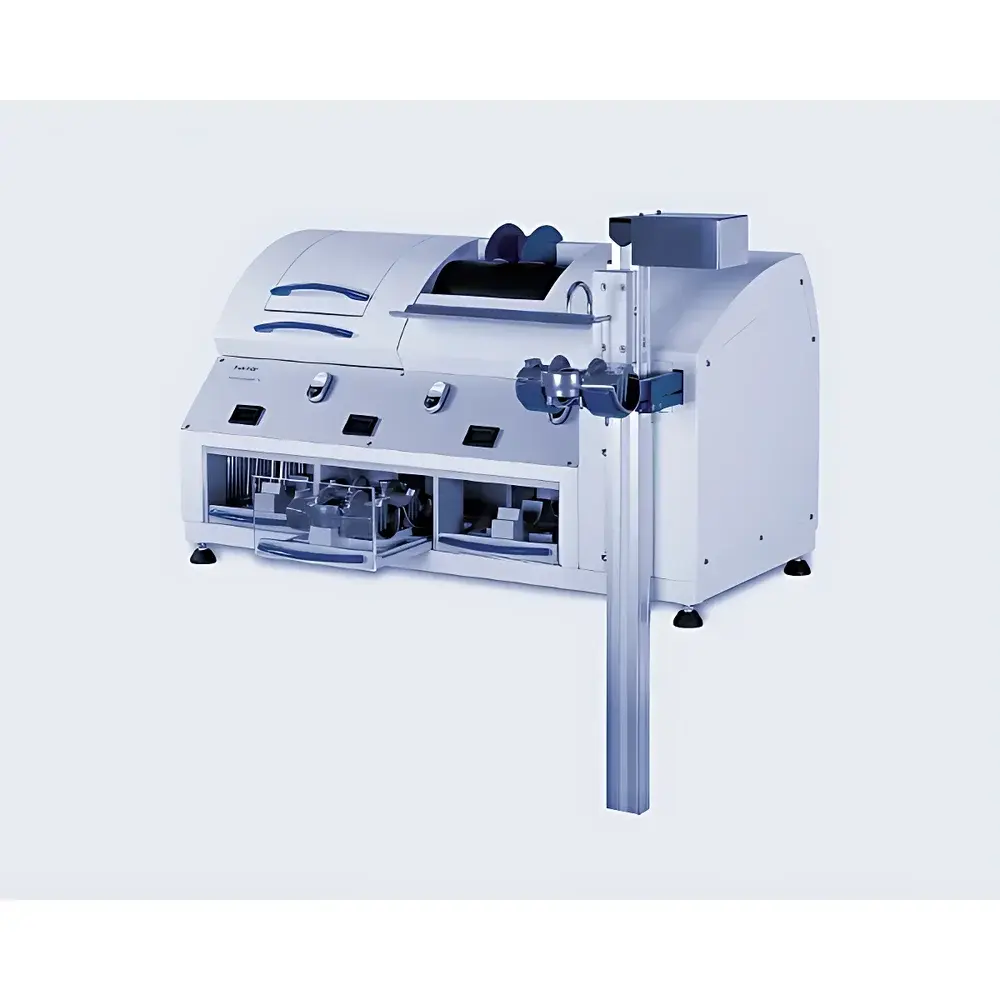
Anton Paar Brabender Extensograph-E Gluten Determinator
| Brand | Anton Paar Brabender |
|---|---|
| Origin | Germany |
| Model | Extensograph-E |
| Compliance | ISO 27971, AACC Method 54-10, ICC Standard No. 115 |
| Sample Capacity | Standard (300 g dough) and Mini (100 g dough) configurations available |
| Measurement Principle | Uniaxial tensile deformation under controlled temperature and humidity |
| Data Output | Force (N), Extensibility (mm), Energy (mJ), Resistance to Extension (R, N), Ratio R/E, Curve Area Integration |
| Software Platform | MetaBridge v4.x with audit trail, user roles, and electronic signature support |
| Connectivity | OPC UA, CSV export, LIMS/ERP integration via REST API |
| Regulatory Alignment | Designed for GLP/GMP environments |
Overview
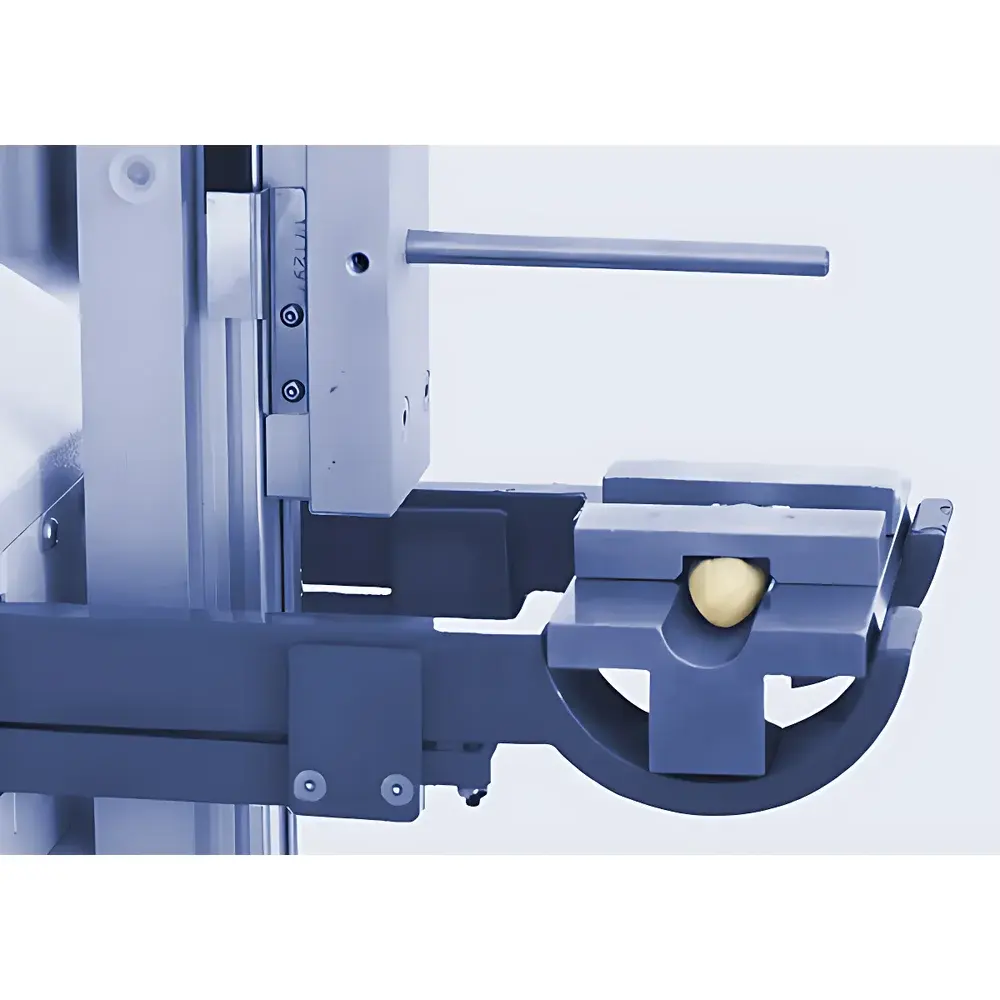
The Anton Paar Brabender Extensograph-E is a precision-engineered instrument for the quantitative assessment of gluten network strength and extensibility in wheat flour doughs. Operating on the principle of uniaxial tensile deformation, it subjects a standardized dough sample to controlled stretching at defined temperature (typically 30 °C) and relative humidity (≈65 % RH) conditions, while continuously recording force versus extension in real time. The resulting extensogram—a graphical representation of resistance (R), extensibility (E), and energy absorption (area under curve)—provides objective, reproducible rheological parameters directly correlated with end-product baking performance, including loaf volume, crumb structure, and dough handling behavior during sheeting and molding.
Key Features
- Compliance with internationally recognized standard methods: ISO 27971 (Cereal and cereal products — Determination of dough extensibility using the extensograph), AACC International Method 54-10, and ICC Standard No. 115.
- Dual configuration flexibility: Standard Extensograph-E (300 g dough sample) for routine QC and research applications; Mini Extensograph-E variant (100 g sample) optimized for limited material availability, breeding programs, or high-throughput screening.
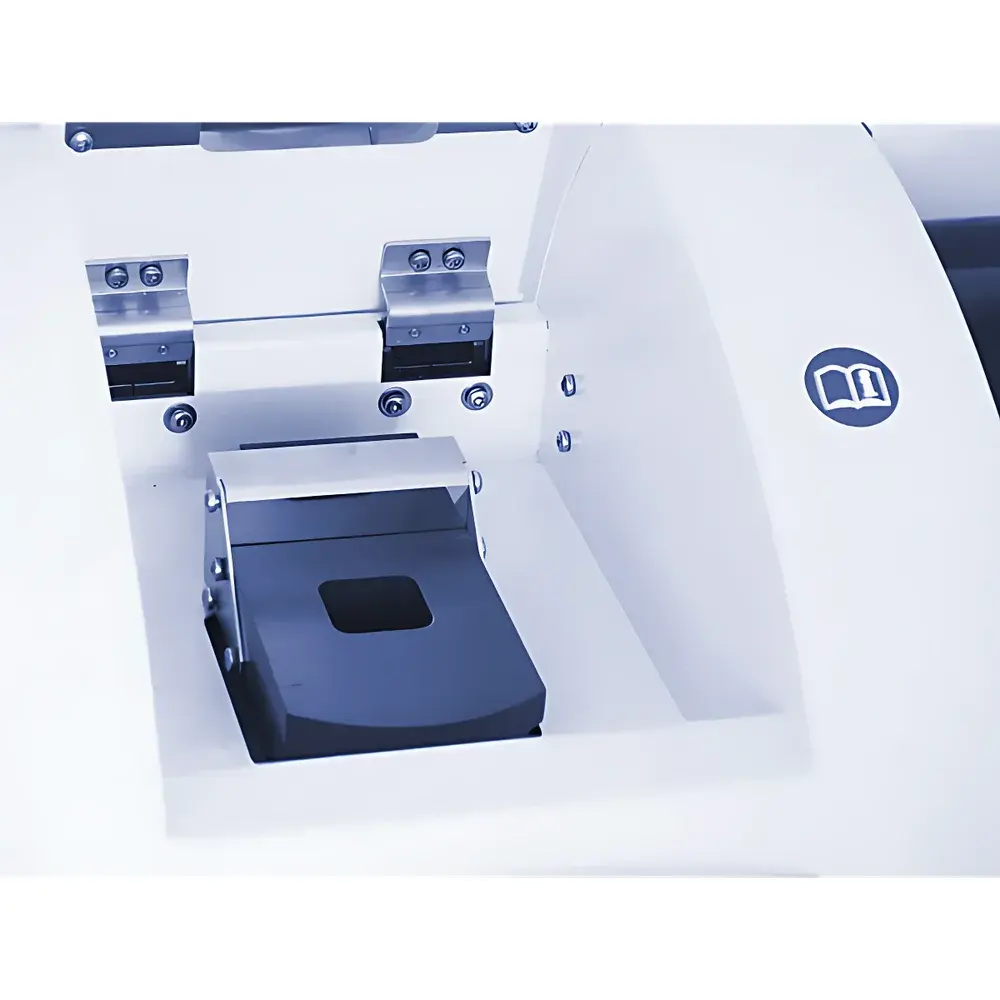
- Thermally stabilized stretching chamber with integrated humidity control ensures metrological consistency across repeated measurements and inter-laboratory comparisons.
- High-resolution load cell (±0.01 N accuracy) and linear encoder (±0.1 mm resolution) deliver traceable mechanical data aligned with SI units.
- Modular hardware architecture enables field-upgradable firmware and sensor calibration without instrument disassembly.
Sample Compatibility & Compliance
The Extensograph-E accommodates doughs prepared from hard and soft wheat flours, whole grain blends, gluten-free formulations (with appropriate reference standards), and fortified or enzyme-modified systems. It supports evaluation of functional additives—including α-amylases, glucose oxidase, transglutaminase, and ascorbic acid—by quantifying shifts in R/E ratio and curve linearity. All measurement protocols adhere to GLP principles: full traceability of calibration certificates (traceable to national metrology institutes), documented environmental monitoring logs, and version-controlled method files. Instrument qualification packages (IQ/OQ/PQ) are available upon request for regulated food manufacturing sites operating under FDA, EFSA, or BRCGS frameworks.
Software & Data Management
MetaBridge software serves as the central interface for method definition, acquisition, analysis, and reporting. Its workflow engine guides users through dough preparation verification, test initiation, and post-run evaluation with context-sensitive prompts. Built-in statistical tools calculate repeatability (r) and reproducibility (R) per ISO 5725, while reference limit databases allow automatic pass/fail classification against internal specifications or published benchmarks. Audit trail functionality records all user actions, parameter changes, and result modifications with timestamps and operator IDs. Electronic signatures, role-based access control, and encrypted database storage meet requirements for 21 CFR Part 11 compliance when deployed in validated environments. Data export supports CSV, PDF, and XML formats; native OPC UA server enables bidirectional communication with enterprise LIMS and ERP platforms.
Applications
- Flour mill quality assurance: Monitoring batch-to-batch consistency of gluten strength for blending optimization.
- Bakery R&D: Screening cultivars in wheat breeding programs for optimal extensibility profiles.
- Ingredient supplier validation: Quantifying dose-response effects of enzymatic and oxidative additives.
- Regulatory documentation: Generating auditable test reports for HACCP plans and food safety certification audits.
- Academic research: Correlating extensographic parameters with molecular markers (e.g., HMW-GS composition) and rheological modeling (e.g., Maxwell viscoelastic fitting).
FAQ
What standard methods does the Extensograph-E support?
ISO 27971, AACC Method 54-10, and ICC Standard No. 115 are fully implemented in MetaBridge software with preconfigured method templates.
Can the instrument be used for gluten-free dough systems?
Yes—provided appropriate reference materials and modified conditioning protocols are applied; users must establish application-specific correlation models.
Is 21 CFR Part 11 compliance built-in?
MetaBridge supports Part 11 requirements when installed in a validated configuration with enabled audit trail, electronic signatures, and secure user authentication.
How is calibration maintained?
Annual calibration is recommended using NIST-traceable force and displacement standards; automated self-diagnostics verify sensor linearity before each test sequence.
Does the Mini Extensograph-E produce comparable results to the standard model?
Inter-instrument correlation studies demonstrate r ≥ 0.98 for R and E values when tested under identical flour and hydration conditions; minor adjustments to normalization factors may apply per ICC Technical Report 212.
Related Products





