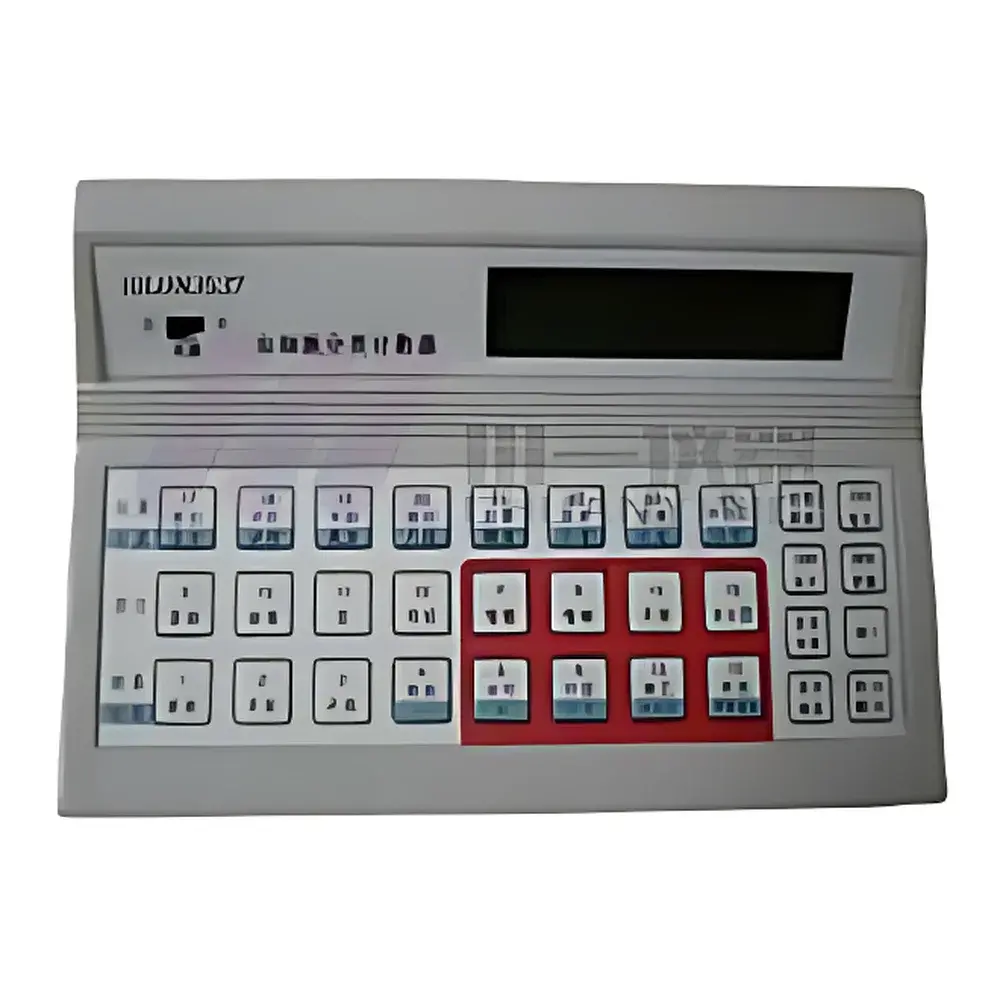
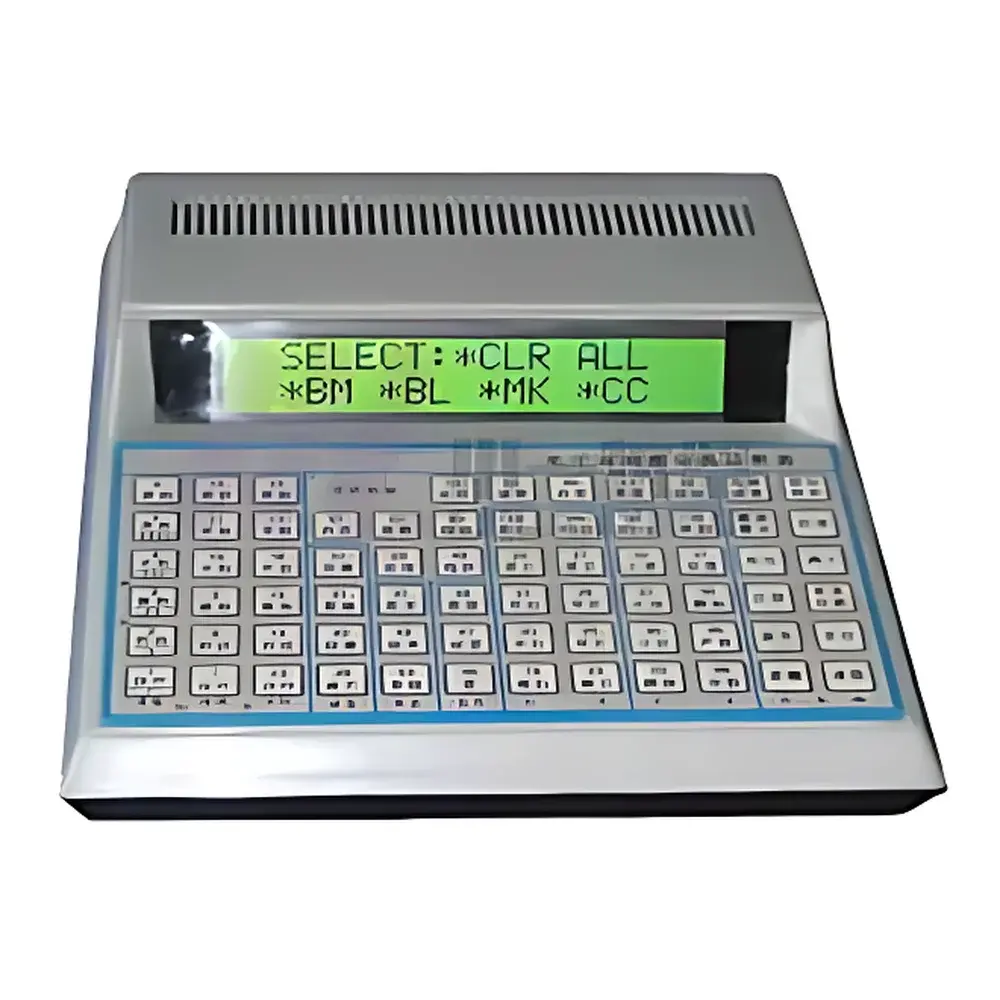
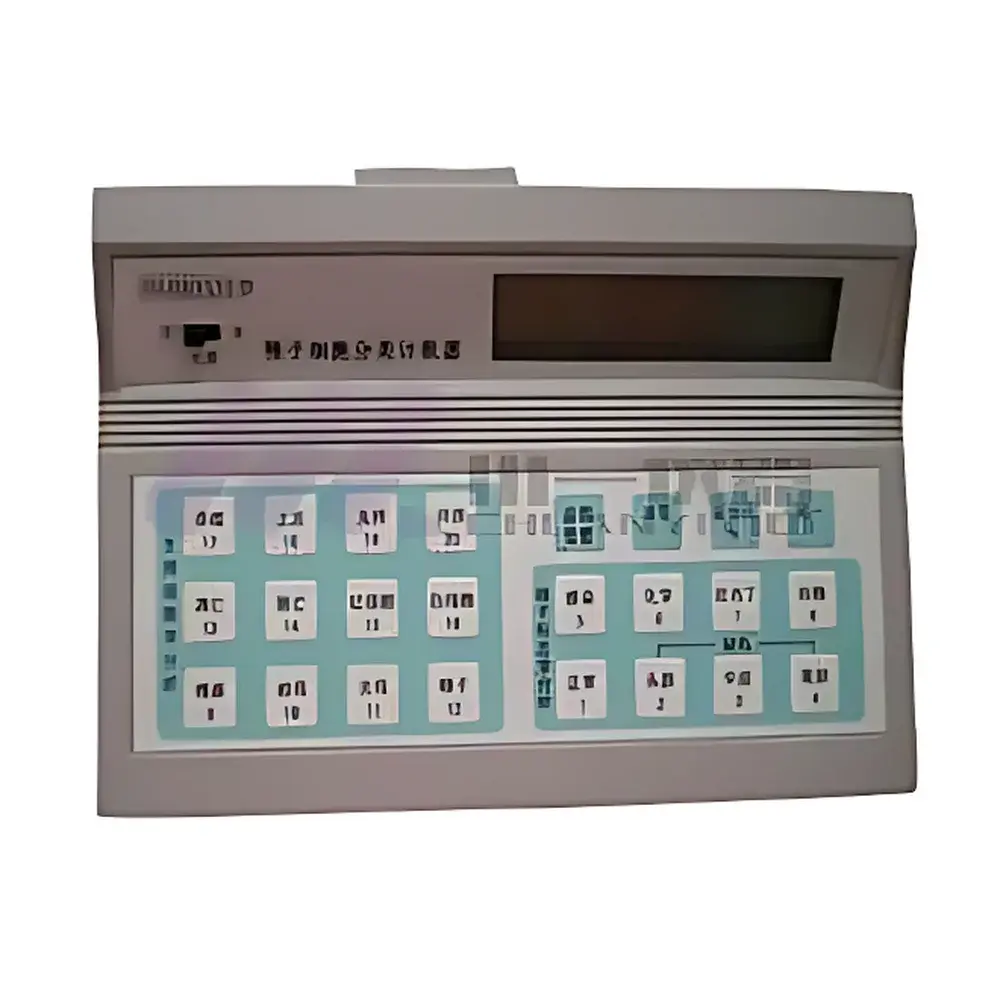
Chuanyi Qi3537 Digital Hematological Cell Classification Counter
| Brand | Chuanyi Instruments (Hangzhou Chuanyi Electronic Co., Ltd.) |
|---|---|
| Origin | Zhejiang, China |
| Manufacturer Type | Direct Manufacturer |
| Region of Origin | Domestic (China) |
| Model | Qi3537 |
| Pricing | Upon Request |
Overview
The Chuanyi Qi3537 Digital Hematological Cell Classification Counter is a dedicated microprocessor-based clinical instrument engineered for standardized, reproducible manual differential cell counting in hematology laboratories. Designed in close consultation with hematopathologists and clinical laboratory professionals, it operates as an external digital counter that interfaces with standard light microscopes—supporting both brightfield and phase-contrast observation—without requiring image capture or AI-based recognition. Its core function relies on human morphological identification followed by real-time electronic tallying and automated calculation of hematopoietic lineage ratios, percentages, and cytochemical scoring indices. The device implements a deterministic counting protocol aligned with established WHO and CLSI guidelines for peripheral blood smear and bone marrow aspirate evaluation, supporting manual classification workflows where operator expertise remains central to diagnostic accuracy.
Key Features
- Four validated counting modes: Peripheral Blood Smear, Bone Marrow Aspirate (Simplified), Megakaryocyte Enumeration, and Cytochemical Staining Scoring (0 to 4+ scale)
- Comprehensive cell taxonomy support: Up to 32 distinct hematopoietic cell types across granulocytic, erythroid, megakaryocytic, lymphoid, monocytic, and undifferentiated lineages
- Automated ratio and percentage computation: Granulocyte-to-Erythrocyte (G:E) ratio, total granulocytic count, total erythroid count, megakaryocyte count, and individual cell type frequencies
- Integrated cytochemical scoring engine: Calculates positivity rate (% positive cells), total reaction score, and integrated intensity-weighted scores for peroxidase, esterase, iron, PAS, and other histochemical stains
- 16×2 character LCD display with backlight for low-light microscopy environments; dual power supply (AC adapter + DC battery operation) ensures uninterrupted use during extended sessions
- Dedicated keypad with tactile feedback optimized for glove-compatible operation in clinical settings
- On-device arithmetic module supporting basic four-function calculations (addition, subtraction, multiplication, division) for auxiliary lab computations
Sample Compatibility & Compliance
The Qi3537 is compatible with all conventional Wright–Giemsa–stained peripheral blood smears and bone marrow aspirate slides prepared using standard cytospin or wedge techniques. It supports manual enumeration of megakaryocytes on marrow clot sections and quantification of cytochemical reaction intensities per ICSH (International Council for Standardization in Haematology) recommendations. While the instrument itself does not generate electronic records compliant with FDA 21 CFR Part 11, its output data may be transcribed into LIS or EMR systems meeting GLP/GCP documentation requirements. The device conforms to GB/T 18268.1–2010 (Chinese national standard for electrical equipment used in medical laboratories) and meets CE-marked EMC and safety criteria for Class I laboratory instruments.
Software & Data Management
The Qi3537 operates as a standalone embedded system with no internal storage, network interface, or firmware-upgradable architecture. All counting data remain transient and are displayed in real time only—no export functionality (USB, Bluetooth, or RS-232) is provided. This design prioritizes operational simplicity, audit trail transparency, and regulatory neutrality in environments where paper-based transcription remains the primary documentation method. Users manually record final tallies and derived metrics (e.g., G:E ratio, blast %, MPO score) into laboratory notebooks or LIMS-integrated worksheets. The absence of data persistence eliminates concerns related to electronic signature validation or long-term data integrity verification under ISO 15189 or CAP accreditation frameworks.
Applications
- Routine peripheral blood differential counts in hospital hematology labs and reference laboratories
- Bone marrow morphology assessment for diagnosis and monitoring of myeloproliferative neoplasms, leukemias, and dysplastic syndromes
- Quantitative analysis of cytochemical staining patterns (e.g., myeloperoxidase, nonspecific esterase, periodic acid–Schiff) per WHO classification criteria
- Megakaryocyte enumeration in suspected myelofibrosis or thrombocytopenia workups
- Training tool for hematology fellows and medical technologists learning standardized cell identification and classification protocols
- Quality control support for interobserver variability studies in diagnostic hematopathology
FAQ
Does the Qi3537 perform automated cell recognition via imaging?
No. It is a manual input counter only—users visually identify cells under the microscope and press corresponding keys. No camera, image sensor, or AI algorithm is integrated.
Can counting data be exported to a computer or LIS?
No. The device has no data output ports or memory storage. Results must be manually recorded.
Is the Qi3537 suitable for ISO 15189-accredited laboratories?
Yes—as a non-data-generating ancillary tool, it complies with clause 5.5.2 (Equipment) when used within documented SOPs and maintained per manufacturer instructions.
What power sources does it support?
AC adapter (100–240 V, 50/60 Hz) and optional rechargeable or replaceable DC batteries (AA or built-in Li-ion, depending on configuration).
How is calibration performed?
The Qi3537 requires no calibration—it is a deterministic counter with fixed key mappings and arithmetic logic. Functional verification is performed using predefined test sequences outlined in the user manual.