English Product Name
| Brand | Fengtu |
|---|---|
| Origin | Shandong, China |
| Manufacturer Type | Authorized Distributor |
| Country of Manufacture | China |
| Model | FT-BZ3 |
| Price | USD 3,400 (approx.) |
| Power Supply | 220 VAC or optional 480 W / 200 Ah solar system |
| Max Startup Power | ≤65 W |
| Stable Operating Power | ≤50 W |
| Standby Power | ≤26.4 W |
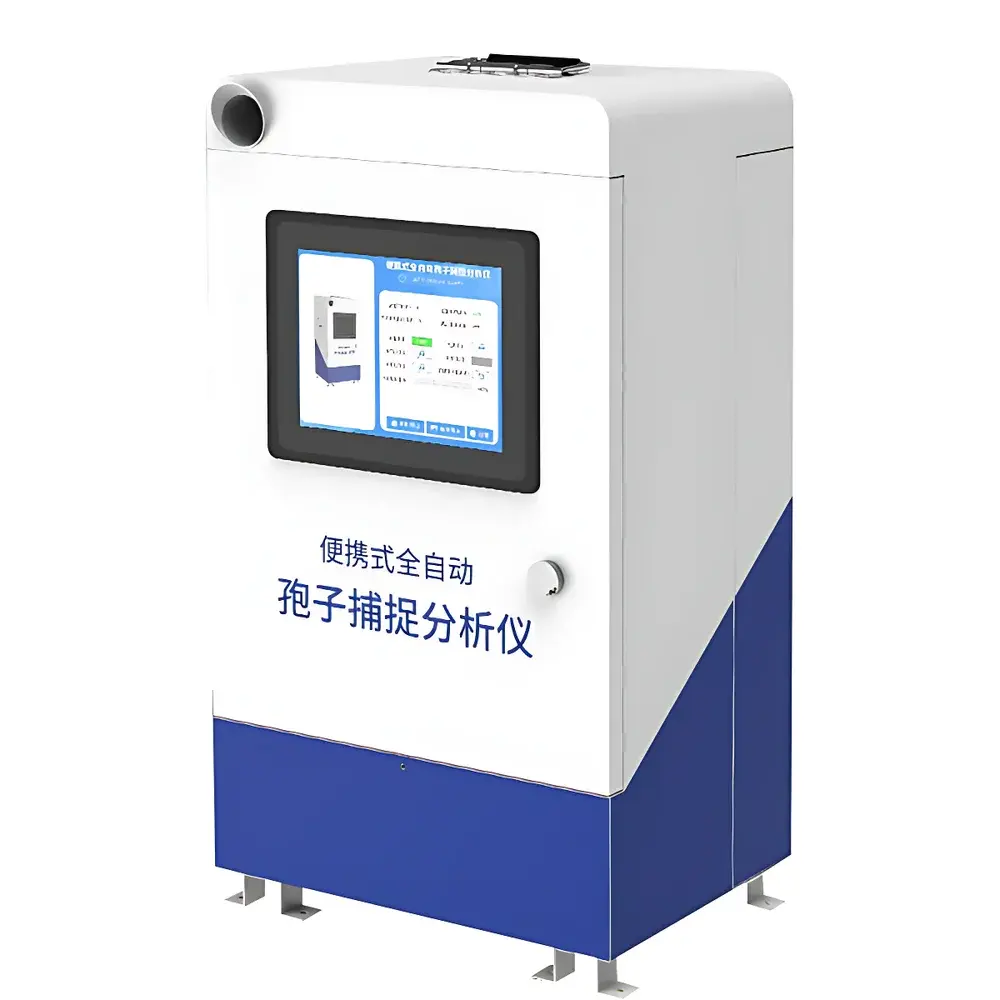
| Dimensions (L×W×H) | 600 × 640 × 1418 mm |
| Operating Temperature | −20 °C to +70 °C |
| Relative Humidity Range | 0–95% RH (non-condensing) |
| Imaging Sensor | 12 MP monochrome CMOS microscope camera |
| Microscope Resolution | Capable of resolving spores 5–100 µm in diameter |
| Sampling Area | 50 × 21 mm per capture |
| Sampling Duration | Configurable from 60 to 1200 minutes |
| Communication | 4G LTE (TCP/IP), DNS-supported dynamic domain resolution |
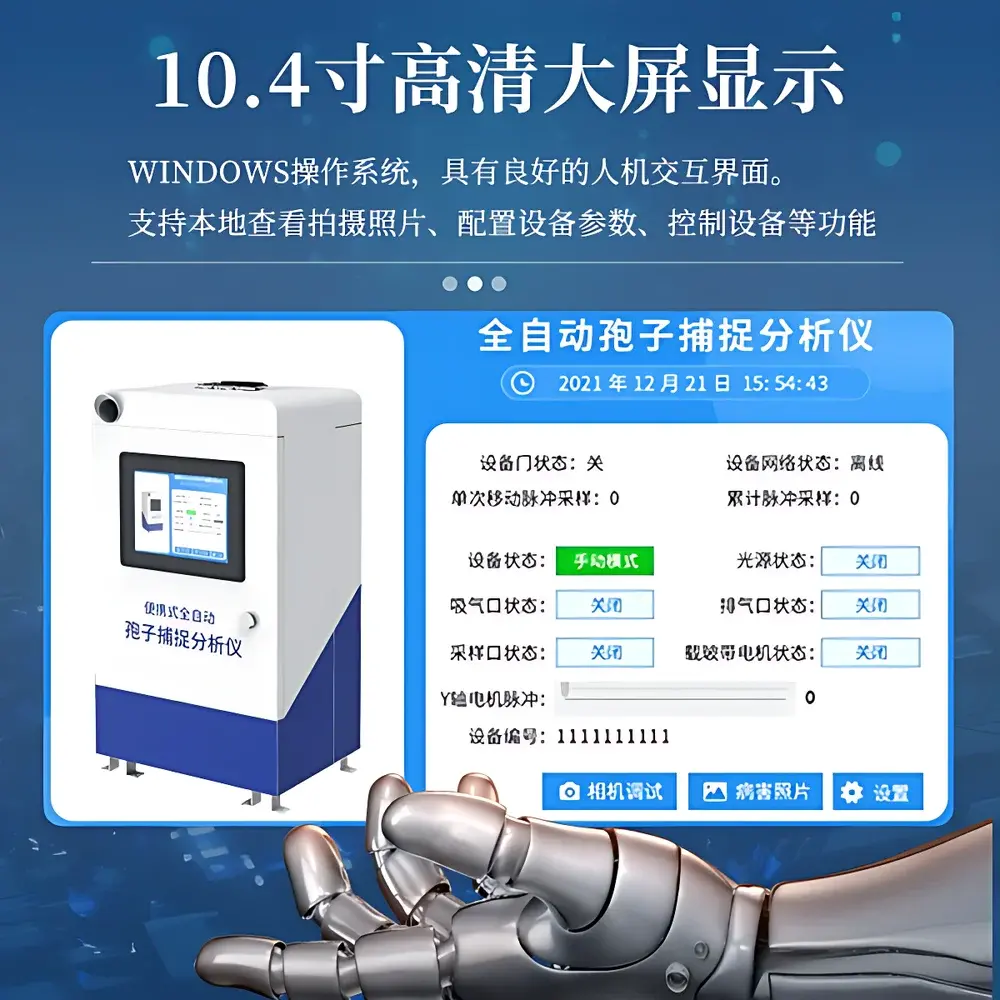
| Display | 10.4″ HD touchscreen, Windows 10 OS |
| Slide Carrier Lifespan | Up to 365 days (3 captures/day) |
| Insulation Resistance | ≥2.5 MΩ |
Overview
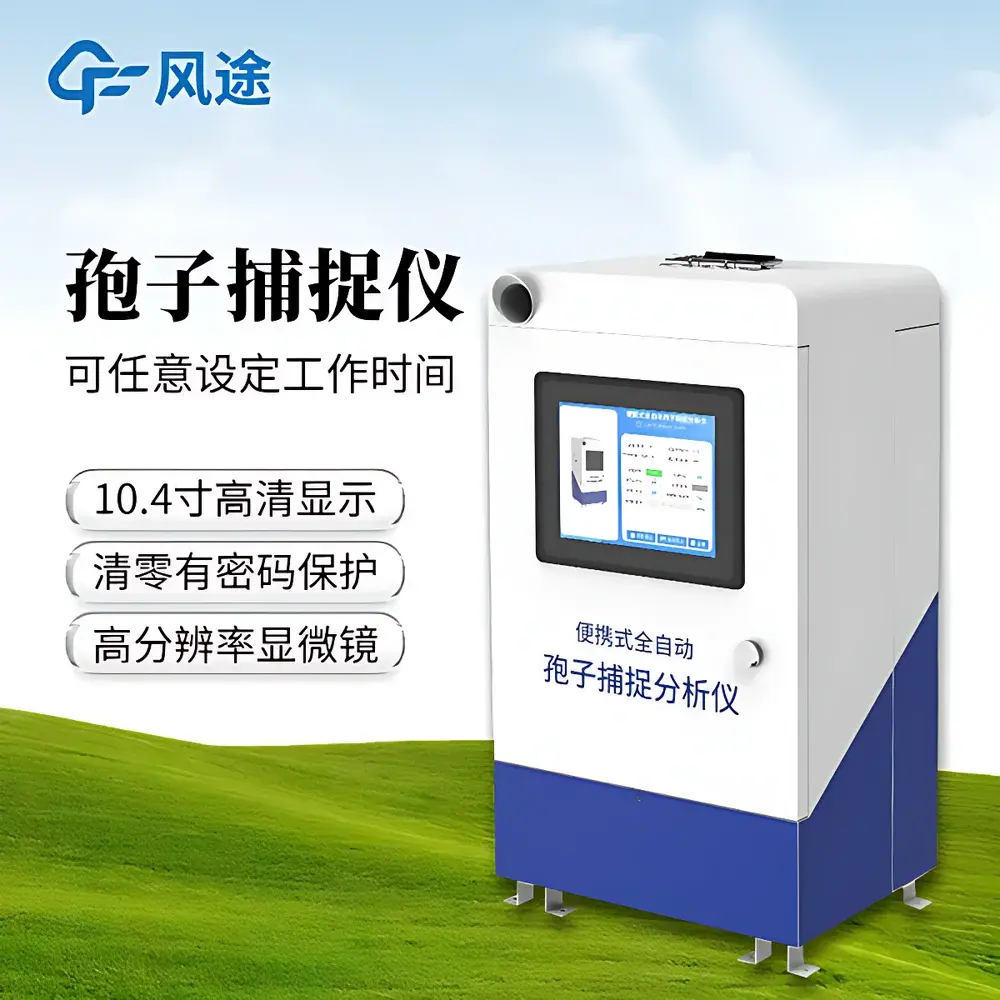
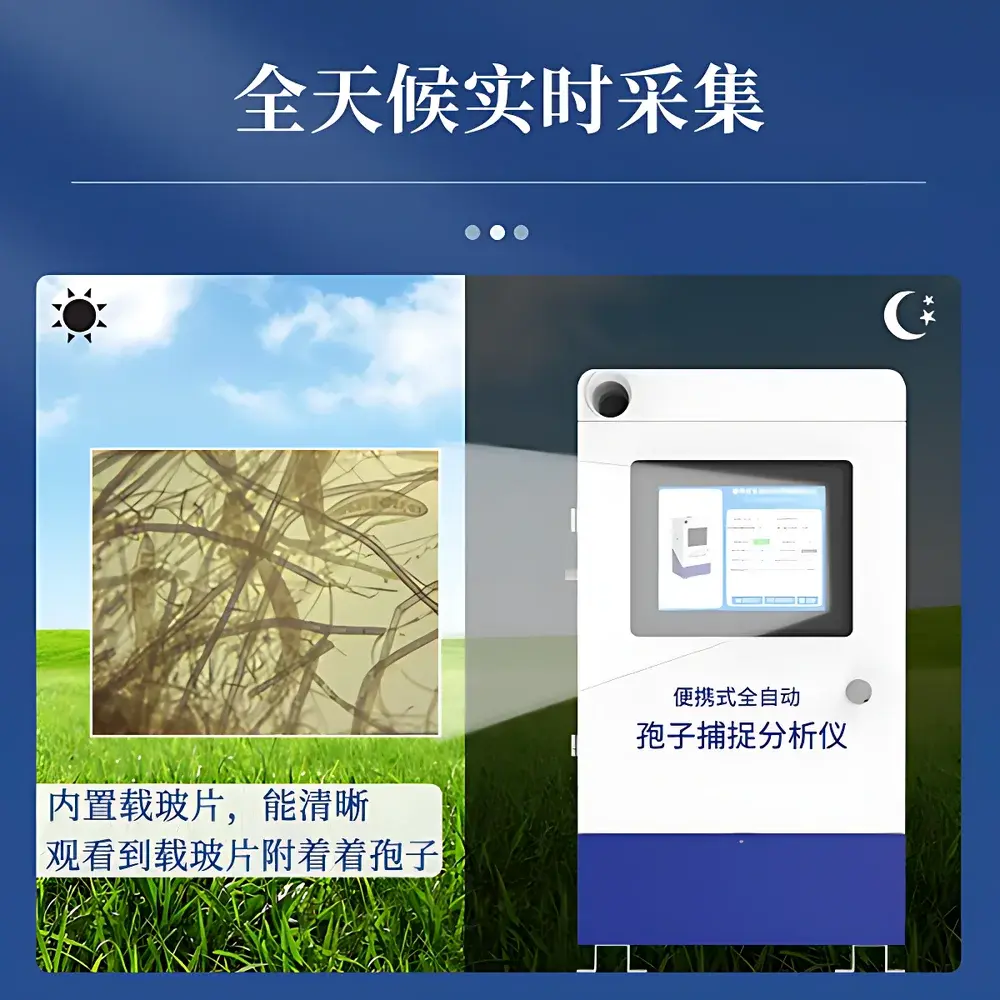
The Fengtu FT-BZ3 Portable Spore Trap is an autonomous, field-deployable aerobiological monitoring instrument engineered for continuous, non-destructive capture and digital imaging of airborne fungal spores in agricultural ecosystems. It operates on the principle of volumetric air sampling combined with precision optical microscopy: ambient air is drawn through a calibrated inlet duct under controlled laminar flow, directing particulates onto a moving adhesive-coated glass slide. A high-resolution 12-megapixel monochrome CMOS microscope camera—integrated with motorized dual-axis autofocus and sub-micron stage positioning—captures in-focus images of deposited spores at 5–100 µm scale. All imagery is timestamped, geotagged (via integrated GNSS), and transmitted via secure 4G LTE to a cloud-based analytical platform. Designed for unattended operation across diverse agro-climatic zones (−20 °C to +70 °C), the FT-BZ3 supports early-warning surveillance of phytopathogenic fungi—including Puccinia, Blumeria, Alternaria, and Fusarium spp.—enabling data-driven decisions in integrated pest management (IPM) frameworks.
Key Features
- Dual-axis motorized stage (X/Y) ensures precise slide positioning and repeatable image registration across sequential sampling cycles.
- Intelligent slide usage tracking: real-time counter displays cumulative slide utilization; configurable low-usage alert triggers platform notification prior to depletion; manual reset requires administrator-level password authentication.
- Configurable operational modes: fully autonomous scheduling (with user-defined start time, duration, interval, and pulse-step motion control) or manual trigger via local touchscreen or remote command.
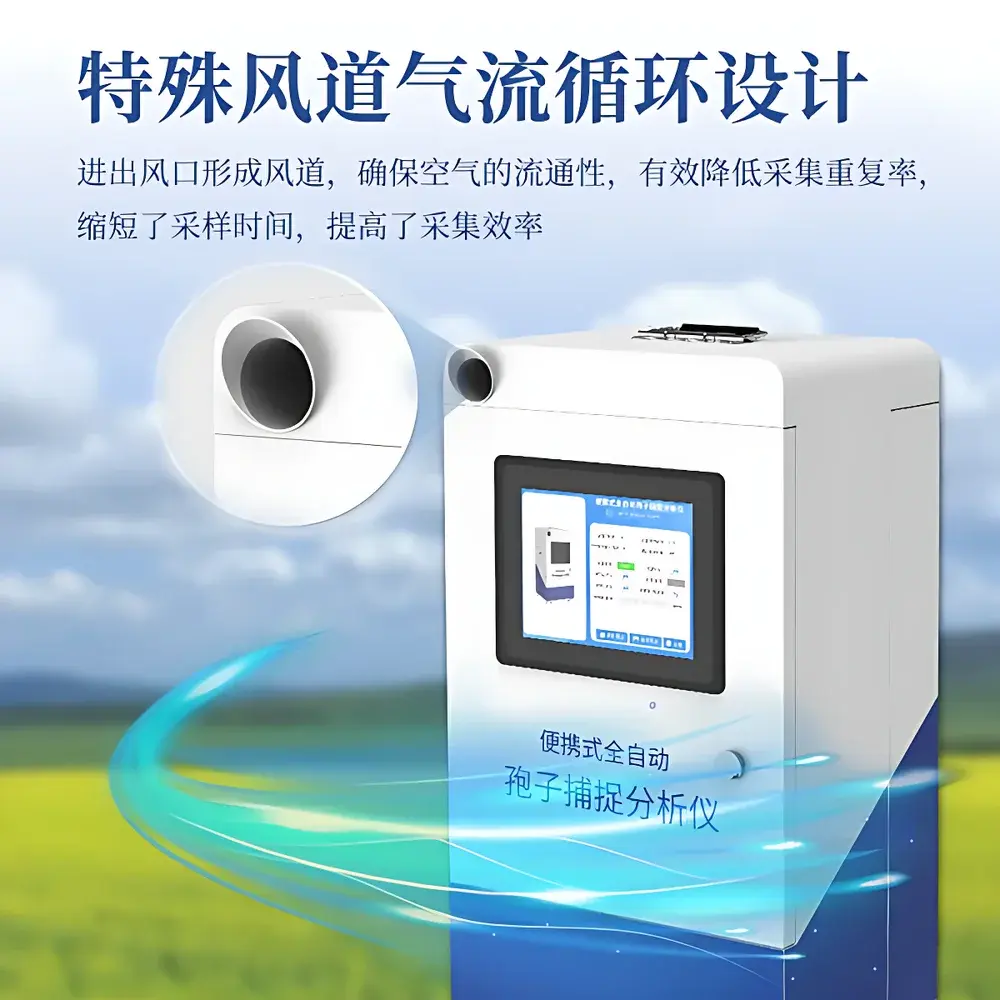
- Optimized aerodynamic channel design minimizes turbulent recirculation, reduces particle re-entrainment, and improves sampling efficiency—validated by comparative tests showing ≤12% intra-cycle redundancy under standard wind conditions (2–5 m/s).
- On-device Windows 10 interface enables local image review, parameter configuration, firmware updates, and diagnostic logging without external computing hardware.
- Integrated environmental sensing (temperature, RH, barometric pressure) co-registered with each image batch to support multivariate exposure modeling.
Sample Compatibility & Compliance
The FT-BZ3 is validated for capture and morphological documentation of dry, airborne, non-viable, and viable fungal conidia, ascospores, and basidiospores. Its adhesive slide substrate meets ISO 21527-1:2008 requirements for airborne fungal sampling media. The device conforms to IEC 60529 (IP54 ingress protection), IEC 61000-4-2/3/4 (EMC immunity), and UL 61010-1 safety standards. Data transmission complies with TLS 1.2 encryption protocols; cloud storage architecture supports audit trails aligned with GLP principles for traceability in regulatory reporting contexts (e.g., national plant protection organization submissions).
Software & Data Management
The companion cloud platform provides role-based access (admin, analyst, field technician) and supports both automated and semi-automated spore identification workflows. Raw images are processed using adaptive contrast enhancement, noise suppression, and edge-preserving segmentation algorithms optimized for low-SNR biological particulates. Users may manually annotate, classify, and tag spores per taxonomic keys (e.g., APS Disease Forecasting Guides). Time-series analytics include spore density trending (spores/m³/h), diurnal accumulation curves, and correlation with localized weather variables (downloadable as CSV or NetCDF). Platform logs all user actions—including parameter changes, slide resets, and image annotations—in immutable format per FDA 21 CFR Part 11 Annex 11 guidance for electronic records integrity.
Applications
- Real-time monitoring of wheat leaf rust (Puccinia triticina) and barley powdery mildew (Blumeria graminis f. sp. hordei) in cereal production zones.
- Validation of fungicide application timing against forecasted spore release windows derived from microclimate models.
- Long-term phenological studies linking spore flux dynamics to climate variability (e.g., ENSO phase transitions).
- Supporting national phytosanitary surveillance programs under EPPO PM 7/107 diagnostic protocols.
- Integration into IoT-enabled smart orchards for Venturia inaequalis (apple scab) risk mapping.
FAQ
What power options does the FT-BZ3 support for off-grid deployment?
The unit operates on standard 220 VAC mains supply; an optional solar kit (480 W PV array + 200 Ah LiFePO₄ battery) enables continuous operation for ≥72 hours during overcast conditions, verified per IEC 61215 durability testing.
Can the slide carrier be replaced in situ without interrupting long-term monitoring?
Yes—slide replacement requires <5 minutes and no tools; the system automatically detects new slide initialization and resumes scheduled capture without data gap or manual recalibration.
How is image metadata structured for interoperability with third-party GIS or crop modeling platforms?
Each image file includes EXIF tags with GPS coordinates, UTC timestamp, sensor exposure settings, slide position index, and environmental sensor readings; JSON-formatted batch manifests are available via REST API for programmatic ingestion.
Is remote firmware update capability supported, and what rollback safeguards exist?
OTA updates are signed and verified via ECDSA-256; failed updates auto-revert to last stable build; version history and changelogs are logged in platform audit trail.
Does the system meet cybersecurity requirements for government agricultural data networks?
Yes—the device implements secure boot, encrypted local storage (AES-256), TLS 1.2+ for all upstream communications, and supports integration with enterprise identity providers (SAML 2.0) for centralized access governance.