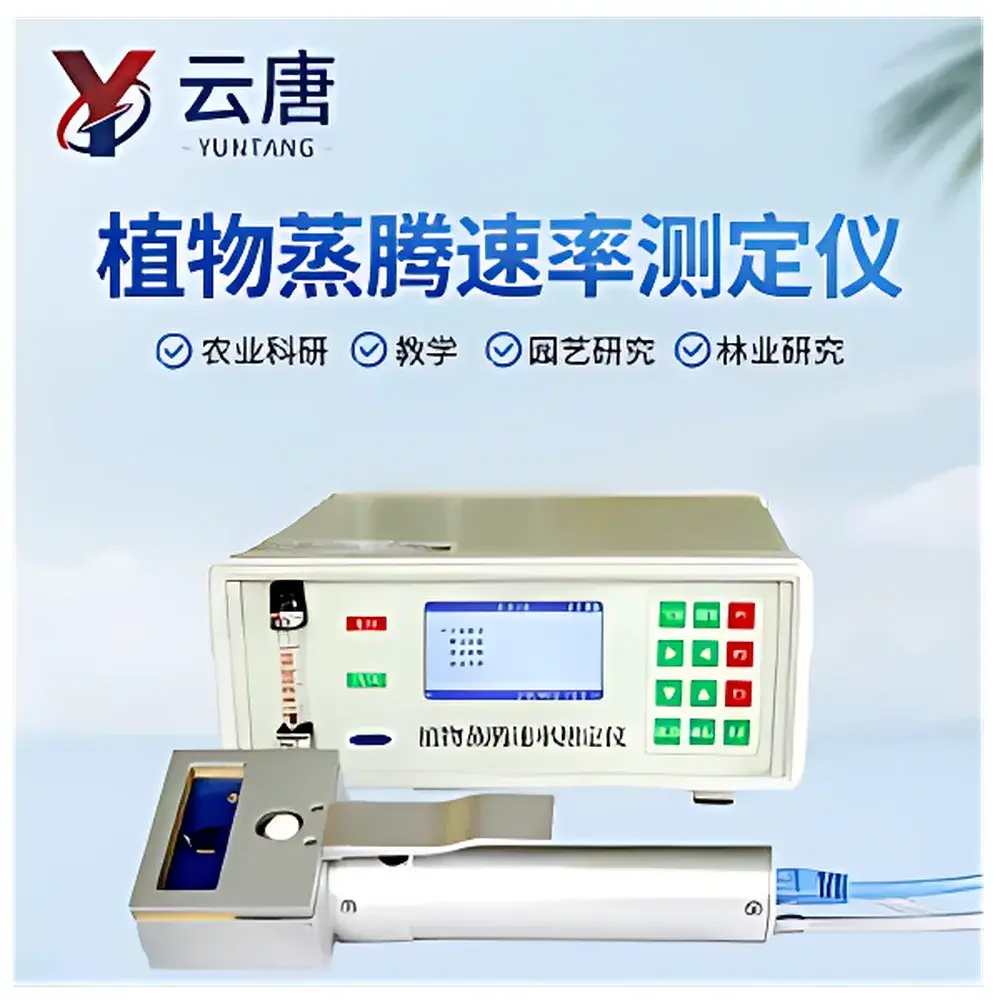
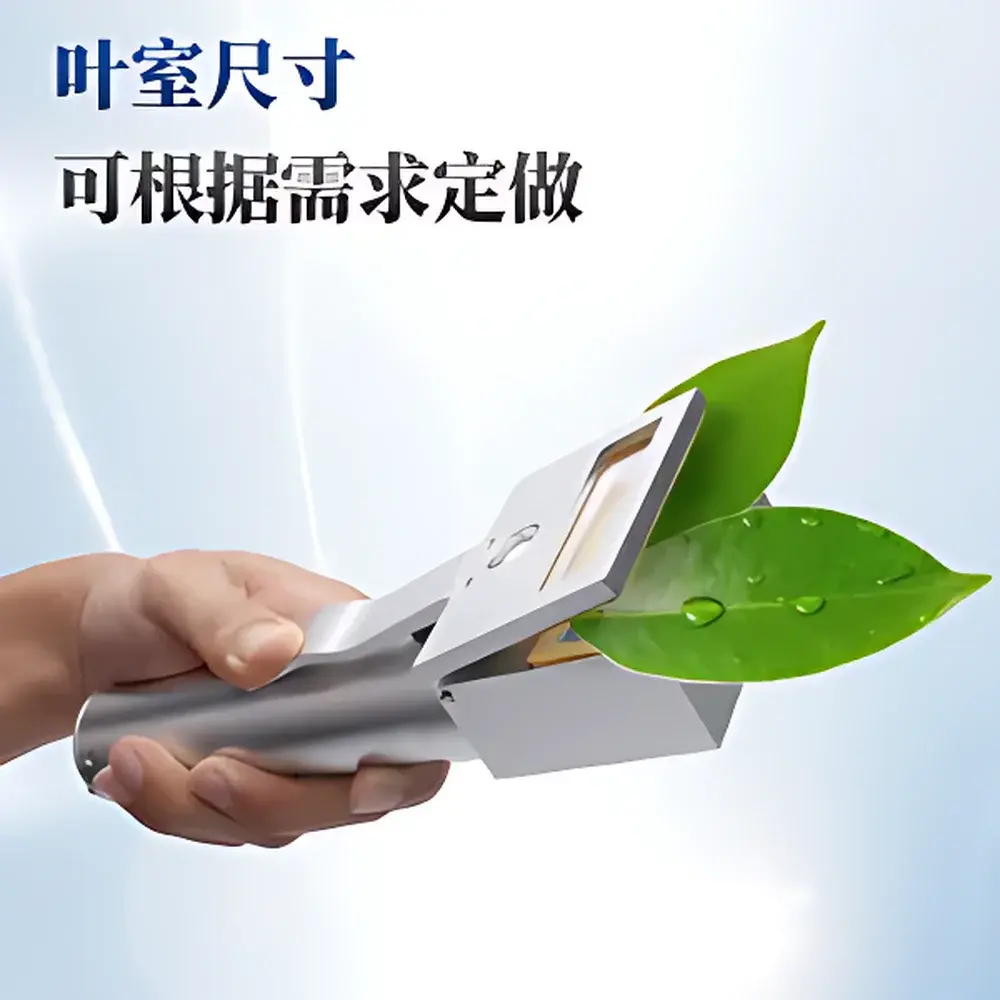
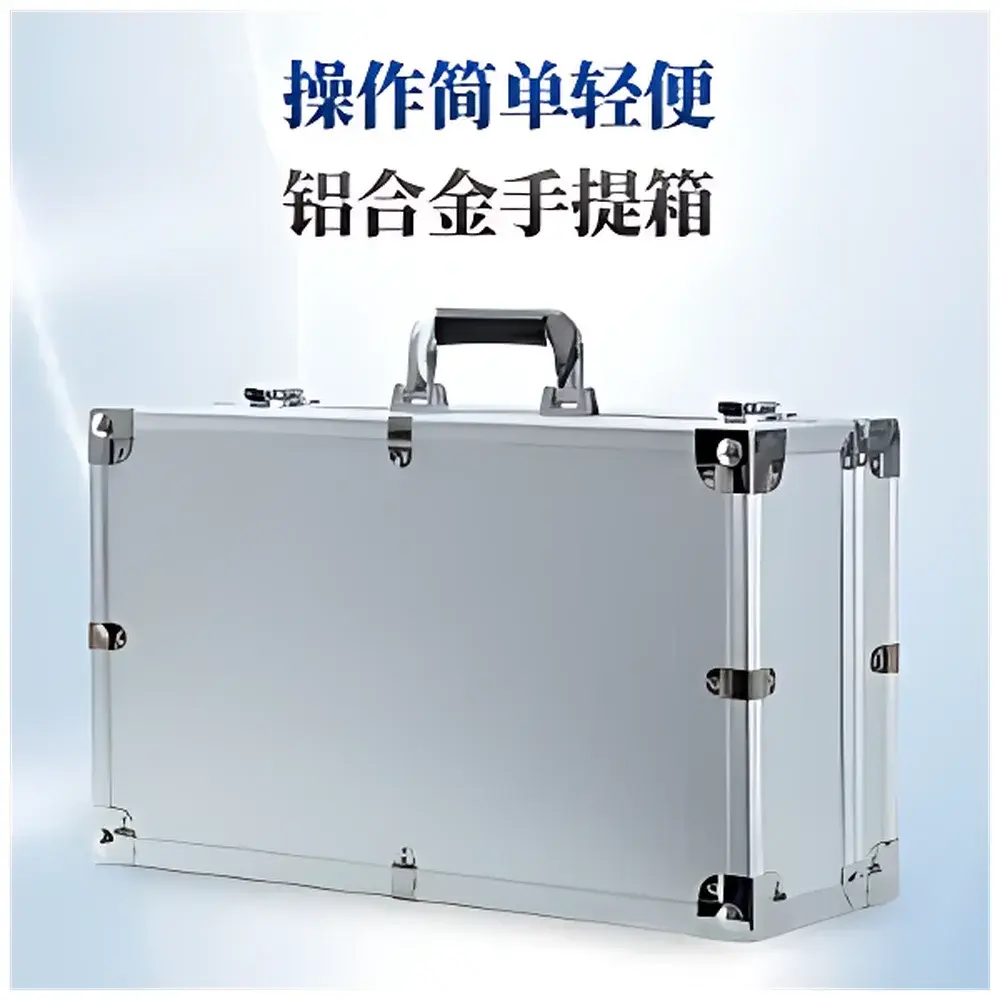
Yuntang YT-ZT10 Portable Photosynthesis and Transpiration System
| Brand | Yuntang |
|---|---|
| Model | YT-ZT10 |
| Origin | Shandong, China |
| Manufacturer | Yuntang Instrument Co., Ltd. |
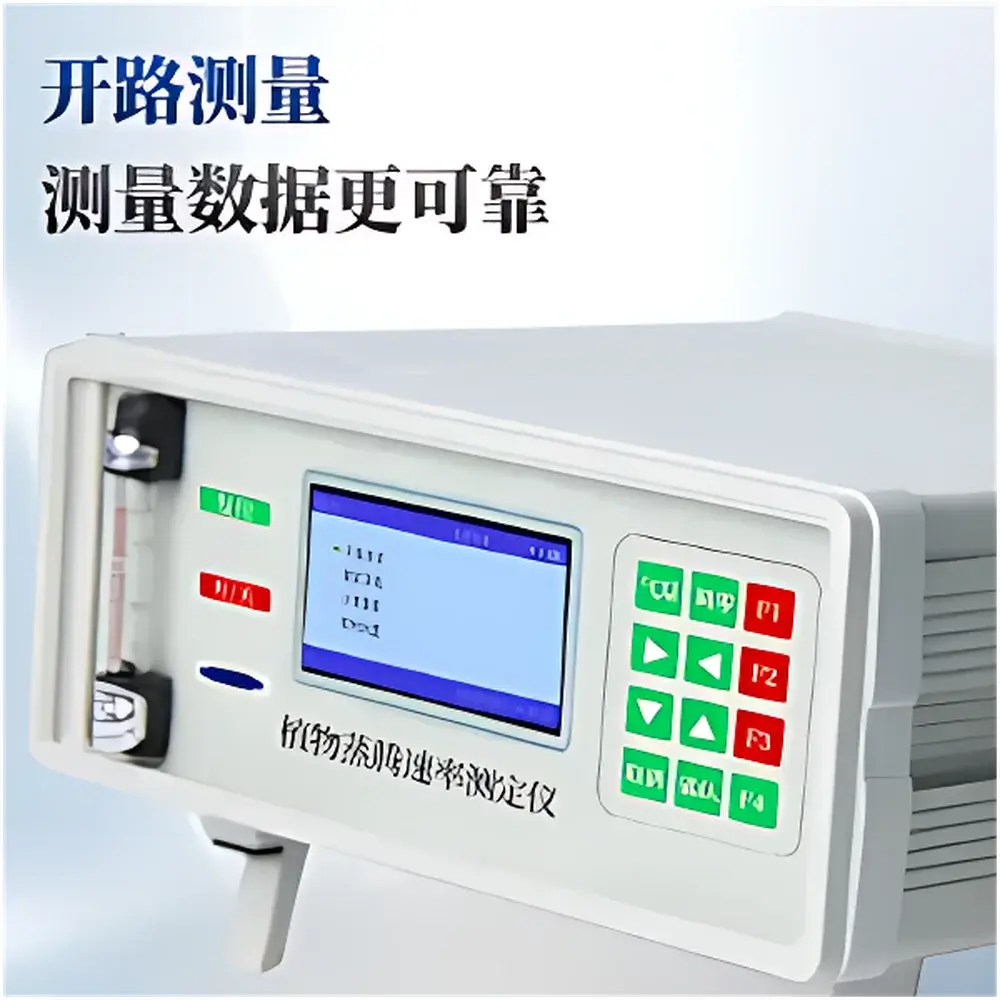
| Measurement Principle | Open-path diffusion-based gas exchange |
| Key Parameters | Leaf chamber temperature sensor (Heraeus, -20–80°C, ±0.2°C) |
| battery life | 20 h (DC 8.4 V Li-ion) |
| data storage | 16 GB internal (expandable to 32 GB) |
| display | 3.5" TFT LCD (800×480) |
| dimensions | 260×260×130 mm |
| weight | 3.25 kg |
| Units | Transpiration rate (Tr): mmol H₂O·m⁻²·s⁻¹ |
| Stomatal conductance (Gs) | mol H₂O·m⁻²·s⁻¹ |
| Stomatal resistance (Rs) | s·m⁻¹ |
| Accuracy | Tr ±1–5%, Gs ±5–10% |
Overview
The Yuntang YT-ZT10 Portable Photosynthesis and Transpiration System is a field-deployable, open-path gas exchange instrument engineered for quantitative assessment of plant water relations under controlled or natural environmental conditions. It operates on the principle of diffusion-driven vapor flux measurement across a standardized leaf chamber, enabling real-time calculation of transpiration rate (Tr), stomatal conductance (Gs), and stomatal resistance (Rs) based on simultaneous monitoring of leaf-to-air vapor pressure deficit, leaf temperature, ambient humidity, air temperature, and photosynthetically active radiation (PAR). Unlike closed-loop systems, its open-path architecture minimizes chamber-induced microclimate artifacts and supports rapid, non-invasive measurements on intact leaves—critical for longitudinal studies of drought response, irrigation scheduling, breeding trials, and ecophysiological screening.
Key Features
- Integrated high-fidelity environmental sensing: Dual temperature measurement via calibrated Pt100 leaf thermistor and Heraeus digital air temperature sensor (±0.2°C accuracy over full operational range)
- Traceable humidity metrology: Swiss-origin capacitive RH sensor with NIST-traceable calibration (0–85% RH, ±1% RH error)
- PAR-optimized quantum sensor: Silicon photodiode with optical bandpass filter (400–700 nm), calibrated to µmol·m⁻²·s⁻¹ with linearity <±2% across 0–3000 µmol·m⁻²·s⁻¹
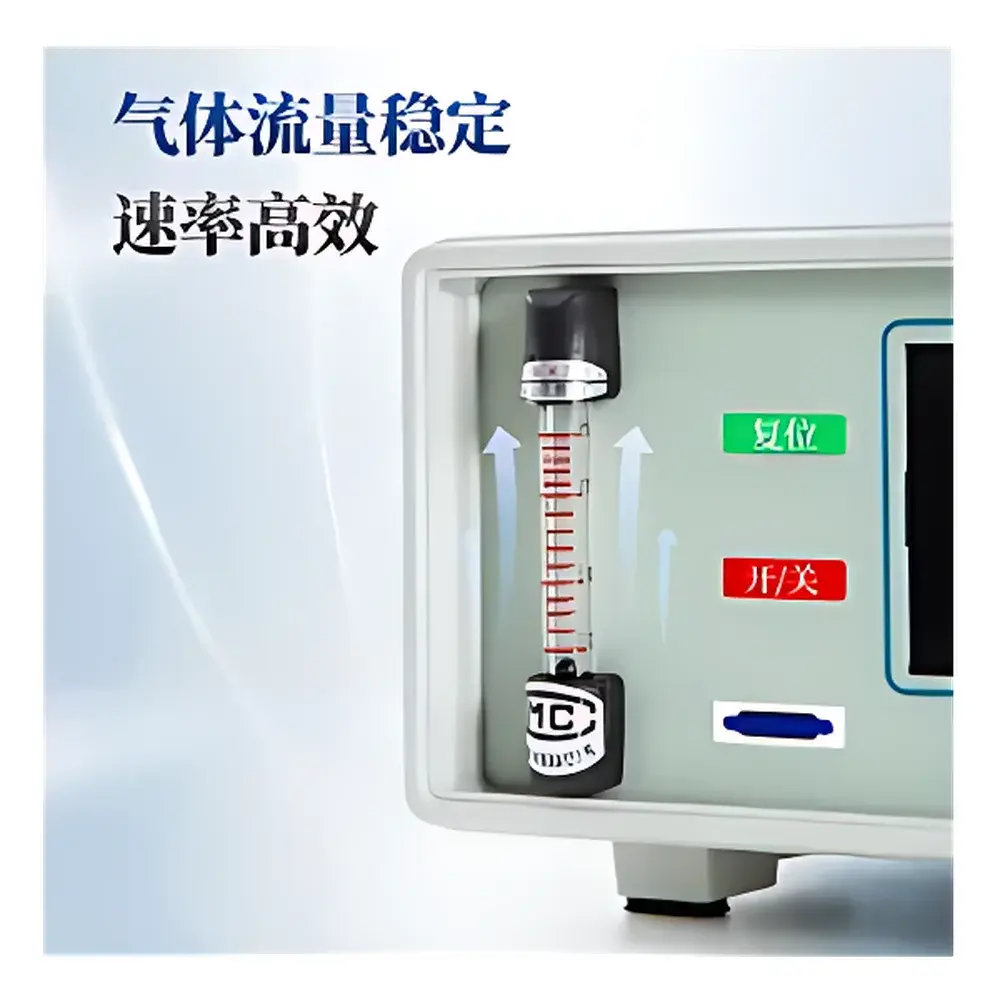
- Precision mass flow control: Digital micro-flowmeter with programmable setpoint (0.2–1.0 L·min⁻¹), resolution 0.0001 L·min⁻¹, zero drift ≤±0.005 L·min⁻¹
- Embedded data acquisition: 16 GB flash memory (user-expandable to 32 GB), timestamped at 1 Hz default sampling, compliant with FAIR data principles
- Field-rugged human interface: 3.5-inch sunlight-readable TFT display (800×480), six tactile keys, IP54-rated enclosure, and 20-hour battery endurance without external lighting
Sample Compatibility & Compliance
The YT-ZT10 accommodates broadleaf and narrow-leaf specimens up to 12 cm² chamber area, with interchangeable gaskets for variable leaf thickness and petiole geometry. Its open-system design avoids CO₂ accumulation artifacts and enables direct coupling with supplemental light sources or climate-controlled cuvettes. The instrument meets ISO 17025-aligned internal calibration protocols and supports traceable verification against NIST-standard hygrometers and blackbody temperature references. Data output formats (CSV, TXT) are compatible with GLP-compliant laboratory information management systems (LIMS). While not FDA 21 CFR Part 11-certified out-of-the-box, audit trail functionality—including operator ID, calibration logs, and metadata stamping—can be enabled via firmware update for regulated agricultural research environments.
Software & Data Management
Data export occurs via USB 2.0 interface directly to Windows/macOS platforms; no proprietary drivers required. Raw files include synchronized timestamps, sensor diagnostics flags, and unit-annotated columns (e.g., “Tr_mmol_H2O_m2_s”, “Gs_mol_H2O_m2_s”). Optional Yuntang DataLink software (v3.2+) provides batch processing, outlier detection using IQR-based filtering, and export to MATLAB (.mat), R (.rds), or Excel-compatible .xlsx. All datasets embed EXIF-style metadata: GPS coordinates (when paired with optional GNSS module), atmospheric pressure (if external sensor connected), and user-defined treatment codes—enabling reproducible analysis in multi-site agronomic trials.
Applications
- Quantifying crop water-use efficiency (WUE) under deficit irrigation regimes
- Evaluating stomatal responsiveness to abscisic acid (ABA) and other phytohormonal treatments
- Screening germplasm for drought-tolerant phenotypes in breeding programs
- Validating canopy-scale evapotranspiration models using leaf-level ground truthing
- Assessing impacts of soil salinity, heavy metal stress, or ozone exposure on stomatal regulation
- Teaching plant ecophysiology concepts in undergraduate and graduate laboratories
FAQ
What is the recommended leaf area for optimal measurement stability?
For reproducible results, select fully expanded, disease-free leaves with surface area between 4–10 cm². Smaller areas increase signal-to-noise ratio; larger areas may exceed chamber airflow uniformity limits.
Can the YT-ZT10 operate continuously in high-humidity tropical environments?
Yes—the Swiss humidity sensor maintains specified accuracy up to 85% RH. For sustained operation above this threshold, periodic desiccant regeneration of the intake path is advised to prevent condensation-induced drift.
Is leaf temperature compensation applied automatically during Tr calculation?
Yes. The system applies real-time correction using the measured leaf-to-air vapor pressure gradient derived from concurrent Pt100 leaf and Heraeus air temperature readings, per the Penman-Monteith formalism.
How often does the flowmeter require recalibration?
Under normal field use, annual verification against a NIST-traceable rotameter is sufficient. Factory recalibration is recommended every 24 months or after mechanical shock exceeding 50 g.
Does the device support external CO₂ injection for A/Ci curve generation?
No—the YT-ZT10 is optimized exclusively for H₂O vapor flux. For combined CO₂/H₂O measurements, Yuntang offers the YT-GA20 dual-gas system, which shares identical ergonomics and software architecture.