
CHIPNOVA CNS-VH-LR High-Temperature In Situ SEM Holder (Basic Edition)
| Brand | CHIPNOVA |
|---|---|
| Origin | Fujian, China |
| Manufacturer Type | Direct Manufacturer |
| Regional Classification | Domestic (China) |
| Model | CNS-VH-LR |
| Price | USD 1.00 (Reference Only – Contact for Quotation) |
Overview
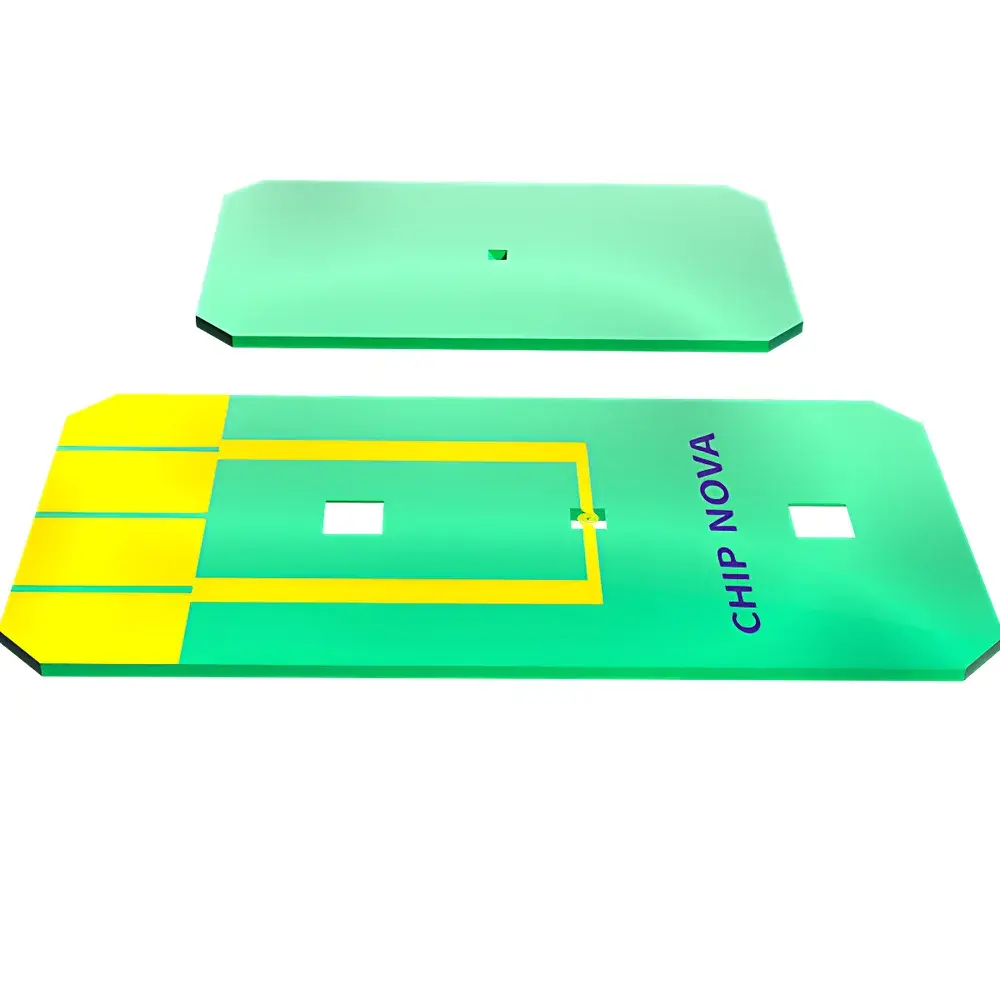
The CHIPNOVA CNS-VH-LR High-Temperature In Situ SEM Holder is an engineered MEMS-based sample stage designed for real-time, dynamic structural and compositional analysis inside scanning electron microscopes (SEM) under precisely controlled thermal conditions. It leverages monolithic silicon nitride membrane chips with integrated micro-heaters and high-fidelity infrared temperature sensing to establish a closed-loop, vacuum-compatible thermal environment directly within the SEM chamber. Unlike conventional resistive heating stages relying on bulk ceramic substrates or external furnace coupling, the CNS-VH-LR implements localized Joule heating via patterned noble-metal microfilaments embedded beneath an ultra-thin (as thin as 10 nm) SiNx viewing window—enabling atomic-scale imaging fidelity while maintaining thermal stability up to 1000 °C. Its operation conforms to fundamental requirements of in situ electron microscopy: minimal beam scattering, negligible thermal drift, and compatibility with simultaneous analytical modalities including energy-dispersive X-ray spectroscopy (EDS), electron backscatter diffraction (EBSD), and cathodoluminescence (CL).
Key Features
- Ultra-thin SiNx observation window (down to 10 nm thickness) optimized for high-resolution SEM imaging and low-energy EDS signal transmission.
- Integrated Pt–Rh or Pt–Ir micro-heater elements fabricated via MEMS lithography—serving simultaneously as heating source and resistance thermometer (RTD), ensuring linear, traceable R–T response with ±1 °C accuracy in closed-loop mode.
- High-frequency (≥1 kHz) proportional-integral-derivative (PID) feedback control using calibrated infrared thermometry, eliminating parasitic contact resistance errors and enabling sub-second thermal response.
- Multi-zone composite MEMS chip architecture mitigates lateral heat diffusion and suppresses thermal drift during ramping—critical for long-duration time-resolved experiments.
- Hermetically encapsulated heater structure with SiNx passivation prevents chemical interaction with reactive samples (e.g., MOFs, oxides, catalysts) and ensures experimental integrity under UHV (<1×10⁻⁷ Pa) conditions.
- Titanium alloy stage body provides mechanical rigidity, thermal isolation, and electromagnetic shielding—compatible with standard Gatan, Oxford, or Fischione-type SEM holder interfaces.
Sample Compatibility & Compliance
The CNS-VH-LR supports flat, conductive, or coated specimens up to 3 mm in diameter and 100 µm thick—including nanoparticles, thin films, nanowires, and polycrystalline foils. It is fully compatible with ZEISS Gemini, Ultra, and Sigma series SEMs, and validated for concurrent use with Oxford AZtec EDS and Channel 5 EBSD systems. All materials and fabrication processes comply with ISO 9001:2015 quality management standards. The system design accommodates GLP-compliant workflows: temperature logs, heater voltage/current traces, and stage status metadata are timestamped and exportable for audit-ready documentation per FDA 21 CFR Part 11 requirements when paired with validated acquisition software.
Software & Data Management
Control is executed via CHIPNOVA’s proprietary LabVIEW-based CNS Control Suite (v3.2+), which provides synchronized thermal ramping profiles, real-time temperature/parameter logging (≥100 Hz sampling), and hardware-triggered image acquisition integration. Export formats include CSV, HDF5, and MRC—ensuring interoperability with DigitalMicrograph, HyperSpy, and Python-based image analysis pipelines (e.g., scikit-image, PyEBSD). The suite supports scriptable batch protocols and integrates with third-party LIMS via RESTful API endpoints for automated experiment tracking.
Applications
- In situ thermal evolution studies of metal–organic frameworks (MOFs), such as ZIF-67 decomposition pathways and pore collapse kinetics observed via sequential SEM imaging and EDS mapping.
- Phase transformation dynamics in battery electrode materials (e.g., layered oxides, conversion cathodes) under controlled heating, correlated with microstructural coarsening and elemental segregation.
- Thermally activated grain boundary migration and recrystallization in nanocrystalline alloys, quantified via time-lapsed EBSD orientation mapping.
- Interface stability assessment of heterostructured catalysts (e.g., Pt/TiO2, Co3O4/CeO2) under operando-like conditions, combining surface topography, composition, and crystallographic texture evolution.
- Fundamental investigations of solid-state dewetting, interdiffusion, and stress relaxation at buried interfaces—enabled by sub-100 nm thermal gradient control across the field of view.
FAQ
What is the maximum operating temperature and ramp rate achievable with the CNS-VH-LR?
The system achieves stable operation up to 1000 °C in vacuum, with programmable ramp rates from 0.1 to 50 °C/s depending on sample thermal mass and desired stability.
Is the holder compatible with field-emission SEMs requiring ultra-high resolution?
Yes—the 10 nm SiNx window minimizes electron scattering and charging, preserving probe coherence and enabling sub-nanometer imaging resolution on FE-SEM platforms.
Can EDS and EBSD be collected simultaneously during heating?
Yes—real-time acquisition is supported; detector triggering is synchronized with thermal events via TTL signals from the CNS Control Suite.
Does the system support temperature calibration traceable to NIST standards?
Yes—integrated IR sensor calibration is performed against blackbody reference sources traceable to NIST SRM 1900 series, with certificate provided per unit.
What maintenance or recalibration intervals are recommended?
No routine recalibration is required; however, annual verification of thermal accuracy and window integrity is advised per ISO/IEC 17025 guidelines for accredited labs.






