
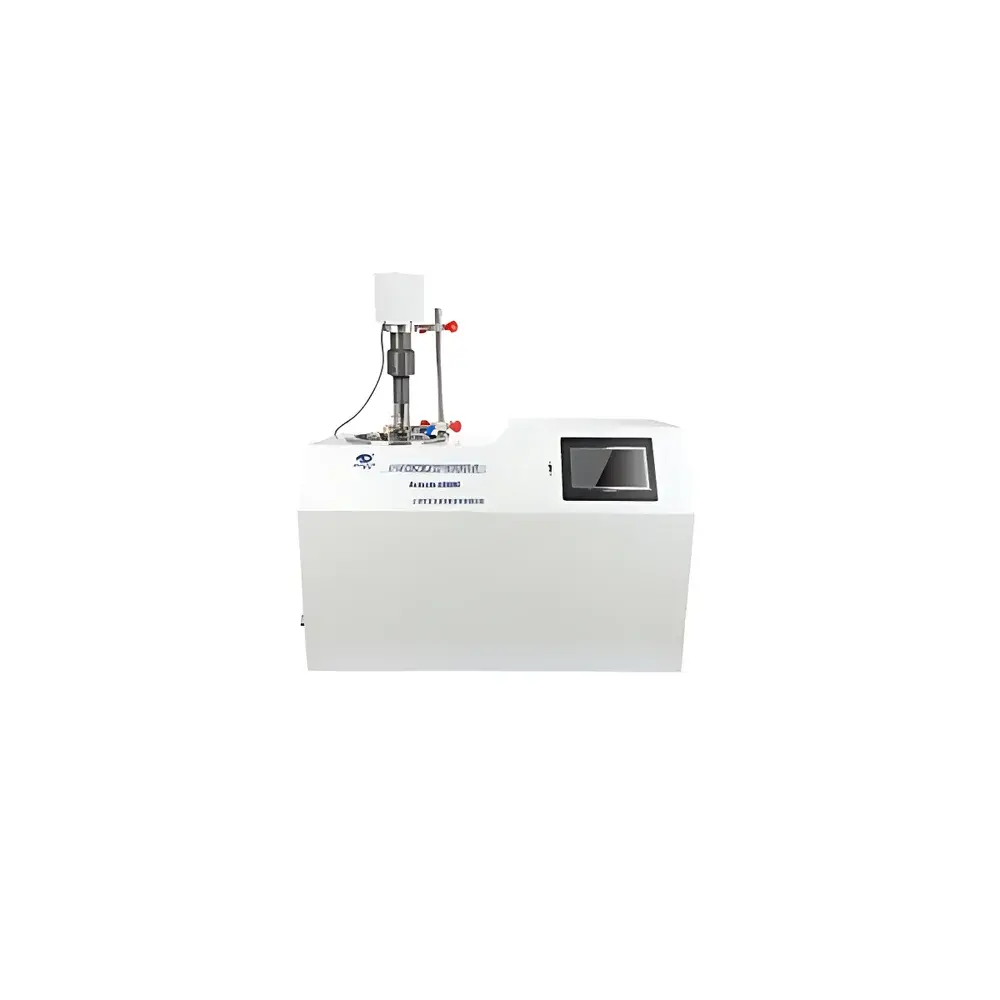
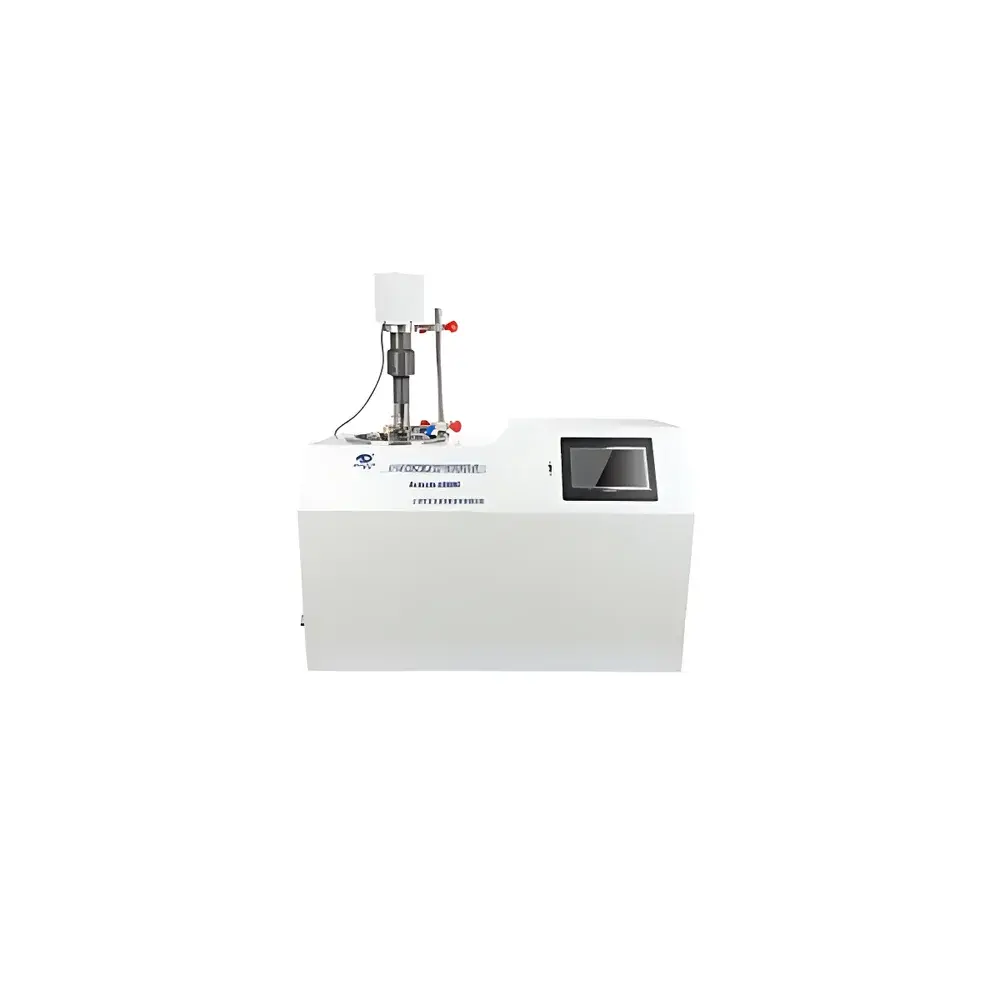
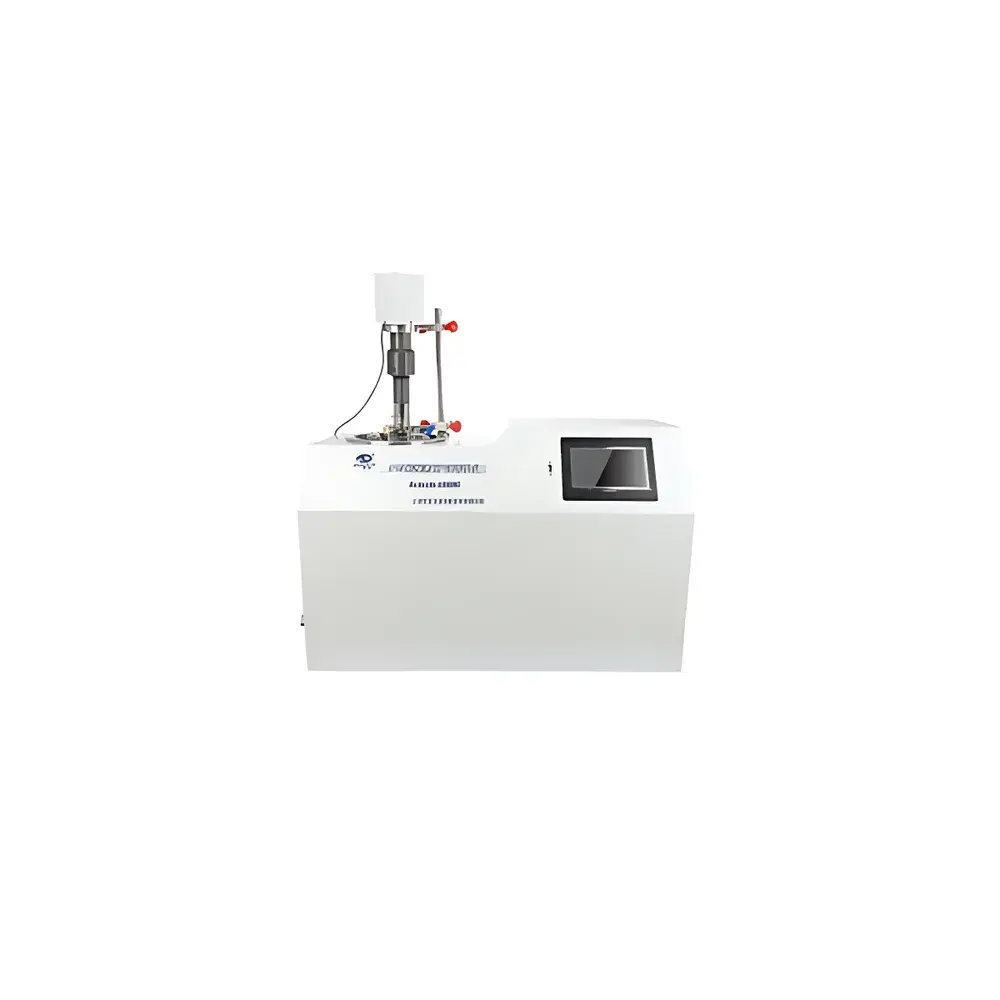
Scientz SCIENTZ-IIDM Microwave-Ultrasonic-Photochemical Integrated Extraction System
| Brand | Scientz |
|---|---|
| Origin | Zhejiang, China |
| Model | SCIENTZ-IIDM |
| Microwave Power | 1000 W (1–100% adjustable) |
| Microwave Frequency | 2450 MHz |
| Photochemical Power/Wavelength | 0–800 W / IR band |
| UV Power/Wavelength | 50 W / 365 nm |
| Ultrasonic Power/Frequency | 10–1000 W / 20–25 kHz |
| Ultrasonic Probe Diameter | Φ8 mm |
| Magnetic Stirring Speed | 50–300 rpm |
| Temperature Control Range | Ambient to 300 °C |
| Temperature Accuracy | ±1 °C |
| Programmable Steps | Up to 200 user-defined protocols |
| Max Sample Volume | 1000 mL |
| Cavity Volume | 25 L |
| Input Power | 220 V ±10% AC, 50 Hz, 3000 W |
| Safety Compliance | Meets GB 4706.21 (Microwave Leakage ≤5 mW/cm²), Dual-level Password Protection, Interlock Door Switch, Magnetron Overtemperature Protection, Real-time Video Monitoring |
Overview
The Scientz SCIENTZ-IIDM Microwave-Ultrasonic-Photochemical Integrated Extraction System is a multi-modal laboratory platform engineered for precision-controlled sample preparation in analytical chemistry, materials science, and synthetic methodology development. Unlike single-mode extractors, this system integrates four complementary energy delivery mechanisms—microwave irradiation (2450 MHz), high-intensity ultrasonication (20–25 kHz), broadband infrared photochemical heating (0–800 W), and narrowband UV excitation (365 nm, 50 W)—within a single, unified reaction chamber. Its operational principle leverages synergistic physical effects: microwave energy induces rapid volumetric dielectric heating; ultrasonic cavitation generates localized transient hotspots (>5000 K) and intense shear forces for cell disruption or particle deagglomeration; infrared radiation provides uniform surface-to-core thermal transfer; and UV photons initiate or accelerate photochemical bond cleavage (e.g., in lignin depolymerization or pesticide degradation). Designed for reproducible method development under GLP-aligned workflows, the SCIENTZ-IIDM supports systematic parameter optimization across temperature (ambient to 300 °C, ±1 °C accuracy), time (0–999 s per step), power modulation (independent control of each energy source), and mechanical agitation (50–300 rpm magnetic stirring). All thermal monitoring is performed via non-contact infrared pyrometry—eliminating probe contamination and enabling real-time tracking of heterogeneous sample behavior.
Key Features
- Multi-energy modularity: Independent, simultaneous, or sequential activation of microwave, ultrasonic, IR photochemical, UV, and magnetic stirring functions—enabling combinatorial protocol design.
- Precision thermal management: Industrial-grade infrared temperature sensor with ±1 °C accuracy across 0–300 °C range; no immersion probes required.
- High-fidelity process monitoring: Integrated HD video window with LED illumination (24 W, 6200 K CCT) allows visual observation of phase transitions, foaming, precipitation, or gas evolution during extraction.
- Robust programmability: 200 stored protocols, each configurable with up to 10 sequential steps—including ramp/hold profiles for temperature, power gradients for ultrasound/microwave, on/off triggers for UV, and dynamic stirring speed changes.
- Engineered safety architecture: Dual-level password access (user/admin), interlocked cavity door, magnetron overtemperature cutoff, and certified microwave leakage <5 mW/cm² (per GB 4706.21 and IEC 60335-2-90).
- Durable construction: 304 stainless steel cavity (25 L volume), corrosion-resistant interior, and sealed electronics compartment for long-term reliability in demanding lab environments.
Sample Compatibility & Compliance
The SCIENTZ-IIDM accommodates a broad spectrum of sample matrices—including plant tissues, microbial cultures, soil extracts, polymer composites, and metal-organic frameworks—across volumes from 50 mL to 1000 mL (standard 500 mL and 1000 mL vessels included; custom geometries available). Its non-invasive infrared thermometry ensures compatibility with opaque, viscous, or particulate-laden suspensions where contact sensors fail. From a regulatory standpoint, the system supports traceable, auditable workflows aligned with ISO/IEC 17025 requirements for method validation. While not FDA 21 CFR Part 11–certified out-of-the-box, its PLC-based logging engine records timestamped parameter sets, temperature traces, and event flags (e.g., door open, overtemp alert) to internal memory—facilitating retrospective data reconstruction during GLP/GMP audits. All electrical and RF emissions comply with CE EN 61000-6-3 (EMI) and EN 61000-6-2 (immunity) standards.
Software & Data Management
Control and data acquisition are managed through an industrial-grade 7-inch full-color TFT touchscreen interface running a deterministic real-time OS. The HMI provides intuitive drag-and-drop protocol editing, live graphing of temperature vs. time, and overlay visualization of power delivery curves. All 200 protocols reside in non-volatile flash memory with write-protection options. Export is supported via USB 2.0 (CSV-formatted logs) and Ethernet (RJ45) for integration into LIMS or ELN systems. Audit trails include operator ID (if logged in), timestamped parameter changes, and automatic error-code logging (e.g., E07 = IR sensor timeout). No proprietary software installation is required on host PCs—data files are plain-text and compatible with MATLAB, Python (pandas), or Excel for statistical analysis.
Applications
- Accelerated solvent extraction (ASE) of phytochemicals (e.g., flavonoids, alkaloids) from botanical matrices with >95% recovery vs. Soxhlet (validated per AOAC 999.05).
- Ultrasound-assisted leaching of rare earth elements from electronic waste under subcritical water conditions.
- Photo-thermal catalytic degradation studies of microplastics using UV/IR co-irradiation.
- Rapid digestion of biological tissues for elemental analysis (ICP-MS/OES), reducing acid consumption by 40% compared to conventional hotplate methods.
- Development of green synthesis routes for nanomaterials (e.g., Ag NPs, MOFs), where controlled nucleation is governed by pulsed microwave–ultrasound coupling.
FAQ
Does the SCIENTZ-IIDM support remote operation or network integration?
Yes—it features a standard RJ45 Ethernet port compliant with TCP/IP protocols, enabling integration into institutional networked lab infrastructures for centralized monitoring and data archival.
Can the ultrasonic probe be replaced with alternative tip geometries?
The Φ8 mm titanium alloy probe is standardized for optimal impedance matching; however, Scientz offers optional Φ3 mm and Φ10 mm probes (part numbers available upon request) for specialized applications requiring focused energy density or larger-volume coupling.
Is calibration documentation provided for the infrared temperature sensor?
A factory calibration certificate (traceable to NIST standards) is included with each unit; annual recalibration services are available through authorized Scientz service centers.
What is the maximum allowable pressure inside the cavity during closed-vessel operation?
The system is designed for atmospheric-pressure open-vessel use only; pressurized operation requires third-party reactor accessories and is not covered under warranty or safety certification.
How is microwave energy distributed within the 25 L cavity?
A mode stirrer (rotating reflector) ensures homogeneous field distribution; field uniformity is verified at ≥85% across the central 10 cm³ zone per IEC 62233 test methodology.



