
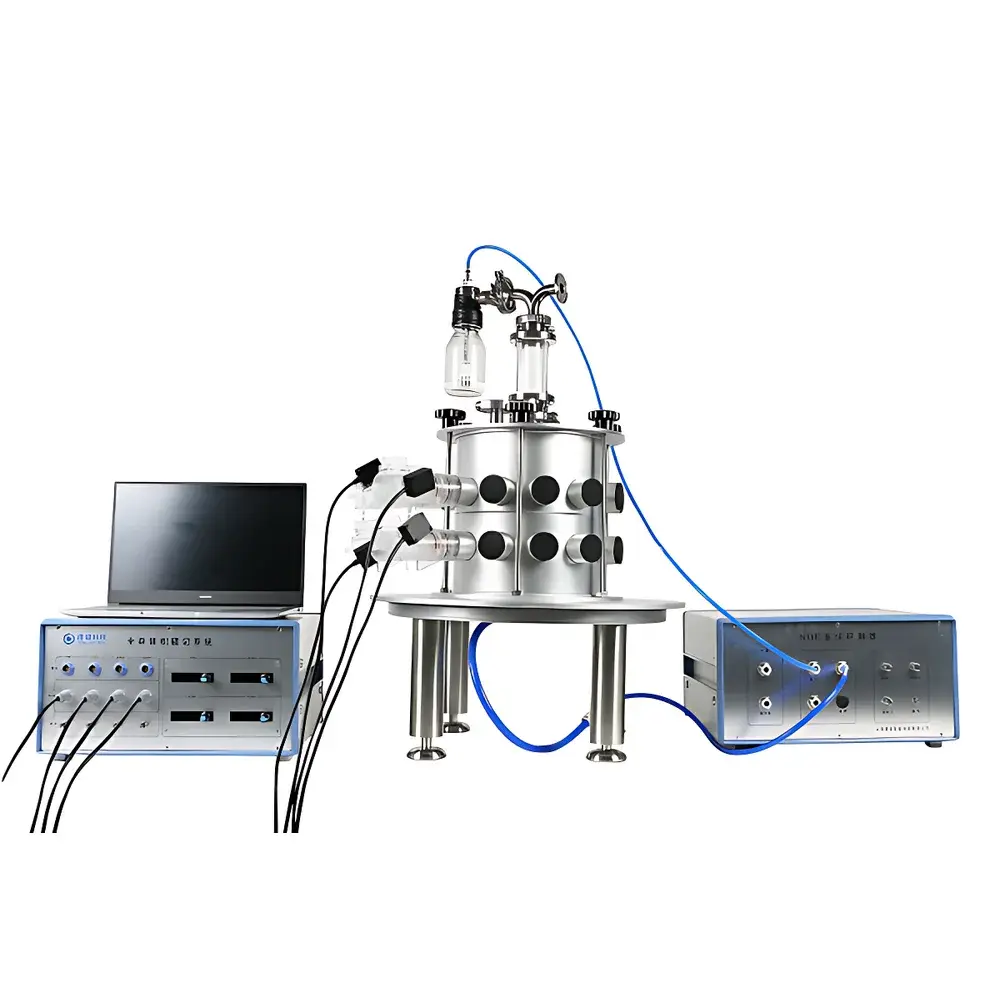
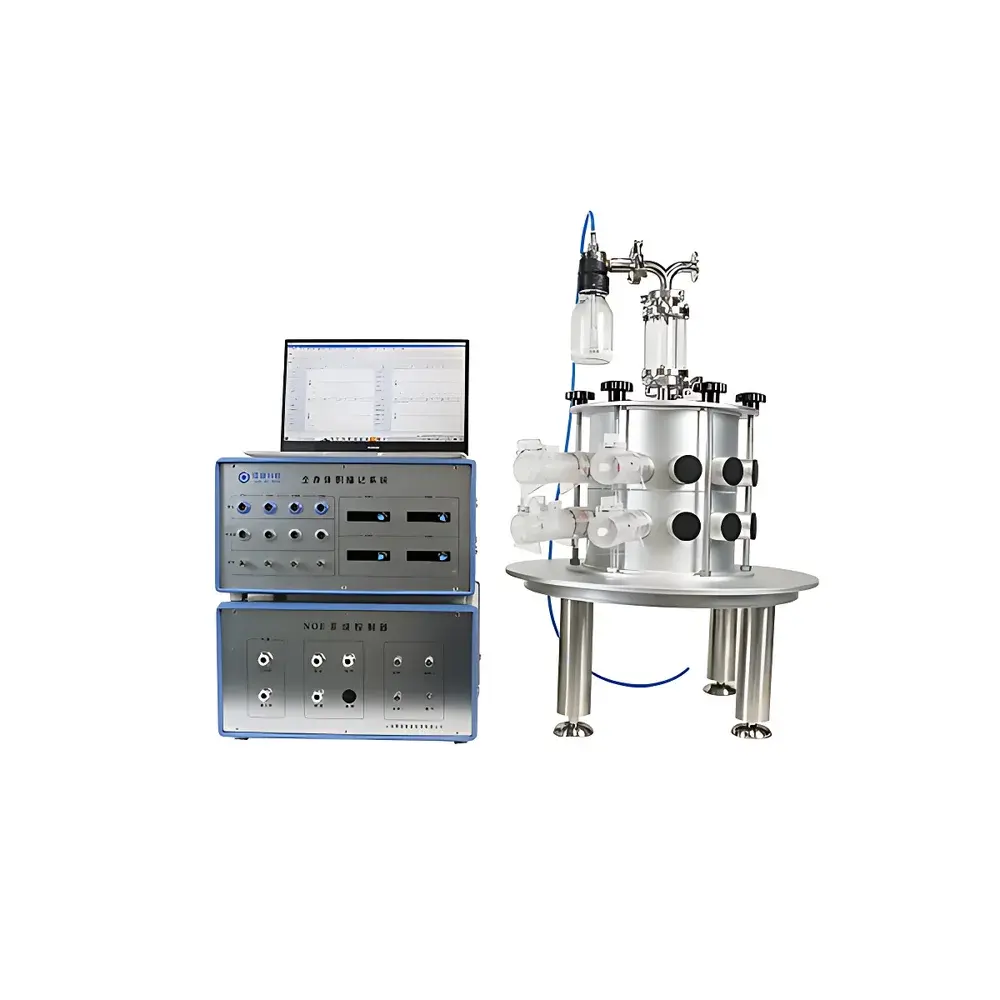
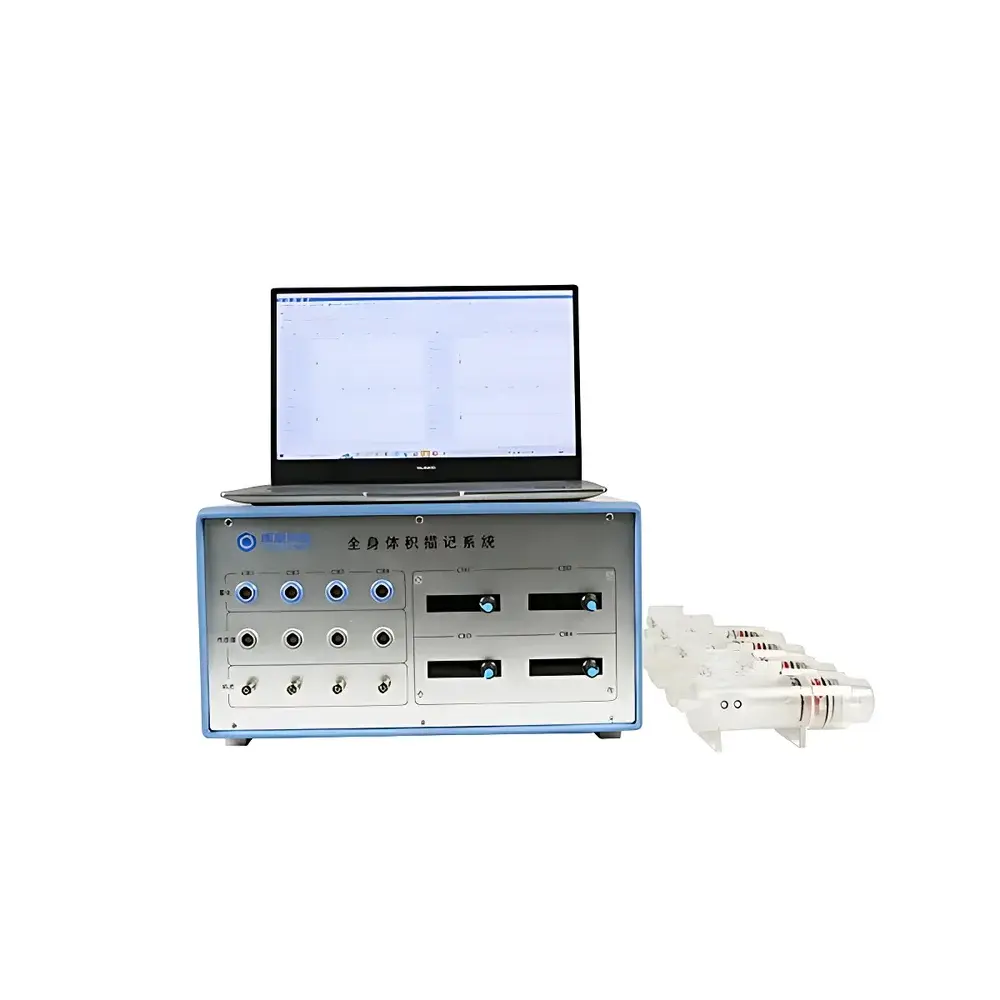
TOW-INT HOP-4 Head-Out Whole Body Plethysmography System
| Brand | TOW-INT |
|---|---|
| Model | HOP-4 |
| Origin | Shanghai, China |
| Manufacturer | TOW-INT Technologies |
| Configuration | 4-channel, universal chamber set for mice and rats |
| Compliance | Designed for GLP-compliant respiratory phenotyping studies |
Overview
The TOW-INT HOP-4 Head-Out Whole Body Plethysmography System is a non-invasive, conscious-animal respiratory function measurement platform engineered for high-fidelity, longitudinal assessment of pulmonary mechanics in rodents. Based on the head-out plethysmography principle—where the animal’s head remains outside a sealed body chamber while the thoracic and abdominal compartments are enclosed—the system precisely quantifies real-time changes in chamber pressure and gas volume to derive dynamic respiratory parameters. Unlike whole-body or barometric plethysmography, this configuration isolates the body cavity from oronasal airflow, eliminating confounding signals from upper airway resistance and enabling unambiguous detection of bronchoconstriction, tidal breathing patterns, and airway hyperresponsiveness (AHR). The system operates under isothermal, constant-volume conditions and applies validated algorithms aligned with established physiological definitions (e.g., EF50 as defined by Glaab et al., *J Appl Physiol*, 2002), ensuring reproducibility across laboratories and compatibility with regulatory preclinical study designs.
Key Features
- Conscious, non-restrained operation: Eliminates anesthesia-induced respiratory depression and surgical trauma associated with tracheostomy or cannulation
- Modular 4-channel architecture: Simultaneous parallel monitoring of up to four animals—configurable for mice, rats, or mixed-species cohorts using interchangeable chamber inserts
- Integrated aerosol nebulization module: Supports controlled delivery of methacholine (mACh), histamine, capsaicin, or experimental therapeutics directly into the inspiratory stream during challenge protocols
- Multi-parameter real-time acquisition: Measures Ti, Te, PIF, PEF, Volbal, F, Vt, MV, AV, EF50, EIP, EEP, TR, PenH, and Rpef per breath cycle with sub-second temporal resolution
- Physiological signal synchronization interface: TTL-triggered inputs/outputs enable concurrent recording of core temperature (via rectal probe), arterial blood pressure (via telemetry or catheter), ECG, or locomotor activity
- Open-system compatibility: Seamless integration with nose-only exposure chambers, environmental control units (temperature/humidity/O₂), and automated behavioral tracking platforms
Sample Compatibility & Compliance
The HOP-4 accommodates rodents ranging from 18–35 g (mice) to 200–500 g (rats), with chamber volumes dynamically calibrated to minimize dead space and optimize signal-to-noise ratio. All chamber materials comply with USP Class VI biocompatibility standards and are autoclavable for repeated use in GLP-regulated toxicology and safety pharmacology studies. Data acquisition adheres to ALR (Animal Laboratory Regulations) and OECD Test Guidelines 412 (Subacute Inhalation Toxicity) and 413 (Chronic Inhalation Toxicity). The system supports audit-trail-enabled data logging compliant with FDA 21 CFR Part 11 requirements when paired with validated software modules, including electronic signatures, user access controls, and immutable raw-data archiving.
Software & Data Management
Acquisition and analysis are performed via TOW-INT Plethysmography Suite v3.2—a Windows-based application developed in accordance with ICH E6(R3) Good Clinical Practice principles for preclinical data integrity. The software provides real-time waveform visualization, automated breath-by-breath parameter extraction, batch processing for multi-session comparisons, and export to CSV, HDF5, or MATLAB-compatible formats. Advanced analytics include PenH derivation using proprietary smoothing algorithms, EF50 dose-response curve fitting (log-dose vs. %ΔPEF or %ΔPenH), and statistical modeling (repeated-measures ANOVA, mixed-effects regression) for longitudinal AHR profiling. All calibration logs, hardware configurations, and operator annotations are embedded in metadata headers, supporting full traceability from raw signal to final report.
Applications
The HOP-4 serves as a primary endpoint tool in respiratory disease modeling and mechanistic pharmacology. It is routinely deployed in: asthma pathophysiology studies (OVA/LPS/mACh challenge models); COPD and emphysema evaluation (elastase or cigarette smoke exposure); pulmonary fibrosis progression monitoring (bleomycin or radiation models); acute lung injury (ALI) and ARDS assessment; cough reflex quantification (capsaicin/citric acid challenges); inhalation toxicology screening (nanoparticles, VOCs, industrial aerosols); and biopharmaceutical development (inhaled monoclonal antibodies, siRNA, or small-molecule bronchodilators). Its capacity for repeated measurements in the same subject enables robust within-animal statistical power—critical for detecting subtle therapeutic effects in chronic intervention studies.
FAQ
Is anesthesia required during testing?
No. The head-out design allows fully conscious, unrestrained animals to breathe naturally, preserving baseline autonomic tone and eliminating confounding effects of anesthetics on airway smooth muscle reactivity.
Can the system be used for both mice and rats in the same session?
Yes. The HOP-4MR configuration includes adjustable chamber inserts and independent flow/pressure calibration profiles for each channel, permitting simultaneous cross-species experiments without recalibration.
How is EF50 calculated, and what does it represent physiologically?
EF50 is derived from the expiratory flow-volume curve as the flow rate at 50% of expired tidal volume. It reflects central airway conductance and correlates strongly with invasive measures of airway resistance (RL) and compliance (CL), making it a validated surrogate for bronchoconstriction severity.
Does the system support GLP-compliant study reporting?
Yes—when operated with validated software, electronic signatures, and documented calibration records, the HOP-4 meets core requirements for data integrity in regulatory submissions to the FDA, EMA, and PMDA.
Can third-party physiological signals be synchronized with respiratory data?
Yes. The system provides isolated digital I/O ports and analog voltage outputs compatible with commercial data acquisition systems (e.g., ADInstruments PowerLab, Tucker-Davis Technologies RZ5) for time-aligned multimodal recording.




