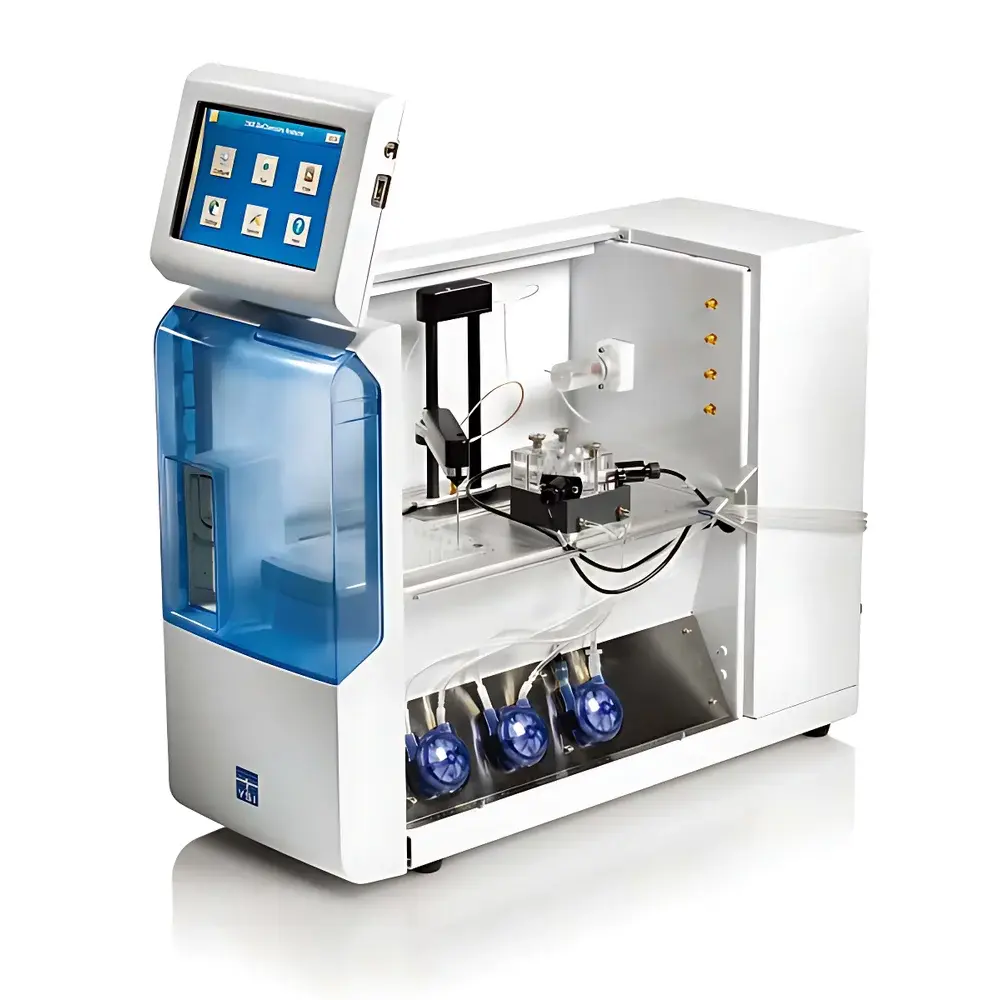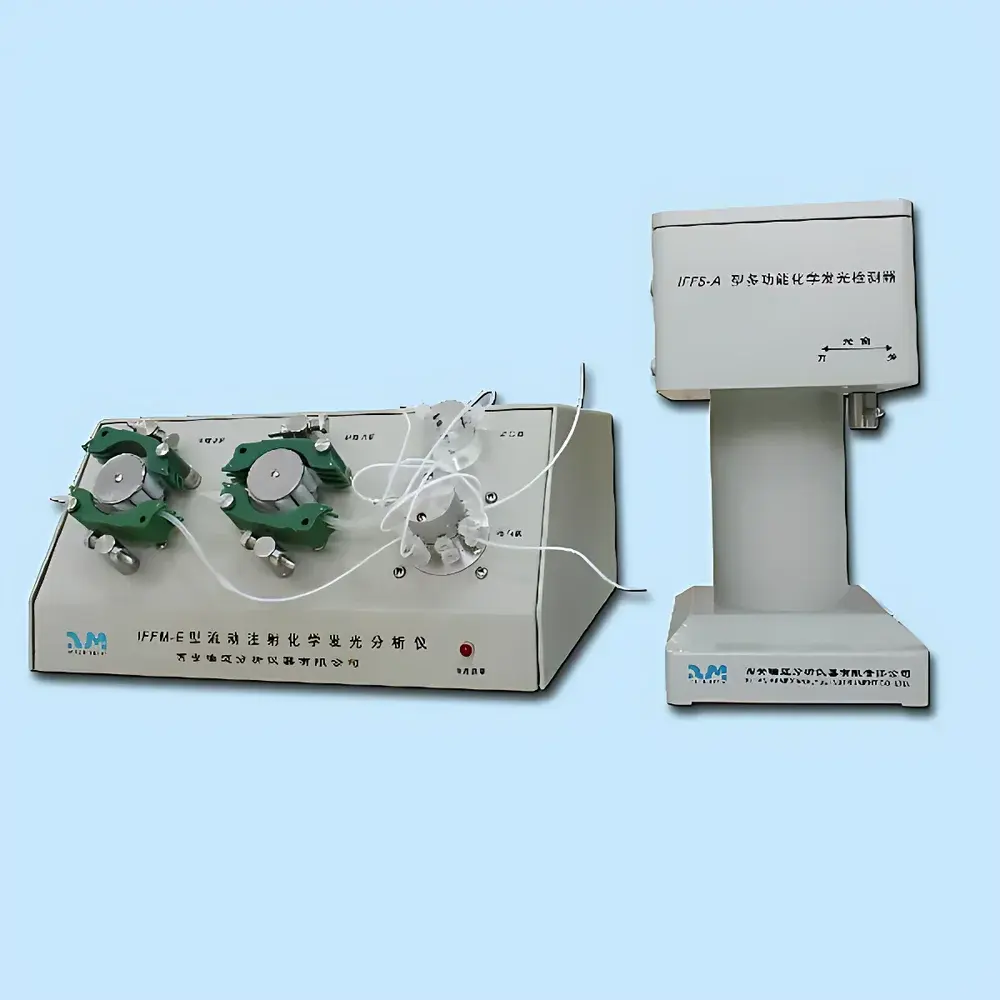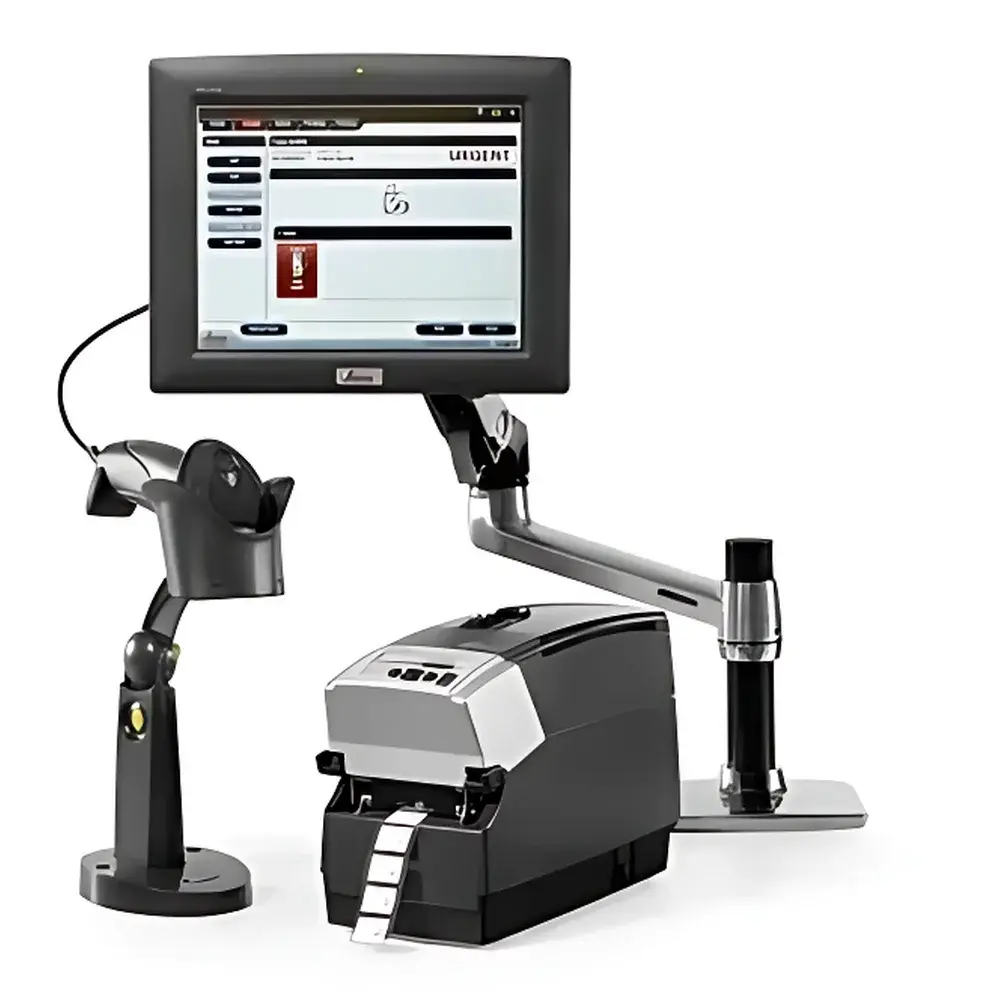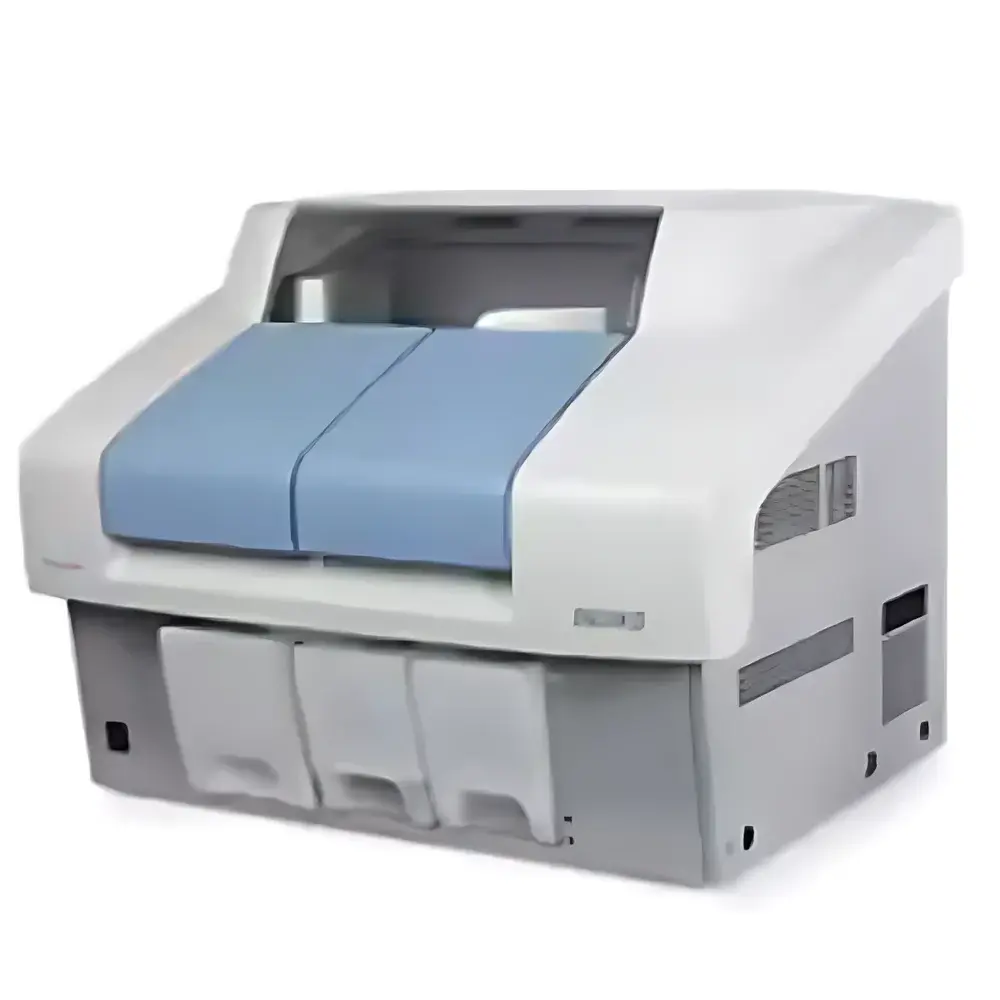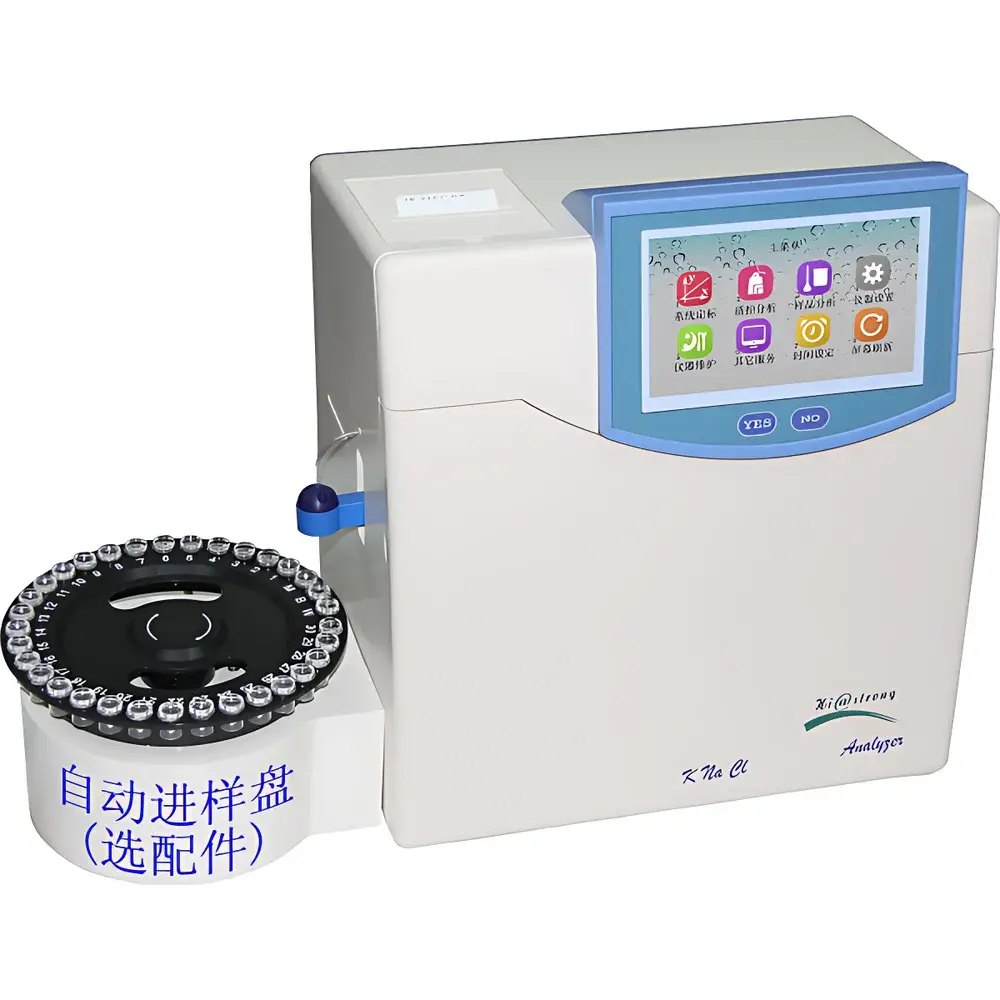
Histrong HC-9885 Electrolyte Analyzer
| Brand | Histrong |
|---|---|
| Origin | Guangdong, China |
| Manufacturer Type | Original Equipment Manufacturer (OEM) |
| Product Origin | Domestic (China) |
| Model | HC-9885 |
| Pricing | Upon Request |
Overview
The Histrong HC-9885 Electrolyte Analyzer is a benchtop clinical chemistry analyzer engineered for rapid, precise, and reliable measurement of key electrolytes and pH in human biological specimens. It operates on the principle of ion-selective electrode (ISE) potentiometry — a well-established electrochemical method standardized in clinical laboratories worldwide. The instrument simultaneously quantifies potassium (K⁺), sodium (Na⁺), chloride (Cl⁻), ionized calcium (iCa²⁺), total calcium (calculated), and pH using calibrated, membrane-based ISEs housed in a sealed flow cell. Designed for high-throughput routine use in hospital core labs, emergency departments, and point-of-care testing (POCT) environments, the HC-9885 delivers results in under 60 seconds per sample with coefficient of variation (CV) ≤1.0% across all measured parameters — meeting CLIA-defined criteria for “moderate complexity” testing and aligning with ISO 15197:2013 and CLSI EP15-A3 performance expectations for quantitative clinical analyzers.
Key Features
- ARM-based high-speed embedded processor with network-enabled firmware update capability — enabling remote calibration verification, software revision control, and traceable version history per FDA 21 CFR Part 11 requirements.
- Side-driven auto-reset sample aspiration system — eliminates manual syringe actuation and reduces operator-induced variability in sample volume delivery.
- Programmable protein removal cycle — automatically flushes ISE flow paths with enzymatic detergent at user-defined intervals to minimize protein fouling and maintain electrode response stability over extended operation.
- Integrated opto-mechanical liquid distribution valve — reduces fluidic dead volume, minimizes carryover risk (<0.1%), and simplifies maintenance by consolidating 12+ solenoid valves into a single precision actuator module.
- Imported polymer membrane ISEs — featuring low-drift potentials, high selectivity coefficients (log KPot < −5.0 vs interfering ions), and operational lifetimes exceeding 12 months under continuous clinical use.
- Full walk-away automation — including auto-calibration (two-point or multi-point), sample aspiration, electrode conditioning, measurement, post-run rinsing, and result reporting — requiring no manual cleaning or daily electrode polishing.
- Dual communication interface (USB 2.0 + RS-232) — supports bidirectional HL7 v2.x messaging, LIS integration, and remote diagnostics via secure serial tunneling protocols.
- Intelligent liquid detection algorithm — validates sample volume (≤100 µL), detects air bubbles or clot presence, and halts analysis upon anomaly detection to prevent erroneous reporting.
- Integrated thermal printer with archival-grade media — produces tamper-evident reports compliant with CAP checklist COM.40820 and retaining legibility for ≥5 years under ambient storage conditions.
Sample Compatibility & Compliance
The HC-9885 accepts undiluted serum, lithium-heparin plasma, whole blood (with optional hematocrit correction), and diluted urine specimens. All sample types are processed within a closed, pressure-regulated fluidic path meeting IEC 61010-1 safety standards for medical electrical equipment. The analyzer conforms to GB/T 29791.3–2013 (Chinese national standard for electrolyte analyzers), and its measurement traceability chain links to NIST SRM 914a (electrolyte reference material) via manufacturer-certified calibrators. Routine quality control is supported through built-in Westgard multirule evaluation, Levey-Jennings chart generation, and automatic calculation of mean, SD, and CV for each analyte — fully documenting QC compliance for GLP/GMP audits.
Software & Data Management
The embedded operating system provides audit-trail-enabled user management (role-based access control), electronic signature support for calibration and QC events, and encrypted local data storage (≥10,000 test records). Raw sensor output, calibration logs, error codes, and environmental monitoring (temperature/humidity) are timestamped and exportable in CSV format. Optional middleware modules enable seamless interfacing with major LIS platforms (e.g., Cerner, Epic, Sunquest) via ASTM E1384-compliant messaging. Software updates undergo formal validation per ISO 13485:2016 Annex C and include version-controlled release notes archived for regulatory review.
Applications
The HC-9885 serves as a primary electrolyte testing platform in emergency triage (e.g., assessing hyperkalemia in renal failure or hyponatremia in SIADH), critical care monitoring (ICU/CCU), neonatal intensive care (where microsample volume is essential), and outpatient metabolic screening. Its robustness against hemolyzed or lipemic samples — validated per CLSI EP07-A2 interference guidelines — ensures diagnostic reliability across diverse clinical specimen matrices. The 30-position autosampler enables unattended batch processing for high-volume labs, while its compact footprint (360 × 240 × 420 mm) and low power draw (60 W) facilitate deployment in space-constrained settings including mobile health units and rural clinics.
FAQ
What sample volumes does the HC-9885 require for accurate analysis?
The system requires ≤100 µL of undiluted serum or plasma; whole blood samples require 120 µL to accommodate hematocrit compensation algorithms.
Does the analyzer support external QC material verification?
Yes — it accepts third-party QC materials (e.g., Bio-Rad Lyphochek, Randox Acusera) and automatically flags deviations exceeding user-defined Westgard rule thresholds.
How often must the ISEs be recalibrated?
Calibration is performed automatically before each analytical run; full two-point calibration is recommended every 8 hours or after 50 samples, per manufacturer’s IFU.
Is the instrument compatible with ISO/IEC 17025-accredited laboratory workflows?
Yes — its integrated audit trail, electronic signatures, calibration traceability documentation, and uncertainty estimation tools satisfy Clause 7.7 of ISO/IEC 17025:2017 for testing laboratories.
Can the HC-9885 interface with hospital information systems using HL7?
Yes — HL7 v2.3.1 ORU^R01 and ACK message support is enabled via RS-232 or USB-to-serial bridge with configurable field mapping.