
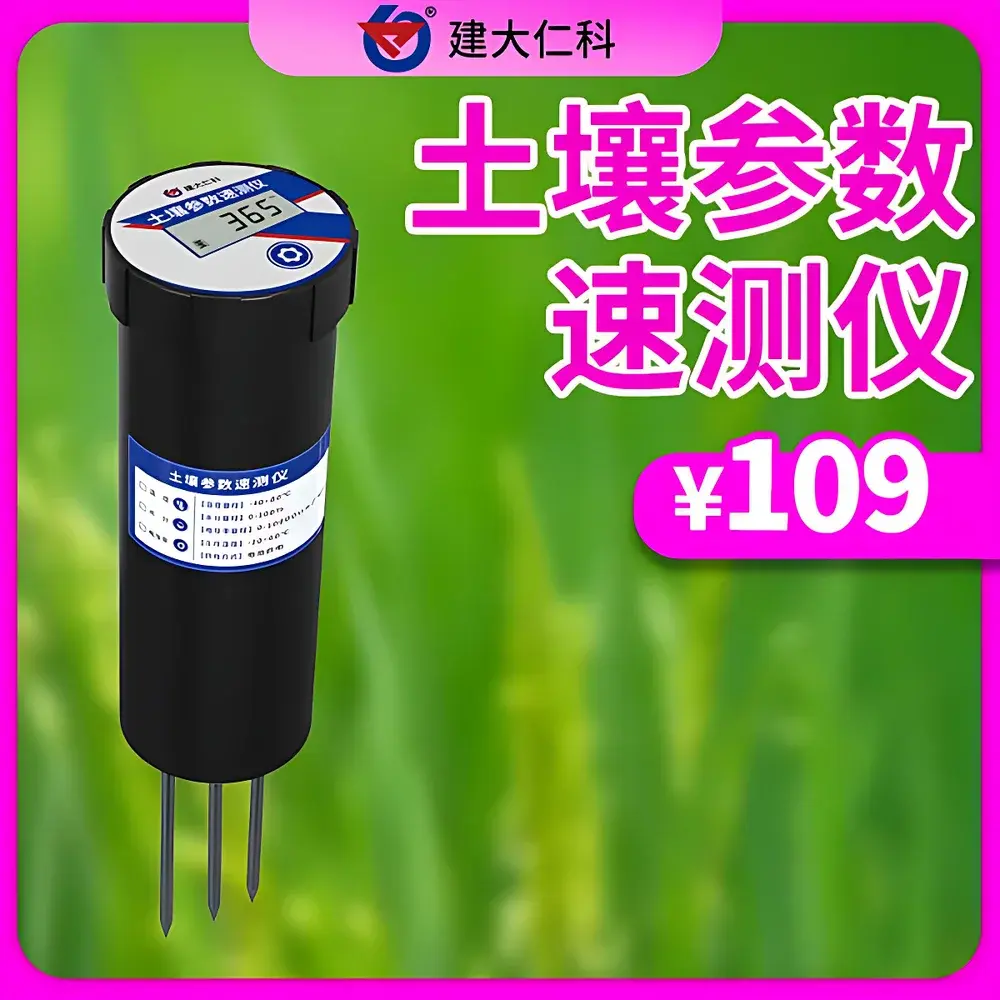
RenKe RS-*-SC-2 Portable Soil Multi-Parameter Tester
| Brand | RenKe |
|---|---|
| Origin | Shandong, China |
| Manufacturer Type | Direct Manufacturer |
| Country of Origin | China |
| Model | RS-*-SC-2 |
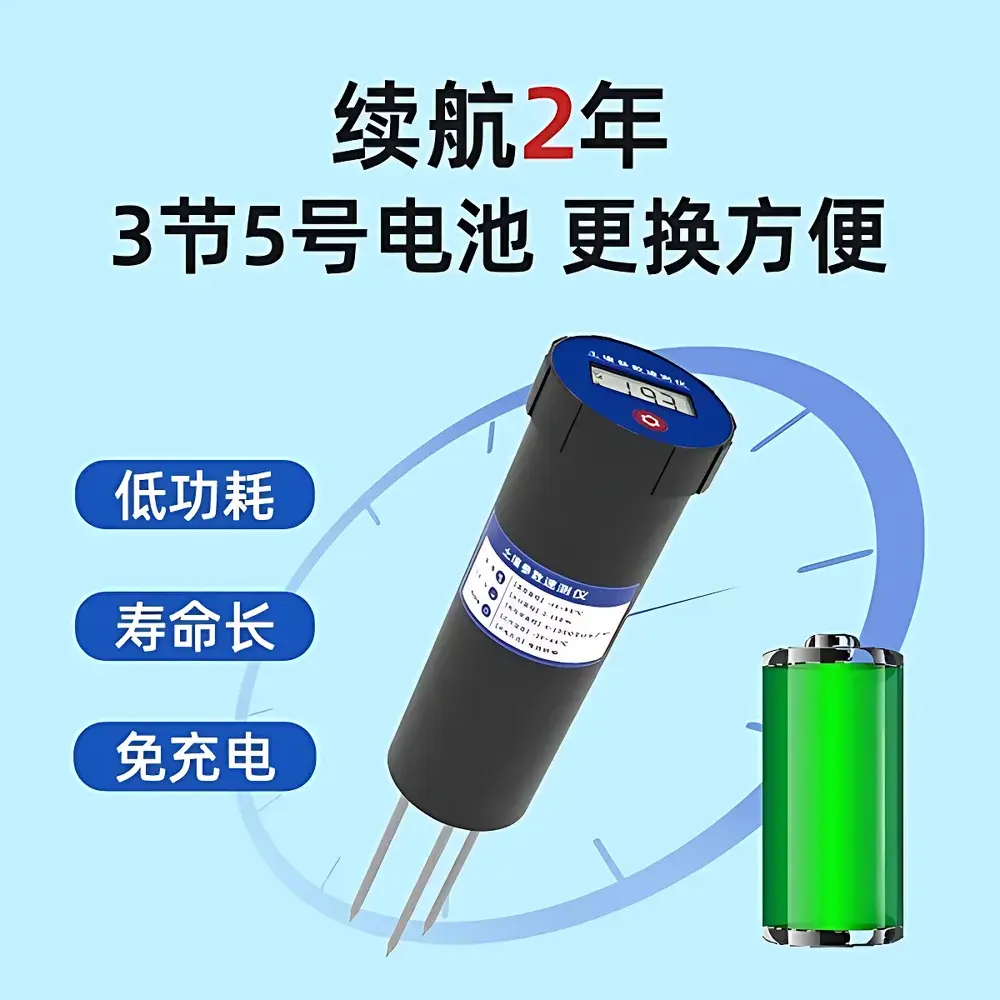
| Power Supply | 3×AA batteries (up to 2 years operational life) |
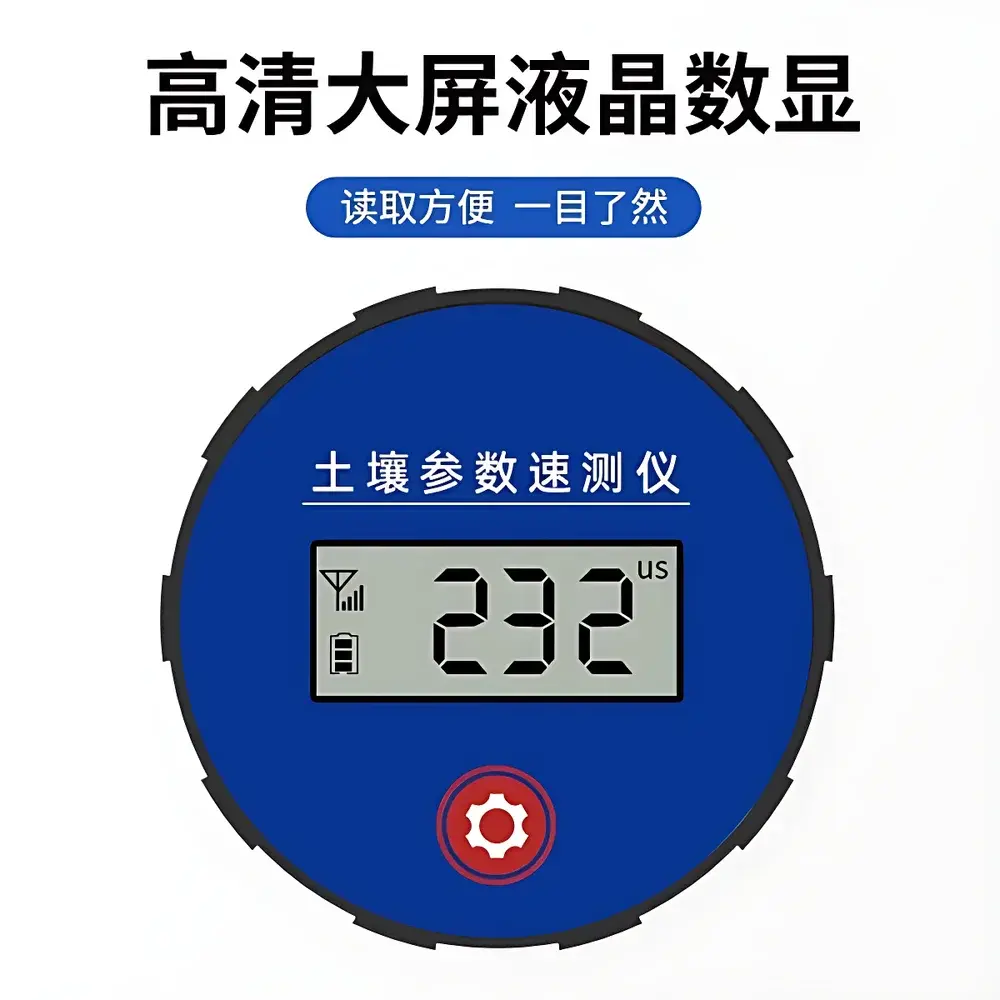
| Display | Low-power LCD with numeric readout |
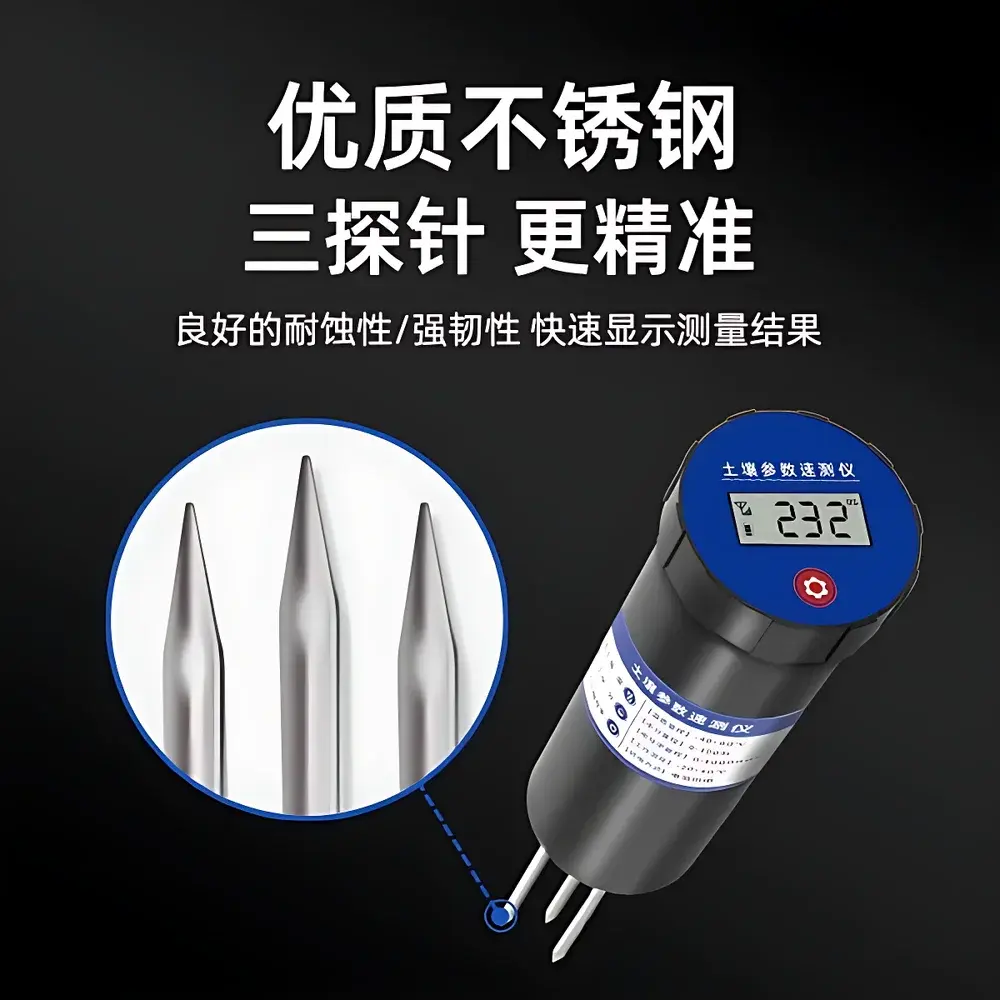
| Probe Material | Stainless steel |
| Measurement Principles | FDR (Frequency Domain Reflectometry) for soil moisture |
| Compliance | Designed for field-deployable environmental monitoring in accordance with standard agricultural and horticultural practice guidelines |
Overview
The RenKe RS-*-SC-2 Portable Soil Multi-Parameter Tester is an integrated handheld field instrument engineered for rapid, on-site assessment of four fundamental soil physical and chemical parameters: volumetric water content (VWC), electrical conductivity (EC), pH, and temperature. Unlike laboratory-based analytical systems requiring sample extraction and preparation, the RS-*-SC-2 employs direct in-situ probe insertion—enabling real-time, non-destructive measurement without reagents, calibration solutions, or external power sources. Its core sensing architecture leverages Frequency Domain Reflectometry (FDR) for robust and temperature-compensated moisture quantification across diverse soil textures (sand to clay loam). EC is measured via low-frequency alternating current excitation to minimize electrode polarization effects and ensure stable readings in variable salinity conditions. The pH module utilizes a ruggedized solid-state ion-sensitive field-effect transistor (ISFET) sensor with integrated temperature compensation, while soil temperature is acquired via a calibrated NTC thermistor embedded within the probe tip. This multi-sensor fusion approach delivers co-located, time-synchronized data critical for irrigation scheduling, nutrient management, and soil health diagnostics.
Key Features
- Compact handheld form factor (185 × 45 × 30 mm) with ergonomic grip and IP65-rated enclosure for dust and water resistance during outdoor use.
- Stainless steel conical probe (Ø3.2 mm × 120 mm) designed for minimal soil disturbance and repeatable insertion depth control.
- Low-power LCD display with auto-backlight activation, showing all four parameters simultaneously with unit identifiers (%, dS/m, pH, °C).
- Three AA alkaline batteries provide up to 24 months of typical field use (based on 10 measurements/day), with battery status indicator.
- No consumables required—zero reagent usage, no electrode replacement, no liquid electrolyte maintenance.
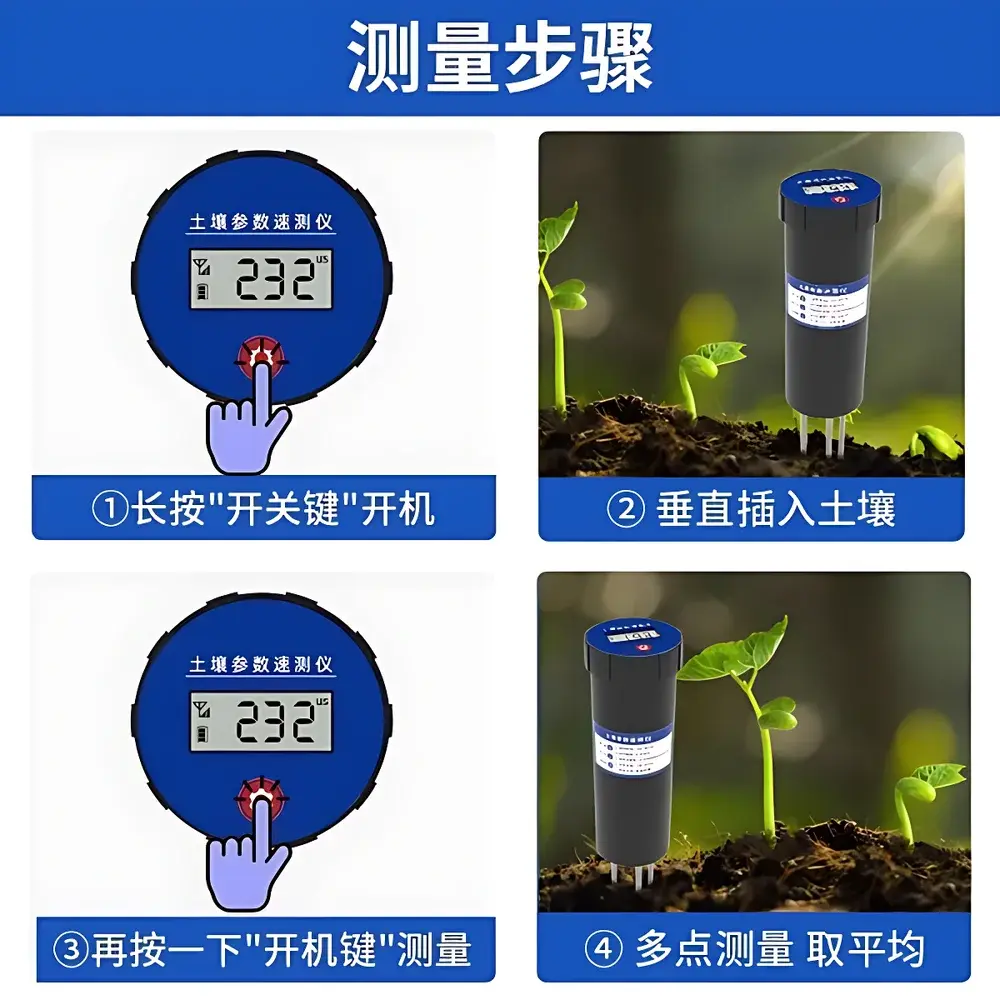
- Measurement cycle completes in ≤3 seconds per reading, with automatic stabilization detection and audible confirmation tone.
- Internal memory stores up to 999 timestamped records (date/time-stamped), accessible via manual recall on device screen.
Sample Compatibility & Compliance
The RS-*-SC-2 is validated for use in mineral soils, potting mixes, peat-based substrates, and hydroponic growing media. It is not intended for highly saline soils (>15 dS/m), frozen soils, or soils with >30% organic matter by volume without empirical correction. Probe insertion depth is standardized at 60–80 mm for consistent sampling horizon representation. While not certified to ISO/IEC 17025, the instrument conforms to common field measurement practices referenced in ASTM D5084 (in-situ hydraulic conductivity), ISO 11265 (soil pH determination), and FAO guidelines for smallholder soil monitoring. Its design supports GLP-aligned documentation when paired with external logging protocols.
Software & Data Management
The RS-*-SC-2 operates as a standalone field tool with no Bluetooth, USB, or wireless connectivity. Data export requires manual transcription from the LCD display or optional integration with third-party field notebooks using standardized observation templates. For digital workflow integration, users may pair the device with mobile apps (e.g., FarmLogs, AgriWebb) via manual entry or barcode-scanned batch logging. All internal measurements adhere to SI units and include built-in temperature compensation algorithms traceable to NIST-referenced calibration curves. Audit trails are maintained through user-recorded metadata (location, crop stage, date), aligning with basic GMP documentation requirements for agronomic trials.
Applications
- Precision irrigation management in open-field agriculture and greenhouse operations.
- Soil health monitoring across long-term fertility trials and cover crop studies.
- Nursery and orchard root-zone profiling for transplant readiness assessment.
- Urban horticulture and vertical farming substrate validation prior to planting.
- Extension service demonstrations and farmer training on soil-water-nutrient relationships.
- Environmental education programs requiring low-barrier, hands-on soil science tools.
FAQ
Does the RS-*-SC-2 require factory calibration before first use?
No—each unit ships pre-calibrated against NIST-traceable reference standards. Field recalibration is not supported; however, routine verification using certified buffer solutions (pH 4.01/7.00) and KCl standards (1.41 dS/m) is recommended quarterly.
Can the probe be used in rocky or compacted soils?
The stainless steel probe is hardened to Rockwell C45 but may bend if forced into gravel or dry clay. Pre-drilling a pilot hole with a 3 mm diameter awl is advised in high-density substrates.
Is temperature compensation applied automatically during EC and pH measurement?
Yes—dual-sensor thermal coupling ensures real-time compensation for both EC (using the embedded thermistor) and pH (via ISFET junction temperature modeling), eliminating manual correction tables.
What is the measurement repeatability under controlled conditions?
At 25°C and 20% VWC, repeatability is ±0.8% VWC, ±0.05 dS/m EC, ±0.1 pH unit, and ±0.3°C for temperature (n=10 insertions in same location).
How should the probe be cleaned between measurements?
Wipe with a lint-free cloth dampened with deionized water; avoid abrasive cleaners or solvents that may degrade the ISFET surface or epoxy encapsulation.
Related Products







