
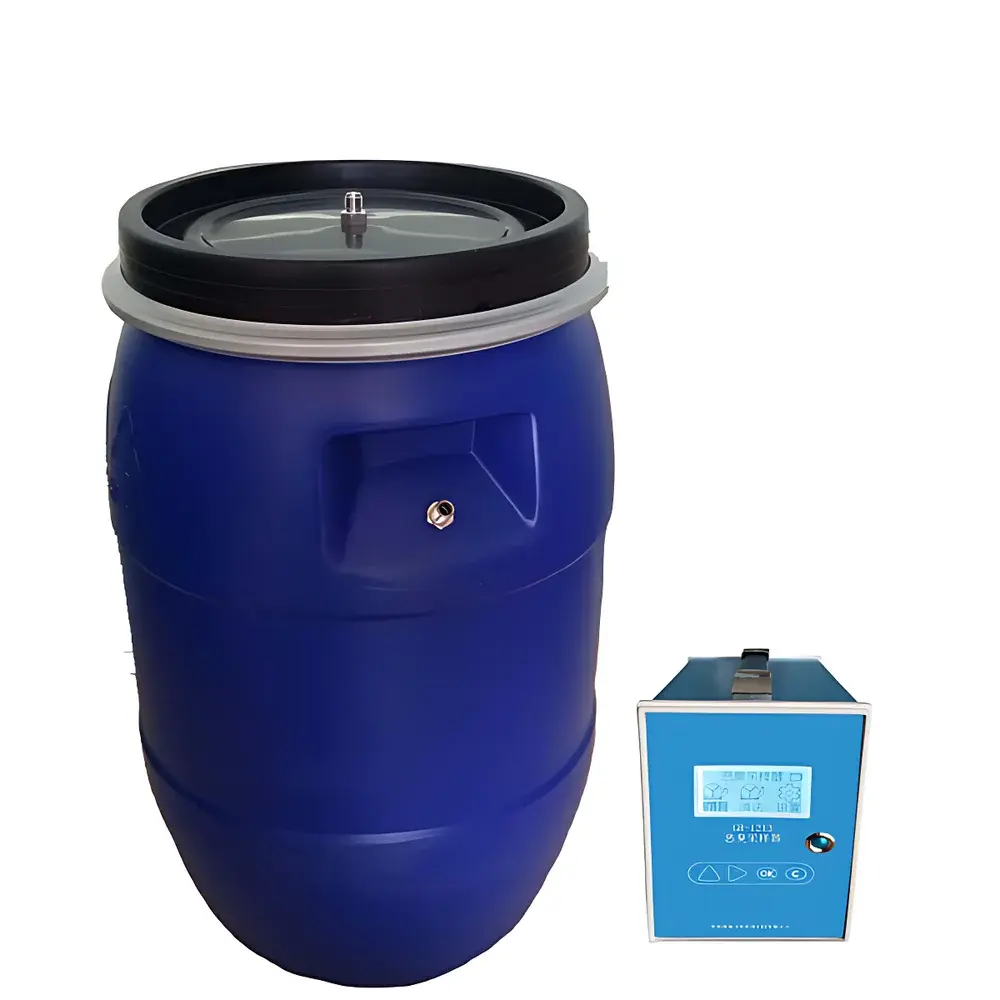
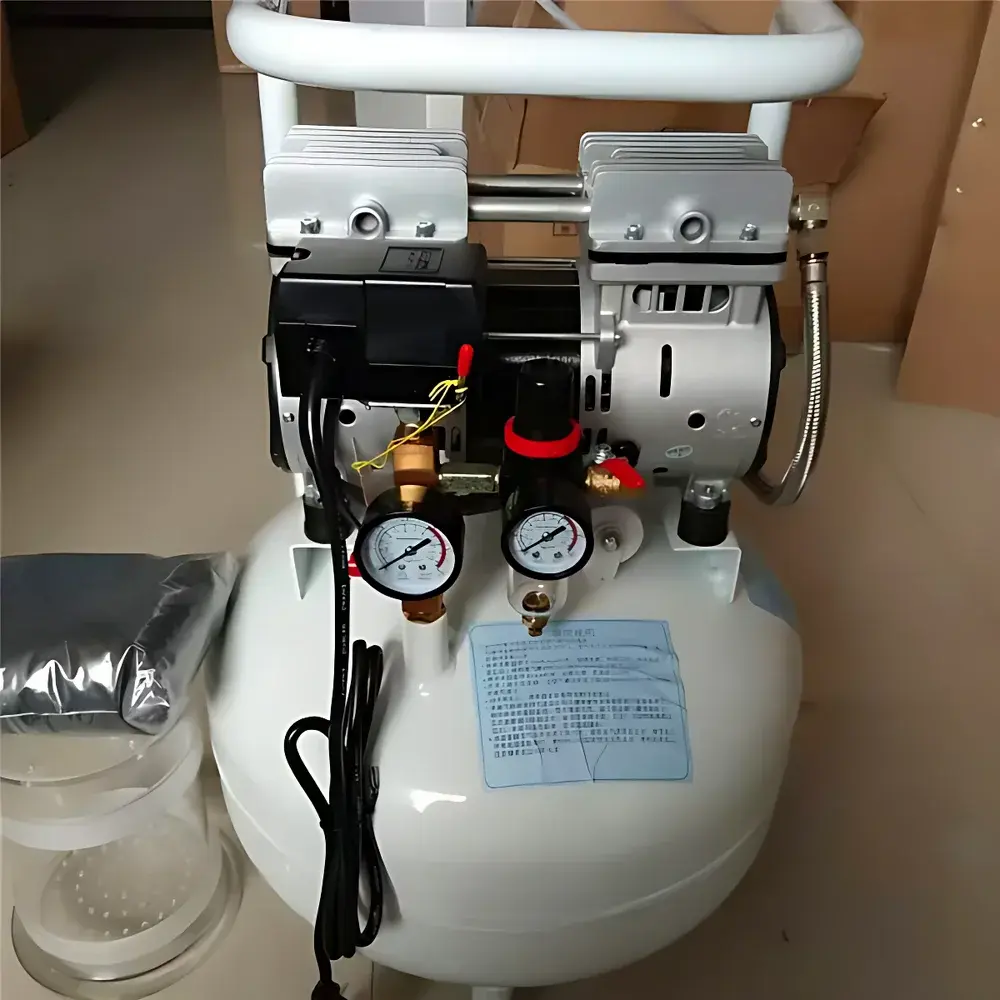
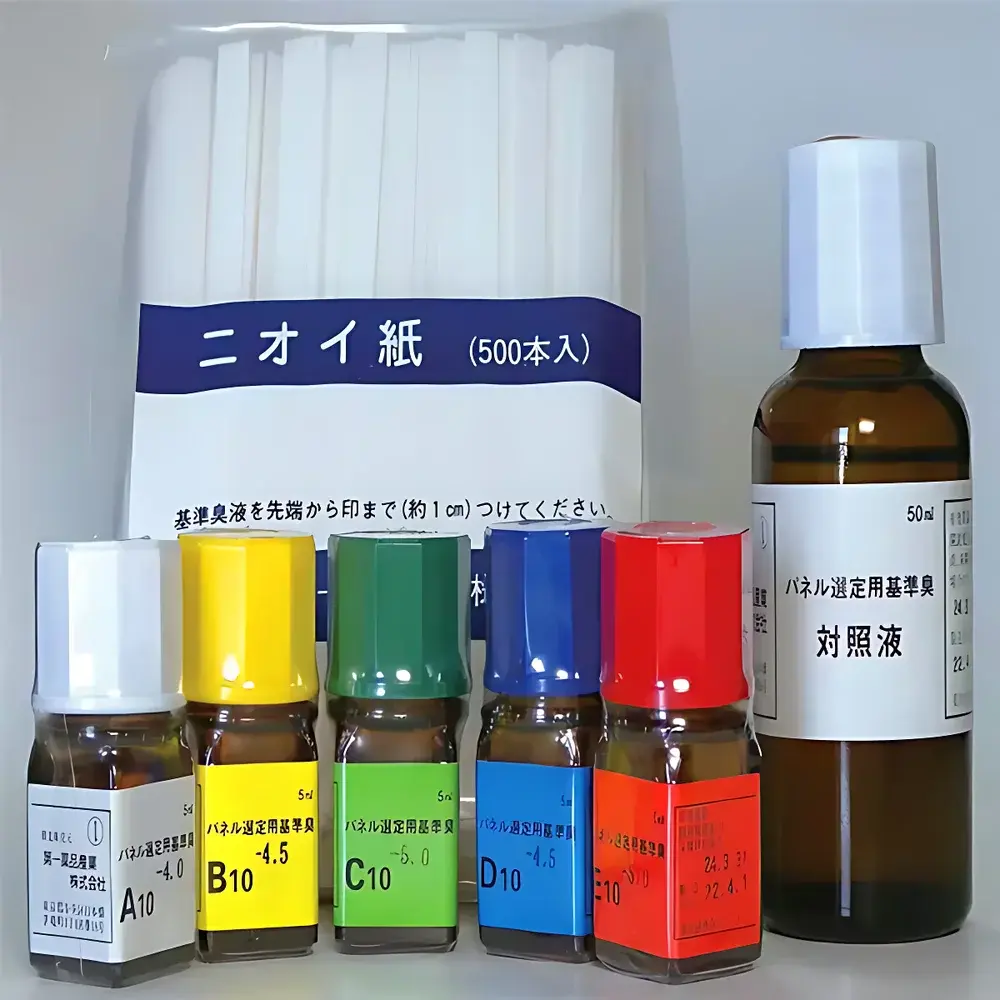
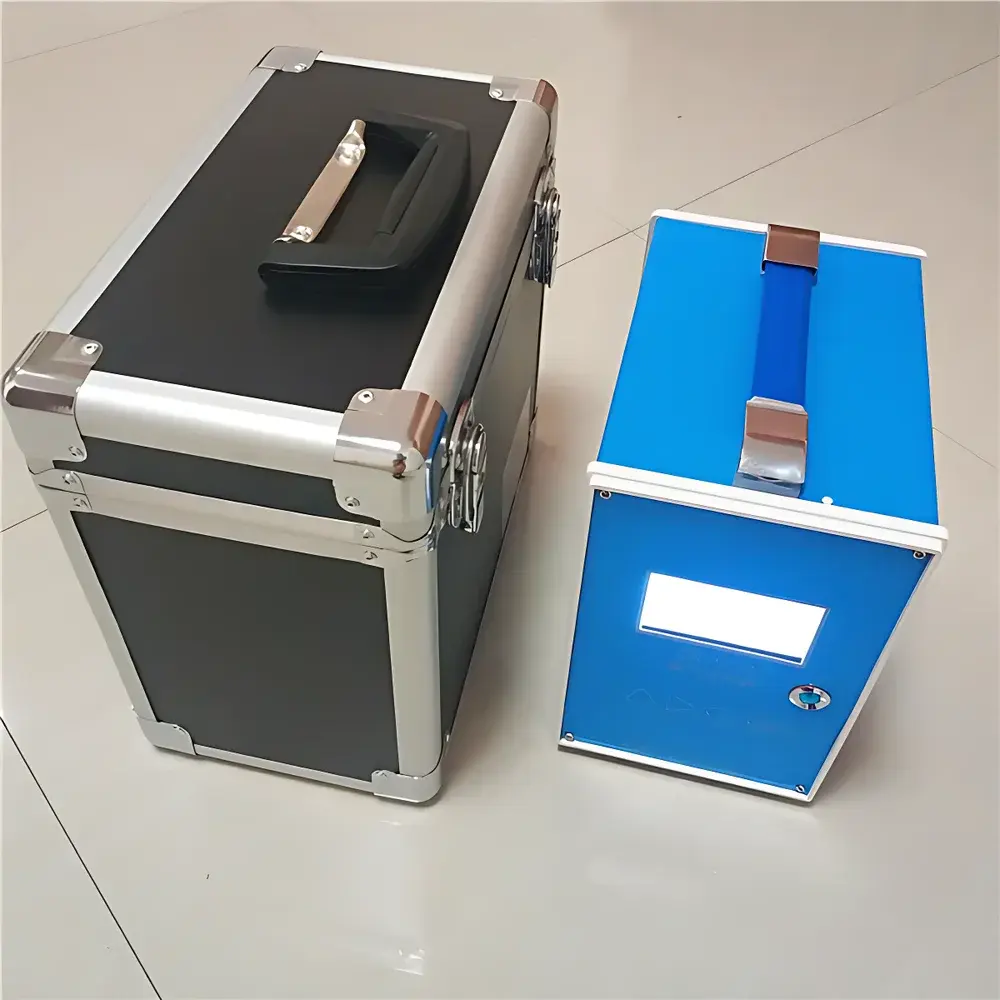
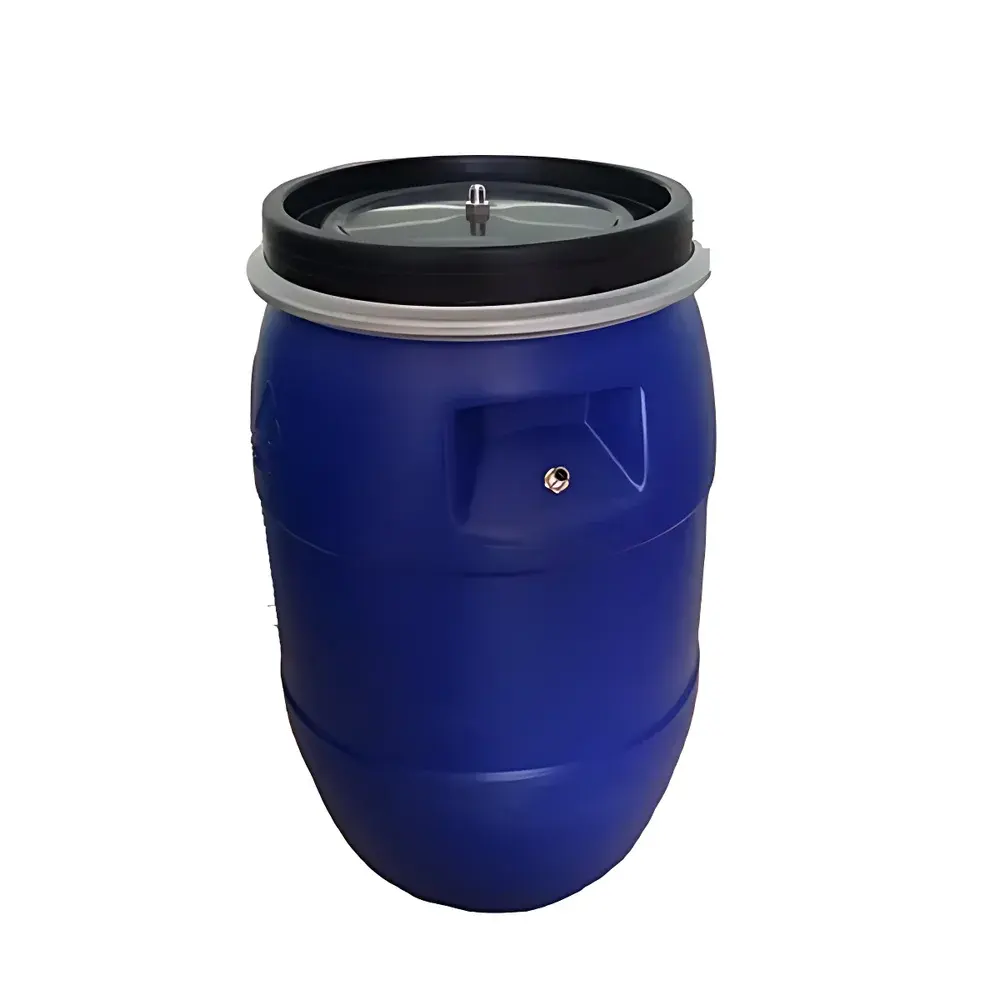
Guo Ruili Heng GR-1213 Portable Odor Sampling Unit for Triangle Odor Bag Method
| Brand | Guo Ruili Heng |
|---|---|
| Origin | Shandong, China |
| Manufacturer Type | Direct Manufacturer |
| Origin Category | Domestic (China) |
| Model | GR-1213 |
| Instrument Type | Portable |
| Sampling Flow Rate (No-load) | 12 L/min |
| Maximum Negative Pressure | −80 kPa |
| Operating Temperature Range | −20 to +55 °C |
| Operating Humidity Range | 0–95 %RH |
| Battery | 24 V / 2600 mAh |
| Continuous Operation Time | >4 h |
| Dimensions (H×W×L) | 210 × 140 × 260 mm |
| Weight | ~4 kg |
| Power Consumption | <15 W |
Overview
The Guo Ruili Heng GR-1213 Portable Odor Sampling Unit is a purpose-built instrument engineered for compliance with standardized triangular odor bag methodology—specifically designed to support field sampling in accordance with GB/T 14675–1993, HJ 905–2017, HJ 1262–2022, and GB 14554–93. It operates on the principle of passive negative-pressure aspiration: an integrated diaphragm pump generates controlled vacuum within a sealed sampling chamber, inducing ambient air to flow into pre-evacuated Tedlar® or fluorinated ethylene propylene (FEP) odor bags via pressure differential. This method ensures representative, contamination-free capture of low-concentration volatile organic compounds (VOCs), sulfur-containing species (e.g., H₂S, mercaptans), nitrogenous amines, and other odor-active compounds commonly associated with wastewater treatment plants, composting facilities, livestock operations, and industrial emission sources. Unlike active grab samplers or thermal desorption systems, the GR-1213 preserves sample integrity by eliminating mechanical turbulence, adsorption losses, and catalytic surface interactions—critical for subsequent olfactometric analysis by human panelists under ISO 13732-1 and EN 13725 protocols.
Key Features
- Stable 12 L/min no-load sampling flow rate with −80 kPa maximum vacuum capability—enabling reliable operation under high-resistance conditions (e.g., long sampling lines, particulate-laden air).
- Integrated 24 V / 2600 mAh lithium battery providing ≥4 hours of continuous operation; supports hot-swappable battery packs for extended field deployments.
- Wide-temperature LCD interface (−20 to +55 °C operational range) with intuitive menu navigation and real-time feedback on flow status, elapsed time, and battery level.
- Programmable timer-based sampling: users define start delay, duration, and cycle count; automated pump activation/deactivation eliminates manual intervention during multi-point surveys.
- Dual-mode operation: dedicated “Sampling” and “Purge/Cleaning” functions executed via firmware-controlled solenoid valve sequencing—no manual tubing reconfiguration required.
- Chemically inert PTFE-lined internal gas pathways and sampling manifolds ensure zero carryover, minimal adsorption, and compatibility with acidic, alkaline, and oxidizing odorants.
Sample Compatibility & Compliance
The GR-1213 is validated for use with standard 10 L and 5 L odor sampling bags compliant with ASTM D5403 and ISO 16000-6 specifications. Its flow dynamics and pressure control architecture align with the precision requirements of triangular forced-choice olfactometry, where inter-panelist variability must be minimized through consistent bag-filling kinetics. The unit meets all functional criteria outlined in HJ 1262–2022 for environmental air and stack gas sampling prior to dynamic dilution olfactometry (DDO). All firmware logic, timestamped event logging, and parameter settings are auditable per GLP principles; optional USB data export enables traceability for regulatory submissions under China’s Ministry of Ecology and Environment (MEE) reporting frameworks.
Software & Data Management
The embedded microcontroller records each sampling event with UTC timestamp, total runtime, achieved flow stability window, and battery voltage at initiation/completion. Data are stored in non-volatile memory and retrievable via USB-C interface in CSV format—structured for direct import into laboratory information management systems (LIMS) or custom QA/QC dashboards. No proprietary software installation is required; exported logs include metadata fields aligned with ISO/IEC 17025 documentation standards. Firmware updates are delivered via signed binary packages to maintain integrity and prevent unauthorized modification—supporting long-term compliance with evolving MEE technical guidance documents.
Applications
- Regulatory monitoring of fugitive emissions from municipal wastewater treatment plants (WWTPs), anaerobic digesters, and sludge dewatering facilities.
- Odor impact assessment around landfills, composting sites, and rendering operations under ambient and stack conditions.
- Pre-compliance screening for industrial clients subject to GB 14554–93 emission limits—particularly in petrochemical, pharmaceutical, and food processing sectors.
- Research-grade odorant profiling in conjunction with GC-MS or PTR-TOF-MS analytical workflows, where quantitative bag sampling precedes instrumental speciation.
- Training and certification of olfactometry panelists under national accreditation schemes requiring documented, repeatable sample generation.
FAQ
Does the GR-1213 comply with international olfactometry standards such as EN 13725?
Yes—the sampling methodology, flow consistency, and bag-filling protocol are fully compatible with EN 13725 Annex A requirements for field sample collection prior to laboratory olfactometric analysis.
Can the unit be used for stack sampling at elevated temperatures?
It is rated for ambient sampling only; for hot/wet stack applications, integration with a cooled condensate trap and heated sample line (not included) is required per HJ 1262–2022 Section 6.3.
Is audit trail functionality available for regulatory inspections?
All sampling events are logged with immutable timestamps and system parameters; exported CSV files contain full operational history suitable for MEE or third-party audit review.
What bag materials are recommended for optimal recovery of polar odorants?
FEP-coated Tedlar® bags are strongly recommended for aldehydes, short-chain acids, and ammonia; untreated polyethylene bags are not advised due to significant sorption losses.
How often does the pump require maintenance or calibration?
The brushless diaphragm pump is rated for >10,000 hours MTBF; annual verification of flow accuracy using a NIST-traceable dry calibrator is recommended per GB/T 14675–1993 Clause 5.2.







