
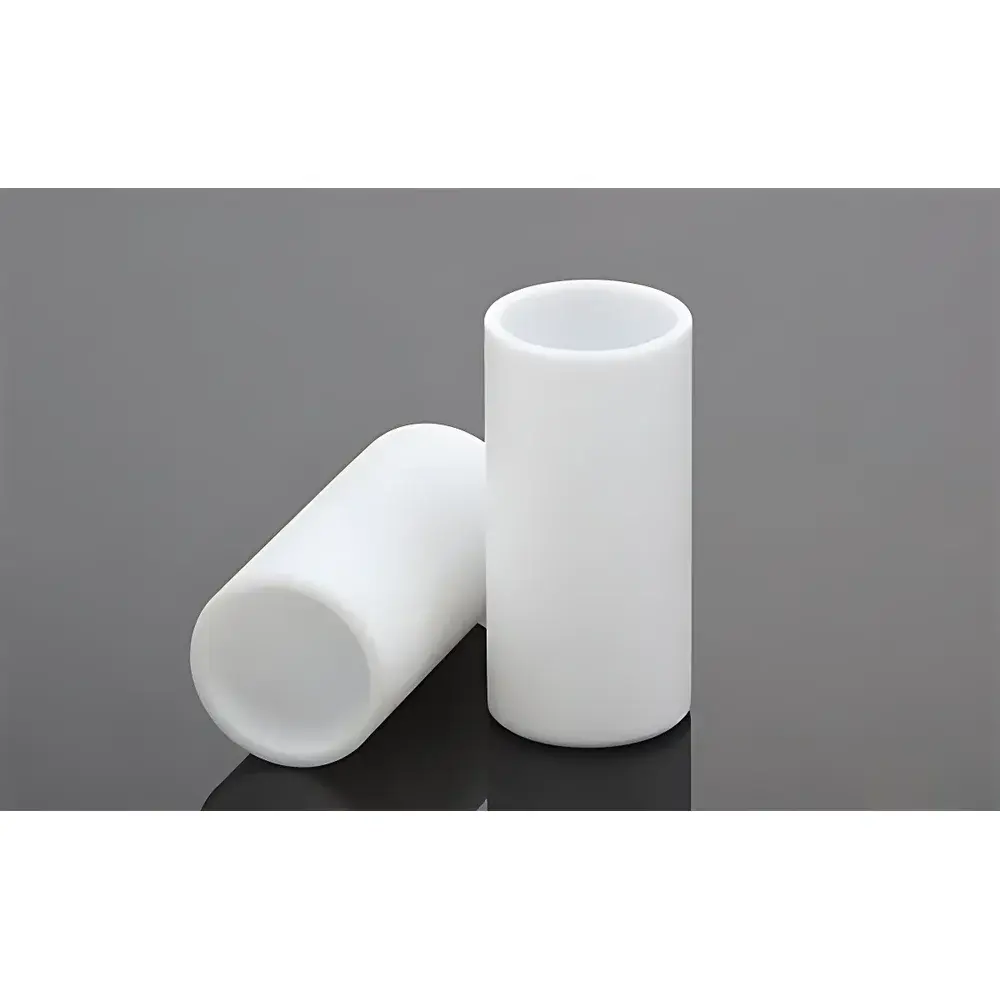
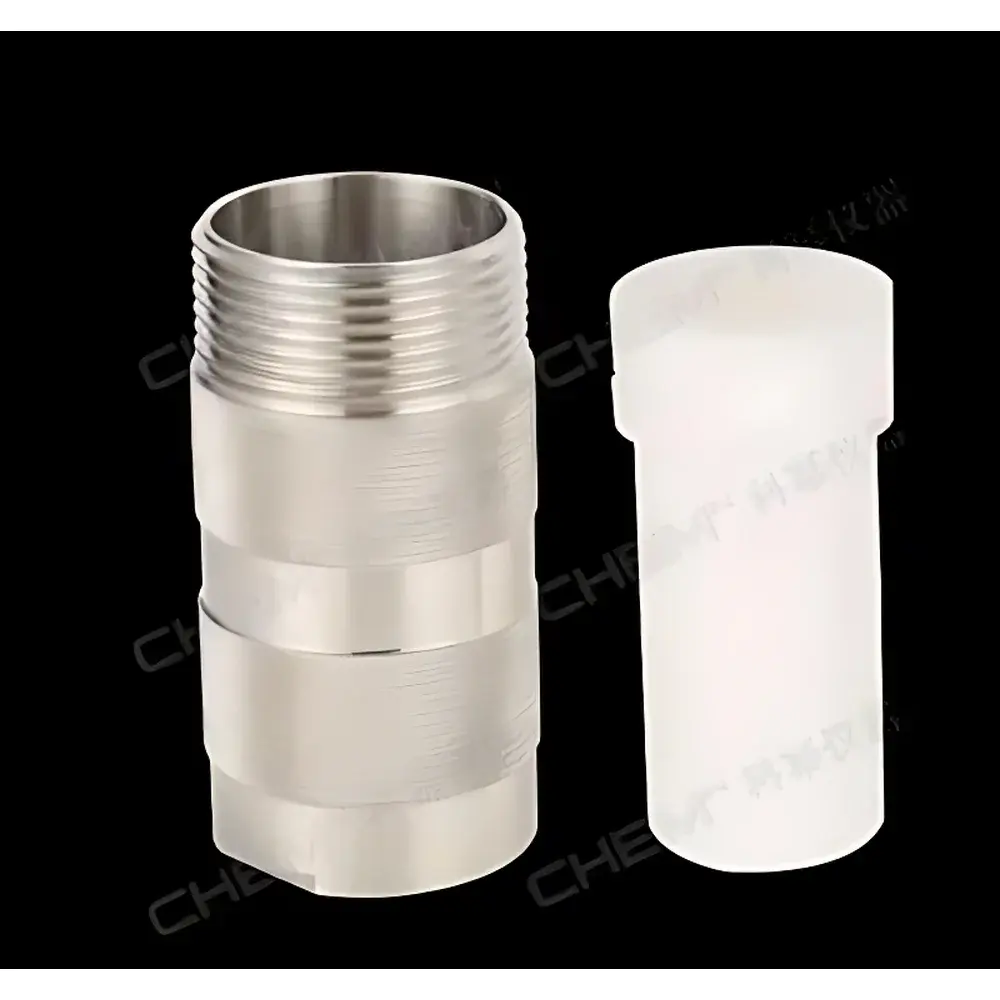
Chemn HTG/HTS Series PTFE-Lined Hydrothermal Autoclaves
| Brand | Chemn |
|---|---|
| Origin | Anhui, China |
| Manufacturer Type | Authorized Distributor |
| Origin Category | Domestic (China) |
| Model | HTG / HTS |
| Volume Options | 10, 25, 50, 100, 150, 200, 300, 500, 1000 mL |
| Max Operating Temperature | 220 °C (domestic PTFE) / 260 °C (imported PTFE) |
| Max Working Pressure | 3 MPa |
| Vacuum Rating | 30 bar |
| Heating Compatibility | Oven, Oil Bath, Electric Heater |
| Liner Material | High-Purity Polytetrafluoroethylene (PTFE) |
| Vessel Body Material | Stainless Steel (AISI 304 or 316 optional) |
| Pressure Class | Low-Pressure Reactor (ASME B16.5 compliant for flanged variants) |
Overview
The Chemn HTG and HTS Series PTFE-Lined Hydrothermal Autoclaves are precision-engineered batch reactors designed for controlled high-temperature, high-pressure synthesis under inert or reactive atmospheres. These vessels operate on the principle of sealed hydrothermal reaction—where aqueous or solvent-based precursors undergo crystallization, phase transformation, or nanomaterial synthesis within a chemically inert PTFE cavity enclosed by a mechanically robust stainless steel pressure shell. The PTFE liner ensures exceptional resistance to strong acids (e.g., HF, HNO₃, HCl), alkalis, and oxidizing agents up to 260 °C, while the outer jacket provides structural containment at pressures up to 3 MPa (435 psi). Unlike glass-lined or quartz reactors, this dual-material architecture balances chemical inertness with mechanical safety—making it suitable for solvothermal synthesis of MOFs, perovskites, metal oxides, quantum dots, and layered 2D materials in academic labs, R&D centers, and pilot-scale process development.
Key Features
- Chemically inert, ultra-pure PTFE liners certified to ASTM D4894 and ISO 1043-1; available in two thermal grades—standard (220 °C continuous) and high-performance imported (260 °C continuous)
- Stainless steel body (AISI 304 standard; AISI 316 optional) with precision-machined sealing surfaces and torque-calibrated threaded closure system
- Multiple standardized volume configurations: 10 mL to 1000 mL, each with traceable serial numbering and individual pressure–temperature validation documentation
- Integrated pressure relief mechanism compliant with PED 2014/68/EU Annex I essential safety requirements for Category I pressure equipment
- Compatible with standard laboratory heating platforms—including programmable ovens (ASTM E145), silicone oil baths (ASTM D2878), and PID-controlled electric mantle heaters
- Optional accessories include magnetic stir bars (PTFE-coated), thermocouple ports (with Swagelok® compression fittings), and gas inlet/outlet valves for inert purging (N₂, Ar) or reactive gas introduction (H₂, NH₃)
Sample Compatibility & Compliance
These autoclaves accommodate heterogeneous slurries, viscous gels, solid–liquid suspensions, and low-volatility organic solvents without liner degradation or metal leaching. The PTFE liner eliminates catalytic interference from reactor walls—critical for reproducible nucleation kinetics in nanoparticle synthesis. All units comply with ISO/IEC 17025:2017 requirements for calibration traceability and are supplied with factory-assembled pressure test certificates (hydrostatic test at 1.5× MAWP). For GLP/GMP environments, optional third-party certification (TÜV or SGS) is available upon request. The design meets key portions of USP (Containers—Glass), ISO 15190:2020 (Laboratory safety), and ASTM E2913-21 (Standard Guide for Selection of Sealed Vessels for Hydrothermal Synthesis).
Software & Data Management
While the HTG/HTS series is manually operated, it integrates seamlessly into digital lab workflows via companion logbook templates (Excel and LabArchives-compatible .csv formats) supporting audit-ready recordkeeping. Each vessel includes a QR-coded label linking to its unique calibration history, material certifications (including RoHS and REACH declarations for PTFE and SS components), and validated operating envelopes. For automated temperature–pressure profiling, the reactors interface with external data acquisition systems (e.g., Omega iSeries, NI DAQmx) using industry-standard 4–20 mA or PT100 inputs—enabling synchronized logging per FDA 21 CFR Part 11 requirements when paired with compliant ELN platforms.
Applications
- Solvothermal and hydrothermal synthesis of metal–organic frameworks (MOFs), zeolites, and covalent organic frameworks (COFs)
- Growth of single-crystal inorganic compounds (e.g., LiCoO₂, BiFeO₃, CsPbBr₃) for battery and optoelectronic research
- Green chemistry applications: catalytic oxidation, esterification, and biomass depolymerization under subcritical water conditions
- Geochemical simulation studies involving mineral dissolution–precipitation equilibria at elevated T/P
- Preparation of PTFE-stabilized colloidal dispersions and surface-functionalized nanoparticles where metallic contamination must be avoided
- Accelerated aging tests of polymers and composites under controlled humidity and thermal stress
FAQ
What is the maximum recommended fill ratio for safe operation?
For optimal thermal uniformity and pressure safety, the internal volume should not exceed 70% of the nominal liner capacity—especially when using volatile solvents or exothermic reactions.
Can these autoclaves be used under vacuum prior to pressurization?
Yes—the 30 bar vacuum rating allows full degassing of the reaction mixture before sealing; however, vacuum cycling must be performed at ambient temperature to avoid PTFE cold flow deformation.
Is cleaning and maintenance documented per ISO 15189 requirements?
Each unit ships with a validated cleaning protocol (using ultrasonic acetone/IPA rinse followed by 120 °C bake-out) and a maintenance log template aligned with ISO 15189:2022 Section 5.3.2.
Are replacement PTFE liners available separately with full traceability?
Yes—Chemn supplies certified replacement liners with lot-specific CoA (Certificate of Analysis), including FTIR verification of polymer integrity and dimensional inspection reports.
Do you provide application support for reaction optimization?
Chemn’s technical team offers free pre-purchase consultation on solvent selection, heating ramp profiles, and pressure–temperature mapping—based on published hydrothermal phase diagrams and in-house synthesis databases.



