
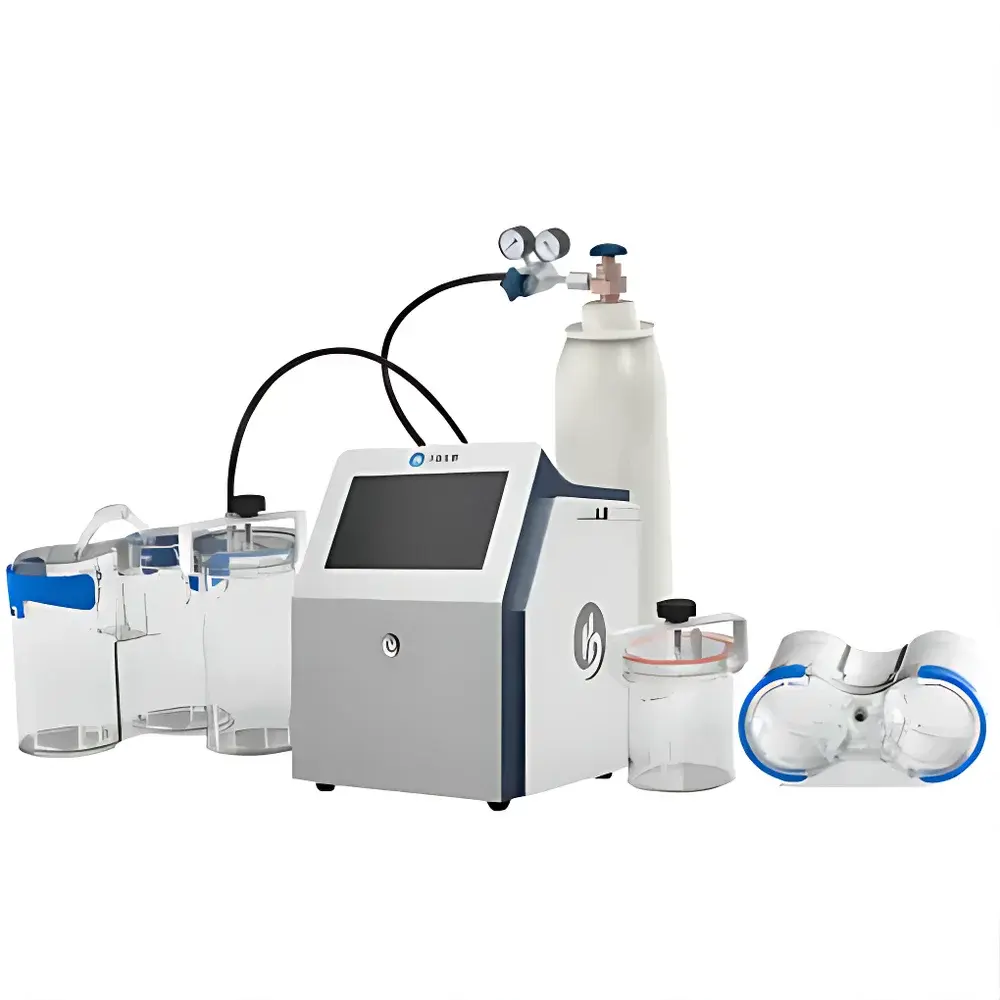
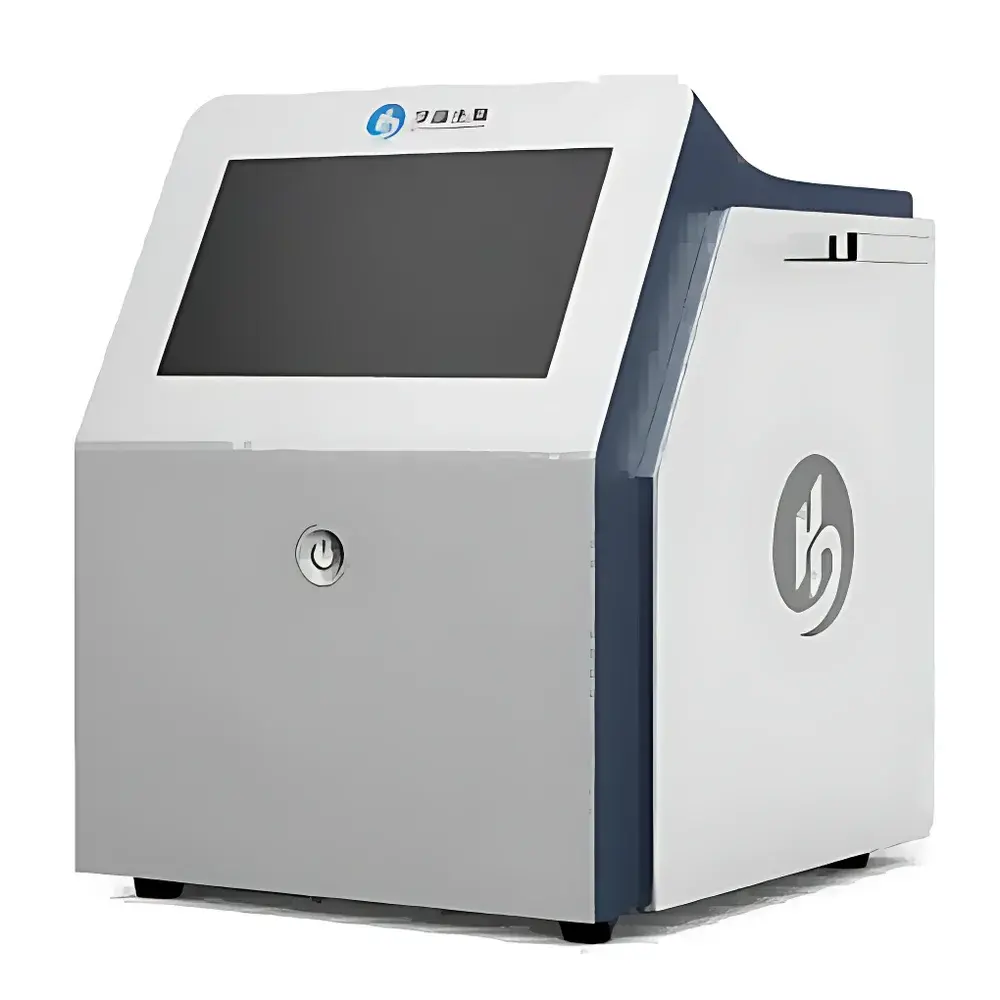
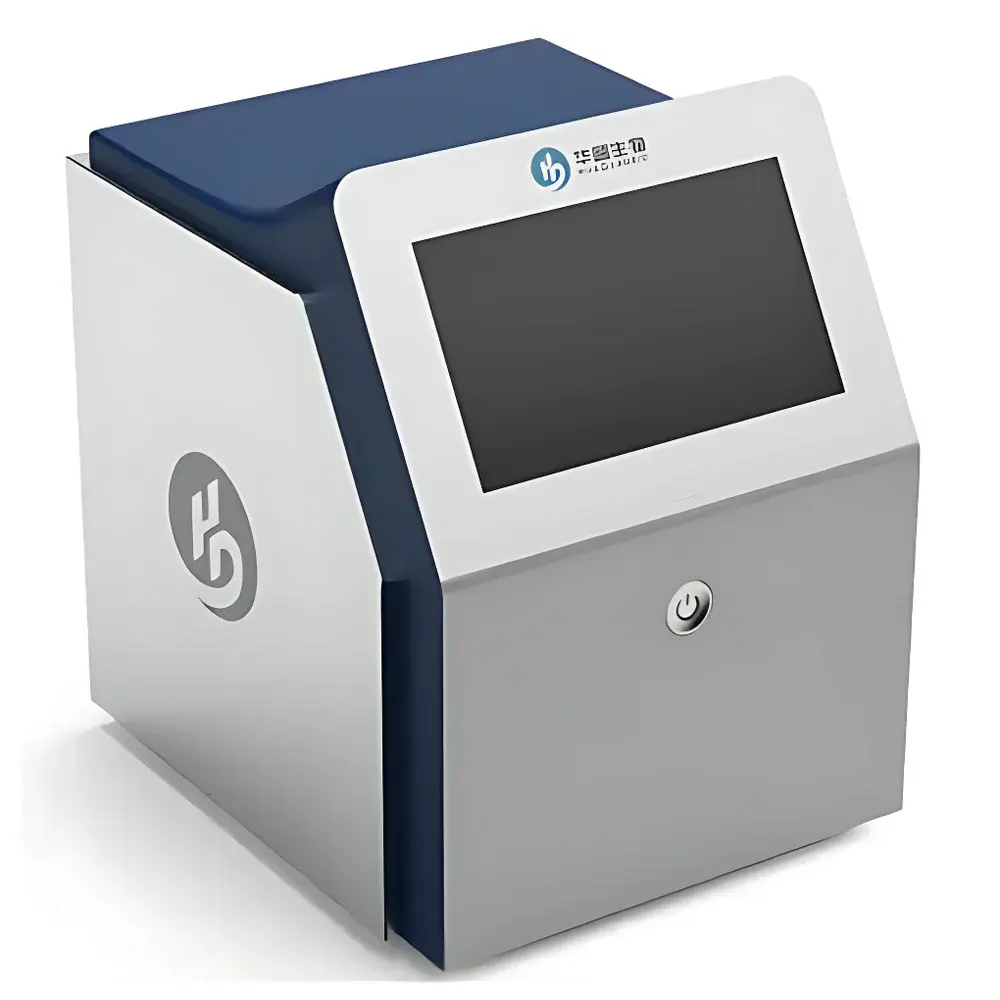
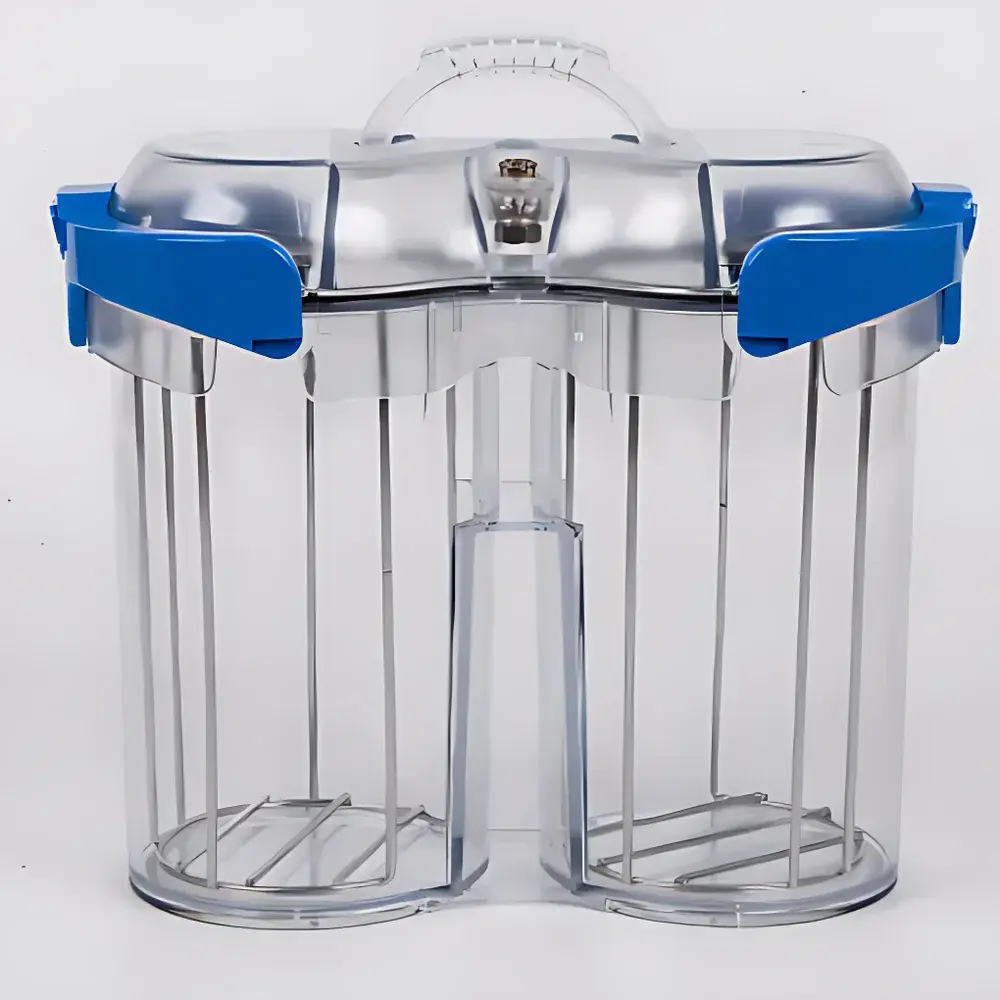
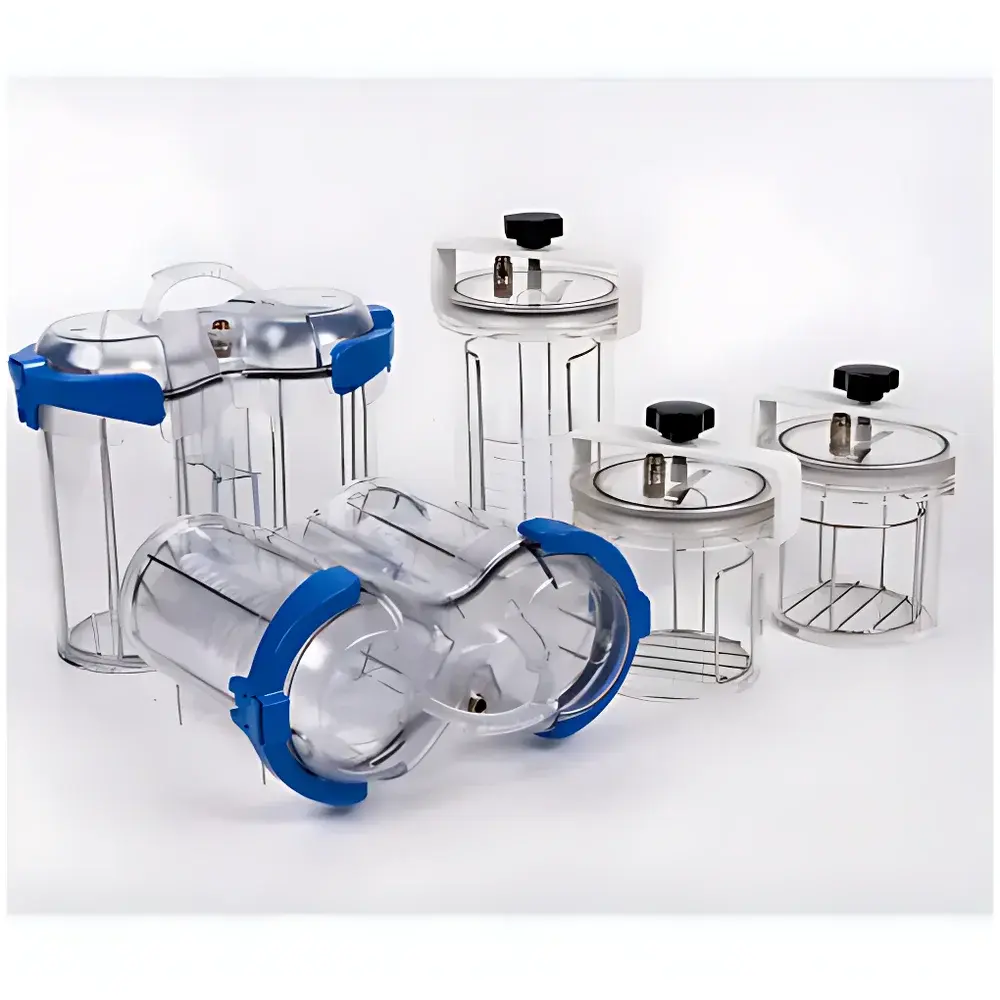
HuaDuanBio HD-AN400 Intelligent Anaerobic & Microaerophilic Culture System
| Brand | HuaDuanBio |
|---|---|
| Origin | Zhejiang, China |
| Manufacturer Type | Direct Manufacturer |
| Product Category | Domestic |
| Model | HD-AN400 |
| Gas Environment | Microaerophilic (6% O₂) and Programmable O₂ (0.2–18%) |
| Operation Mode | Glove-Free Manual Access |
| Gas Supply | Standard Premixed Gases (e.g., 5% CO₂ / 10% H₂ / 85% N₂ or custom blends) |
| Chamber Capacity | Multi-Size Anaerobic Jars (7+ Configurations Available) |
| Temperature Range | 0–40 °C |
Overview
The HuaDuanBio HD-AN400 Intelligent Anaerobic & Microaerophilic Culture System is an engineered platform for precise, reproducible generation and maintenance of controlled low-oxygen atmospheres—specifically anaerobic (0% O₂), microaerophilic (e.g., 6% O₂), and tunable hypoxic environments (0.2–18% O₂). Unlike passive gas-generating sachet systems or static glove boxes, the HD-AN400 employs a dynamic vacuum displacement principle: it evacuates ambient air from sealed culture jars and refills them with pre-mixed gases under regulated pressure differentials. This active gas exchange architecture ensures rapid equilibration (<10 minutes per jar), high inter-batch consistency, and traceable environmental control—critical for regulatory-compliant microbiological testing in food safety, clinical diagnostics, and probiotic research.
Key Features
- Vacuum-Displacement Gas Control: Real-time pressure monitoring and closed-loop gas injection enable accurate O₂ concentration targeting with 0.2% resolution across 0–18% range.
- Multi-Jar Parallel Operation: Three independent gas channels support simultaneous conditioning of up to three culture jars—eliminating sequential waiting and improving throughput in high-volume labs.
- Glove-Free Ergonomic Access: Sealed chamber design with rapid-lock lid mechanism allows direct manual handling without gloves or airlocks—reducing contamination risk and operator fatigue.
- Integrated Catalyst Management: Reusable palladium-based catalysts accelerate O₂ scavenging to achieve true 0% O₂; built-in 5-level catalyst activity assessment ensures consistent performance and supports preventive maintenance scheduling.
- Dual Gas Source Compatibility: Simultaneous connection to two gas cylinders enables flexible blending of O₂, CO₂, and N₂—supporting diverse protocols such as Campylobacter jejuni microaerophilic growth (5–10% O₂, 3–10% CO₂) or Bifidobacterium strict anaerobiosis (0% O₂, 10% CO₂).
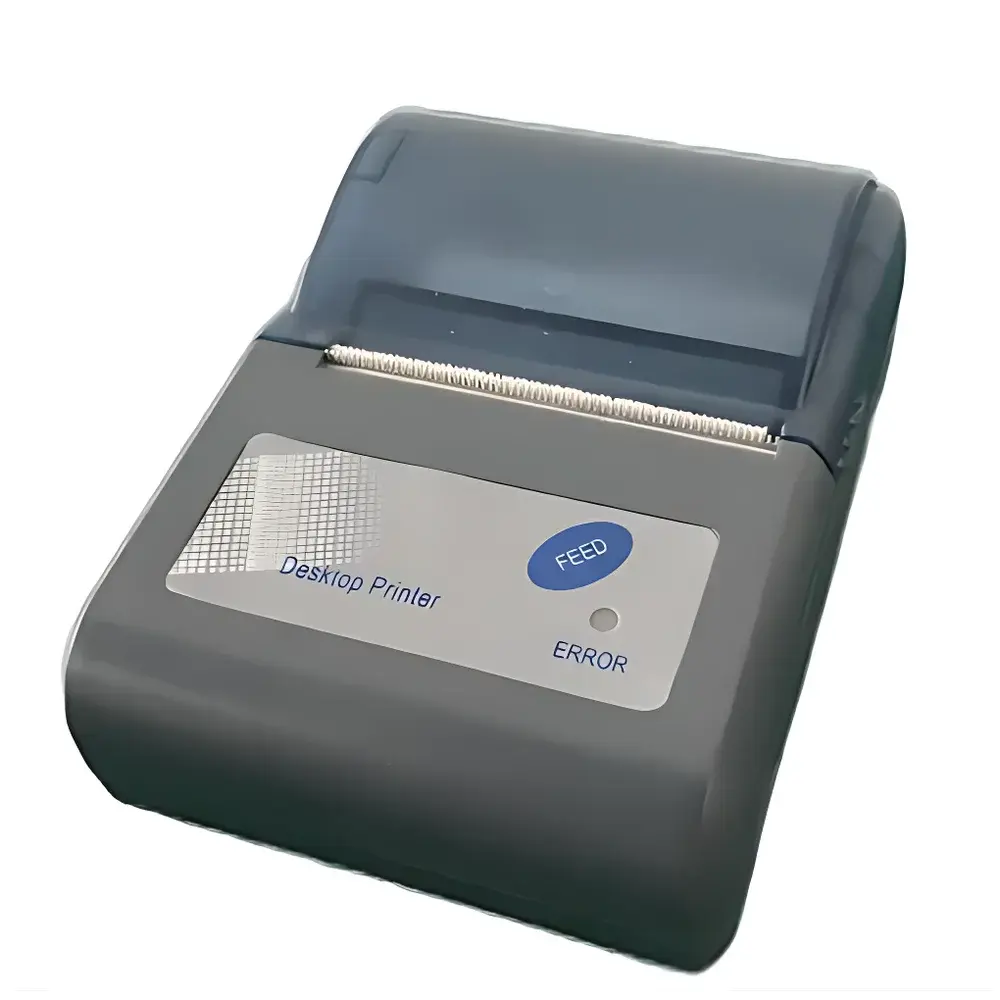
- Onboard Environmental Monitoring: Wireless O₂ sensor (miniaturized, jar-compatible) continuously logs O₂%, temperature, and relative humidity; data exportable via USB or embedded print module.
- Automated System Diagnostics: Pre-cycle self-test verifies gas line integrity, jar seal quality, catalyst status, and pressure regulation—documented per cycle for GLP audit trails.
Sample Compatibility & Compliance
The HD-AN400 accommodates seven standardized jar formats—including small (6 × 90-mm plates), medium (12 × 90-mm plates), dual-chamber (24 × 90-mm plates), Campylobacter-optimized (8 dual-well plates + 8 enrichment tubes), ID-specific (4 × microtiter plates), Shigella-dedicated (10 sample bags), and large-capacity (36 × 90-mm plates or 4 × 250-mL flasks). All jars feature optical-grade transparent polycarbonate for real-time colony observation without opening. The system meets functional requirements of ISO 11133:2014 (microbiological culture media preparation), ASTM E2607-22 (anaerobic culture method validation), and Chinese National Food Safety Standard GB 4789 series—including mandatory methods for Campylobacter jejuni, Streptococcus hemolyticus, Bifidobacterium, lactic acid bacteria, Shigella, and Clostridium perfringens.
Software & Data Management
The HD-AN400 runs on an embedded Linux-based HMI with a 7-inch capacitive color touchscreen. Interface elements use context-aware color coding (e.g., red for alarm states, green for stable O₂, blue for CO₂ adjustment) and display real-time local barometric pressure—essential for altitude-corrected gas dosing. All operational events—including jar initialization, gas injection cycles, diagnostic results, and sensor readings—are timestamped and stored internally (≥10,000 records). Data export supports CSV format for LIMS integration. Optional firmware updates allow expansion to additional jar configurations or multi-gas blending logic—without hardware modification. Audit trail functionality complies with FDA 21 CFR Part 11 requirements for electronic records when paired with user access controls.
Applications
- FDA/USDA-regulated food pathogen isolation: Campylobacter, Shigella, Clostridium perfringens, and Lactobacillus spp. per GB 4789 and ISO 10272.
- Clinical microbiology workflows requiring strict anaerobiosis (e.g., Bacteroides, Fusobacterium) or microaerophilic conditions (e.g., Helicobacter pylori, Actinobacillus actinomycetemcomitans).
- Probiotic strain development and stability testing under defined O₂ gradients.
- Environmental microbiology studies involving facultative anaerobes in sediment or biofilm models.
- Research on oxygen-sensitive cell lines or primary cultures where hypoxia modulates metabolic phenotype.
FAQ
Does the HD-AN400 require external hydrogen gas for anaerobic operation?
No. It uses a reusable palladium catalyst with standard N₂/CO₂ premixes; H₂ is not required or supported.
Can the system validate gas concentration accuracy per run?
Yes. Each cycle performs five-point integrity verification (gas pressure, line seal, jar seal, lid seal, catalyst activity) and logs results.
Is wireless O₂ monitoring compatible with all jar sizes?
Yes—the sensor module (12 mm diameter × 5 mm height) fits inside all seven jar configurations without obstructing plate placement.
What is the typical gas consumption per 12-plate cycle?
Microaerophilic conditioning consumes ≤2 L gas; full anaerobic conditioning consumes ≤7 L—measured at standard temperature and pressure (STP).
How does the system handle altitude variations?
It auto-detects local atmospheric pressure at startup and adjusts vacuum depth and gas injection volume accordingly—ensuring consistent partial pressure delivery across elevations.




