
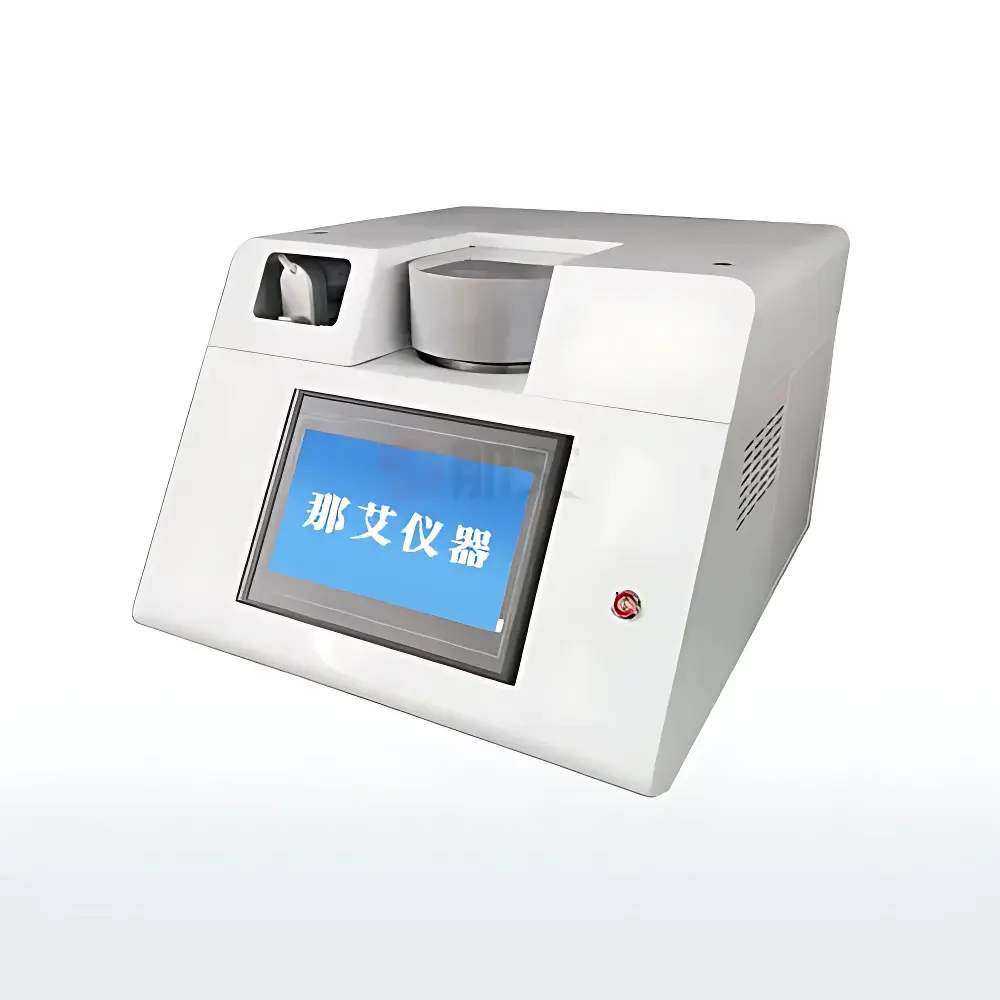
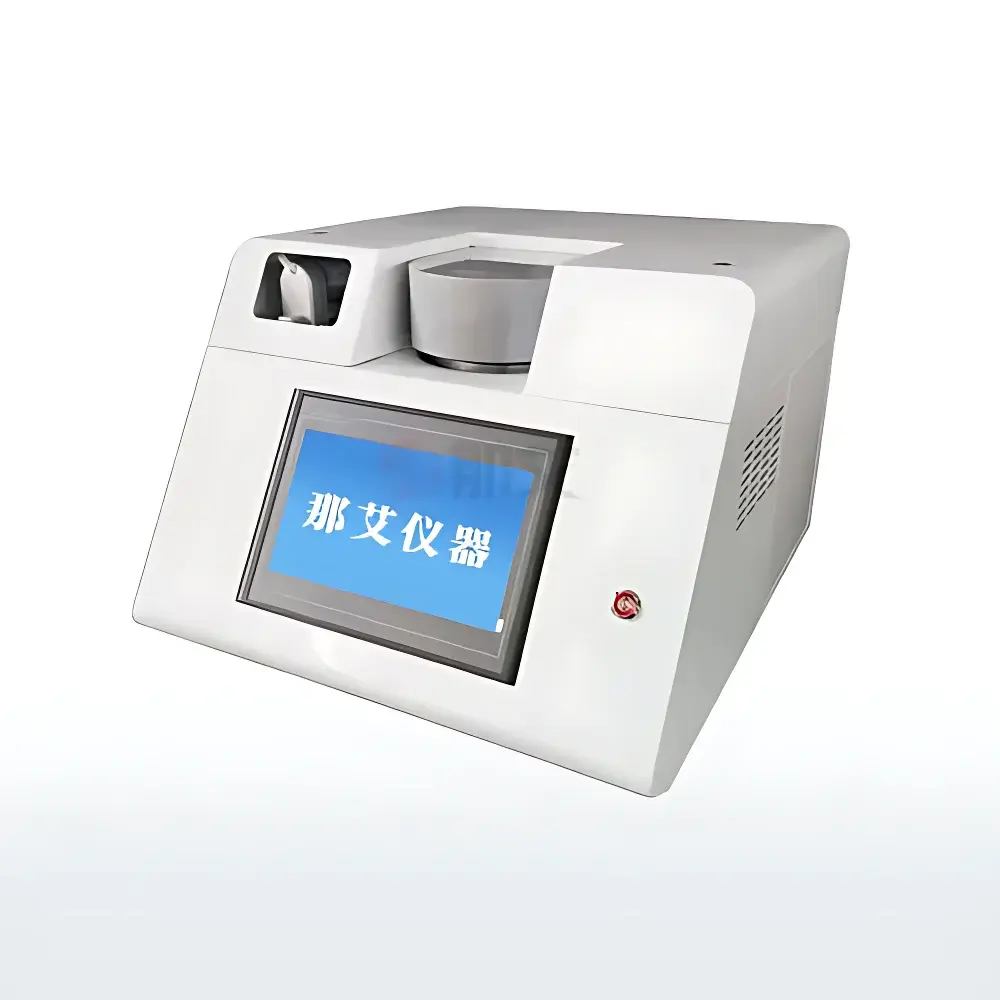
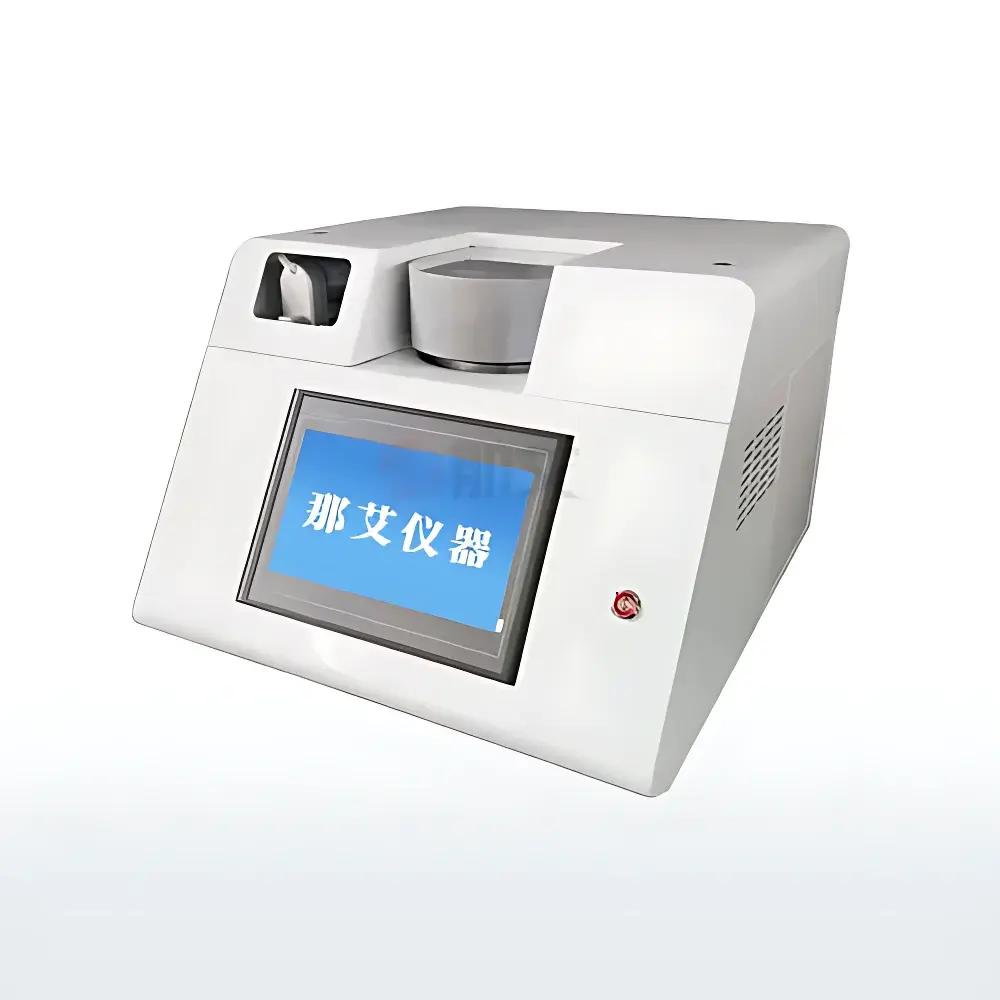
NAI NAAI-DMH Ring-Focused Single-Mode Microwave Synthesizer with Electromagnetic Shielding Unidirectional Circulating Crystal and High-Capacity Turbulent Air-Cooling System
| Brand | NAI Instruments |
|---|---|
| Origin | Shanghai, China |
| Manufacturer Type | Authorized Distributor |
| Product Category | Domestic |
| Model | NAAI-DMH |
| Pricing | Available Upon Request |
Overview
The NAI NAAI-DMH Ring-Focused Single-Mode Microwave Synthesizer is an advanced benchtop platform engineered for precision-controlled, high-efficiency chemical synthesis under both ambient reflux and sealed high-pressure conditions. Unlike multimode cavity systems, it employs a true single-mode microwave architecture—where electromagnetic energy is spatially confined within a precisely dimensioned resonant structure—to deliver exceptional field homogeneity, reproducible power coupling, and deterministic energy deposition into the reaction volume. The core innovation lies in its 11-channel ring-shaped monomodal cavity (300 mL effective volume), which leverages waveguide-based mode confinement and dynamic auto-tuning to maintain resonance stability across variable load conditions and temperature gradients. This enables sub-second response to real-time thermal and pressure feedback, supporting kinetic studies, catalyst screening, and scalable route development in pharmaceutical, materials, and fine chemical research laboratories.
Key Features
- Linux-based open-control architecture with 256 GB internal SSD storage and 10-inch capacitive touchscreen interface—supports remote operation via Ethernet/Wi-Fi and integrates with lab network management protocols.
- Structural integrity ensured by carbon-fiber-reinforced polymer housing with corrosion-resistant coating; microwave cavity constructed from ASTM A240 Grade 316 stainless steel with multi-layer high-temperature PTFE lining (rated to 350 °C).
- Ring-focused single-mode resonance with automatic cavity tuning (±0.818 W resolution) and integrated reaction vessel recognition—enables one-touch method execution with preloaded application protocols.
- Real-time dual-parameter monitoring: infrared-based volumetric temperature sensing (0–350 °C, ±0.1 °C accuracy) and piezoresistive pressure transduction (0–500 psi, ±1 psi resolution), with intelligent overpressure venting and microwave cutoff.
- Turbulent forced-air cooling system designed for concurrent reaction cooling and post-run rapid quenching—maintains thermal gradient control without condensation or thermal shock to vessels.
- Dual stirring configuration: built-in electromagnetic stirring (0–1200 rpm) plus optional mechanical stirring (0–600 rpm) with torque-sensing feedback for viscous or heterogeneous mixtures.
- Integrated 5 MP HD IP camera with adjustable focus and low-light capability—enables real-time visual verification of reflux behavior, phase separation, or precipitate formation.
- Electromagnetic shielding architecture incorporating unidirectional circulating crystal absorbers—validated for zero-load leakage <1 mW/cm² at 5 cm distance per UL 923 requirements.
- Safety interlock system with time-limited full-power enforcement: automatic shutdown if maximum dwell time at rated power exceeds user-defined threshold, preventing thermal runaway.
Sample Compatibility & Compliance
The NAAI-DMH accommodates a broad range of reaction vessels—including standard 10 mL, 35 mL, and 100 mL high-pressure quartz or reinforced PTFE-lined vessels—as well as 125 mL open-reflux configurations compatible with condensers, separatory funnels, and gas inlet adapters. All vessel interfaces comply with ISO 7208 mechanical sealing standards and are rated for continuous operation up to 350 °C and 500 psi. The system meets electromagnetic compatibility (EMC) requirements per CISPR 11 Class B and is CE-marked for laboratory use in EU member states. Data logging, audit trails, and user-access controls align with GLP/GMP documentation practices; optional SynerayPC software supports 21 CFR Part 11-compliant electronic signatures and version-controlled method archiving.
Software & Data Management
SynerayPC control software provides full bidirectional communication with the synthesizer, enabling method creation, parameter scripting (time/temperature/pressure/power ramps), real-time graphing, and export of timestamped CSV datasets. Built-in diagnostics monitor microwave source efficiency, cavity Q-factor decay, and cooling airflow velocity—generating predictive maintenance alerts. Historical run logs include metadata such as operator ID, vessel type, calibration status, and environmental sensor readings (ambient temperature/humidity). Export formats support LIMS integration (via ASTM E1384-compliant XML schema) and third-party kinetic modeling tools (e.g., MATLAB, OriginLab).
Applications
This synthesizer is routinely deployed in medicinal chemistry for rapid SAR library generation under accelerated reaction kinetics; in nanomaterials synthesis for controlled nucleation of metal oxides and perovskites; and in polymer chemistry for step-growth condensation reactions requiring precise thermal profiling. Its ability to switch seamlessly between open-vessel reflux and sealed high-pressure modes makes it suitable for hydrothermal synthesis, Suzuki–Miyaura cross-coupling, esterification, and solid-phase peptide coupling. Academic users leverage its open Linux platform for custom Python-based automation scripts interfacing with robotic liquid handlers or in-line FTIR probes.
FAQ
What is the difference between single-mode and multimode microwave synthesis?
Single-mode systems confine microwaves to a defined resonant mode (typically TE10), delivering focused, repeatable energy density ideal for small-volume, high-precision reactions. Multimode cavities distribute energy diffusely, limiting control over field distribution and reproducibility at scale.
Can the NAAI-DMH be integrated into automated synthesis workflows?
Yes—the Ethernet interface supports Modbus TCP and RESTful API endpoints for integration with PLCs, scheduling servers, or digital lab notebooks (e.g., LabArchives, Benchling). Optional I/O expansion modules enable trigger-based start/stop and external sensor input.
Is validation documentation available for GxP environments?
Factory-installed IQ/OQ protocols are provided; PQ templates aligned with USP <1058> analytical instrument qualification guidelines are included with SynerayPC software licensing.
What maintenance is required for long-term reliability?
Annual cavity alignment verification and microwave source output calibration are recommended. The carbon-fiber housing requires only periodic wipe-down with isopropanol; stainless-steel cavity surfaces are self-passivating and require no lubrication or coating renewal.
Does the system support inert atmosphere reactions?
Yes—standard 125 mL reflux vessels include Schlenk-line compatible ports; high-pressure vessels feature dual-seal valve assemblies rated for nitrogen or argon purging prior to pressurization.
Related Products



