
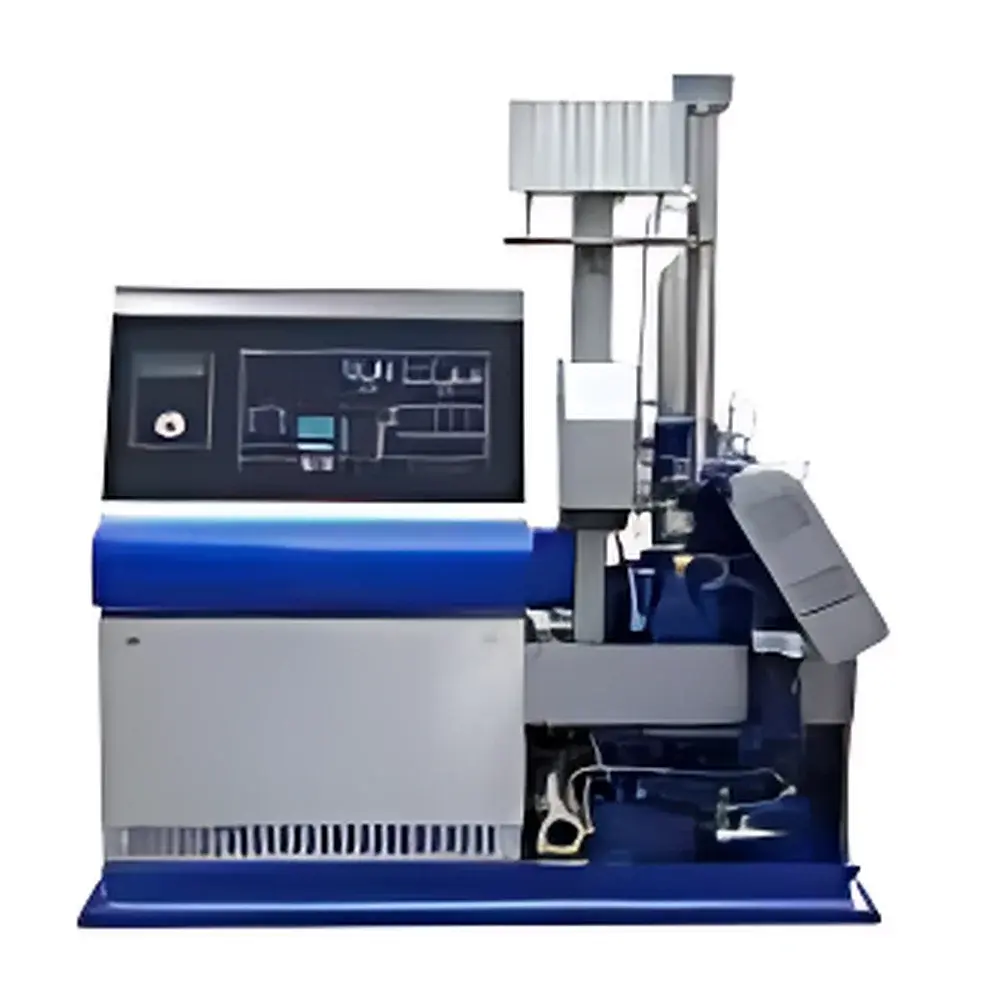
ShenKai CFR-A5 Auto Diesel Cetane Number Analyzer
| Brand | ShenKai |
|---|---|
| Origin | Shanghai, China |
| Model | CFR-A5 Auto |
| Application | Diesel Cetane Number Determination |
| Principle | Engine Method (Motor Method) |
| Configuration | Benchtop |
| Standards Compliance | GB/T 386–2010, ASTM D613–08 |
| Cylinder Bore | 82.55 mm |
| Stroke | 114.3 mm |
| Displacement | 0.61 L |
| Compression Ratio Range | 8:1 to 36:1 (motor-driven, computer-controlled) |
| Engine Speed | 900 ± 9 rpm |
| Injection Timing | 13° BTDC |
| Injector Opening Pressure | 10.30 ± 0.34 MPa |
| Fuel Flow Rate | 13.0 ± 0.2 mL/min |
| Injector Cooling Temperature | 38 ± 3 °C |
| Intake Air Temperature | 66 ± 0.5 °C |
| Jacket Coolant Temperature | 100 ± 2 °C |
| Lubricating Oil Pressure | 172–207 kPa |
| Lubricating Oil Temperature | 57 ± 8 °C |
| Base Compression Pressure | 3275 ± 138 kPa |
| Crankcase Vacuum | 0.25–1.5 kPa |
| Fuel Reservoir Elevation | 635 ± 25 mm above pump inlet centerline |
| Power Supply | 380 V, 50 Hz, Grounded |
| Total Installed Power | 19 kW (12 kW main unit + 7 kW auxiliary chiller) |
| Dimensions (W×D×H) | 1550 × 900 × 1720 mm |
| Weight | 1200 kg |
Overview
The ShenKai CFR-A5 Auto Diesel Cetane Number Analyzer is a fully automated, benchtop engine-based instrument engineered for precise and reproducible determination of diesel fuel cetane number in accordance with internationally recognized standard test methods—specifically ASTM D613–08 and GB/T 386–2010. Unlike optical or empirical correlation instruments, the CFR-A5 employs the fundamental motor method: a standardized single-cylinder, compression-ignition CFR engine that replicates the combustion behavior of real diesel engines under controlled thermodynamic conditions. The instrument’s core architecture follows the original CFR engine design philosophy—cast-iron cylinder block with integral water jacket, precombustion chamber geometry, and mechanically robust crankcase assembly featuring five-gear train with dual balance modules. Its defining capability lies in fully automated compression ratio adjustment (8:1 to 36:1), eliminating manual handwheel operation and associated operator-induced variability. Real-time laser displacement sensing ensures sub-degree angular resolution during combustion chamber volume modulation, while integrated torque monitoring of the variable compression piston enables predictive maintenance scheduling based on carbon deposit accumulation.
Key Features
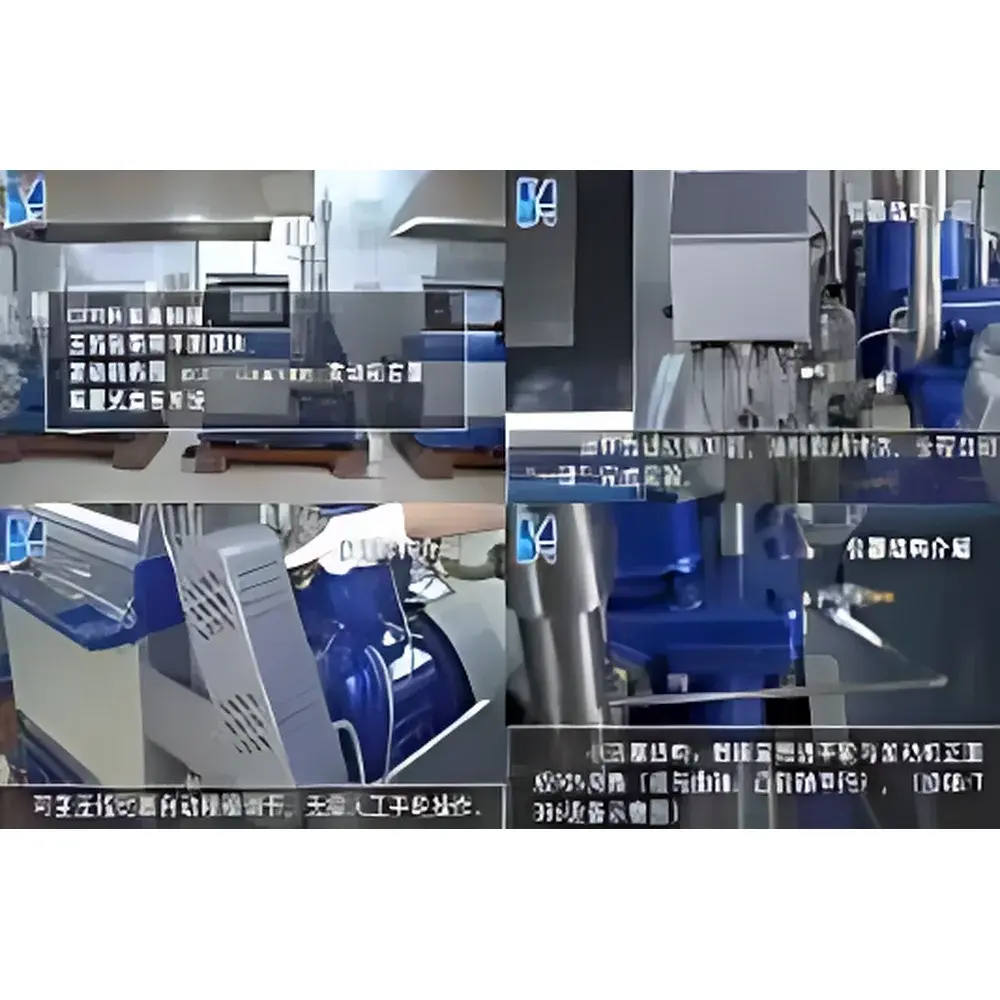
- Fully automated “one-touch” experimental workflow—including automatic fuel cup switching, programmable fuel flushing cycles, and self-calibrating injection timing control via imported electronic high-pressure fuel pump.
- Computer-controlled compression ratio actuation with closed-loop feedback from high-precision laser displacement sensors and torque transducers—ensuring repeatability across extended operational life.
- Integrated dual-stage oil filtration and active cooling system with real-time lubricant emulsification detection; automatic alerting for scheduled oil replacement based on cumulative runtime and thermal history.
- Digital engine parameter monitoring: crankcase vacuum (0.25–1.5 kPa), base compression pressure (3275 ± 138 kPa), injector opening pressure (10.30 ± 0.34 MPa), and fuel flow (13.0 ± 0.2 mL/min) are continuously logged and validated against ASTM D613 tolerances.
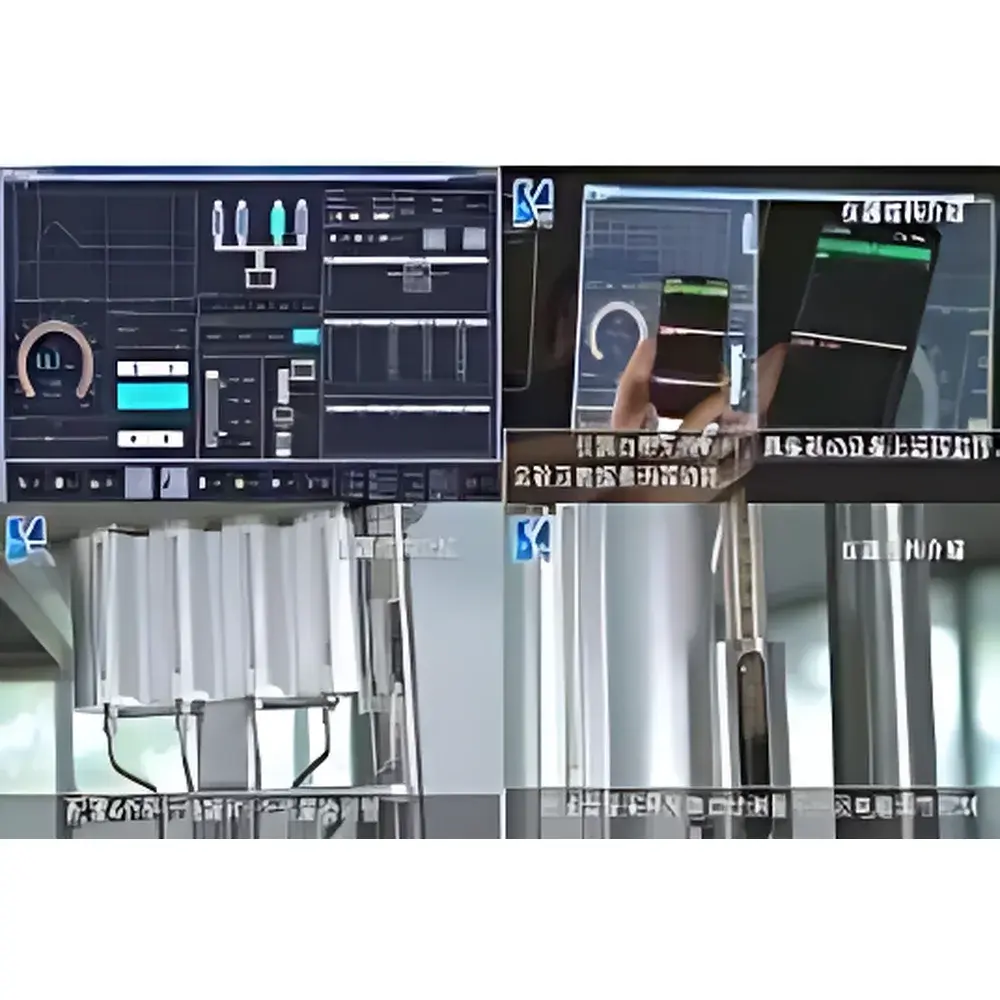
- Embedded industrial-grade controller with Wi-Fi connectivity enabling remote supervision via mobile devices—supporting real-time status display, experiment completion notifications, and secure access to raw test logs and calibration records.
- Comprehensive safety architecture including liquid-level protection for internal/external cooling circuits, mechanical end-stop limits for compression piston travel, and redundant thermal shutdown protocols for jacket coolant (100 ± 2 °C) and lubricant (57 ± 8 °C) systems.
Sample Compatibility & Compliance
The CFR-A5 is designed exclusively for testing middle-distillate hydrocarbon fuels meeting ASTM D975 or EN 590 specifications. It accommodates neat diesel fuels, biodiesel blends (B5–B20), and synthetic diesel components—provided they meet minimum volatility and viscosity requirements for stable combustion in the CFR engine configuration. All mechanical interfaces—including cylinder head, piston assembly, prechamber, and injector nozzle—maintain dimensional and functional interchangeability with legacy CFR engines certified by Coordinating Research Council (CRC) and ASTM International. The system supports full traceability per GLP and GMP frameworks: audit trails for user logins, method modifications, calibration events, and raw data generation are retained with timestamped digital signatures. Instrument qualification documentation aligns with ISO/IEC 17025 requirements for testing laboratories, and firmware complies with FDA 21 CFR Part 11 electronic record and signature provisions where enabled.
Software & Data Management
The embedded control software provides deterministic real-time engine cycle synchronization, capturing over 20 synchronized analog and digital channels—including cylinder pressure waveforms, ignition delay timing, exhaust gas temperature gradients, and fuel metering pulses. Test results—including calculated cetane number, derived ignition delay, and combustion efficiency indices—are automatically computed using ASTM D613 Annex A algorithms and stored in encrypted SQLite databases with SHA-256 hashing. Export options include CSV, PDF report templates compliant with ISO 17025 reporting clauses, and XML schemas compatible with LIMS integration (e.g., Thermo Fisher SampleManager, LabVantage). Historical trend analysis tools support SPC charting for process capability evaluation (Cp/Cpk) across batches, with configurable alarm thresholds for outlier detection based on statistical process limits.
Applications
This analyzer serves quality control laboratories in petroleum refineries, fuel additive manufacturers, and regulatory testing facilities requiring definitive cetane number assignment—not estimation—for product certification, blending optimization, and compliance verification. It is routinely deployed for evaluating the impact of oxygenated additives (e.g., alkyl nitrates), renewable diesel feedstocks (e.g., HVO), and Fischer–Tropsch synthetics on ignition quality. In R&D settings, the CFR-A5 supports fundamental combustion studies—including correlation of cetane number with molecular structure, autoignition chemistry modeling validation, and low-temperature combustion regime characterization. Its adherence to CFR mechanical standards ensures cross-laboratory comparability essential for interlaboratory round-robin studies coordinated by ASTM Committee D02 on Petroleum Products and Lubricants.
FAQ
What standards does the CFR-A5 comply with?
ASTM D613–08, GB/T 386–2010, and foundational CFR engine mechanical specifications defined by the Coordinating Research Council.
Is the compression ratio adjustment truly automated?
Yes—the system uses servo-motor-driven actuators with position feedback from laser displacement sensors, enabling repeatable, operator-independent compression ratio setting from 8:1 to 36:1.
Can the instrument interface with existing LIMS environments?
Yes—via configurable RESTful API endpoints and standardized CSV/XML export formats compatible with major laboratory informatics platforms.
What maintenance intervals are recommended for the lubrication system?
Oil change alerts are triggered dynamically based on cumulative runtime, thermal exposure history, and real-time emulsification sensor output—typically every 150–200 engine operating hours under standard test conditions.
Does the system support remote diagnostics and firmware updates?
Yes—secure TLS-encrypted remote access enables authorized service engineers to perform diagnostic logging, parameter tuning, and over-the-air firmware upgrades without onsite intervention.





