Tianyan TY-YX432 Four-Channel Real-Time Fluorescent Quantitative PCR System for Meat Species Authentication
| Brand | Tianyan |
|---|---|
| Origin | Shandong, China |
| Manufacturer Type | Direct Manufacturer |
| Country of Origin | China |
| Model | TY-YX432 |
| Price | USD 7,500 (FOB Qingdao) |
| Sample Format | 0.2 mL single tubes & 8-tube strips |
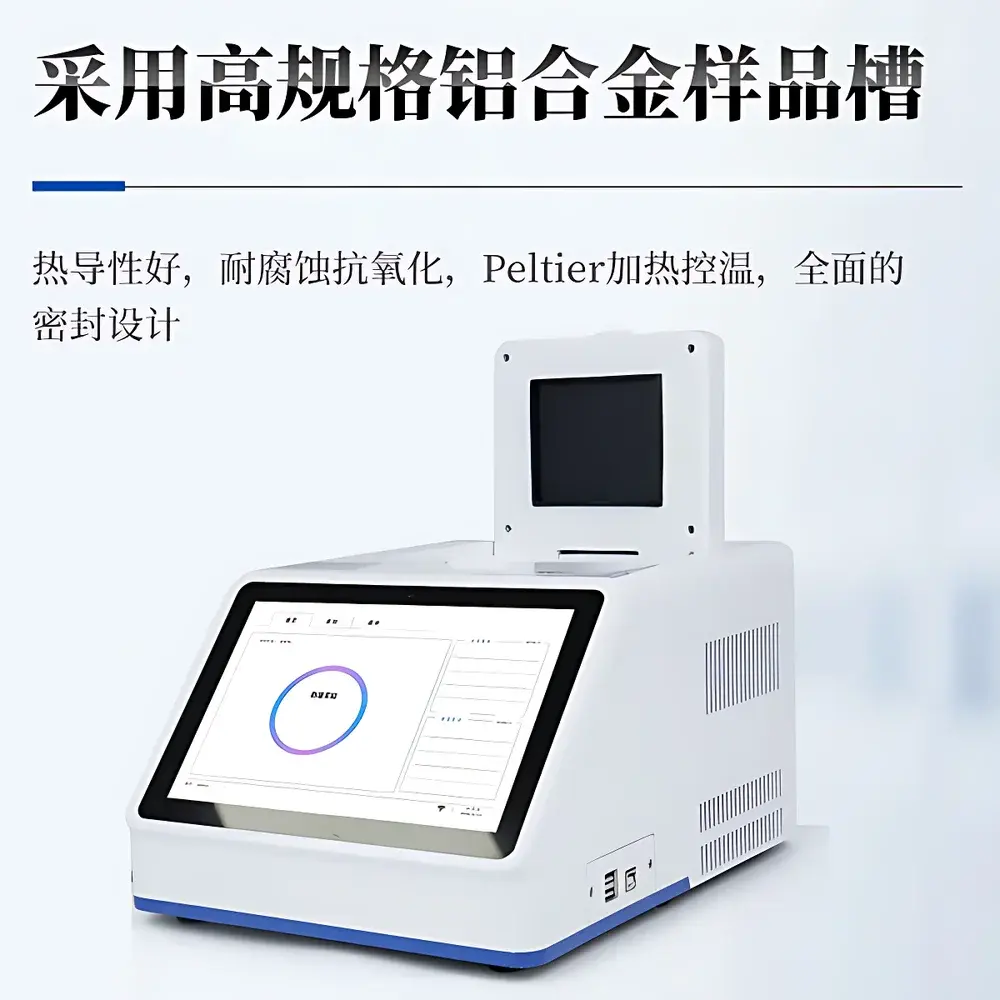
| Thermal Block | Aluminum alloy with Peltier control |
| Temperature Range | 4–99 °C |
| Temperature Accuracy | ±0.01 °C (PT1000 sensor) |
| Optical Channels | 4 (Blue/Green/Red/Yellow LEDs) |
| Detection Sensitivity | Single-copy DNA detection |
| Dynamic Range | 10 logs |
| Excitation Sources | High-intensity, broad-spectrum, maintenance-free solid-state LEDs |
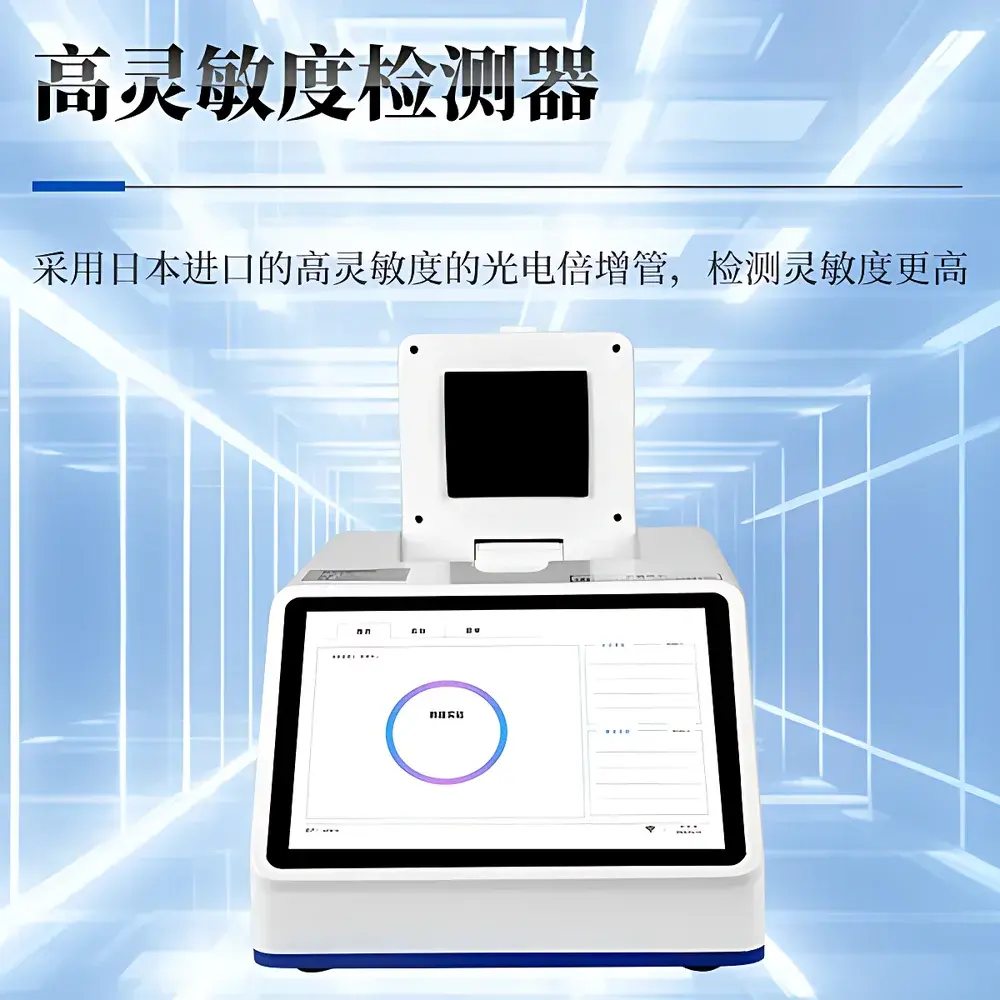
| Detection System | Imported photomultiplier tube (PMT) |
| Channel Crosstalk | Minimized via precision narrow-band filters + software compensation |
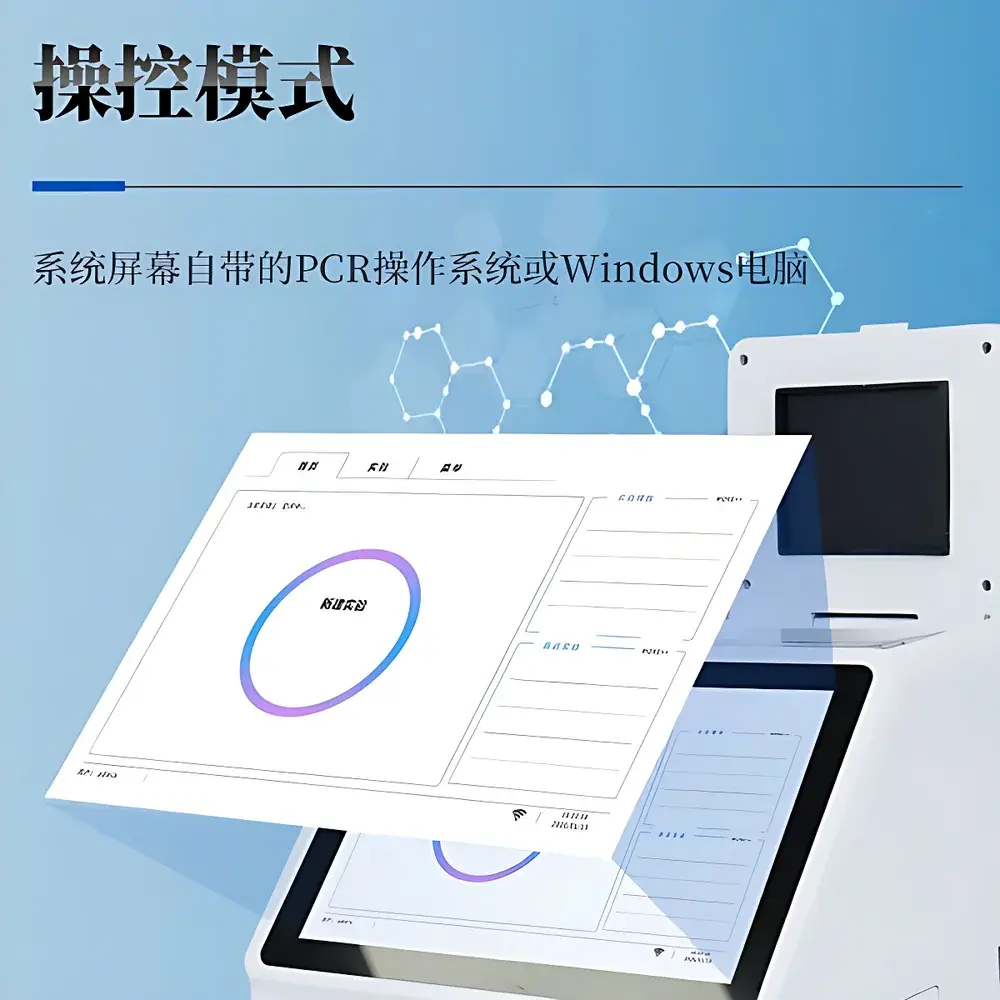
| Software | Cross-platform Windows-compatible |
| Data Export | XLS, CSV, DOCX |
| Reporting | Integrated report generator with audit-ready metadata |
| Compliance | Designed to support GLP/GMP-aligned workflows |
Overview
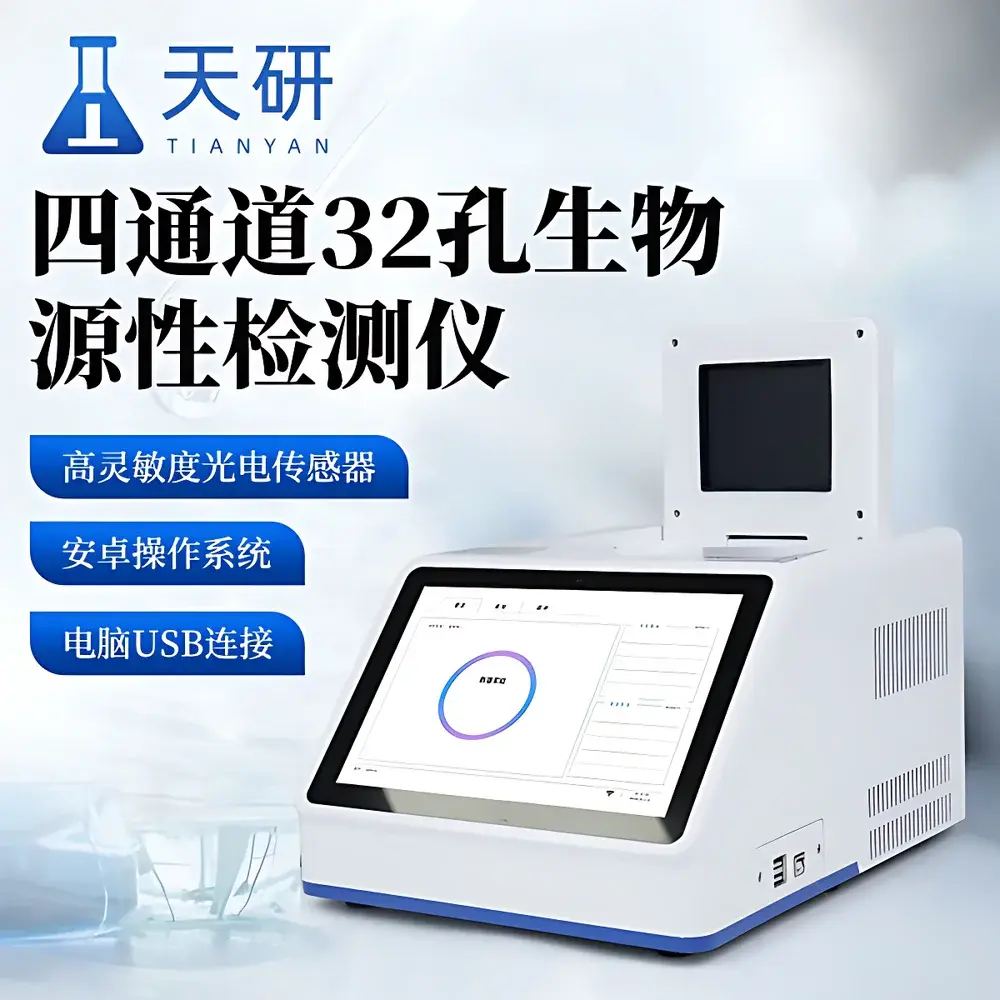
The Tianyan TY-YX432 is a purpose-built, four-channel real-time fluorescent quantitative PCR (qPCR) system engineered specifically for meat species authentication in food safety laboratories, regulatory testing facilities, and quality assurance departments. It operates on the principle of sequence-specific DNA amplification and fluorescence-based endpoint or kinetic quantification—leveraging highly conserved and species-discriminatory genomic regions (e.g., mitochondrial cytochrome b, nuclear SRY, or ribosomal RNA gene variants) to unambiguously identify animal origin in processed meat products. Unlike generic qPCR platforms, the TY-YX432 integrates hardware and software optimizations for routine, high-throughput meat adulteration screening—including raw, cooked, cured, and comminuted samples—while maintaining compliance readiness for ISO/IEC 17025-accredited testing environments.
Key Features
- Four independent optical channels with spectrally optimized LED excitation (470 nm, 530 nm, 630 nm, 580 nm) and matched narrow-band emission filters—enabling simultaneous detection of SYBR Green I, TaqMan probes, and multiplexed assays without physical channel reconfiguration.
- Precision thermal control architecture: aluminum alloy reaction block with integrated Peltier elements and PT1000 temperature sensing—achieving ±0.01 °C uniformity across all 32 wells and rapid ramping (up to 5.0 °C/s).
- True 32-well capacity supporting both 0.2 mL single tubes and standard 8-tube strips—eliminating need for adapter plates or sample reformatting.
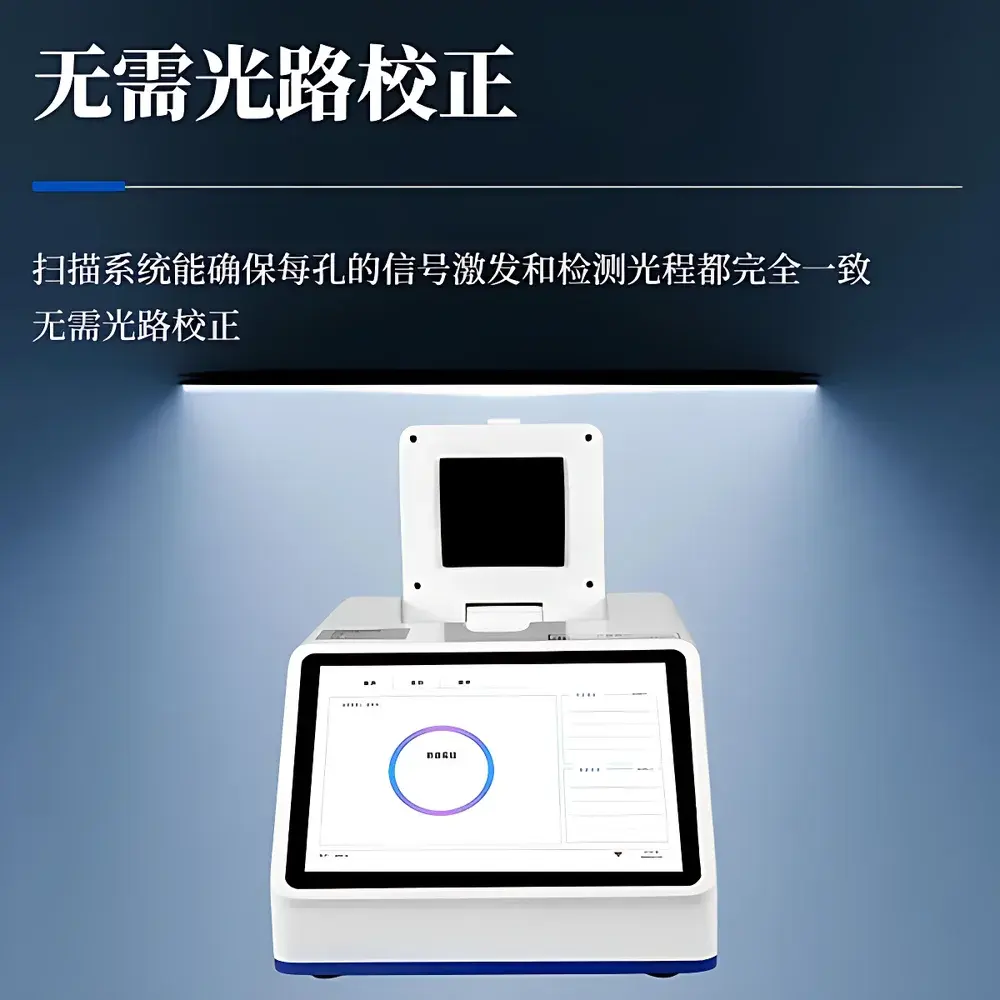
- Optical path consistency via fixed-focus scanning optics—ensuring identical excitation/detection geometry for every well; no reference channel required, maximizing usable assay channels.
- Low-noise (<60 dB(A)) acoustic design suitable for shared laboratory spaces; sealed thermal module prevents condensation ingress into electronics—extending service life under continuous operation.
- Open consumables platform: fully compatible with third-party master mixes, primers, probes, and certified reference materials from major global suppliers (e.g., Thermo Fisher, Bio-Rad, Takara).
Sample Compatibility & Compliance
The TY-YX432 accommodates DNA extracts from diverse meat matrices—including minced blends, sausages, canned products, jerky, and rendered ingredients—following standardized extraction protocols (e.g., ISO 22118, AOAC 2014.03). Its sensitivity profile (single-copy detection limit) meets requirements for low-abundance target identification in highly processed or degraded samples. The system supports method validation per ISO 20723:2019 (Molecular methods for species identification in food) and aligns with EU Regulation (EC) No 853/2004 Annex III on meat hygiene controls. When paired with validated extraction kits and certified reference standards (e.g., IRMM-ERM®), it fulfills evidentiary thresholds for official food fraud investigations. Instrument firmware and software architecture allow configuration of electronic audit trails, user access levels, and immutable result archiving—facilitating alignment with GLP, GMP, and FDA 21 CFR Part 11 data integrity expectations when implemented within a controlled IT environment.
Software & Data Management
The bundled Tianyan qPCR Analysis Suite (v4.2+) provides a complete workflow—from assay setup and run monitoring to statistical interpretation and regulatory reporting. Key capabilities include dynamic baseline and Ct threshold auto-calculation, inter-run calibration using internal controls, group-wise comparative ΔΔCt analysis (up to four experimental groups per run), and export of raw fluorescence data with timestamps and instrument metadata. Reports are generated in PDF, XLSX, or DOCX formats and embed full experimental parameters (cycling conditions, probe sequences, operator ID, date/time stamps). The software interface is available in English and Simplified Chinese; installation is unrestricted across institutional workstations, with automatic over-the-air updates delivered without licensing fees. All data files conform to MIQE (Minimum Information for Publication of Quantitative Real-Time PCR Experiments) reporting guidelines.
Applications
- Verification of declared species in retail meat products (e.g., confirming absence of horse or donkey DNA in beef burgers).
- Adulteration screening in halal/kosher-certified supply chains where cross-species substitution poses religious or legal risk.
- Raw material verification for food manufacturers prior to production batch release.
- Supporting national food surveillance programs targeting economically motivated adulteration (EMA).
- Academic research on meat traceability, biodiversity assessment, and forensic food analysis.
FAQ
Does the TY-YX432 require proprietary reagents or consumables?
No. It is an open-system platform fully compatible with commercially available qPCR reagents, primers, probes, and tubes from any supplier.
Can the instrument perform absolute quantification using standard curves?
Yes. The software supports standard curve generation, efficiency calculation, and R²-based linearity assessment across the full 10-log dynamic range.
Is remote monitoring or network integration supported?
The system connects via USB 2.0 to Windows PCs; LAN/Wi-Fi connectivity is not built-in but can be enabled through host PC configuration and secure file-sharing protocols.
What validation documentation is provided with the instrument?
A comprehensive Factory Acceptance Test (FAT) report, IQ/OQ templates aligned with ISO/IEC 17025, and a Certificate of Conformance are included. PQ protocol development support is available upon request.
How often does the optical system require recalibration?
None. The fixed-optic scanning design eliminates mechanical drift; no routine optical recalibration is specified or required during normal operation.