
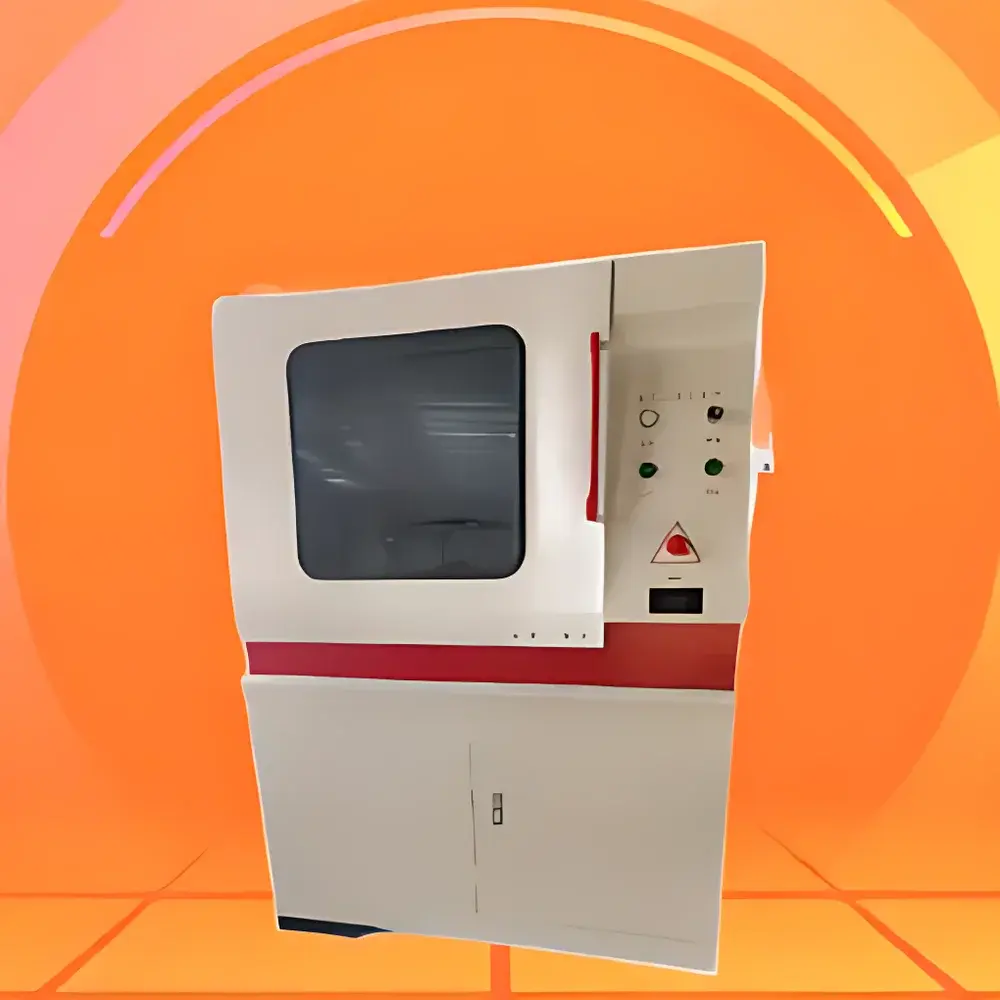
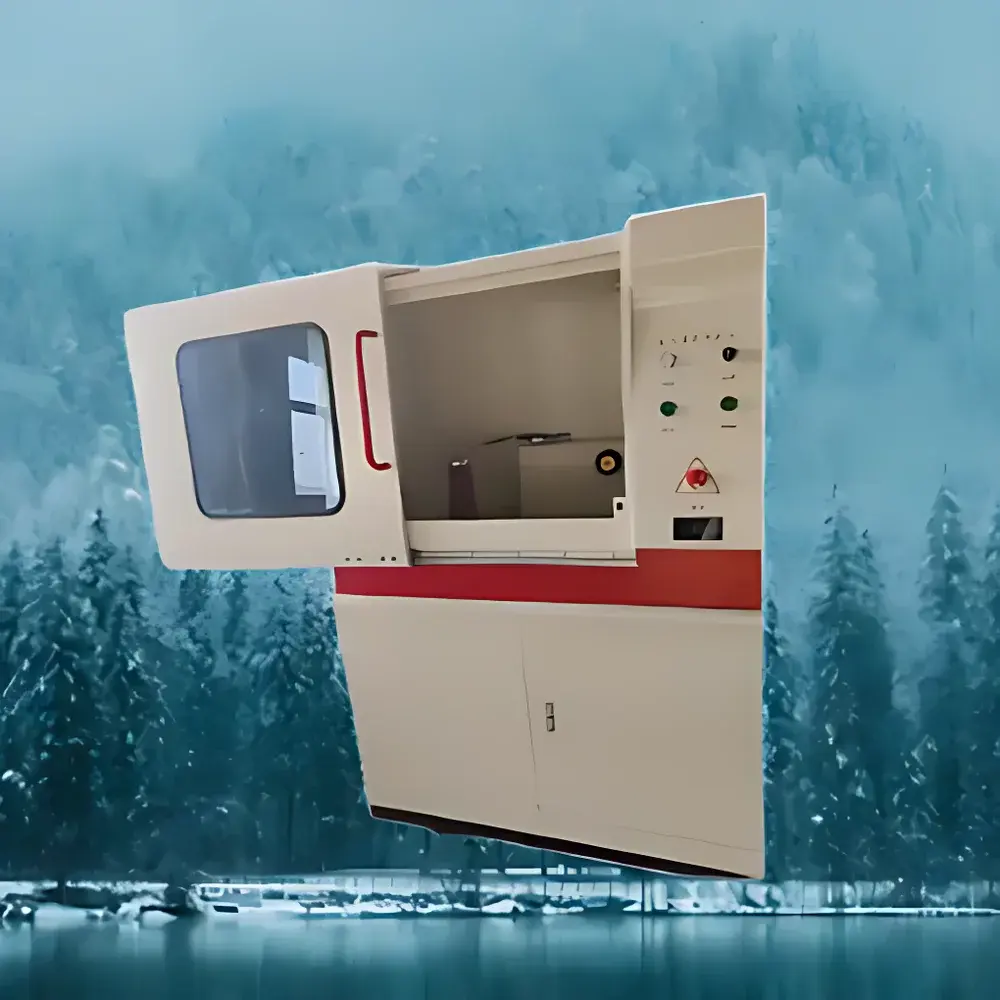
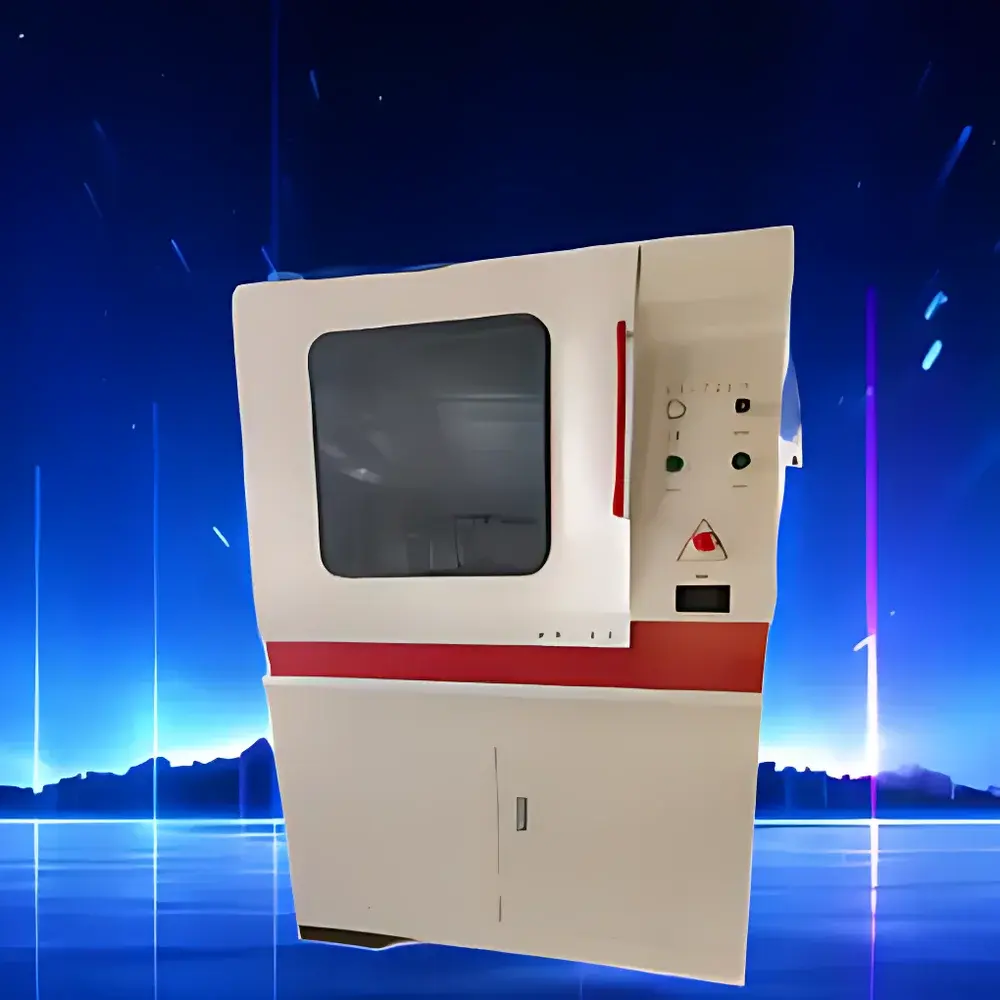

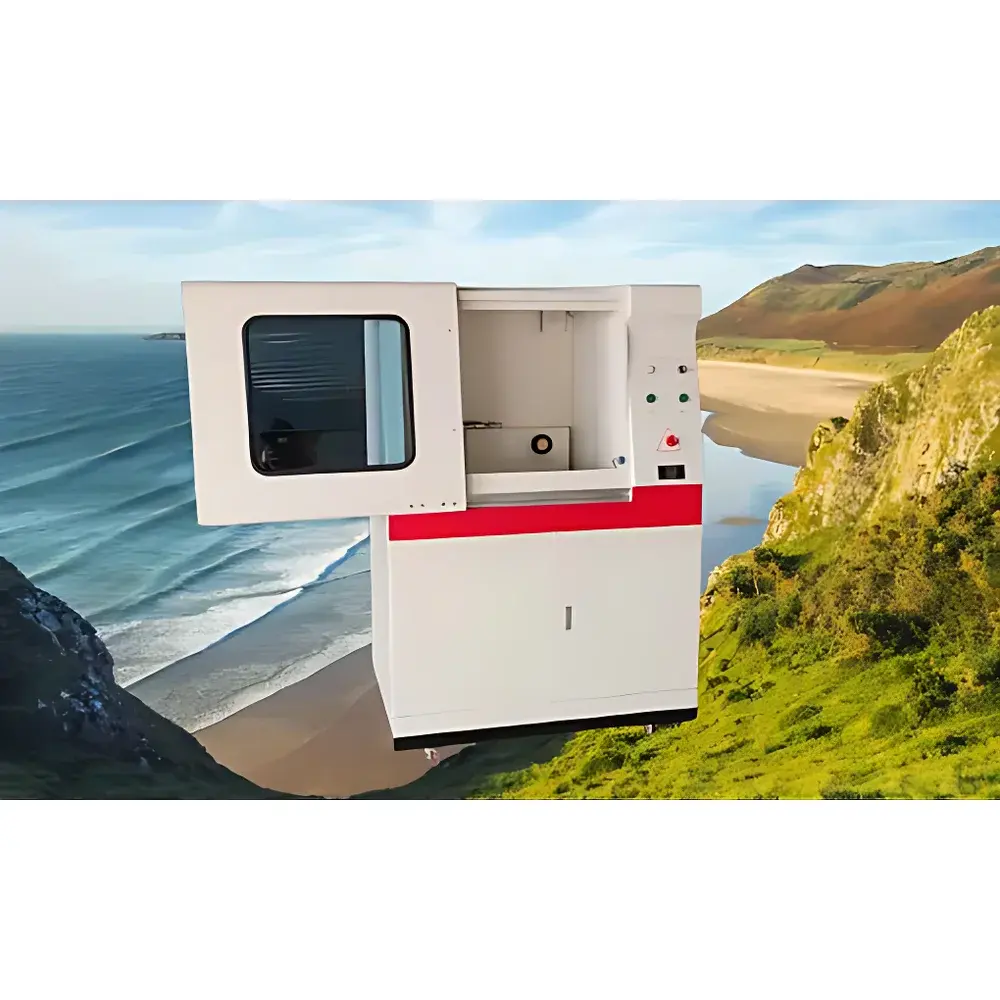
Red Sun Instrument HRJC-2000V Insulating Steel Paper Dielectric Breakdown Tester
| Brand | Red Sun Instrument |
|---|---|
| Origin | Hebei, China |
| Manufacturer Type | Authorized Distributor |
| Country of Origin | China |
| Model | HRJC-2000V |
| Maximum Output Voltage | AC/DC 0–50 kV |
| Rated Power Capacity | 3 kVA |
| Voltage Ramp Rate | 0.1–5 kV/s (adjustable) |
| Test Modes | AC/DC Uniform Ramp, Stepwise Ramp, and Withstand Testing |
| Compliance Standards | GB/T 1695-2005, GB/T 4109-2008, DL 418-91, ASTM D149, IEC 60243-1 |
Overview
The Red Sun Instrument HRJC-2000V Insulating Steel Paper Dielectric Breakdown Tester is a precision-engineered high-voltage test system designed for determining the dielectric strength and withstand voltage performance of solid insulating materials under power-frequency (50 Hz) AC or DC stress. It operates on the principle of controlled voltage escalation—either continuous uniform ramping or stepwise incremental application—until electrical breakdown occurs across the specimen. The instrument conforms to fundamental electro-dielectric testing paradigms defined in international and national standards including IEC 60243-1, ASTM D149, GB/T 1695-2005 (for vulcanized rubber), and GB/T 4109-2008 (for bushings). Its architecture integrates a high-stability oil-immersed test transformer, digitally regulated voltage control circuitry, overcurrent protection relays, and calibrated kV-level measurement with ±1.5% accuracy per GB/T 1695 requirements. Designed for laboratory and QC environments, it supports rigorous evaluation of insulation integrity under standardized thermal, humidity, and mechanical boundary conditions.
Key Features
- Wide-range programmable output: AC/DC 0–50 kV, continuously adjustable with resolution ≤0.1 kV
- Configurable ramp profiles: Uniform ramp (0.1–5 kV/s), stepwise ramp (user-defined voltage increments and dwell times), and fixed-voltage withstand testing (up to 5 min)
- Integrated safety interlocks: Automatic shutdown upon current surge (>0.1 A secondary), door-open detection, and emergency stop circuit compliant with IEC 61010-1
- Dual-mode electrode support: Precision-machined brass/copper cylindrical electrodes (Ø25 ± 0.1 mm, edge radius 2.5 mm, surface finish ≥ Ra 0.8 µm) compatible with both vertical and horizontal sample fixtures
- Stable 50 ± 0.5 Hz sinusoidal output with THD < 5%, sourced from an isolated 220 V AC input and conditioned via magnetic shunt regulation
- Front-panel human-machine interface (HMI) with real-time kV/kA display, test progress bar, and event logging timestamping
Sample Compatibility & Compliance
The HRJC-2000V is validated for use with a broad spectrum of solid dielectric materials, including but not limited to insulating varnishes, epoxy resins, impregnated fiber laminates, mica-based composites, thermoplastics, ceramic substrates, glass plates, and metallized polymer films. Sample thickness range: 0.05–6 mm (with appropriate electrode spacing per GB/T 1695). Environmental conditioning per GB/T 2941 is supported through external climate chambers (not included). All test procedures adhere strictly to the specimen preparation, electrode geometry, ambient conditioning (23 ± 2 °C / 50 ± 5 %RH), and measurement traceability requirements outlined in GB/T 1695-2005 and ASTM D149. The system satisfies essential elements of GLP-compliant testing workflows, including operator ID logging, test parameter versioning, and raw data immutability prior to export.
Software & Data Management
While the base HRJC-2000V operates via embedded HMI, optional PC-based software (RS-TestSuite v3.2) enables full digital test protocol definition, automated sequence execution, real-time waveform capture (voltage vs. time), and post-test calculation of dielectric strength (kV/mm) using measured specimen thickness. All test records include metadata: operator ID, calibration certificate expiry date, environmental sensor readings (if interfaced), and pass/fail status against user-defined limits. Audit trails comply with FDA 21 CFR Part 11 requirements when configured with electronic signatures and role-based access control. Export formats include CSV, PDF test reports (with embedded calibration certificates), and XML for LIMS integration. Data retention follows ISO/IEC 17025 clause 7.5.2 for nonconformance traceability.
Applications
This tester serves critical roles in quality assurance laboratories of transformer manufacturers, cable producers, aerospace composites suppliers, and electrical insulation material R&D centers. Typical applications include: validation of varnish film integrity on magnet wire; comparative assessment of dielectric aging in epoxy-impregnated stator windings; qualification of ceramic substrate breakdown thresholds for high-voltage PCBs; verification of moisture resistance in laminated pressboard per IEC 60450; and screening of nanocomposite fillers (e.g., SiO₂, Al₂O₃) for enhanced volume resistivity. It also supports failure analysis of field-failed bushings per GB/T 4109-2008 Annex F, enabling correlation between lab-measured breakdown voltage and service-life degradation indicators.
FAQ
What standards does the HRJC-2000V directly support?
It is engineered to meet the procedural, hardware, and metrological requirements of GB/T 1695-2005, GB/T 4109-2008, DL 418-91, ASTM D149, and IEC 60243-1.
Can the system perform both AC and DC breakdown tests?
Yes—dual-mode operation is standard, with independent AC (50 Hz) and DC output paths, each with dedicated overcurrent protection and voltage feedback loops.
Is electrode calibration required before each test?
Per GB/T 1695-2005 Section 4.5, electrode surface flatness and cleanliness must be verified visually and tactilely prior to every test series; certified dimensional inspection is recommended quarterly.
How is test repeatability ensured across operators?
Through standardized HMI prompts, mandatory parameter entry validation, automatic dwell timing, and built-in pass/fail logic that prevents manual override of safety thresholds.
Does the unit support third-party calibration traceability?
Yes—high-voltage output is calibrated against NIM-traceable reference dividers (certified to ISO/IEC 17025), with calibration certificates issued annually or after major maintenance.



