
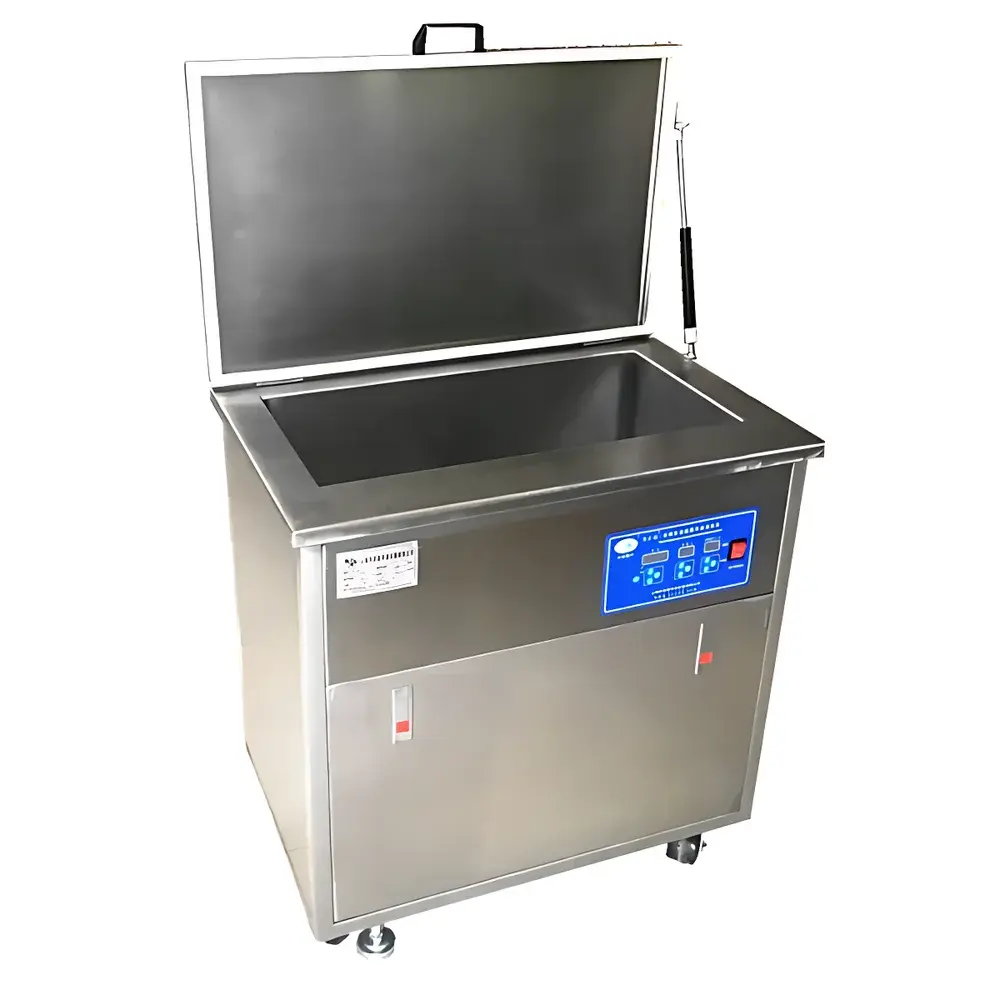
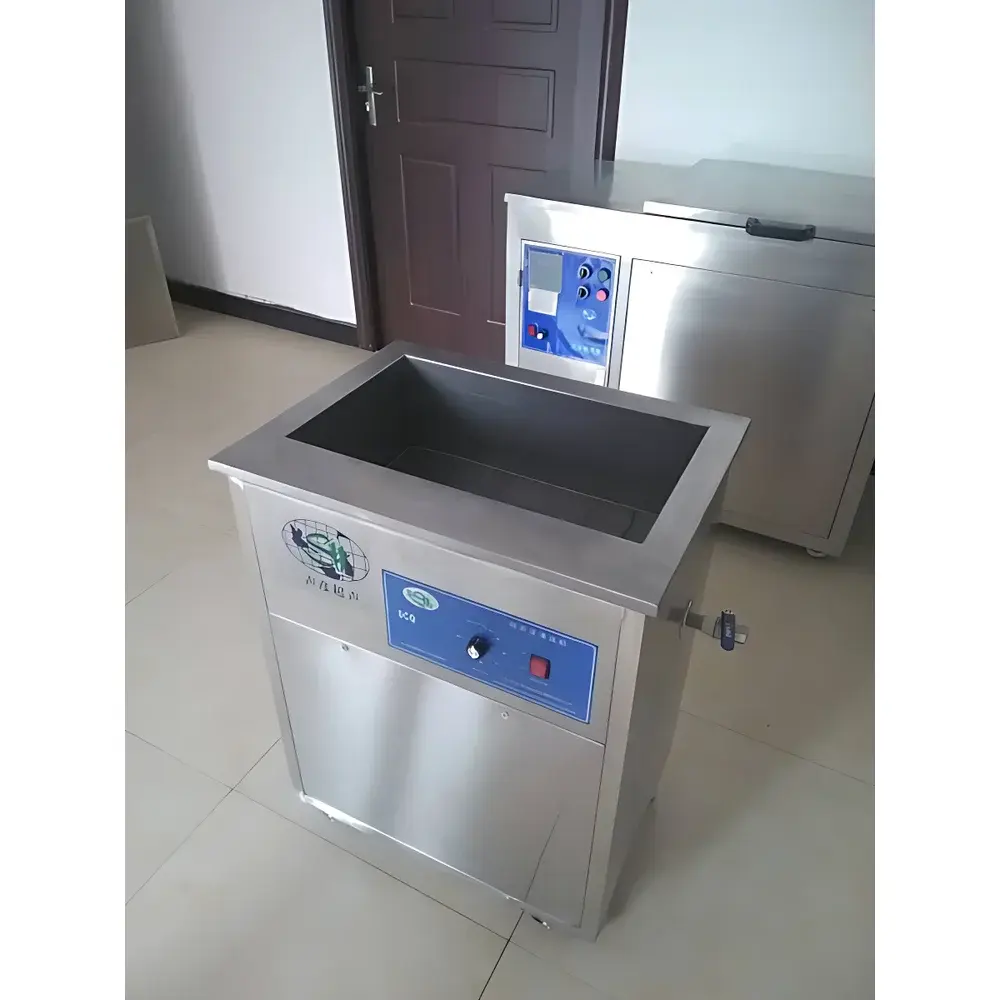
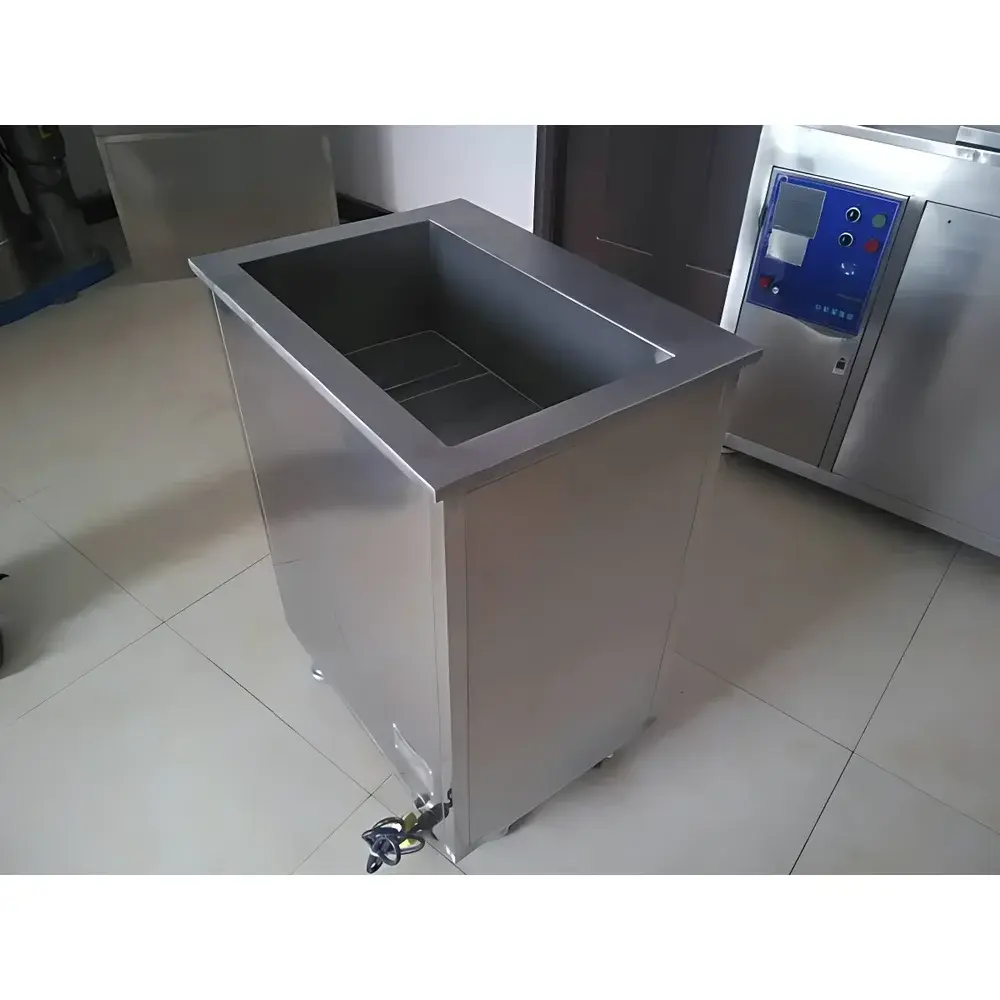
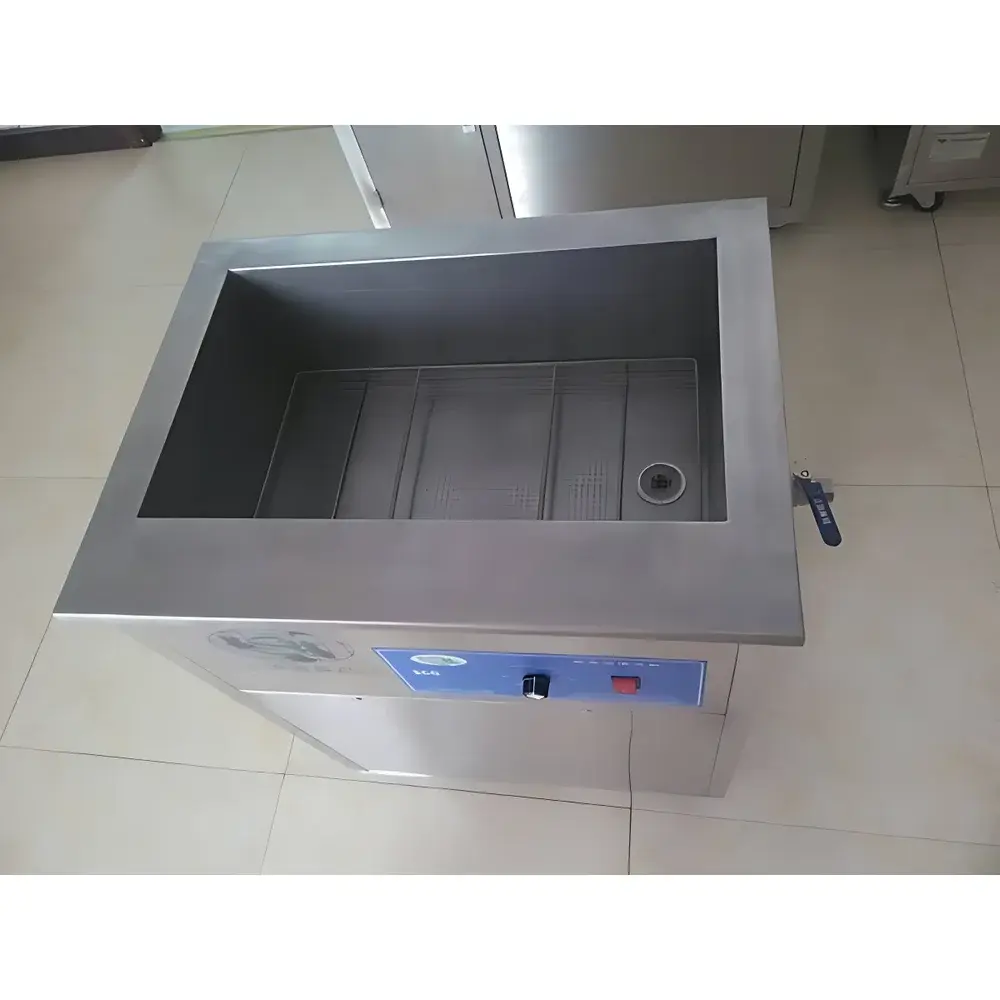
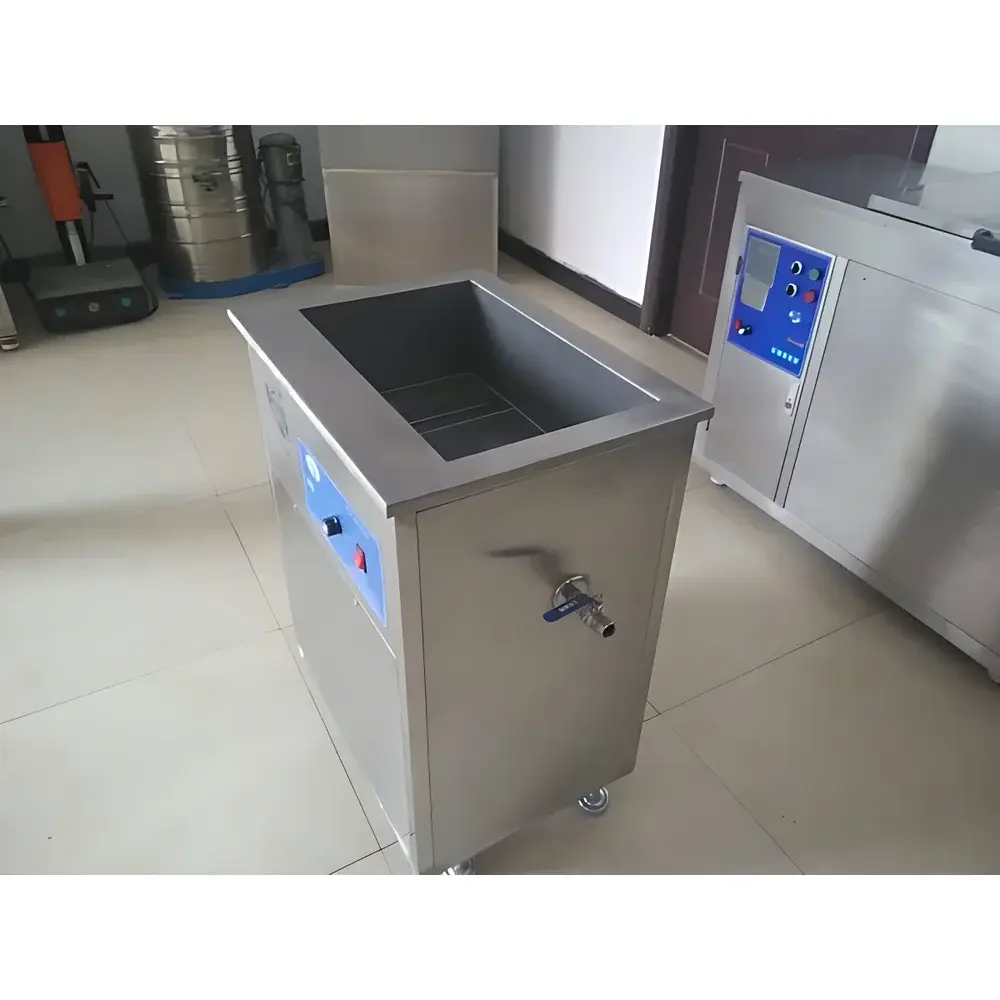
SYC Sycs SCQ-9200C 36L Benchtop Ultrasonic Cleaner
| Brand | SYC Sycs |
|---|---|
| Origin | Shanghai, China |
| Manufacturer Type | Authorized Distributor |
| Product Category | Domestic (China-Made) |
| Model | SCQ-9200C |
| Instrument Type | General-Purpose Ultrasonic Cleaner |
| Tank Capacity | 36 L |
| Internal Tank Dimensions | 600 × 300 × 200 mm |
| Selectable Ultrasonic Frequencies | 25 / 28 / 40 / 60 / 80 kHz |
| Ultrasonic Power Output | 800 W |
| Power Adjustment Range | 10–100% (continuously variable) |
| Heating Power | 1200 W |
| Temperature Control Range | Ambient to 100 °C |
| Timer Range | 1–600 min |
| Sound-Dampening Lid | Included |
| Manual Drain Valve | Yes |
| Stainless Steel Basket & Rack | SUS304 |
| Safety Features | Overload protection, overtemperature cutoff, auto-dryout alarm (for tanks ≥10 L), short-circuit protection |
| Electrical Supply | 220 V AC, 50 Hz |
Overview
The SYC Sycs SCQ-9200C is a general-purpose benchtop ultrasonic cleaner engineered for reproducible, high-efficiency cleaning across diverse laboratory, industrial, and clinical environments. It operates on the principle of cavitation—where high-frequency sound waves (25–80 kHz) generate microscopic vacuum bubbles in a liquid medium that rapidly collapse, releasing localized energy sufficient to dislodge particulate contaminants, organic residues, biofilms, and adsorbed ions from submerged surfaces. This physical cleaning mechanism eliminates reliance on aggressive solvents or mechanical scrubbing, preserving delicate substrates such as optical lenses, microfluidic chips, precision instrumentation components, and sterilized surgical tools. With a 36 L stainless steel tank (600 × 300 × 200 mm), the SCQ-9200C supports large-volume batch processing while maintaining uniform acoustic field distribution via optimized transducer placement and tank geometry. Its modular frequency selection allows users to match operational parameters to specific cleaning challenges: lower frequencies (25–40 kHz) deliver higher cavitation intensity for robust particulate removal from machined metals or ceramics; higher frequencies (60–80 kHz) provide gentler, more uniform energy distribution suited for MEMS devices, semiconductor wafers, or fragile glassware.
Key Features
- Full 304 stainless steel construction—including tank, basket, rack, and lid—ensures long-term corrosion resistance in aqueous and mild solvent-based cleaning media, exceeding industry-standard SUS201/SUS202 alternatives.
- Five selectable ultrasonic frequencies (25 / 28 / 40 / 60 / 80 kHz) with independent digital control enable method optimization per sample type and contaminant profile.
- Continuously adjustable ultrasonic power (10–100% of 800 W nominal output) permits fine-tuned energy delivery to prevent pitting or erosion of sensitive substrates.
- Precision digital temperature control (ambient to 100 °C) with 1200 W heating element facilitates thermally enhanced cleaning protocols, including degassing, solvent-assisted residue dissolution, and enzymatic decontamination cycles.
- Programmable timer (1–600 minutes) with auto-shutdown ensures process repeatability and operator safety during unattended operation.
- Integrated sound-dampening lid reduces ambient noise to ≤65 dB(A) at 1 m distance, meeting occupational health guidelines for sustained lab use.
- Dual safety architecture includes real-time thermal monitoring with automatic cut-off, electronic overload protection, and dry-run detection with audible/visual alarm for tanks ≥10 L.
Sample Compatibility & Compliance
The SCQ-9200C accommodates a broad range of sample geometries and materials without requiring custom fixtures: standard glassware (volumetric flasks, centrifuge tubes, Petri dishes), metallic components (PCBs, watch gears, dental instruments), polymer substrates (acrylic cuvettes, silicone tubing), and porous media (ceramic filters, sintered metal frits). Its design conforms to widely referenced laboratory equipment standards, including IEC 61000-6-3 (EMC emissions), IEC 61000-6-2 (immunity), and ISO 13485-aligned manufacturing practices for medical device cleaning validation support. While not certified as a Class II medical device, the unit meets prerequisite conditions for integration into GLP-compliant cleaning SOPs when paired with documented cleaning validation protocols (e.g., residue testing per USP , visual inspection per ASTM F2271). All electrical components comply with RoHS 2011/65/EU and REACH SVHC regulations.
Software & Data Management
The SCQ-9200C features an embedded microcontroller-based interface with non-volatile memory for storing up to 10 user-defined cleaning programs—including frequency, power level, temperature setpoint, and duration. Though not equipped with Ethernet or USB connectivity, its front-panel LCD display logs operational history (start time, cycle completion, fault codes) for manual audit trail reconstruction. For laboratories operating under FDA 21 CFR Part 11 requirements, external data loggers may be interfaced via analog voltage outputs (0–5 V) corresponding to real-time temperature and power status. All parameter changes are timestamped and retained through power cycles, supporting basic traceability needs in QA/QC workflows.
Applications
- Pre-analytical sample preparation: removal of residual proteins, lipids, or nucleic acids from HPLC vials, autosampler needles, and electrophoresis combs.
- Electronics manufacturing: flux residue extraction from PCB assemblies prior to AOI or conformal coating.
- Medical device reprocessing: adjunctive cleaning of reusable endoscopic accessories, orthodontic appliances, and implant trial kits before steam sterilization.
- Materials science: surface decontamination of catalyst substrates, nanoparticle-coated TEM grids, and sputtered thin-film samples.
- Jewelry and optics restoration: non-abrasive removal of polishing compounds, fingerprint oils, and atmospheric sulfides from precious metals and coated lenses.
- Academic research labs: routine cleaning of reaction vessels, distillation apparatus, and microcentrifuge rotors across chemistry, biology, and engineering disciplines.
FAQ
What cleaning solutions are compatible with the SCQ-9200C?
Aqueous alkaline, neutral, and mildly acidic detergents; ethanol, isopropanol, and acetone (with ventilation and fire-safety precautions); and enzyme-based formulations. Avoid halogenated solvents (e.g., chloroform, carbon tetrachloride) due to material compatibility and safety risks.
Can the SCQ-9200C be used for degassing solvents?
Yes—operation at 40 kHz with no heating and low power (20–40%) for 5–15 minutes effectively removes dissolved air from HPLC mobile phases, casting resins, and microscopy mounting media.
Is the tank drain valve compatible with laboratory floor drain connections?
The manually operated brass valve includes a standard 1/2″ NPT female thread, permitting direct connection to flexible PVC or silicone tubing routed to sink or waste collection systems.
How often should the transducers be serviced or recalibrated?
No scheduled recalibration is required. Transducer performance stability is verified during factory acceptance testing (FAT) per ISO 13847. Annual visual inspection of bonding integrity and impedance continuity is recommended for GMP environments.
Does the unit support continuous operation beyond 600 minutes?
No—the maximum programmable cycle is 600 minutes (10 hours). For extended processes, sequential program execution is possible using manual restart or external timer relays.



