
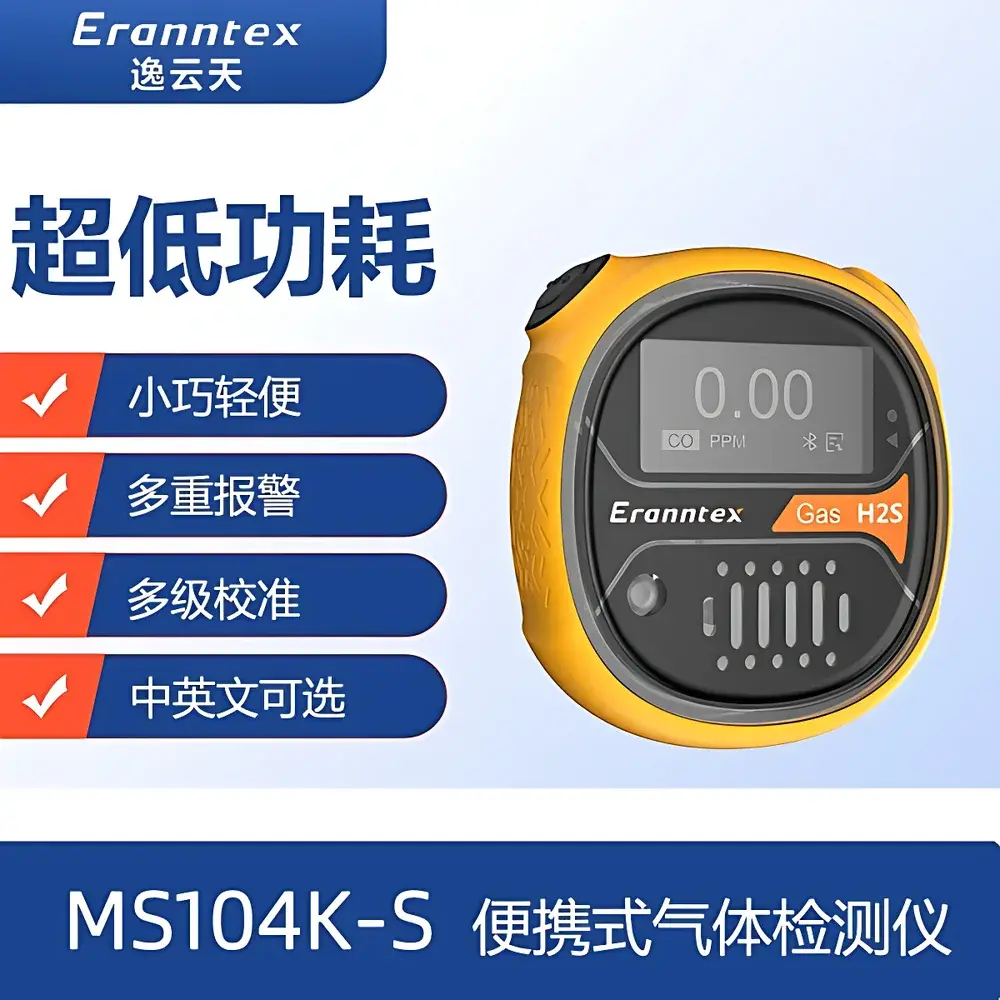
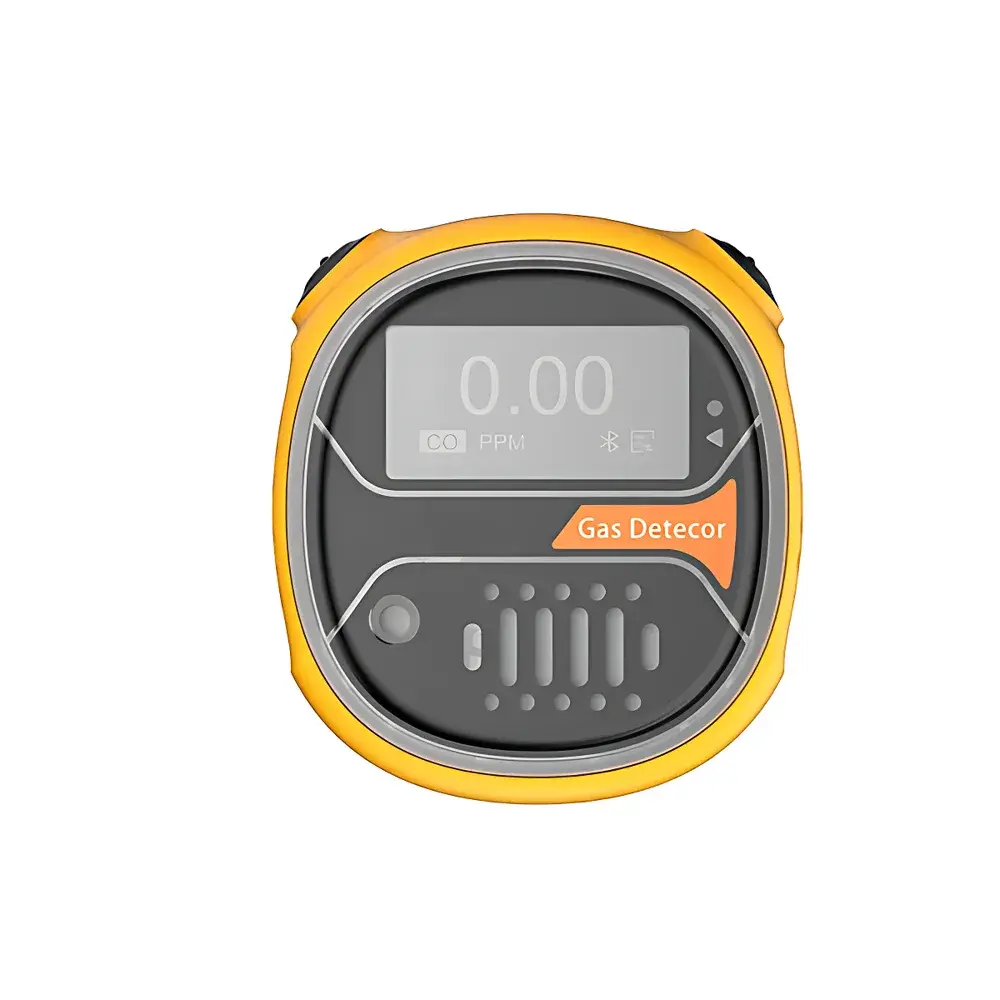
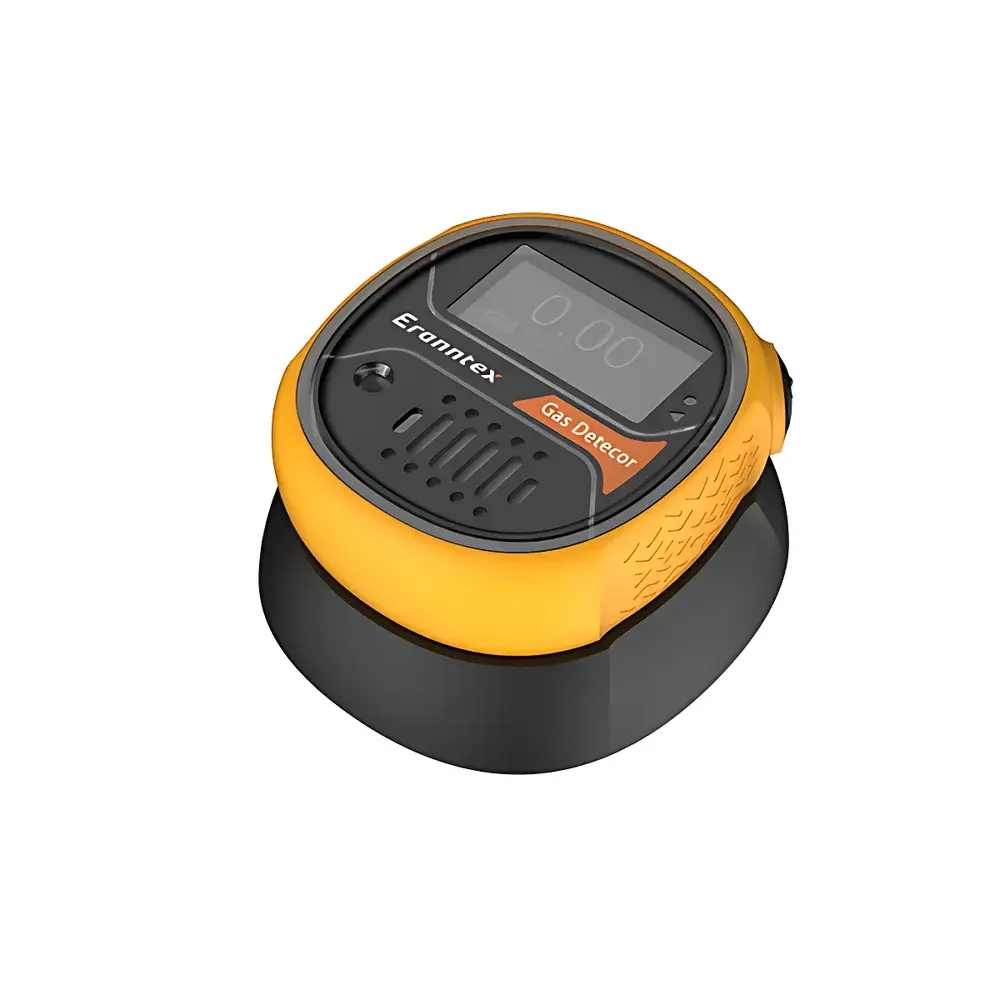
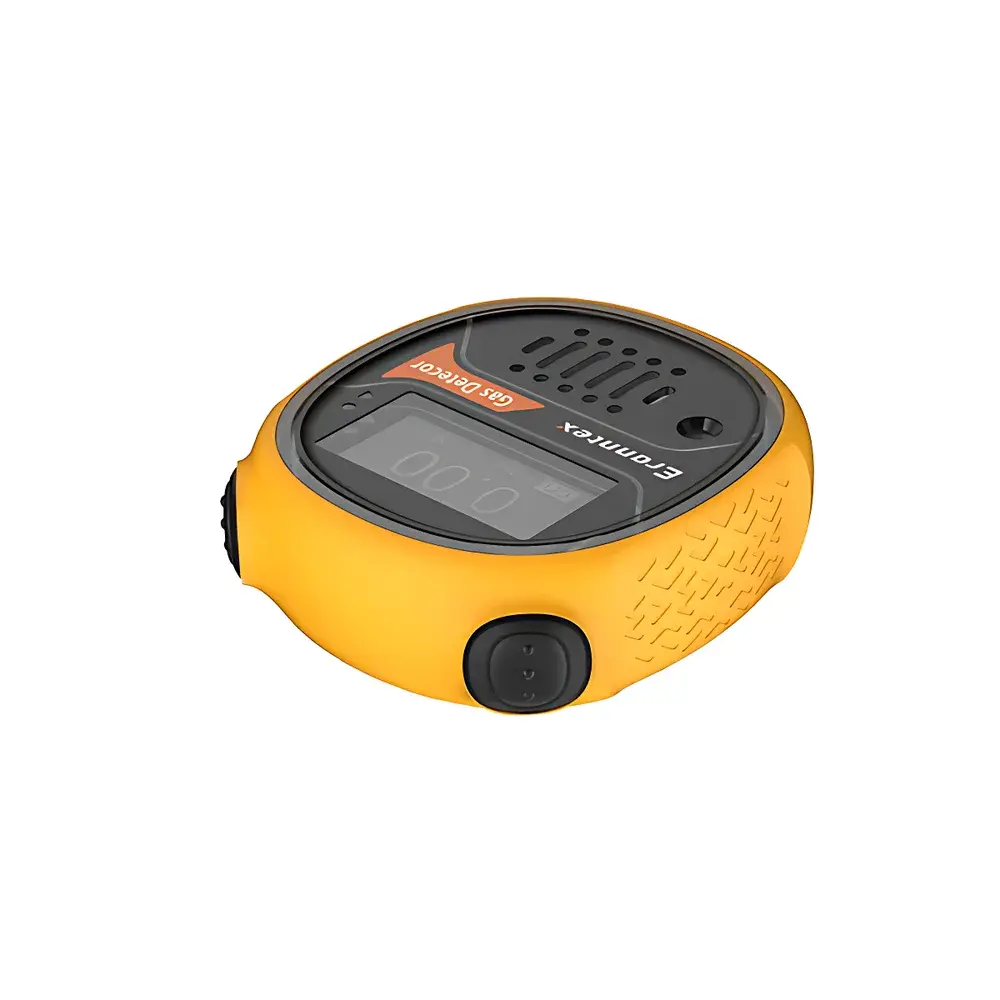
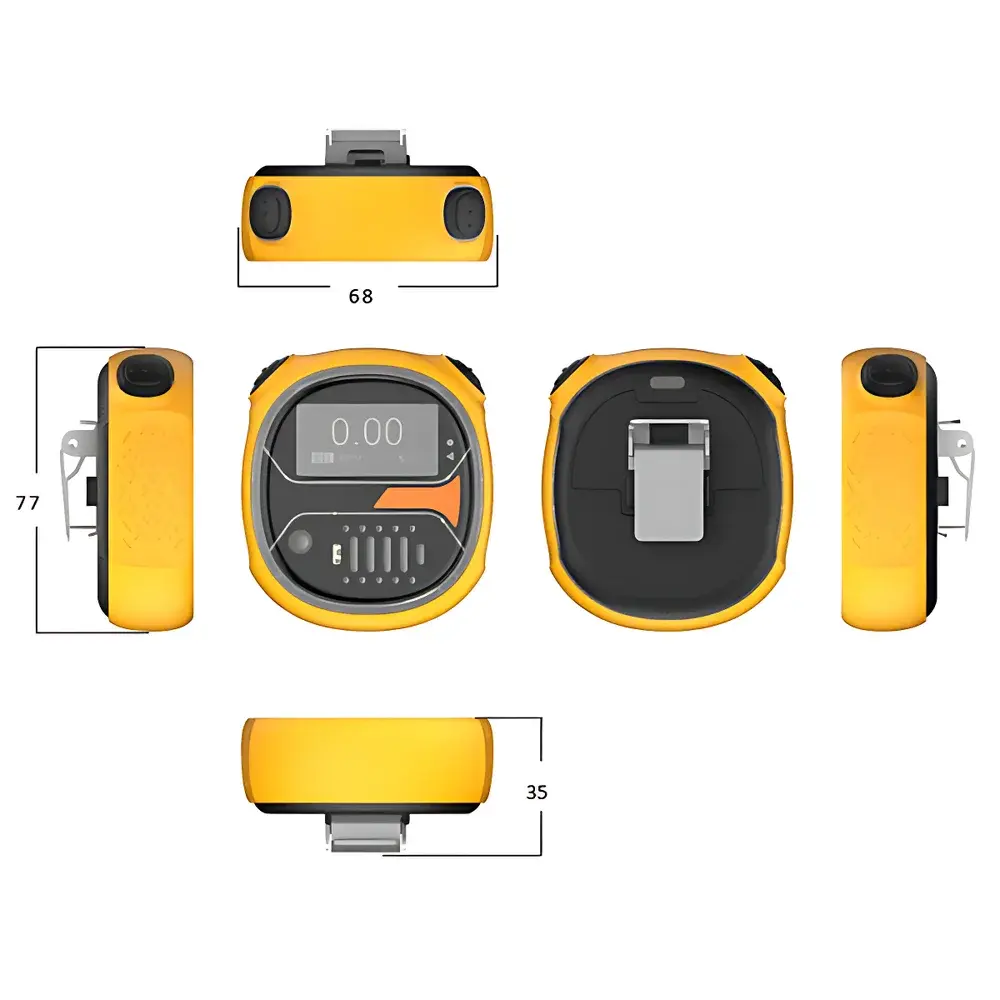
Eranntex MS104K-S-H2 Portable Diffusion Hydrogen Gas Detector
| Brand | Eranntex |
|---|---|
| Origin | Shenzhen, China |
| Manufacturer Type | Original Equipment Manufacturer (OEM) |
| Country of Origin | China |
| Model | MS104K-S-H2 |
| Pricing | Upon Request |
Overview
The Eranntex MS104K-S-H2 is a compact, intrinsically safe, portable diffusion-type hydrogen (H₂) gas detector engineered for rapid, reliable, and field-deployable concentration monitoring in hydrogen energy infrastructure and industrial safety applications. It operates on electrochemical sensing principles optimized for H₂ detection across multiple calibrated ranges — from trace-level (0–10 ppm) to high-concentration (up to 100% LEL or 100% vol) — with configurable measurement units including ppm, %LEL, %vol, mg/m³, and µmol/mol. Designed for continuous operation in demanding environments — including hydrogen refueling stations, electrolyzer enclosures, pipeline integrity inspection, and fuel cell maintenance zones — the instrument features ultra-low power consumption, enabling up to one year of standby life on a single 1680 mAh non-rechargeable battery. Its diffusion-based sampling eliminates the need for external pumps or sample lines, ensuring immediate response (T90 ≤ 30 s) and fast recovery (<30 s), critical for real-time leak assessment and personnel safety verification.
Key Features
- Intrinsically safe design certified to Exia II C T4 Ga per GB 3836.1–2010 and GB 3836.4–2010, suitable for Zone 0/1 hazardous areas
- IP66-rated enclosure — fully dust-tight and protected against powerful water jets
- Multi-gas capability: simultaneous detection of up to four gases (H₂ primary; optional CO, O₂, H₂S, combustible gas, etc.)
- High-resolution display: wide-view dot-matrix LCD showing real-time concentration, alarm status, battery level, and sensor health indicators
- Comprehensive alarm system: user-configurable audible, visual, and vibratory alerts with multiple modes — low/high, TWA/STEL, interval, and fault-based triggers
- Advanced calibration management: auto-zero tracking, multi-point calibration support, and misoperation prevention logic that blocks invalid calibration inputs
- Dual power options: standard 1680 mAh replaceable lithium battery (1-year standby); optional 500 mAh rechargeable Li-ion variant
- Integrated infrared communication as standard; Bluetooth 5.0 and LoRaWAN modules available as factory-installed options
Sample Compatibility & Compliance
The MS104K-S-H2 is validated for ambient-temperature diffusion sampling of hydrogen in air under non-condensing conditions (−20 °C to +70 °C operating temperature; −40 °C to +70 °C sample gas temperature). Optional high-temperature sampling handle extends usability to flue gas or process stream monitoring at up to 400 °C. The device complies with GB 15322.3–2019 for portable combustible gas detectors and meets metrological requirements under China’s CPA (China Metrology Accreditation) certification framework. While not CE-marked or ATEX-certified out-of-box, its intrinsic safety architecture and documented test reports support third-party conformity assessments for IECEx, UL 913, or CSA C22.2 No. 152 compliance when integrated into broader safety systems. All sensors undergo factory calibration traceable to NIM (National Institute of Metrology, China) standards, with documented uncertainty ≤ ±2% FS and repeatability ≤ ±2%.
Software & Data Management
Data logging is performed internally with 20,000-entry capacity, supporting time-stamped event recording (alarms, calibrations, zero adjustments) and configurable storage intervals (1 s to 24 h). Logged data is exportable via IR interface to Windows-based configuration software, which provides trend visualization, report generation (PDF/CSV), and audit-ready calibration logs. The firmware supports GLP-compliant operation: all user actions are timestamped and immutable; calibration history includes operator ID, date, span gas concentration, and pass/fail status. Optional cloud connectivity (via Bluetooth or LoRa gateway) enables remote fleet monitoring, geotagged inspection records, and automated alert forwarding — aligning with ISO 45001 occupational health surveillance workflows and hydrogen facility digital twin integration.
Applications
This detector serves critical roles across the hydrogen value chain: pre-commissioning leak testing of PEM electrolyzers and compression skids; routine patrol monitoring at hydrogen refueling stations (HRS) per SAE J2601 and ISO/TS 19880-1; confined-space entry verification in ammonia cracking facilities; post-maintenance verification in fuel cell stack enclosures; and emergency response during transport incident mitigation. It is also deployed in pharmaceutical cleanroom inerting validation, semiconductor fab H₂ line integrity checks, and biogas upgrading plant safety interlocks. Its lightweight form factor (≤150 g) and ergonomic back-clip mounting make it ideal for hands-free use during extended field inspections or mobile technician workflows.
FAQ
What hydrogen concentration ranges does the MS104K-S-H2 support?
Standard configurations include 0–1000 ppm, 0–40,000 ppm, and 0–100% LEL. Custom ranges (e.g., 0–1 ppm for purity verification or 0–100% vol for purge monitoring) are available upon request.
Is the instrument compatible with international calibration gases?
Yes — calibration is performed using NIST-traceable or equivalent certified reference materials (CRM) in air matrix; certificates of analysis are supplied with each calibration kit.
Can the device be used in explosive atmospheres classified under IEC 60079?
While certified to Chinese GB 3836 standards (Exia II C T4 Ga), formal IECEx or ATEX certification requires additional regional type examination; contact Eranntex engineering for supported certification pathways.
Does the firmware support regulatory audit trails per FDA 21 CFR Part 11?
The current firmware provides electronic audit logs with timestamps and action types, but full Part 11 compliance (e.g., electronic signatures, role-based access control) requires custom firmware development under OEM agreement.
How often should sensor calibration be performed?
Initial calibration is recommended before first use; bump testing every 24 hours is advised in critical applications; full calibration every 3–6 months or after exposure to extreme conditions, per OSHA 1910.120 and ISO 10156 guidelines.





