
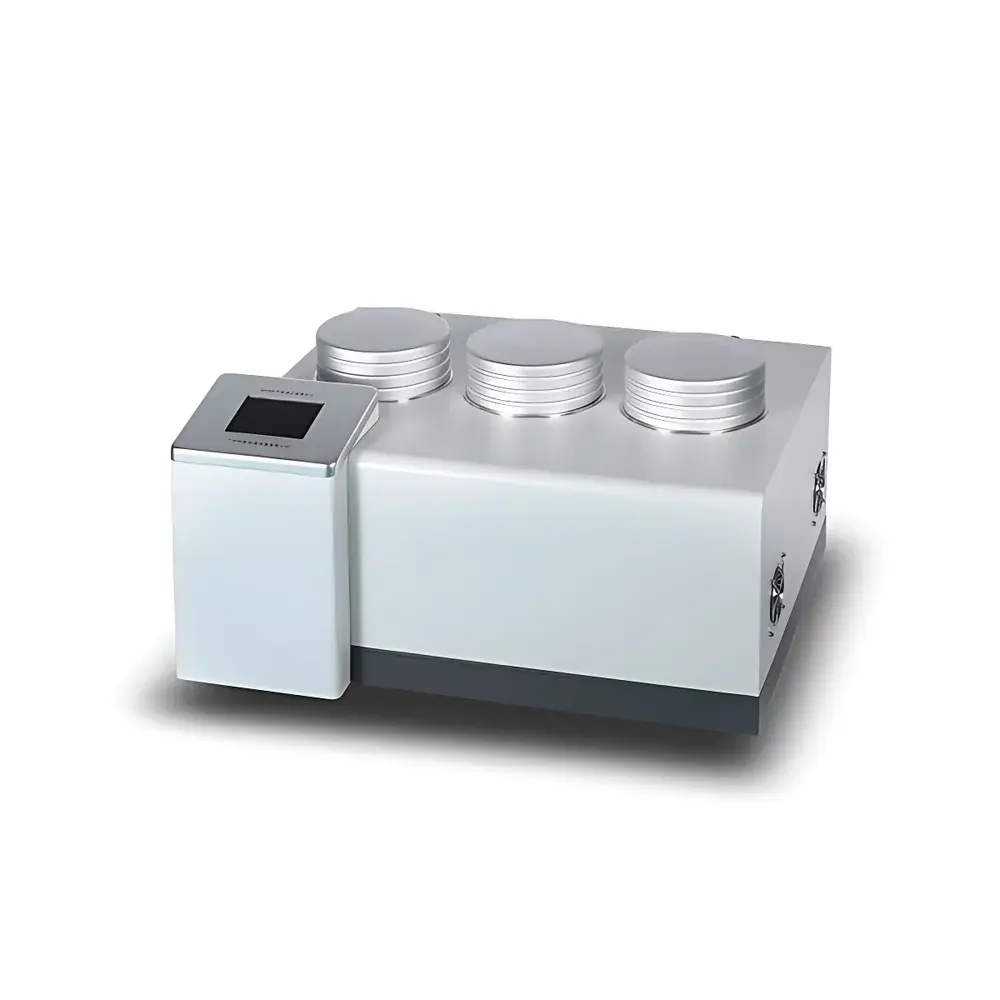
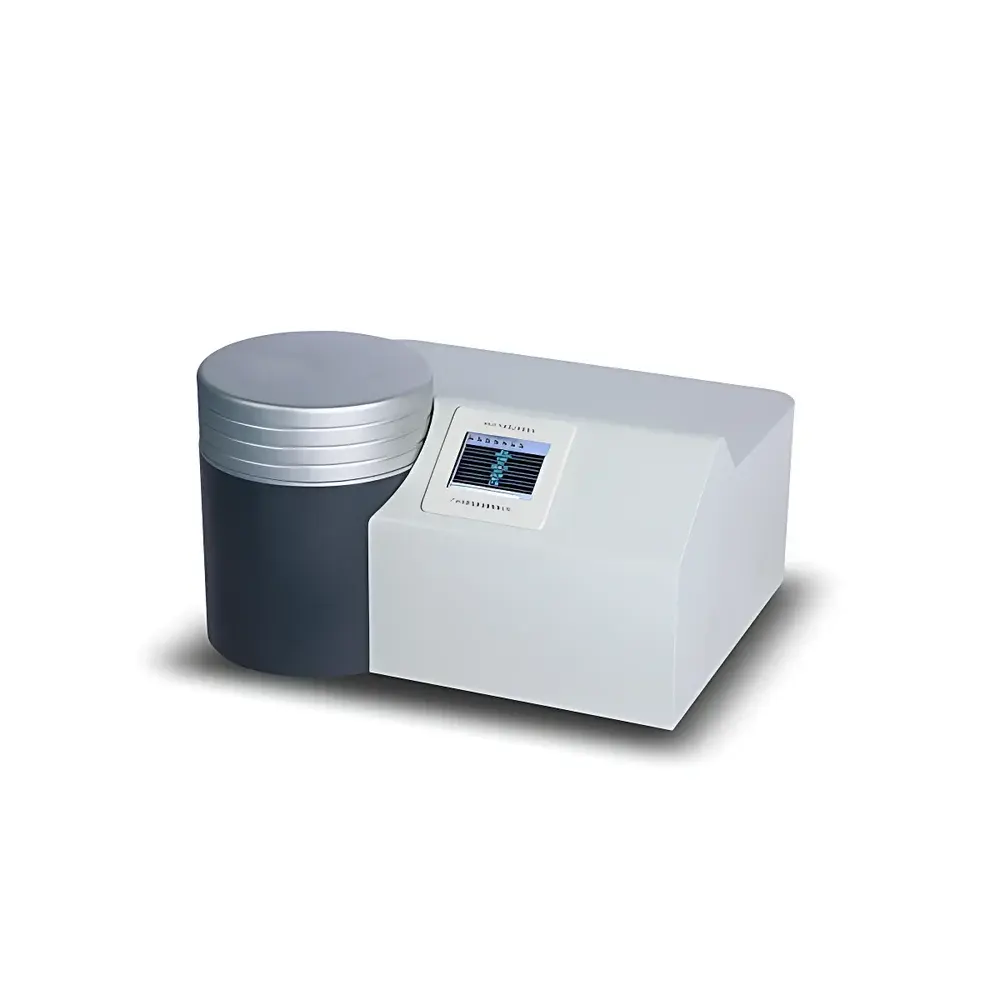
GBPI N530-S Differential Pressure Gas Permeability Tester
| Brand | GBPI |
|---|---|
| Origin | Guangdong, China |
| Manufacturer Type | Direct Manufacturer |
| Country of Origin | China |
| Model | N530-S |
| Price Range | USD 14,000 – 70,000 |
| Test Gases | O₂, CO₂, N₂ |
| Measurement Principle | Differential Pressure (Manometric) Method |
| Standard Compliance | GB/T 1038-2000, ISO 2556:1974, ISO 15105-1:2007, ASTM D1434-2013, JIS K7126-1:2006, YBB 00082003-2015 |
| Test Range | 0.02–500,000 cm³/(m²·24h·0.1 MPa) (expandable to 600,000 cm³/(m²·24h·0.1 MPa) with optional volume extension) |
| Resolution | 0.001 cm³/(m²·24h·0.1 MPa) |
| Temperature Control | 15–60 °C ±0.1 °C |
| Vacuum Level | <20 Pa |
| Vacuum Resolution | 0.01 Pa |
| Test Pressure Range | −0.1 to +0.1 MPa |
| Gas Supply Pressure | 0.2–0.8 MPa |
| Sample Area | 50.24 cm² (Ø110 mm) |
| Max Sample Thickness | 2 mm |
| Chamber Configuration | Triple independent test chambers |
| Power | 1000 W |
| Dimensions | 800 × 560 × 400 mm |
| Weight | 100 kg |
| Electrical Supply | AC 220 V, 50 Hz |
Overview
The GBPI N530-S Differential Pressure Gas Permeability Tester is a precision-engineered instrument designed for quantitative determination of gas transmission rates (GTR) through packaging and barrier materials under controlled pressure differentials. It operates on the manometric differential pressure principle—where a known pressure gradient is established across a sealed sample, and the time-dependent accumulation of permeant gas in a calibrated measurement chamber is monitored via high-resolution pressure transducers and temperature-stabilized sensors. This method conforms to internationally recognized standards including ISO 2556, ASTM D1434, and GB/T 1038, ensuring traceable, reproducible, and inter-laboratory comparable results. The system is optimized for routine quality control and R&D applications where regulatory compliance, data integrity, and multi-gas flexibility are critical—particularly in pharmaceutical packaging validation, food shelf-life modeling, and advanced material development.
Key Features
- Triple independent test chambers enable parallel analysis of up to three specimens—identical or dissimilar—with fully autonomous control of pressure, temperature, and gas type per chamber.
- High-accuracy thermal regulation using electromagnetic step-controlled Peltier elements maintains chamber temperature within ±0.1 °C across the 15–60 °C range, minimizing thermal drift during extended tests.
- ARM-based embedded controller supports standalone operation; no external PC required for basic testing, data logging, or real-time visualization on the integrated 7-inch color touchscreen.
- Automatic pressure-differential maintenance ensures stable ΔP across the sample throughout the test cycle—configurable from 0.01 to 0.1 MPa—with dynamic compensation for gas compressibility and sensor drift.
- Multi-mode permeability measurement: selectable high-, medium-, and low-barrier modes optimize signal-to-noise ratio for materials ranging from ultra-high-barrier aluminum foil (GTR < 0.1 cm³/(m²·24h·0.1 MPa)) to highly permeable elastomers.
- GMP-aligned software architecture compliant with FDA 21 CFR Part 11 and EU Annex 11 requirements—including role-based user authentication, audit trail (system, method, and run-level), electronic signatures, and immutable data archiving.
Sample Compatibility & Compliance
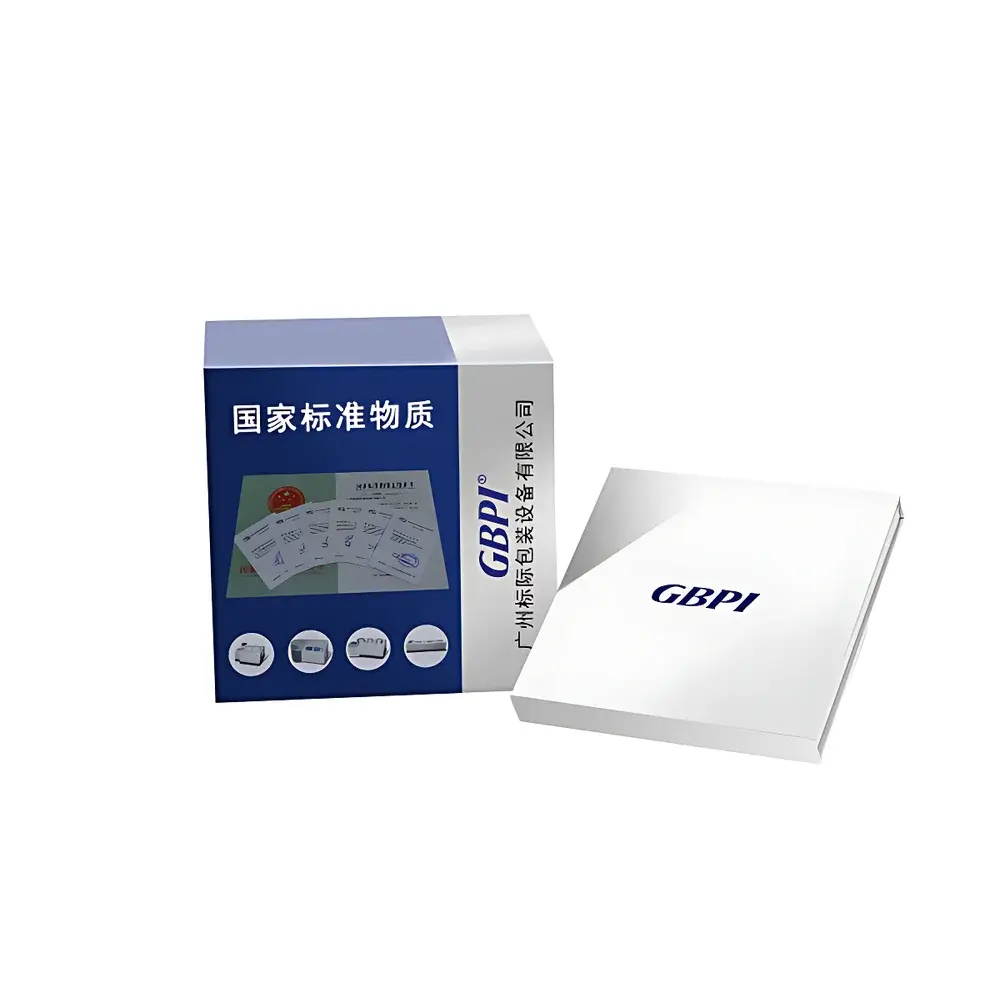
The N530-S accommodates flat sheet specimens up to Ø110 mm and 2 mm thick—including monolayer and multilayer polymer films, metallized substrates, laminates, foils, rubber sheets, ceramic wafers, and rigid plastic panels. With optional accessory kits (e.g., container adapters, dome fixtures, and custom sealing gaskets), it extends functionality to evaluate gas permeation through 3D packaging forms such as pouches, bottles, trays, and blister cavities. All hardware and software modules comply with ISO/IEC 17025 calibration traceability requirements. Instrument verification is supported via certified reference standards (GBW(E)130541/2), enabling in-house calibration against NIST-traceable gas permeability reference materials. Full documentation packages—including IQ/OQ protocols, calibration certificates, and standard operating procedures—are available upon request for regulated environments.
Software & Data Management
The proprietary PermeaControl™ software provides intuitive workflow management—from method creation and parameter assignment to automated reporting and long-term data governance. Real-time plotting displays concurrent curves for differential pressure, absolute pressure, chamber temperature, and cumulative gas transmission. All raw sensor data are stored in an encrypted SQLite database with timestamped metadata. Reports conform to GLP/GMP templates and export natively to PDF, Excel (.xlsx), and CSV formats. Audit trails record every user action—including login/logout events, method edits, result modifications, and calibration interventions—with immutable timestamps and operator IDs. Data backups can be scheduled to network drives or external USB storage, supporting 21 CFR Part 11-compliant electronic records retention.
Applications
This instrument serves mission-critical roles across multiple regulated sectors: pharmaceutical packaging qualification (e.g., blister foil integrity, vial stopper permeability, and pouch seal barrier performance); food packaging shelf-life prediction (O₂ ingress into snack bags, CO₂ loss from carbonated beverage pouches); medical device packaging validation (sterility maintenance per ISO 11607); electronics encapsulation testing (moisture vapor transmission in OLED backsheet laminates); and advanced material R&D (nanocomposite barrier films, biodegradable polymers, and functional coatings). Its adaptability to diverse gases and geometries makes it equally suitable for academic research labs investigating structure–property relationships in polymeric membranes or thin-film gas separation layers.
FAQ
What gas types can be tested with the N530-S?
O₂, CO₂, N₂, and other non-corrosive gases with known compressibility factors may be used—provided appropriate gas supply lines, regulators, and purity (>99.999% for O₂) are implemented.
Does the system support container testing?
Yes—via optional container test kits, including vacuum-sealed dome fixtures and custom adapters for bottles, cups, and flexible pouches.
Is third-party calibration and certification available?
GBPI provides factory calibration reports traceable to national standards; accredited third-party calibration (e.g., CNAS or A2LA) can be arranged separately.
Can test methods be locked to prevent unauthorized modification?
Yes—administrator-level users may freeze method parameters, disable editing rights, and enforce version-controlled method libraries.
What is the minimum detectable transmission rate?
The base configuration achieves a resolution of 0.001 cm³/(m²·24h·0.1 MPa), with enhanced sensitivity available in low-barrier mode for ultra-low-permeability materials.
How is data security ensured during remote access or network integration?
All network communications use TLS 1.2 encryption; local database access requires authenticated login; no cloud synchronization occurs without explicit user consent and configuration.




