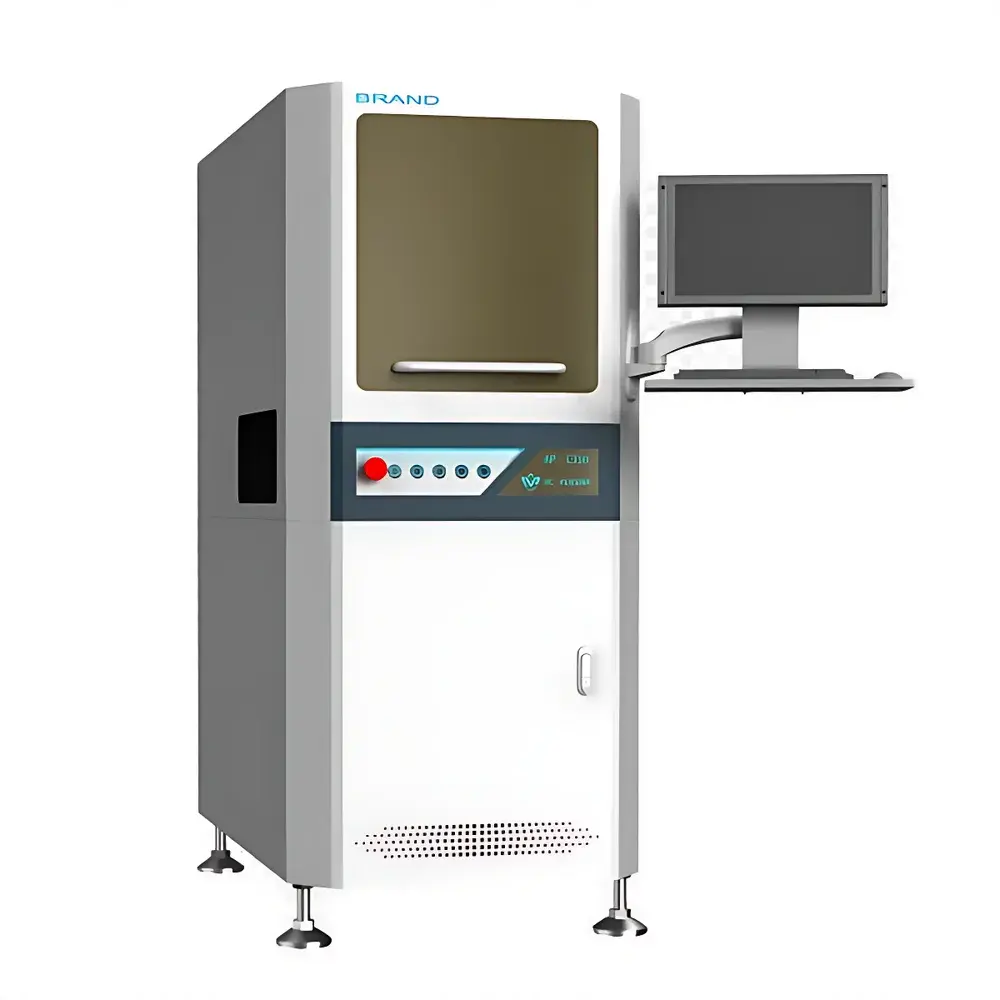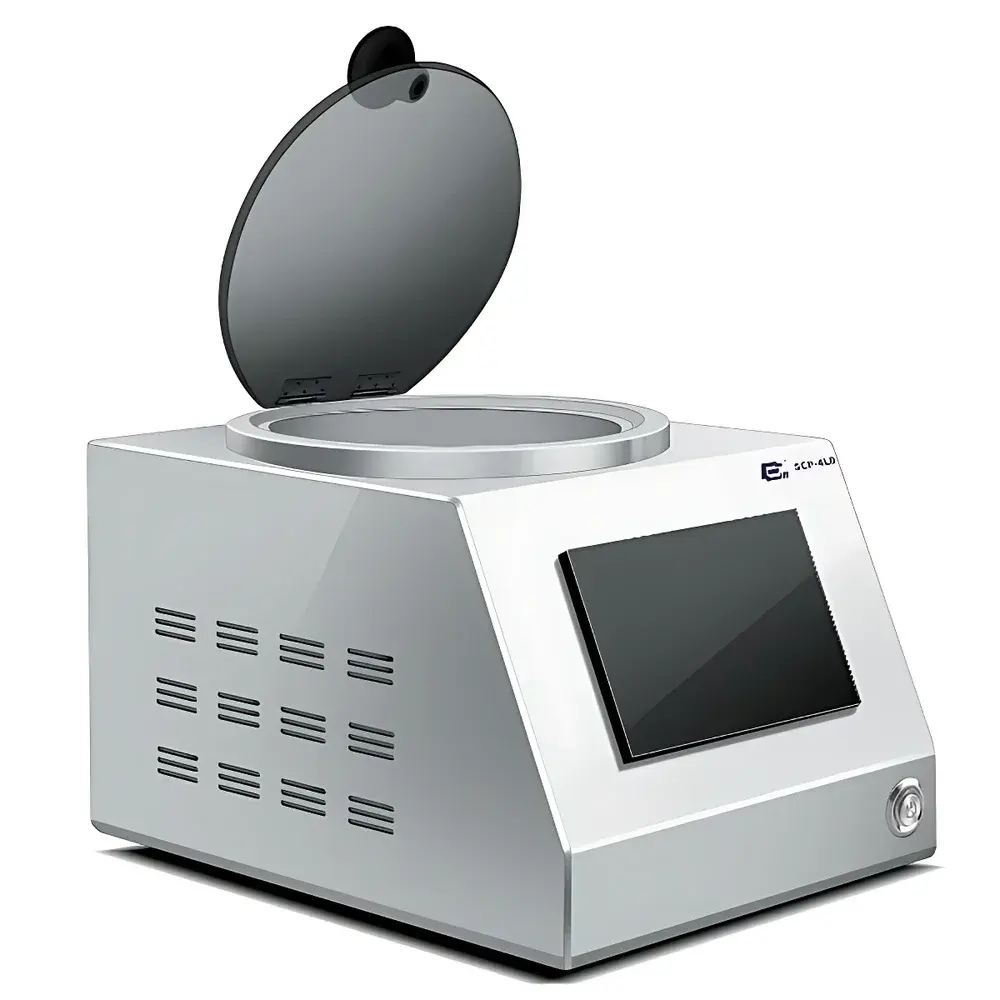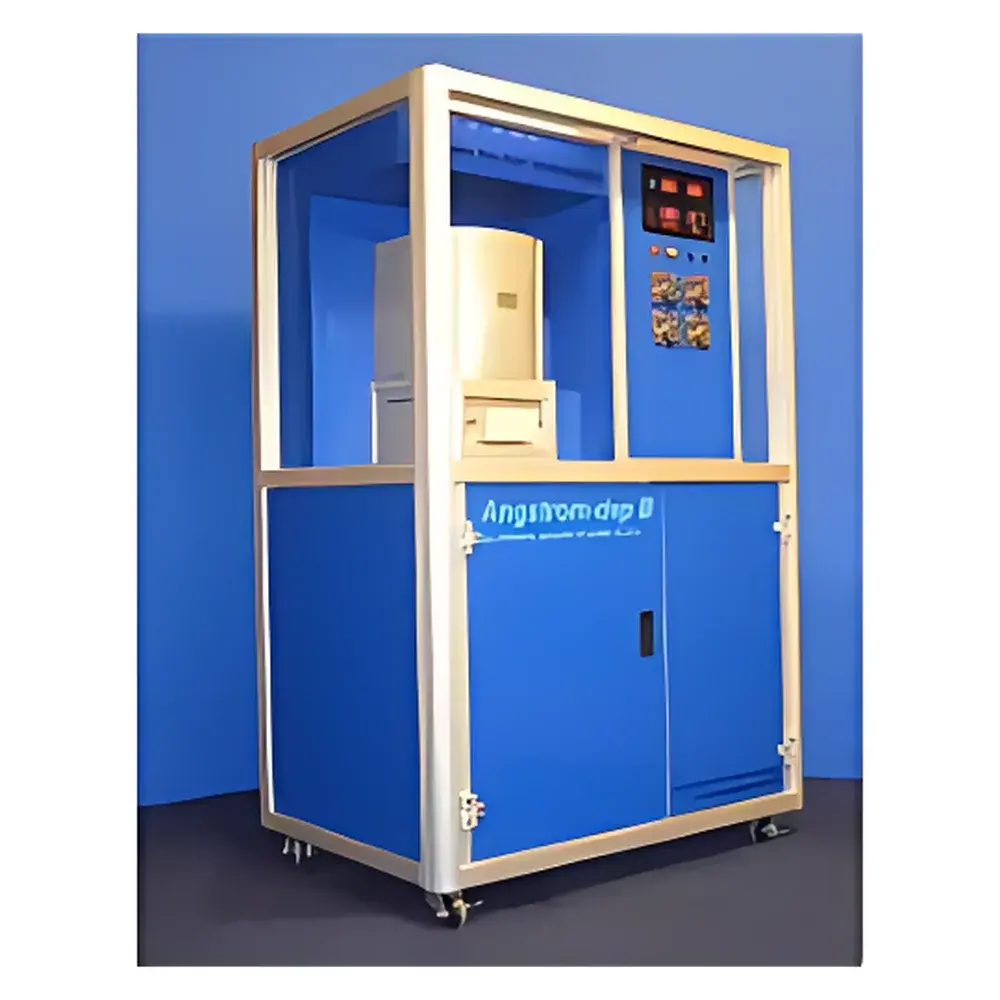
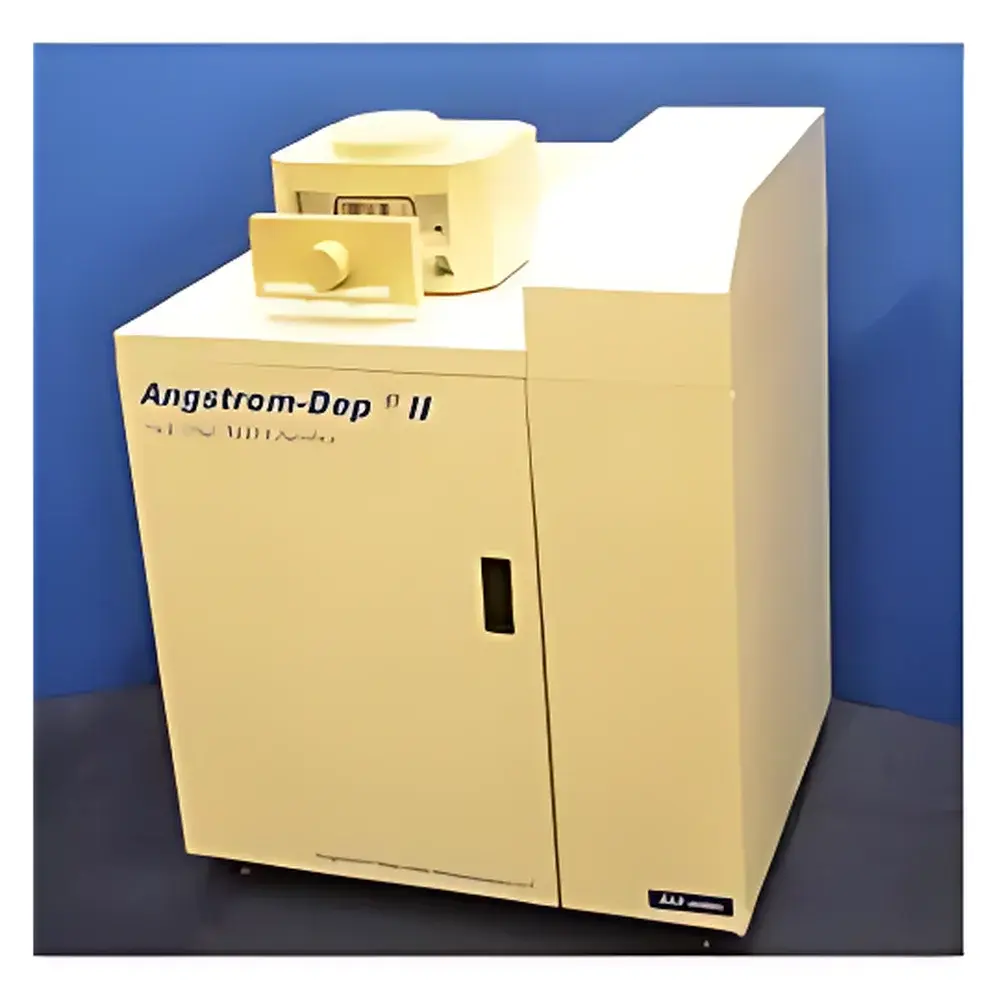
Angstrom Dep I Powder Atomic Layer Deposition System
| Brand | Angstrom (USA) |
|---|---|
| Origin | USA |
| Model | Angstrom Dep I |
| Substrate Size | 4–12 inch wafers |
| Process Temperature | Up to 650 °C (optional) |
| Precursor Lines | 4–10 channels |
| Uniformity | <1.5% (RMS, Al₂O₃ on 4″ Si wafer) |
| Weight | 200 kg |
| Dimensions (W × H × D) | 85 × 65 × 180 cm |
Overview
The Angstrom Dep I Powder Atomic Layer Deposition (Powder ALD) System is a purpose-engineered thin-film synthesis platform designed for conformal, atomic-scale coating of high-surface-area particulate materials—including nanoparticles, metal-organic frameworks (MOFs), catalyst powders, battery electrode materials, and porous ceramics. Unlike conventional thermal or plasma-enhanced ALD systems optimized for planar wafers, the Angstrom Dep I integrates a fluidized-bed or rotating-drum reactor architecture that ensures uniform precursor exposure across irregular, three-dimensional particle geometries. It operates on the fundamental ALD principle of self-limiting surface reactions: sequential, pulsed introduction of gaseous precursors separated by inert purge steps, enabling sub-nanometer thickness control, exceptional step coverage (>95% in pores >10 nm), and stoichiometric precision without line-of-sight constraints. This makes it indispensable for R&D and pilot-scale fabrication in next-generation energy storage, heterogeneous catalysis, functional pigments, and biomedical nanomaterials.
Key Features
- Fluidized-bed or rotary powder reactor with programmable rotation speed and gas flow distribution for homogeneous precursor diffusion through dense particle beds
- High-temperature capability up to 650 °C, supporting thermally demanding chemistries (e.g., TiN, HfO₂, TaN) and post-deposition annealing in situ
- Modular precursor delivery: 4–10 independently controlled Swagelok® high-temperature ALD valves (rated to 250 °C), each with selectable source temperature (RT–250 °C) and 100 mL capacity
- Integrated vacuum system featuring Alcatel dry mechanical pump; optional Pfeiffer HiPace molecular pump or Edwards nXDS high-speed dry pump for ultra-low base pressure (<1×10⁻⁷ mbar)
- Real-time process monitoring interfaces for mass flow controllers (MFCs), pressure transducers, and optional in-situ ellipsometry or quartz crystal microbalance (QCM) modules
- Full compatibility with reactive co-reactants including O₃, NH₃, H₂, N₂H₄, and plasma-generated radicals via integrated RF or microwave plasma source (optional)
Sample Compatibility & Compliance
The Angstrom Dep I accommodates free-flowing powders ranging from 10 nm to 500 µm in primary particle size, with batch capacities from 0.1 g to 500 g depending on density and reactor configuration. It supports conductive, insulating, and hygroscopic substrates—including LiCoO₂, Si nanoparticles, carbon black, zeolites, and polymer microspheres—without agglomeration or thermal degradation under optimized pulsing protocols. All wetted components are electropolished 316L stainless steel or quartz-lined; gas lines meet ASTM F2257 standards for semiconductor-grade ALD systems. The system complies with ISO 14644-1 Class 5 cleanroom integration requirements and supports GLP/GMP documentation workflows, including audit trails, electronic signatures, and 21 CFR Part 11–compliant software logging when paired with optional validation packages.
Software & Data Management
Control is executed via Angstrom’s proprietary ALD Commander™ software—a Windows-based, multi-user interface with real-time graphical process visualization, recipe versioning, and automated calibration logging. Each deposition run generates timestamped metadata files containing MFC setpoints, chamber pressure profiles, valve actuation sequences, and temperature ramp histories. Raw data exports to CSV, HDF5, or MATLAB-compatible formats. Optional add-ons include remote monitoring via TLS-secured web dashboard, integration with LabArchives ELN, and IQ/OQ/PQ documentation templates aligned with ISO/IEC 17025 and SEMI S2/S8 safety standards.
Applications
- Surface passivation of silicon anode particles for Li-ion batteries (e.g., Al₂O₃, Li₃PO₄ coatings improving cycle life >500 cycles)
- Atomic-layer encapsulation of plasmonic nanoparticles (Au, Ag) to prevent oxidation while preserving optical response
- Functionalization of MOF-5 and UiO-66 for selective CO₂ capture via tailored amine grafting (e.g., TMA + ethanolamine cycles)
- Conformal nitride barriers (TiN, TaN) on Ni-rich NMC cathodes to suppress interfacial side reactions at high voltage
- Deposition of catalytically active overlayers (Pt, RuO₂) on mesoporous carbon supports for PEM fuel cell electrodes
- Preparation of core–shell quantum dot phosphors (e.g., CdSe@ZnS) with precisely tuned shell thickness for display applications
FAQ
What powder morphologies are compatible with the Angstrom Dep I?
Spherical, irregular, fibrous, and aggregated particles are supported—provided they remain fluidizable or evenly distributed in the reactor. Agglomeration-prone samples (e.g., hydrophilic oxides) may require pre-treatment or carrier-gas humidity control.
Can the system deposit multilayer heterostructures on powders?
Yes. Sequential ALD cycles (e.g., Al₂O₃/TiO₂/Al₂O₃) are fully programmable with independent precursor routing and purge optimization per layer.
Is ozone integration available for low-temperature oxide growth?
Yes. An integrated ozone generator (10–200 g/h output, 10–15 wt% concentration) is offered as a factory-installed option for ALD of Al₂O₃, ZnO, or SnO₂ below 150 °C.
How is film thickness uniformity validated on powder substrates?
Uniformity is verified using cross-sectional TEM of embedded particles, XPS depth profiling, and BET surface area reduction analysis—typically reporting RMS variation ≤1.5% across ≥5 representative sample aliquots.
Does the system support hazardous precursors such as TMA or DEZ?
Yes. All precursor lines feature double-contained VCR fittings, leak-tested to <1×10⁻⁹ mbar·L/s He, and integrate with optional abatement (scrubber or thermal oxidizer) per OSHA and local EPA guidelines.