Tianyan TY-MB96L Microplate Reader for ELISA and Absorbance-Based Assays
| Brand | Tianyan |
|---|---|
| Origin | Shandong, China |
| Model | TY-MB96L |
| Detection Method | Absorbance (Photometric) |
| Function Type | Multifunctional |
| Automation Level | Fully Automated |
| Detector Type | Photodiode-based Absorbance Detector |
| Wavelength Range | 340–750 nm |
| Precision | CV ≤ 0.2% (0–3 Abs), CV ≤ 1.0% (3–4 Abs) — Standard Measurement Mode (@405 nm) |
| Filter Wheel | 8-position, 4 standard filters included (405/450/492/630 nm), optional filters available across 340–750 nm |
| Read Range | 0–4.000 Abs |
| Resolution | 0.001 Abs |
| Linearity | ±1% (0–3.0 Abs), ±2% (3.0–4.0 Abs) @405 nm |
| Accuracy | ±1% (0–3 Abs), ±2% (3–4 Abs) @405 nm |
| Reading Speed | <6 s (96-well plate, rapid mode) |
| Memory Capacity | 200 protocols + 100,000 96-well results |
| Display | 7″ color TFT-LCD touchscreen (1280×800 px) |
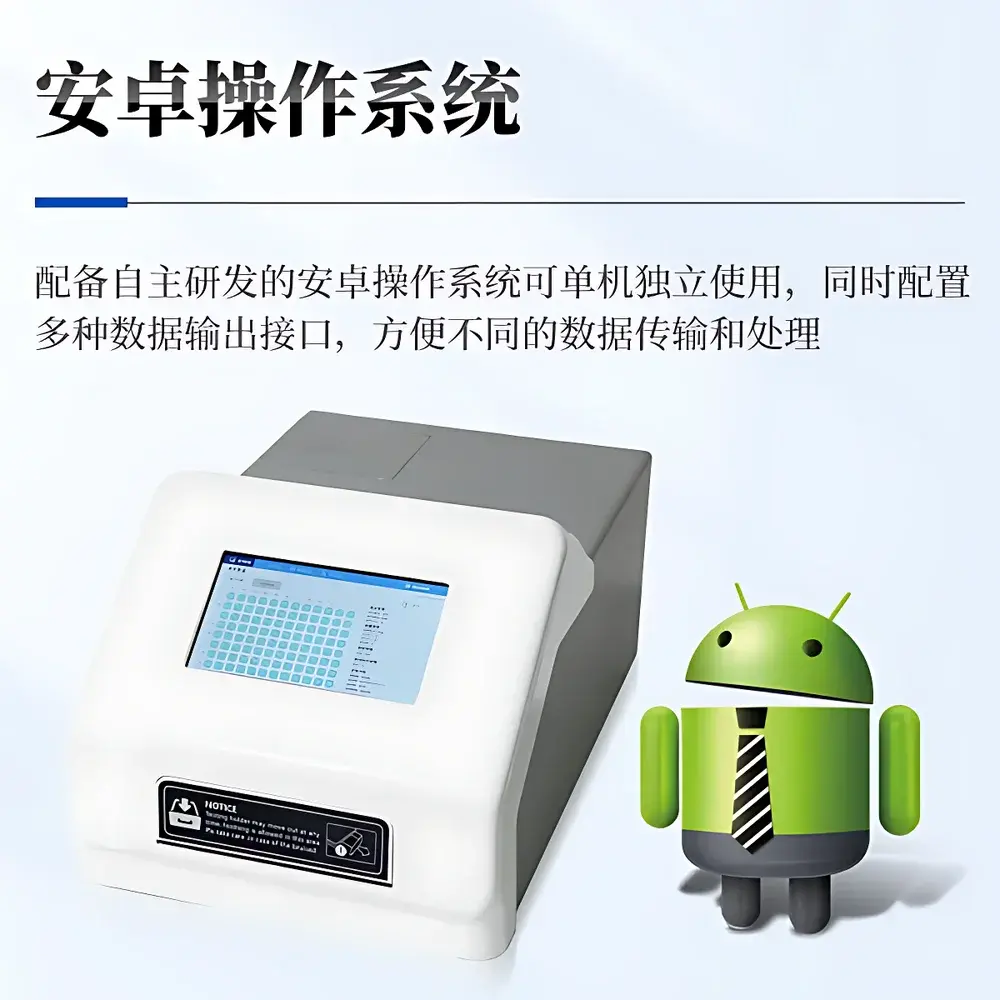
| OS | Embedded Android-based firmware |
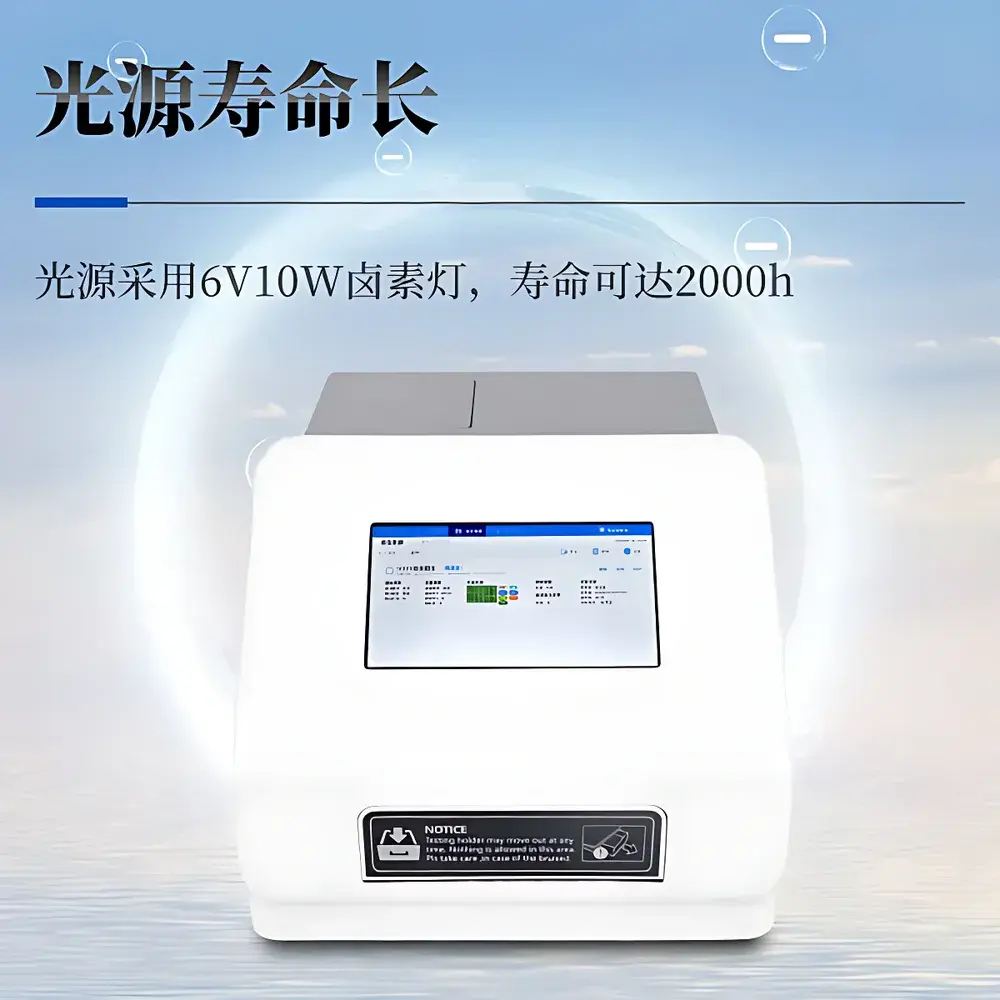
| Light Source | 6 V / 10 W halogen lamp (rated lifetime: 2000 h) |
| Interfaces | 3 × USB (for PC, printer, USB storage) |
| Dimensions (W×D×H) | 440 × 295 × 225 mm |
| Weight | 10 kg |
| Power Supply | AC 100–240 V, 50–60 Hz, 2 A |
Overview
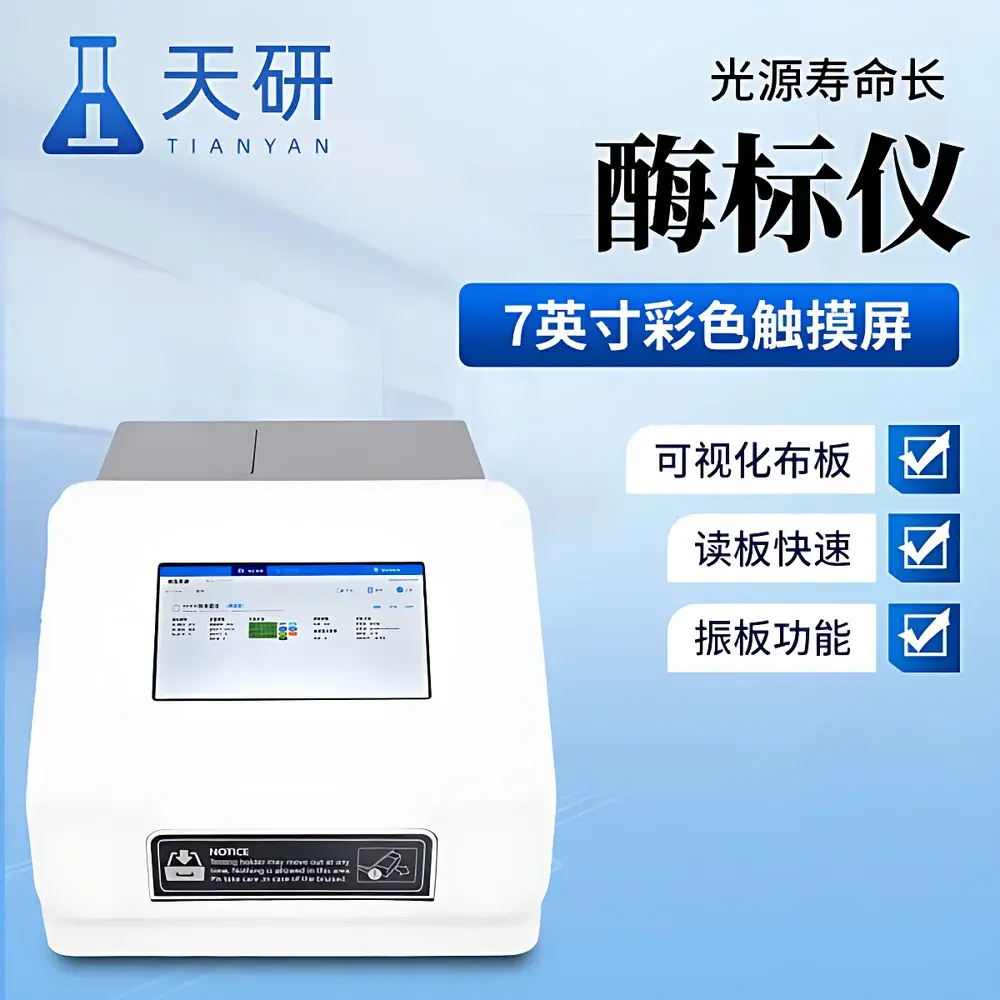
The Tianyan TY-MB96L Microplate Reader is a fully automated, absorbance-based photometric instrument engineered for quantitative analysis in enzyme-linked immunosorbent assay (ELISA), cell viability assays (e.g., MTT, CCK-8), protein quantification (e.g., Bradford, BCA), and other colorimetric applications requiring high reproducibility and operational simplicity. It operates on the principle of monochromatic light transmission through sample wells in standard 96-well microplates, with optical density (OD) measured via a calibrated photodiode detector. The system employs fixed-wavelength interference filters mounted on an 8-position rotating wheel, enabling precise spectral selection without mechanical recalibration. Designed for routine laboratory environments—including clinical diagnostics labs, academic research cores, and QC/QA units—the TY-MB96L delivers robust performance within the full visible spectrum (340–750 nm), supporting widely adopted ELISA wavelengths such as 405 nm (TMB substrate), 450 nm (standard ELISA endpoint), 492 nm (alternative TMB readout), and 630 nm (reference correction). Its embedded Android-based firmware eliminates dependency on external PCs during routine operation, while maintaining full compatibility with LIMS and laboratory data management workflows.
Key Features
- 7-inch high-resolution color touchscreen (1280 × 800 px) with intuitive graphical interface—no physical keyboard required
- Integrated Android-derived operating system enabling standalone protocol execution, real-time result visualization, and on-device data management
- Modular 8-position filter wheel with four factory-installed filters (405/450/492/630 nm); additional filters spanning 340–750 nm are field-replaceable without tools or service intervention
- Dual-mode reading: rapid (<6 s per 96-well plate) and standard modes (single/dual wavelength), with automatic plate positioning and optical path self-diagnosis
- Vibrational mixing function with adjustable speed and duration for homogeneous sample suspension prior to measurement
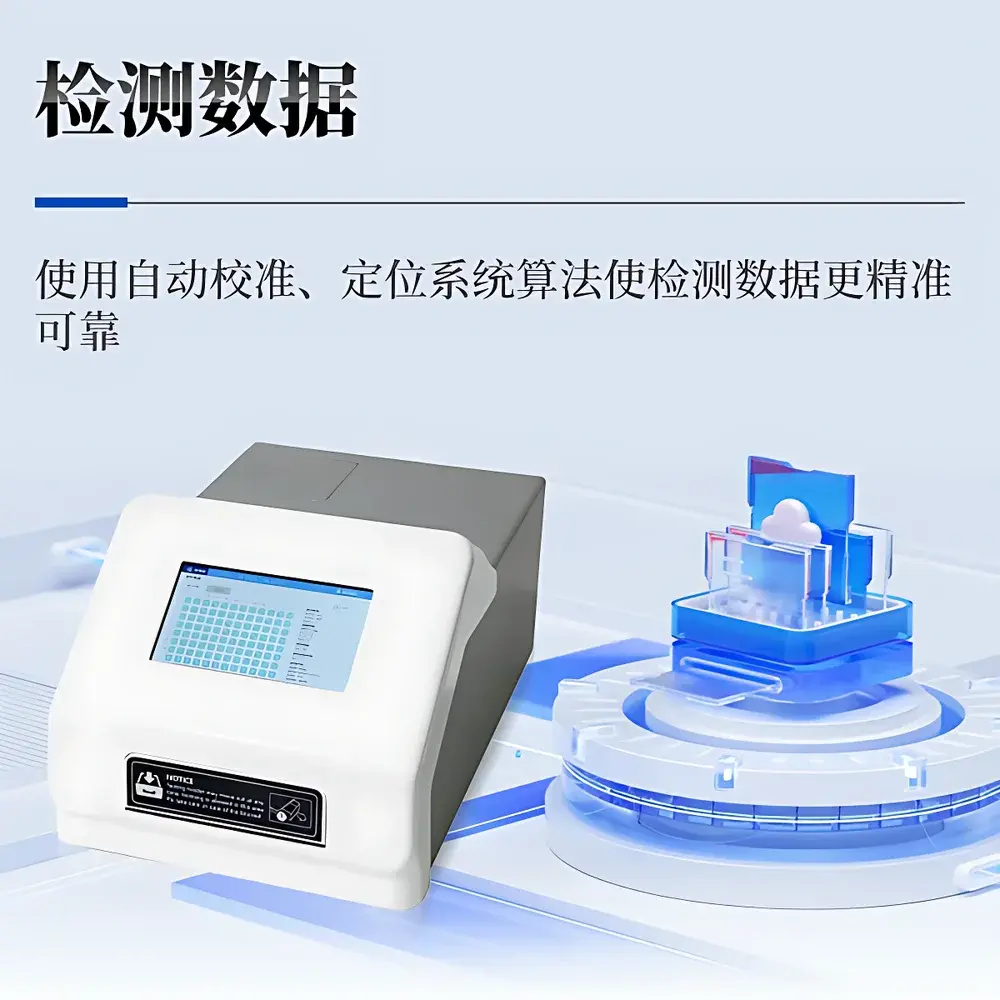
- Self-calibrating optical system with auto-alignment and diagnostic routines for lamp intensity, filter positioning, and detector response stability
- Extended halogen light source (6 V / 10 W) rated for 2000 hours of continuous operation—designed for low-maintenance, long-term deployment
- Onboard memory stores up to 200 user-defined protocols and 100,000 complete 96-well datasets; export via USB mass storage device
Sample Compatibility & Compliance
The TY-MB96L is compatible with all ANSI/SBS-standard 96-well microplates, including flat-bottom, U-bottom, and V-bottom configurations used in ELISA, cytotoxicity, and enzymatic kinetics assays. It supports both single- and dual-wavelength measurements to correct for background interference (e.g., turbidity, well imperfections) in accordance with CLSI EP10-A3 and ISO 15197:2013 guidelines for analytical device verification. While not certified under FDA 21 CFR Part 11 out-of-the-box, its audit-trail-capable firmware architecture—supporting timestamped protocol execution logs, user login tracking, and immutable result export—enables laboratories to implement supplementary procedural controls for GLP/GMP-aligned environments. Data integrity is reinforced by write-once USB export functionality and internal non-volatile memory with cyclic redundancy checking (CRC).
Software & Data Management
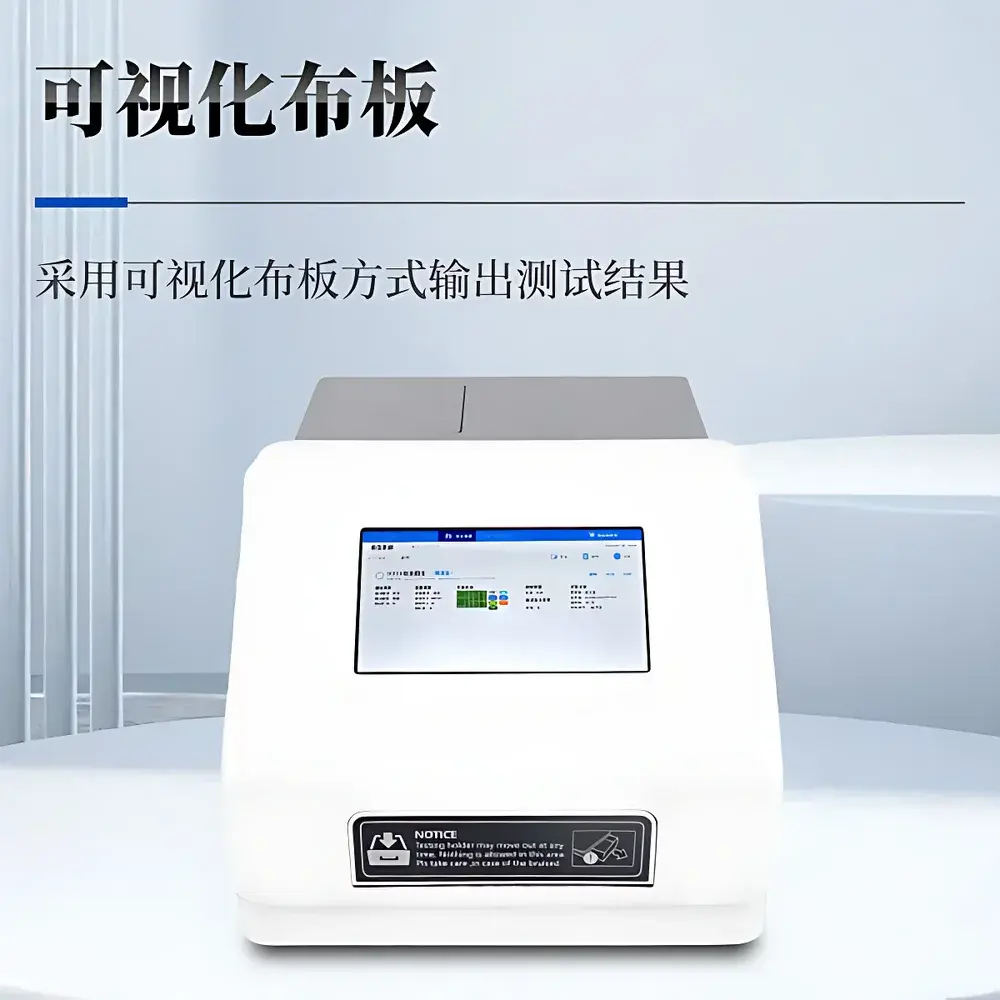
The embedded software provides full control over measurement parameters—including wavelength selection, reading mode (kinetic, endpoint, spectral scan), shaking settings, and cutoff thresholds—without requiring external software installation. Results are displayed in tabular and heatmap formats, with built-in calculation tools for concentration interpolation (4PL/5PL curve fitting), % inhibition, fold-change, and inter-plate normalization. Raw absorbance values and processed outputs are exportable in CSV format via USB drive. For integration into enterprise systems, the device supports direct connection to Windows/Linux workstations via USB virtual COM port or HID emulation, allowing scripted control using Python (pySerial), LabVIEW, or custom middleware compliant with ASTM E1384-09 (Standard Guide for Laboratory Information Management Systems).
Applications
- Quantitative ELISA for infectious disease serology (e.g., HIV, HBV, SARS-CoV-2 IgG/IgM)
- Cell proliferation and cytotoxicity assessment using tetrazolium-based dyes (MTT, XTT, WST-1)
- Protein concentration determination via Bradford, Lowry, or BCA methods
- Enzyme activity profiling (e.g., ALP, LDH, β-galactosidase) using chromogenic substrates
- Endotoxin detection via kinetic turbidimetric assays (LAL)
- Quality control of monoclonal antibody production batches in biomanufacturing support labs
FAQ
Does the TY-MB96L support kinetic measurements?
Yes—it offers time-resolved endpoint and kinetic read modes with programmable intervals ranging from 10 seconds to 24 hours.
Can I perform wavelength scanning with this instrument?
No—the TY-MB96L is a filter-based photometer and does not include a monochromator; spectral flexibility is achieved exclusively through discrete interference filters.
Is the instrument compliant with ISO 13485 or FDA 21 CFR Part 11?
It is not pre-certified, but its firmware design supports implementation of electronic signature, audit trail, and data integrity policies required under those frameworks when deployed with documented SOPs.
How is calibration verified?
The system performs automatic optical self-checks at startup and includes a dedicated calibration mode using NIST-traceable neutral density filters (optional accessory).
What is the maximum absorbance range and linearity specification?
Read range: 0–4.000 Abs; linearity is ±1% from 0–3.0 Abs and ±2% from 3.0–4.0 Abs, validated at 405 nm per manufacturer’s test report.