
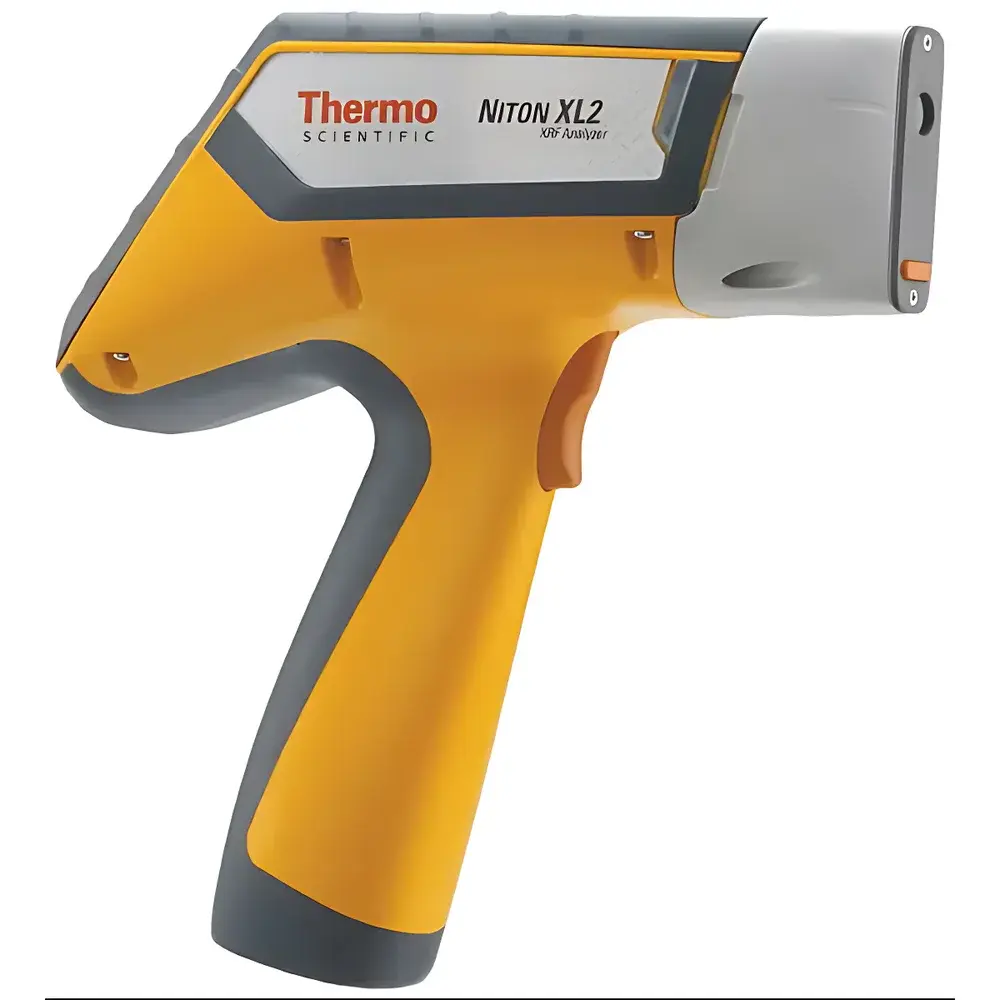
Thermo Scientific Niton XL2 Handheld Energy Dispersive X-Ray Fluorescence (EDXRF) Spectrometer
| Brand | Thermo Fisher Scientific |
|---|---|
| Origin | Shanghai, China |
| Manufacturer Type | Authorized Distributor |
| Country of Origin | China |
| Model | Niton XL2 Handheld EDXRF Spectrometer |
| Pricing | Available Upon Request |
Overview
The Thermo Scientific Niton XL2 Handheld Energy Dispersive X-Ray Fluorescence (EDXRF) Spectrometer is an industrial-grade, field-deployable elemental analyzer engineered for rapid, non-destructive qualitative and quantitative analysis of solid materials. Based on the fundamental principle of energy-dispersive X-ray fluorescence—where a high-energy X-ray beam excites atoms in a sample, causing emission of characteristic secondary X-rays—the XL2 delivers real-time elemental composition data with high spectral resolution and excellent counting statistics. Designed for operational robustness in demanding environments—including scrap yards, mining sites, manufacturing floors, and regulatory screening checkpoints—the instrument features a sealed, IP54-rated enclosure that ensures resistance to dust ingress and water splashing. Its lightweight magnesium alloy chassis, ergonomic grip, and sunlight-readable 5-inch color touchscreen enable extended use without operator fatigue. The integrated 3-megapixel camera provides precise visual registration of the analysis spot, enabling traceable spatial correlation between spectral data and physical sample location—a critical requirement for audit-ready QA/QC workflows.
Key Features
- Non-destructive, in-situ elemental analysis from sulfur (S, Z = 16) to uranium (U, Z = 92), covering over 30 elements in standard configuration
- Optimized X-ray tube and silicon drift detector (SDD) architecture delivering high count rates and improved peak-to-background ratio
- Real-time spectrum display with automatic peak identification and library-based element matching
- One-touch operation with pre-configured calibrations for common applications: Alloy ID (including Ti, Ni, Cr, Mo, Co, Al, Cu, Fe, Zn, Pb, Sn), RoHS screening (Pb, Cd, Hg, Cr, Br), mining geochemistry, and consumer product compliance
- IP54-certified rugged housing with reinforced shock-absorbing bumpers and scratch-resistant Gorilla Glass display
- Built-in GPS (optional), Bluetooth 4.2, USB 2.0, and Wi-Fi connectivity for synchronized data logging and remote firmware updates
Sample Compatibility & Compliance
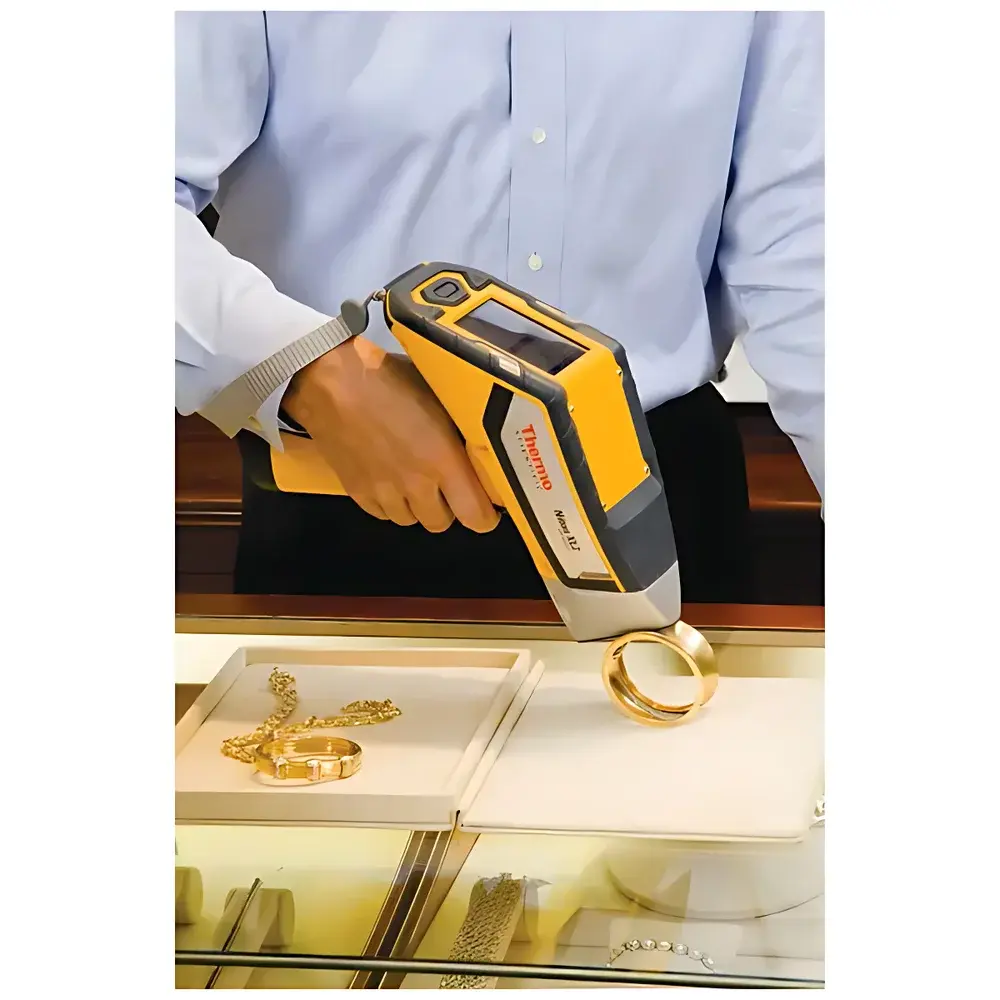
The Niton XL2 accommodates heterogeneous, irregular, and coated samples—including castings, forgings, pipes, wires, electronic components, soil cores, and painted surfaces—without requiring sample preparation. Its collimated beam geometry minimizes scatter interference, while adaptive current control ensures optimal excitation across varying matrix densities. The system complies with IEC 62471 (photobiological safety), IEC 61000-6-3 (EMC emissions), and meets Class 1 laser product requirements per IEC 60825-1. For regulated industries, the instrument supports audit-trail-enabled operation when used with NDT™ software under GLP/GMP-aligned workflows. While not FDA 21 CFR Part 11–certified out-of-the-box, its data export structure (CSV, PDF, XML) and user-access logs are compatible with validated laboratory information management systems (LIMS) implementing electronic signature and change-control protocols.
Software & Data Management
Thermo Scientific Niton Data Transfer (NDT™) software serves as the central hub for instrument configuration, report generation, and data governance. It enables role-based operator permissions (e.g., analyst, supervisor, administrator), customizable report templates compliant with ISO/IEC 17025 documentation standards, and certificate-of-analysis printing with embedded spectra and metadata. All measurements are timestamped, geotagged (when GPS enabled), and stored with full spectral raw data. NDT™ supports batch export to LIMS or ERP platforms via ODBC or RESTful API integration. Firmware updates and method deployment can be performed remotely via secure HTTPS connection, reducing downtime during fleet-wide deployments.
Applications
- Metal scrap sorting and positive material identification (PMI) per ASTM E2857 and ISO 11582
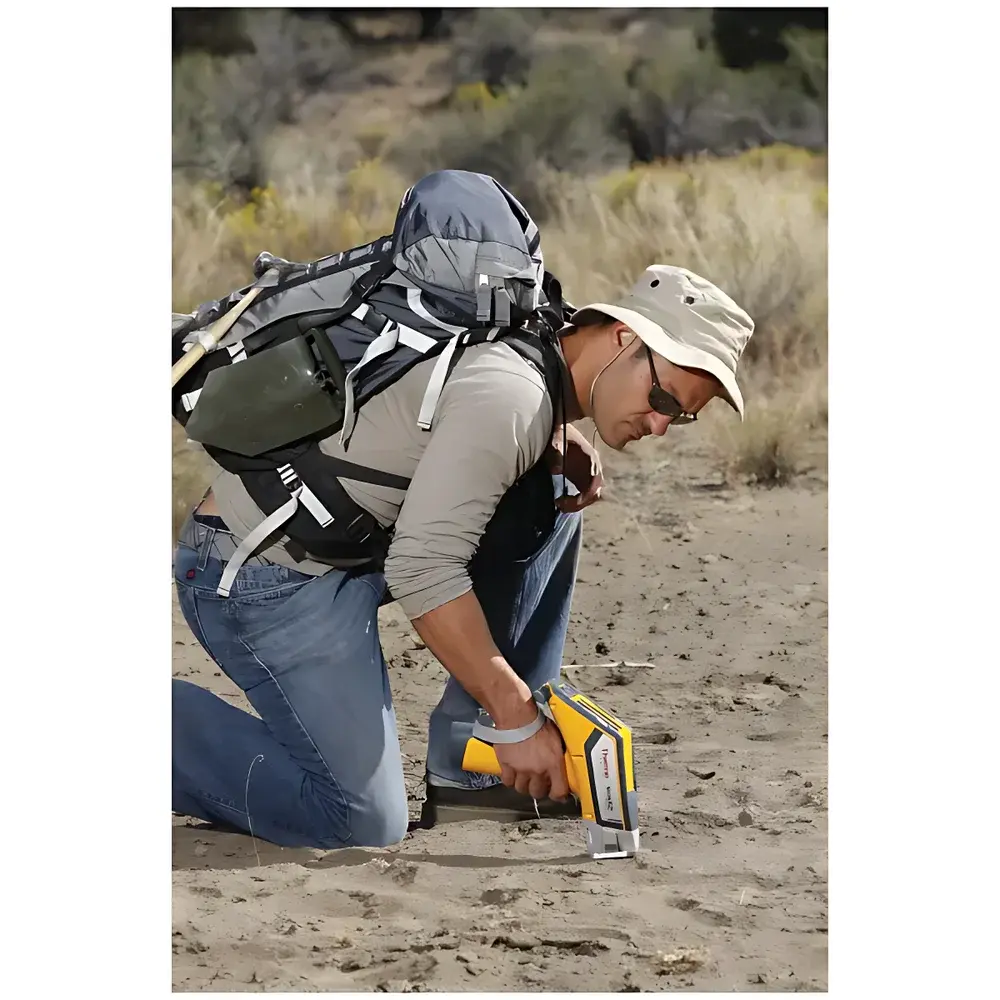
- Geological exploration and grade control in open-pit and underground mining operations
- Routine RoHS, WEEE, and CPSIA compliance screening in electronics assembly and toy manufacturing
- Lead-in-paint and heavy metal contamination assessment in construction materials and consumer goods
- Quality assurance in aerospace, oil & gas, and power generation sectors for alloy verification against ASME B16.5, ASTM A959, and EN 10027 specifications
FAQ
Is the Niton XL2 certified for use in hazardous locations (e.g., ATEX or IECEx)?
No—the XL2 is not intrinsically safe and is not certified for Zone 0, 1, or 2 hazardous environments.
Can the instrument quantify light elements such as magnesium or aluminum in challenging matrices?
Yes—optimized vacuum path and helium purge option (available as accessory) enhance detection sensitivity for elements down to Mg (Z=12); quantification accuracy depends on matrix correction and calibration validation per ISO 21043.
What is the typical measurement repeatability for alloy analysis?
Under controlled conditions (clean, flat, homogeneous surface), relative standard deviation (RSD) for major alloying elements is typically ≤1.5% for 3-second acquisitions.
Does the device support custom calibration development?
Yes—NDT™ includes advanced calibration editor tools for creating and validating user-defined calibrations using reference standards traceable to NIST or equivalent national metrology institutes.
How is radiation safety managed during operation?
The XL2 incorporates dual independent hardware interlocks, beam-on indicator LED, and automatic shut-off if the measurement window is obstructed; it fully complies with national radiation safety regulations including China’s GBZ 188-2014 and US NRC 10 CFR Part 20.



