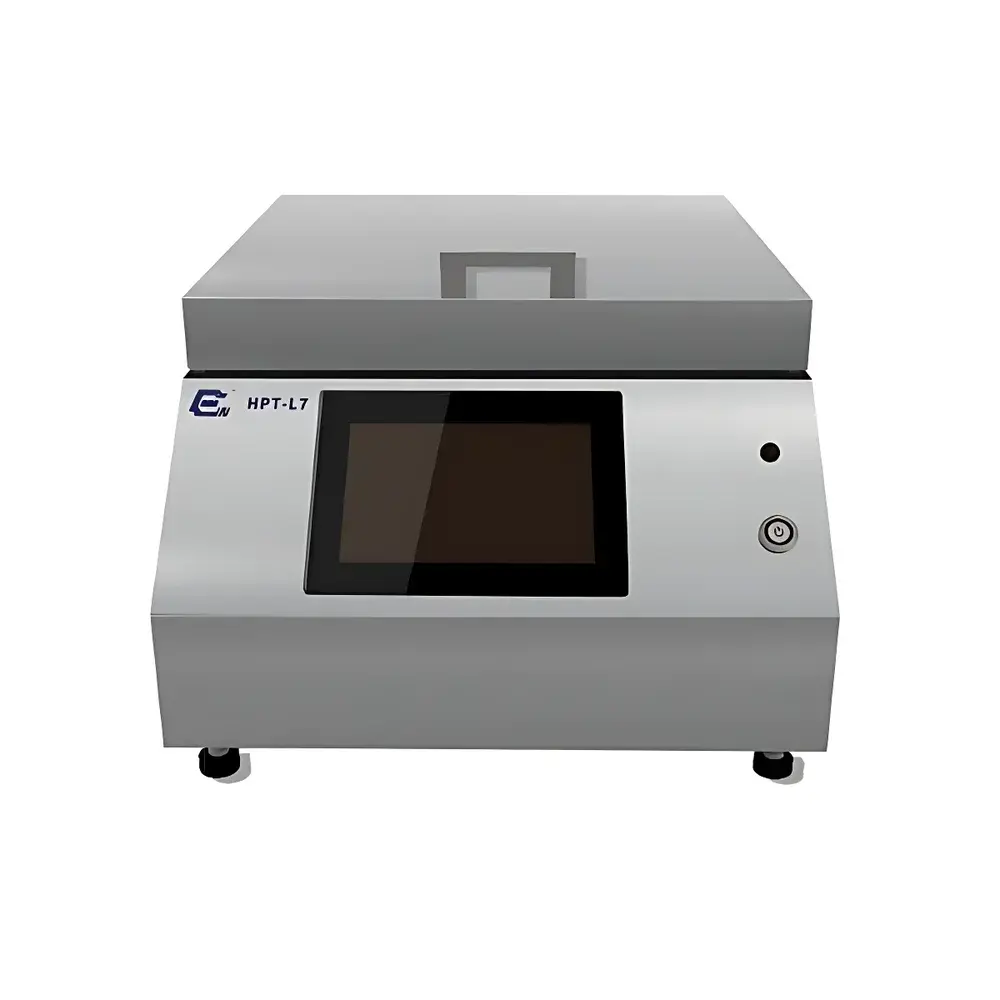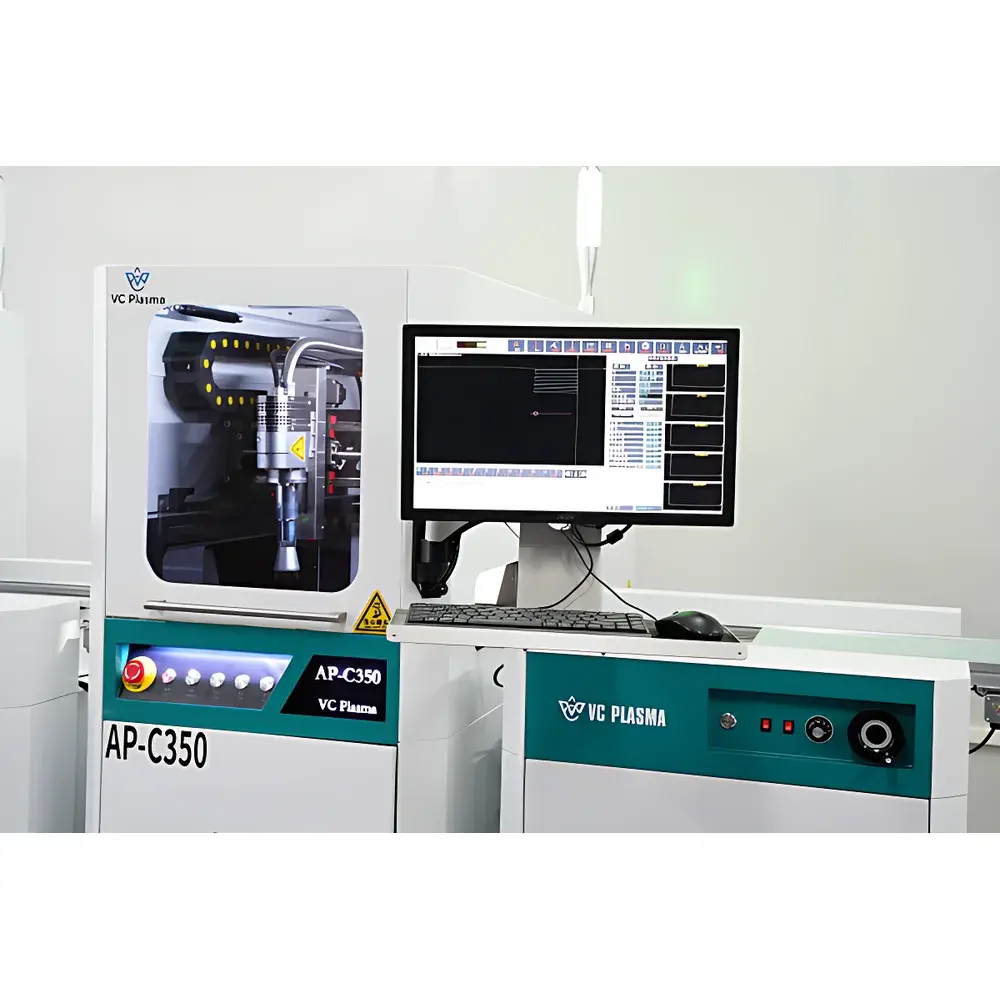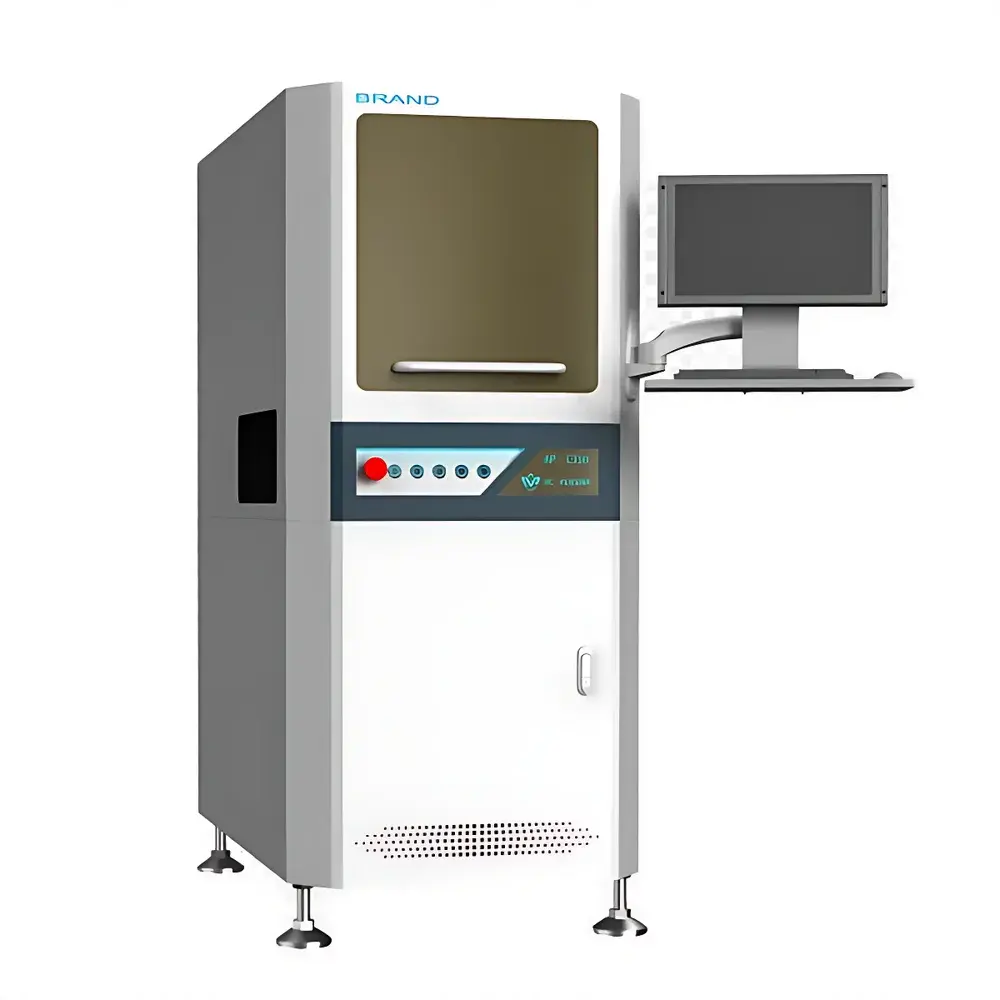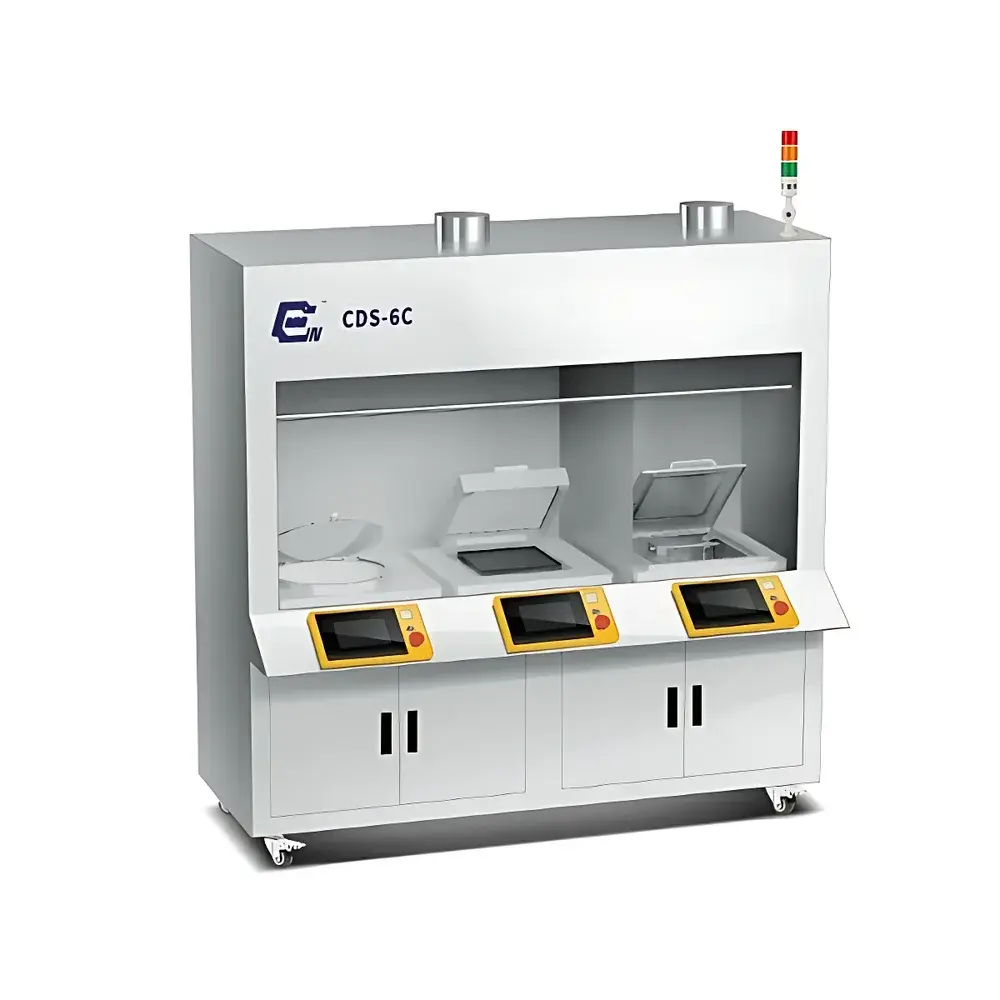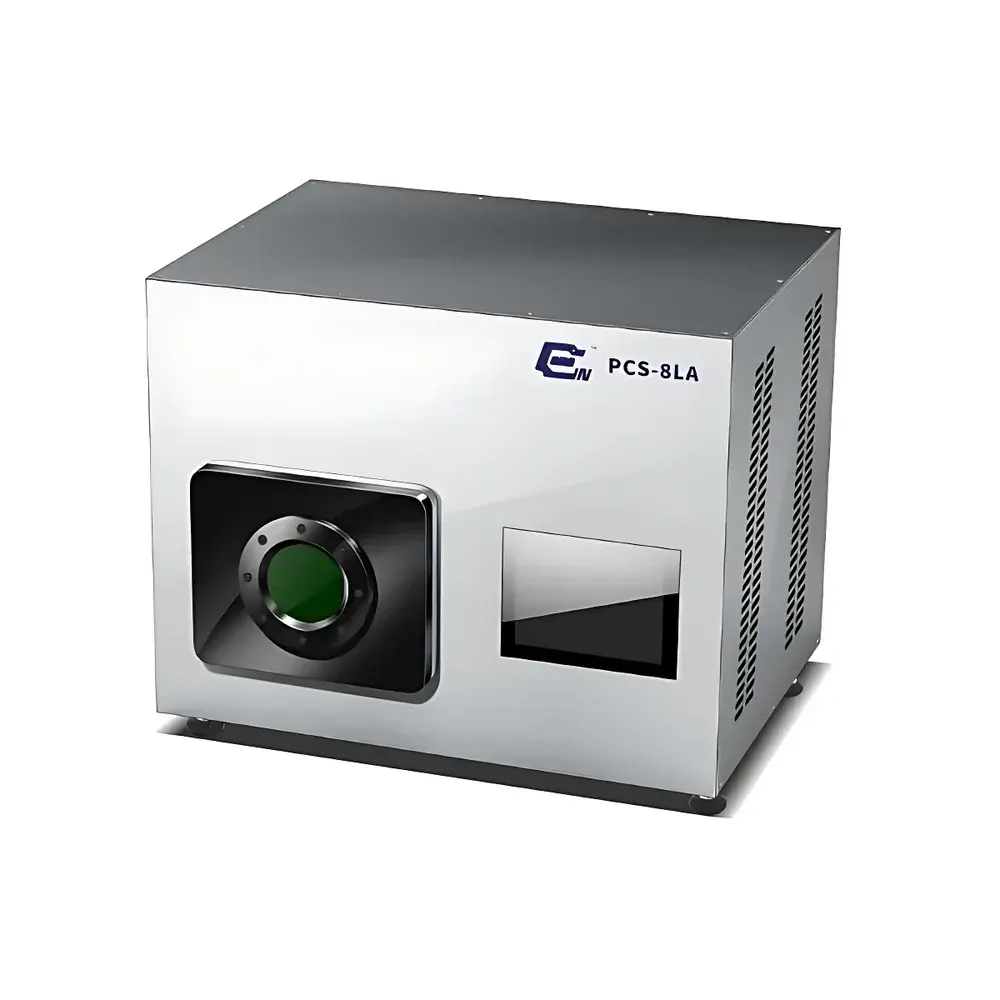
Alpha Plasma Q-Series Microwave Plasma Resist Stripper
| Brand | Alpha Plasma |
|---|---|
| Origin | Germany |
| Model | Q150, Q235, Q240, Q310 |
| Type | Microwave-excited Capacitively Coupled Plasma (CCP) Resist Stripping System |
| Application Domain | Semiconductor Front-End-of-Line (FEOL) & Back-End-of-Line (BEOL) Processing, MEMS Fabrication, Advanced Packaging |
| Compliance | CE Marked, SEMI S2-0216 Certified, ISO 9001:2015 Quality Management System |
Overview
The Alpha Plasma Q-Series Microwave Plasma Resist Stripper is an engineered solution for high-precision, low-damage photoresist and polymer residue removal in semiconductor manufacturing and microfabrication environments. Utilizing microwave-frequency (2.45 GHz) energy to generate a stable, high-density capacitive-coupled plasma (CCP) in controlled gas mixtures (e.g., O₂, CF₄/O₂, H₂/N₂), the system achieves efficient volatilization of organic residues without inducing thermal stress, ion bombardment damage, or substrate etching. Unlike conventional downstream plasma asher systems, the Q-Series integrates a tunable microwave coupling architecture with optimized chamber geometry and real-time impedance matching—enabling uniform plasma distribution across 100–300 mm wafers and patterned MEMS substrates. Designed for integration into cleanroom-compatible automated toolsets, it supports both batch and single-wafer processing modes, with programmable power ramping, pressure regulation (1–100 mTorr), and gas flow control (0–500 sccm per line) to accommodate process-specific stripping kinetics.
Key Features
- Modular microwave plasma source with auto-tuning matching network for consistent power delivery across varying load conditions
- Quartz-lined vacuum chamber with temperature-controlled electrode stage (ambient to +120°C) to prevent resist re-deposition and enhance ash rate reproducibility
- Multi-gas manifold supporting up to four independent mass flow controllers (MFCs) for precise reactive gas blending (O₂, N₂, H₂, CF₄, SF₆)
- Integrated residual gas analyzer (RGA) port for endpoint detection via real-time monitoring of CO, CO₂, HF, and H₂O partial pressures
- Touchscreen HMI with pre-loaded process recipes compliant with SEMI E10 (Definition and Measurement of Equipment Reliability) and E19 (Equipment Data Acquisition)
- Passive RF shielding and grounded stainless-steel enclosure meeting IEC 61000-6-3 EMC emission limits
Sample Compatibility & Compliance
The Q-Series accommodates silicon, SiC, GaN, quartz, fused silica, and glass substrates ranging from 100 mm to 300 mm in diameter—including patterned wafers with sub-100 nm features and high-aspect-ratio MEMS structures. It is validated for removal of hardened positive/negative resists (including SU-8, AZ® series, and chemically amplified resists), post-implant carbonized layers, spin-on-carbon (SOC) hardmasks, and post-etch polymer residues. All models are CE-marked and conform to SEMI S2-0216 (Safety Guidelines for Semiconductor Manufacturing Equipment) and SEMI S8-0716 (Ergonomics). The system supports GLP/GMP-aligned operation through optional audit trail logging and user access level management (admin/operator/technician), satisfying requirements for FDA 21 CFR Part 11-compliant electronic records when paired with validated software extensions.
Software & Data Management
Control firmware runs on a real-time Linux-based platform with deterministic process sequencing and sub-second response latency. The embedded software suite includes recipe versioning, parameter locking, and deviation alerting (e.g., pressure excursion > ±5% setpoint for >3 s). Process data—including RF forward/reflected power, chamber pressure, gas flows, and endpoint signal traces—are timestamped and exportable in CSV/SEMI E57 format. Optional integration with factory host systems (via SECS/GEM protocol over TCP/IP) enables remote monitoring, SPC charting, and traceability linkage to MES platforms such as Applied Materials EnduraTrack or Tokyo Electron TELStep.
Applications
- Stripping of ion-implanted photoresist after high-dose (>1×10¹⁶ cm⁻²) implantation without gate oxide degradation
- Clean removal of post-RIE residues prior to metallization or dielectric deposition in BEOL interconnect stacks
- Sacrificial layer (e.g., SiO₂, polyimide) release in surface-micromachined MEMS devices
- De-scumming and edge-bead removal following SU-8 lithography for microfluidic and optical waveguide fabrication
- Removal of fluorocarbon polymer residues after deep silicon etch (Bosch process) without undercutting trench profiles
- Surface activation and hydrophilicity enhancement prior to wafer bonding or ALD nucleation
FAQ
What plasma excitation method does the Q-Series use, and why is microwave preferred over RF?
The Q-Series employs 2.45 GHz microwave excitation coupled with capacitive discharge. This configuration yields higher electron density (>1×10¹¹ cm⁻³) and lower ion energy (<15 eV) compared to standard 13.56 MHz RF plasmas—critical for minimizing substrate damage during high-selectivity resist stripping.
Can the system handle 300 mm wafers with front-side alignment fiducials?
Yes. All Q310 configurations include a motorized XYZ-theta stage with vision-assisted alignment capability and vacuum chuck flatness tolerance ≤5 µm PV across 300 mm.
Is ozone generation mitigated during O₂-based stripping processes?
Integrated catalytic ozone destruct unit (ODU) reduces ambient ozone output to <0.05 ppm at 1 m distance, complying with OSHA PEL and EU Directive 2004/101/EC.
How is process repeatability ensured across different operators and shifts?
Each recipe enforces parameter constraints (e.g., max power ramp rate, min purge duration), and all manual interventions are logged with operator ID, timestamp, and reason code—fully traceable for internal audits or ISO 9001 surveillance.
Does Alpha Plasma provide installation qualification (IQ) and operational qualification (OQ) documentation?
Yes. Factory-accepted test (FAT) reports, IQ/OQ protocols aligned with ASTM E2500-13, and calibration certificates for MFCs and pressure gauges are delivered with each system.