
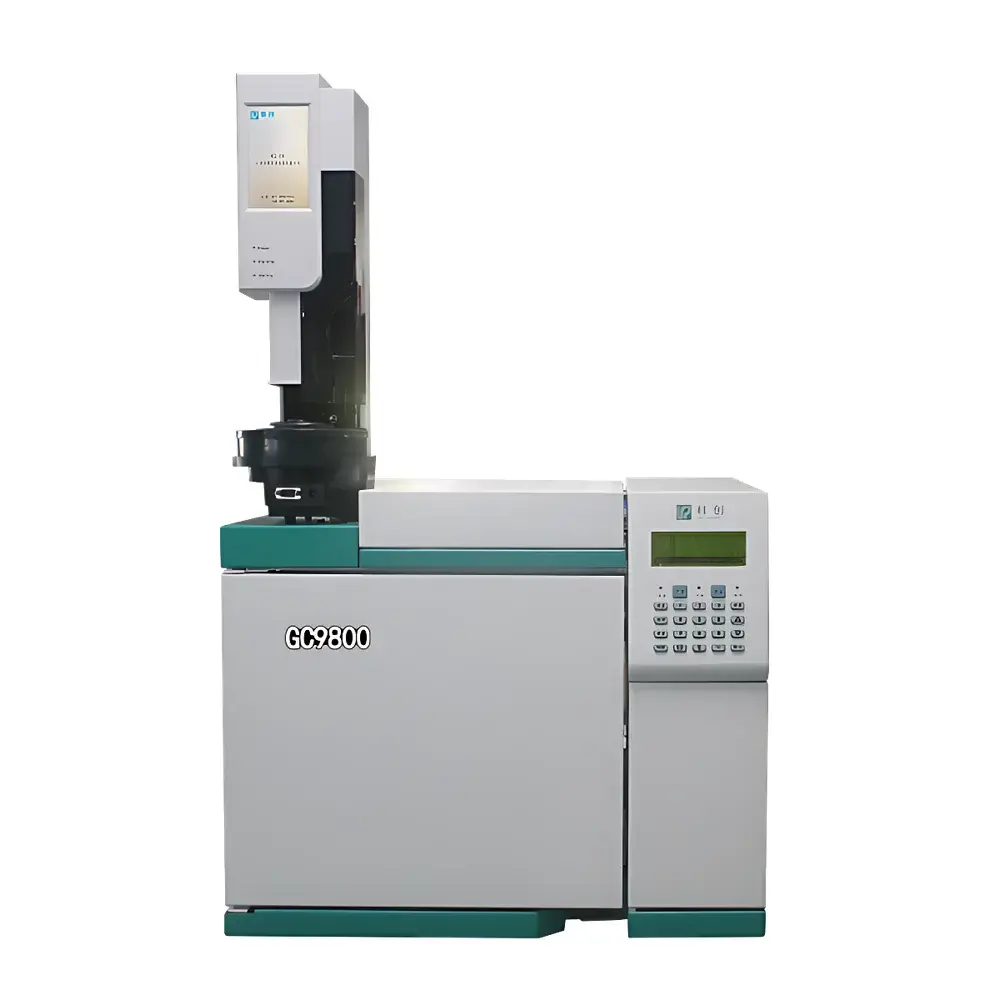
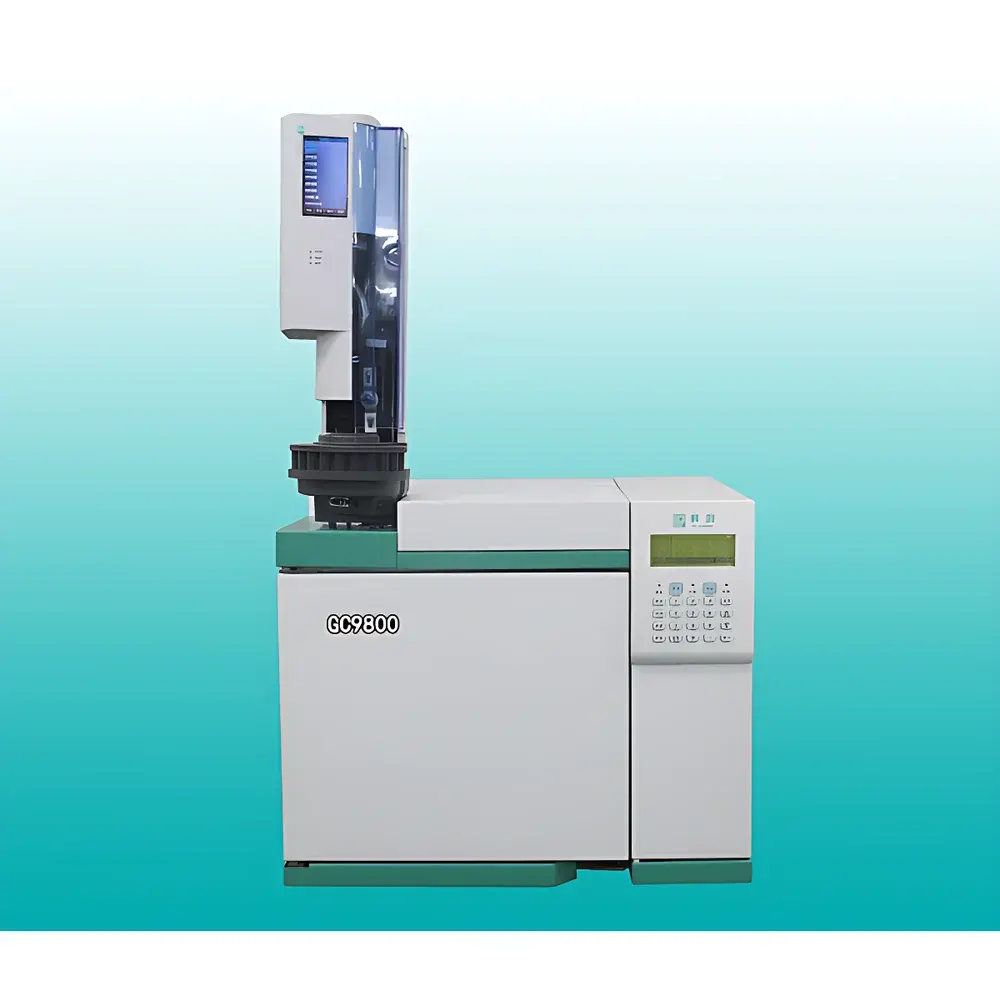
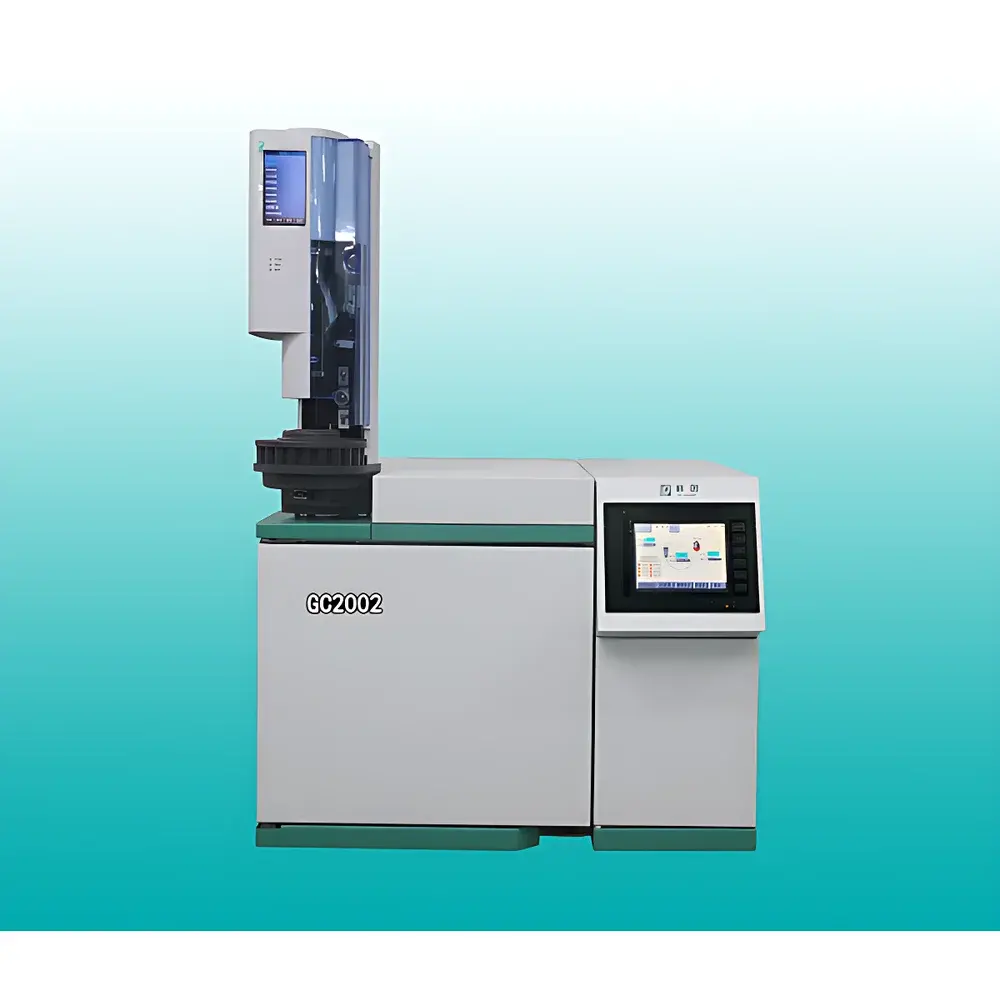
SCIEX AS-2912 Vertical Tower Multifunctional Autosampler for Gas Chromatography
| Brand | SCIEX |
|---|---|
| Origin | Shanghai, China |
| Manufacturer Type | OEM Manufacturer |
| Product Category | Domestic |
| Model | GC-Compatible Vertical Tower Autosampler |
| Price Range | USD 1,400 – 2,800 |
| Instrument Type | Gas Chromatography Autosampler |
| Maximum Sample Volume | 250 µL |
| Minimum Injection Volume | 0.1 µL |
| Loop Volume | 100 µL |
| Positioning Accuracy | < 0.3 mm |
| Motion Axes | XYZ Three-Dimensional |
| Needle Wash Mode | Internal and External Wall Rinse |
| Repeat Injection Capability | Unlimited Cycles |
Overview
The SCIEX AS-2912 Vertical Tower Multifunctional Autosampler is an engineered solution designed specifically for integration with gas chromatography (GC) systems requiring high-reproducibility liquid-phase sample introduction. Built upon a fixed-tower architecture, it eliminates horizontal carousel mechanics to reduce mechanical drift and improve positional repeatability across extended unattended operation. The device operates on the principle of precision syringe-based volumetric aspiration and dispensing, utilizing closed-loop encoder feedback to maintain real-time positional integrity during XYZ-axis motion. Its design conforms to fundamental GC inlet interface requirements—including compatibility with split/splitless injectors, PTV (Programmed Temperature Vaporizing) inlets, and cold-on-column configurations—while supporting both conventional and multi-step injection protocols (e.g., sample + L2 diluent, sample + L2 + L3 derivatization reagent). As a domestically manufactured OEM platform, the AS-2912 meets baseline mechanical and electrical safety standards aligned with IEC 61010-1 and GB/T 18268.1–2010 (equivalent to EN 61326-1), making it suitable for routine QC laboratories operating under GLP-compliant workflows.
Key Features
- Fixed vertical tower architecture minimizes footprint and enhances mechanical rigidity—ideal for benchtop GC installations with space constraints.
- XYZ three-axis motion system driven by stepper motors with optical encoder feedback ensures positioning accuracy better than ±0.3 mm across full travel range.
- Dual-stage needle wash mechanism performs simultaneous internal lumen flush and external surface rinse using programmable solvent selection from two dedicated reservoirs.
- Configurable syringe options (1, 5, 10, 25, 50, 100, 250, and 500 µL) allow method-specific optimization of dynamic range and carryover control.
- 16-position sample tray accommodates standard 12 × 32 mm vials; supports up to 99 repeated injections per vial with user-defined dwell times (0–300 s pre- and post-injection).
- Full I/O expansion interface (TTL-level digital inputs/outputs) enables hardware-level synchronization with GC start signals, oven temperature triggers, or detector event pulses.
- Onboard touch interface provides guided method setup with contextual prompts, reducing operator training time while maintaining audit-ready parameter logging.
Sample Compatibility & Compliance
The AS-2912 handles aqueous, organic, and moderately viscous liquid samples (up to ~20 cP at 25 °C) without modification. It supports common GC-compatible solvents including hexane, methanol, acetonitrile, chloroform, and ethyl acetate. All wetted parts are constructed from chemically resistant materials: stainless steel (316), PTFE, and fused silica—ensuring minimal adsorption and long-term calibration stability. The unit complies with electromagnetic compatibility (EMC) requirements per GB/T 18268.1–2010 and includes CE-marked power supply modules. While not certified to FDA 21 CFR Part 11 out-of-the-box, its firmware supports timestamped audit trails and method versioning—enabling validation pathways for regulated environments when paired with compliant LIMS or CDS software.
Software & Data Management
The AS-2912 communicates via RS-232 or optional USB-to-serial interface using ASCII-based command protocol (documented in SDK package). Third-party chromatography data systems—including OpenLab CDS, Chromeleon, and custom LabVIEW or Python applications—can fully control all operational parameters: injection volume, wash cycles (up to 20 internal + 20 external), PTV timing windows (0–300 s), viscosity delay (0–120 s), and sequence execution logic. Method files store complete configuration metadata (syringe size, loop volume, dwell times, rinse solvent mapping), ensuring traceability and reproducibility across instrument platforms. Firmware logs include timestamps for every injection event, error code history, and motor step count diagnostics—facilitating preventive maintenance scheduling.
Applications
This autosampler is routinely deployed in environmental testing labs analyzing VOCs in water per EPA Method 524.2 and 8260D; in food safety QA/QC for pesticide residue screening (AOAC 2007.01); in petrochemical refineries for hydrocarbon group-type analysis (ASTM D5186); and in pharmaceutical stability studies tracking degradation products via headspace-GC/FID. Its PTV-compatible timing logic supports large-volume injection (LVI) methods for trace analyte enrichment, while multi-solvent rinse capability mitigates cross-contamination in high-throughput residual solvent assays (ICH Q3C).
FAQ
Does the AS-2912 support direct integration with Agilent or Thermo GC systems?
Yes—via TTL trigger input and RS-232 command set; detailed pinout and protocol documentation is provided in the OEM Integration Manual.
Can the autosampler be validated for GMP use?
It supports IQ/OQ documentation templates and generates raw audit logs; however, formal PQ must be performed in situ using your specific GC detector and column configuration.
What is the maximum allowable sample viscosity?
Up to 20 centipoise at 25 °C using the 100 µL syringe; higher viscosities require pre-filtration or dilution to avoid plunger stalling.
Is remote monitoring possible?
Yes—through serial command polling or optional Ethernet gateway module (sold separately), enabling status query and emergency stop via TCP/IP.
How is carryover performance verified?
Using a standardized blank-injection sequence after high-concentration standard; typical carryover is < 0.05% for volatile organics when configured with dual-rinse and 10 µL wash volume.



