
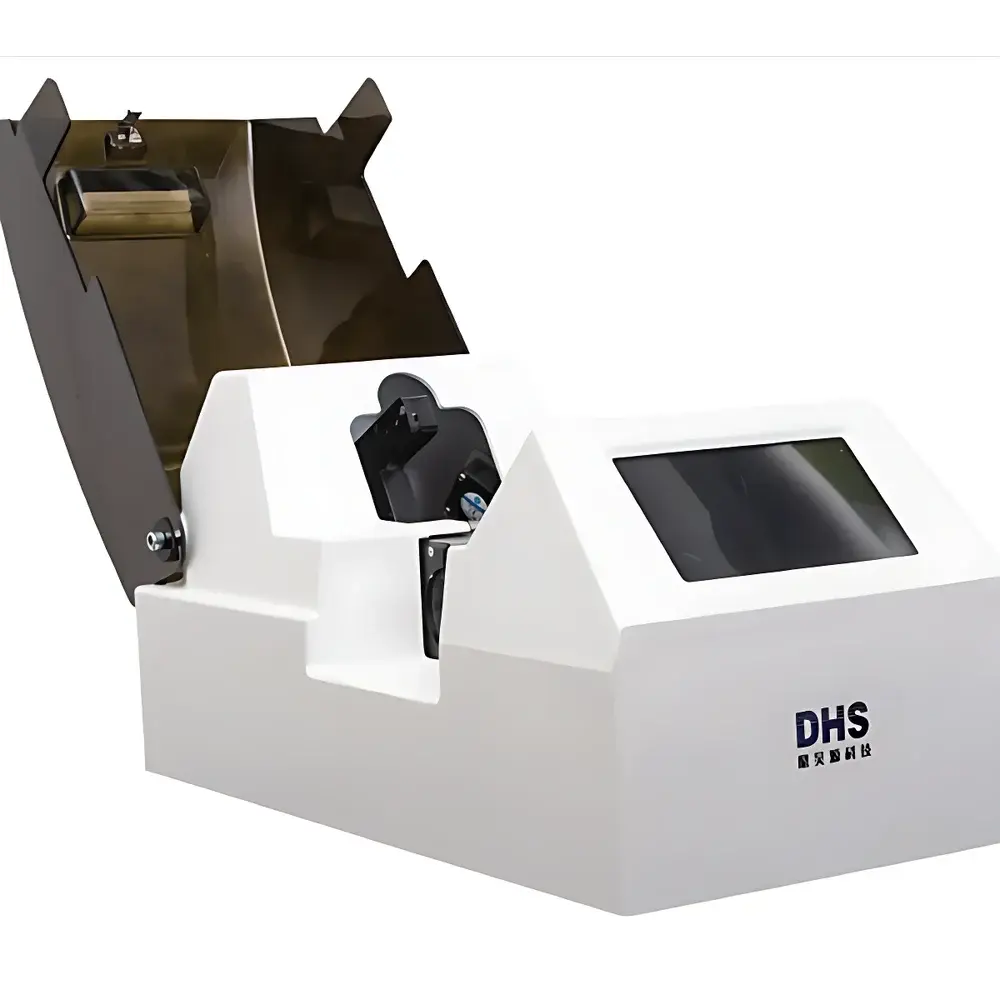
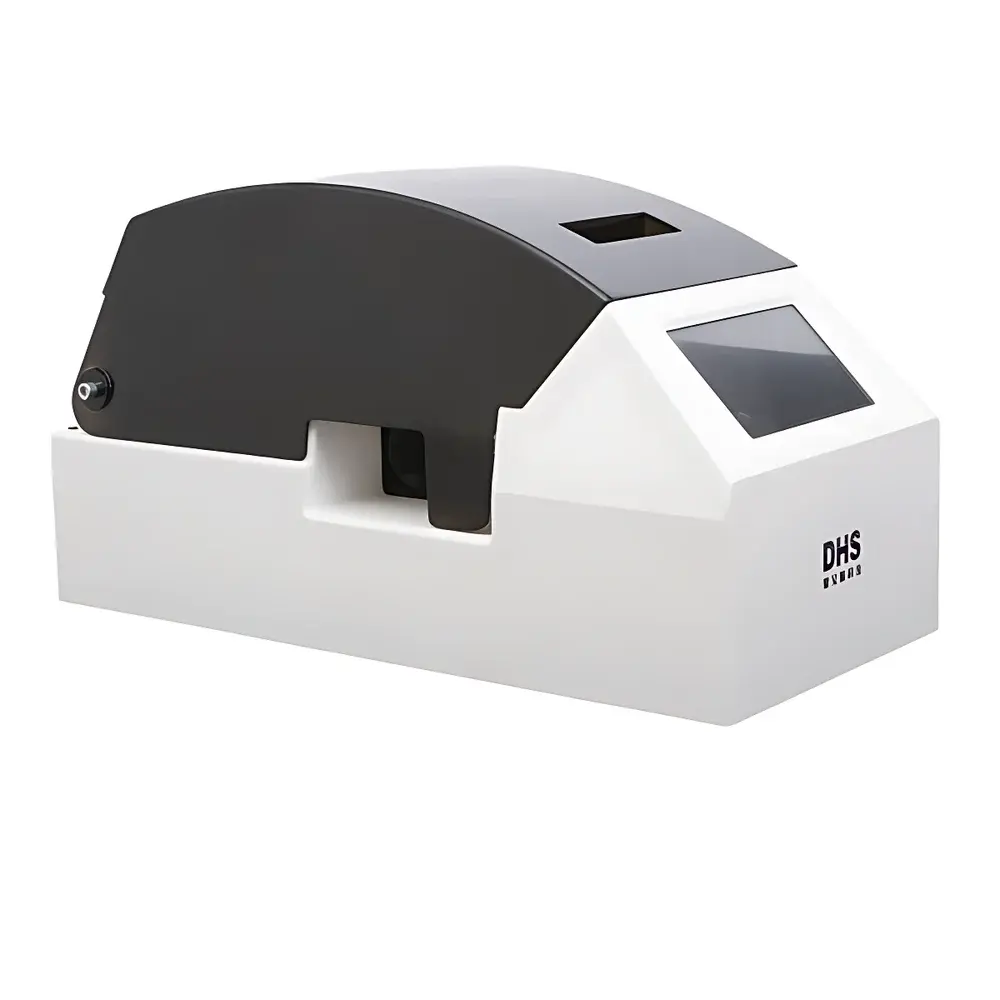
DHS BW600 Fully Enclosed Automated Sterile Tubing Connector
| Brand | DHS |
|---|---|
| Origin | Tianjin, China |
| Model | BW600 |
| Type | Fully Enclosed Automated Sterile Tubing Connector |
| Operating Principle | Thermal Cutting & Fusion Welding of Thermoplastic Tubing |
| Compliance Framework | Supports 21 CFR Part 11 Audit Trail, GLP/GMP-Ready Software Architecture |
| User Access Control | Three-Tier Role-Based Permissions (Admin/Operator/Viewer) |
| Cycle Capacity | ≥100 Consecutive Sterile Connections Without System Interruption |
| Consumables | Domestically Sourced, ISO 13485–Certified Tubing Adapters and Heating Blades |
| Environmental Sealing | Class A (ISO 5) Internal Chamber Integrity Verified per ISO 14644-1 |
Overview
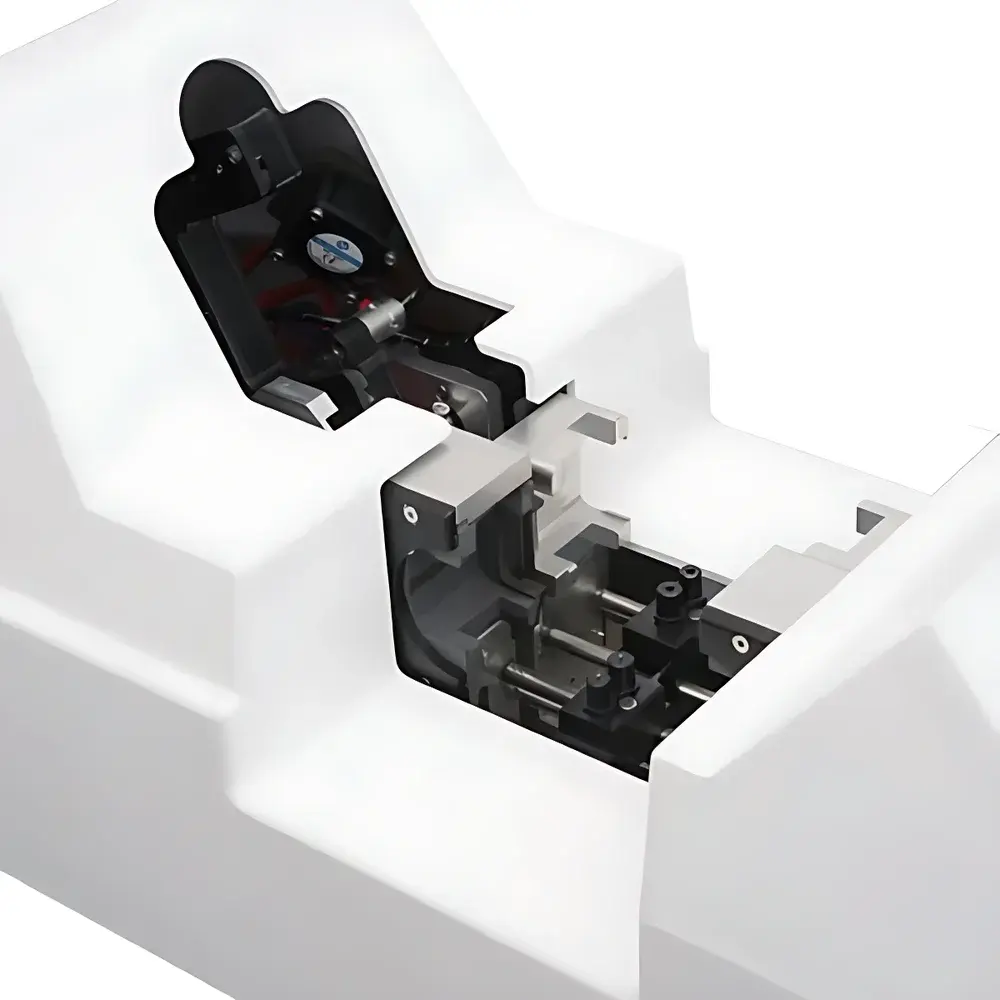
The DHS BW600 Fully Enclosed Automated Sterile Tubing Connector is an engineered solution for aseptic fluid path establishment in biopharmaceutical manufacturing and advanced cell therapy workflows. It operates on a validated thermal fusion principle—combining precise infrared-monitored blade heating, controlled thermal cutting, and simultaneous localized melting and pressure-assisted welding of thermoplastic tubing (e.g., C-Flex®, PharMed® BPT, Tygon®). Unlike open-loop manual splicing or semi-automated systems, the BW600 executes the entire connection sequence—including pre-sterilization of critical contact surfaces, real-time temperature feedback via embedded IR sensors, tube alignment, severing, fusion, and post-weld integrity verification—within a physically sealed ISO Class 5 (Grade A) internal chamber. This architecture eliminates operator-dependent variability and ambient particulate ingress, fulfilling core requirements of Annex 1 (2022), USP , and EU GMP Chapter 5 for aseptic process simulation and routine production.
Key Features
- Fully enclosed, positive-pressure chamber with HEPA-filtered air supply and integrated differential pressure monitoring to maintain ISO 5 environmental integrity during operation.
- Infrared temperature feedback loop controlling blade surface temperature from pre-sterilization (>250 °C) to precise fusion range (180–220 °C), calibrated traceable to NIST standards.
- Automated self-diagnostic sequence prior to each cycle: mechanical end-stop verification, heater resistance check, sensor signal validation, and chamber seal integrity test.
- Three-tier software permission structure compliant with FDA 21 CFR Part 11: Admin-level configuration access, Operator-level run control, and Viewer-level read-only audit log review—with immutable timestamped entries for every action.
- Modular consumable design: blade cartridges and tube support fixtures are field-replaceable without tools; all components manufactured to ISO 13485-certified processes in Tianjin, China.
- Continuous duty rating: validated for ≥100 consecutive sterile connections per maintenance interval, with automatic thermal cooldown and chamber purge between cycles.
Sample Compatibility & Compliance
The BW600 accommodates standard single-use bioprocessing tubing diameters (ID 1/16″ to 1/4″ / 1.6 mm to 6.4 mm) made from medical-grade thermoplastics including silicone, PVC, polyethylene, and thermoplastic elastomers. Tube wall thickness tolerance: 0.020″–0.060″ (0.5–1.5 mm). The system has been verified per ASTM F1980 for accelerated aging of welded joints and demonstrates burst pressure retention ≥80% of parent tubing specification after 72-hour saline immersion. Software logs meet ALCOA+ data integrity criteria and support full electronic record export in CSV and PDF formats. Device firmware and application software are qualified under ICH Q9/Q10 principles and documented per GAMP 5 Category 3 standards.
Software & Data Management
The embedded HMI runs a deterministic real-time OS with encrypted local storage. Each connection event records: cycle ID, timestamp (UTC), operator ID, tubing lot numbers, blade usage count, peak fusion temperature, dwell time, chamber pressure profile, and pass/fail status. Audit trails are write-once, non-erasable, and include digital signatures for critical actions. Exported datasets retain cryptographic hash integrity and may be ingested into LIMS or MES platforms via configurable OPC UA interface. Optional integration with enterprise Active Directory enables centralized identity management and SSO authentication.
Applications
- Aseptic transfer of monoclonal antibody (mAb) harvest streams between bioreactors and purification skids.
- Connection of cryopreserved CAR-T cell bags to infusion tubing sets under Grade A conditions.
- Integration of viral vector production lines with fill-finish suites without compromising closed-system integrity.
- On-demand sterile splicing during continuous bioprocessing campaigns requiring dynamic flow-path reconfiguration.
- Validation support for comparability studies involving biosimilar manufacturing process changes.
FAQ
Does the BW600 require external compressed air or vacuum sources?
No—the system is self-contained with integrated brushless blowers for chamber pressurization and HEPA filtration. No utility dependencies beyond standard 220 V AC power.
Can the welding parameters be customized for novel tubing materials?
Yes—advanced users may configure temperature ramp profiles, dwell duration, and clamping force within validated operating ranges using Admin-mode calibration menus.
Is third-party IQ/OQ protocol documentation available?
Yes—DHS provides vendor-qualified installation and operational qualification templates aligned with ASTM E2500 and ISPE Baseline Guide v12, including test scripts, acceptance criteria, and evidence mapping tables.
How is blade lifetime tracked and managed?
Each blade cartridge contains an RFID tag storing cumulative usage count and thermal cycle history; the system enforces hard stop limits and triggers visual/audible alerts at 95% of rated life.
Does the BW600 comply with ISO 14644-1 for cleanroom classification verification?
The internal chamber meets ISO 14644-1 Class 5 (≤3,520 particles/m³ ≥0.5 µm) under dynamic operating conditions, with test reports generated using certified condensation particle counters per ISO 21501-4.




