
ICD-1 High-Voltage DC Ion Current Density Monitoring System
| Origin | USA |
|---|---|
| Manufacturer Type | Authorized Distributor |
| Origin Category | Imported |
| Model | ICD-1 |
| Price Range | USD 7,000 – 14,000 |
Overview
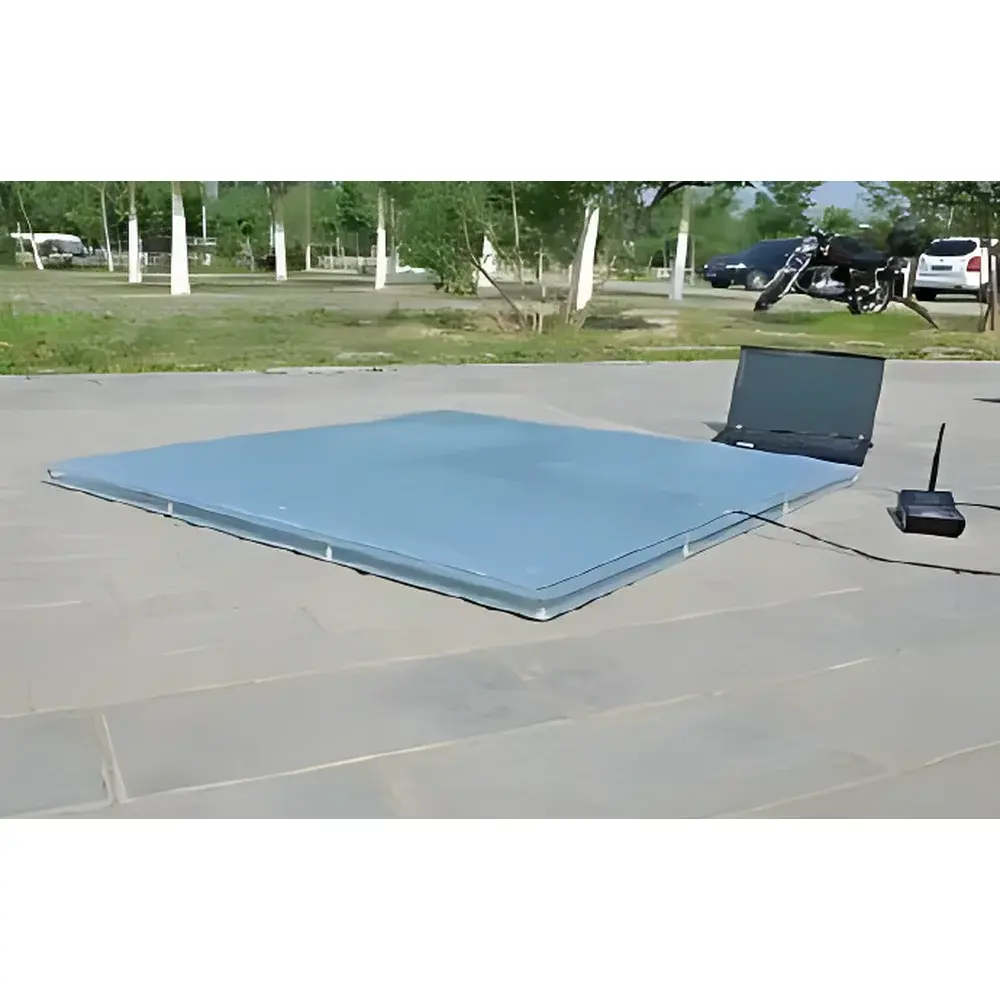
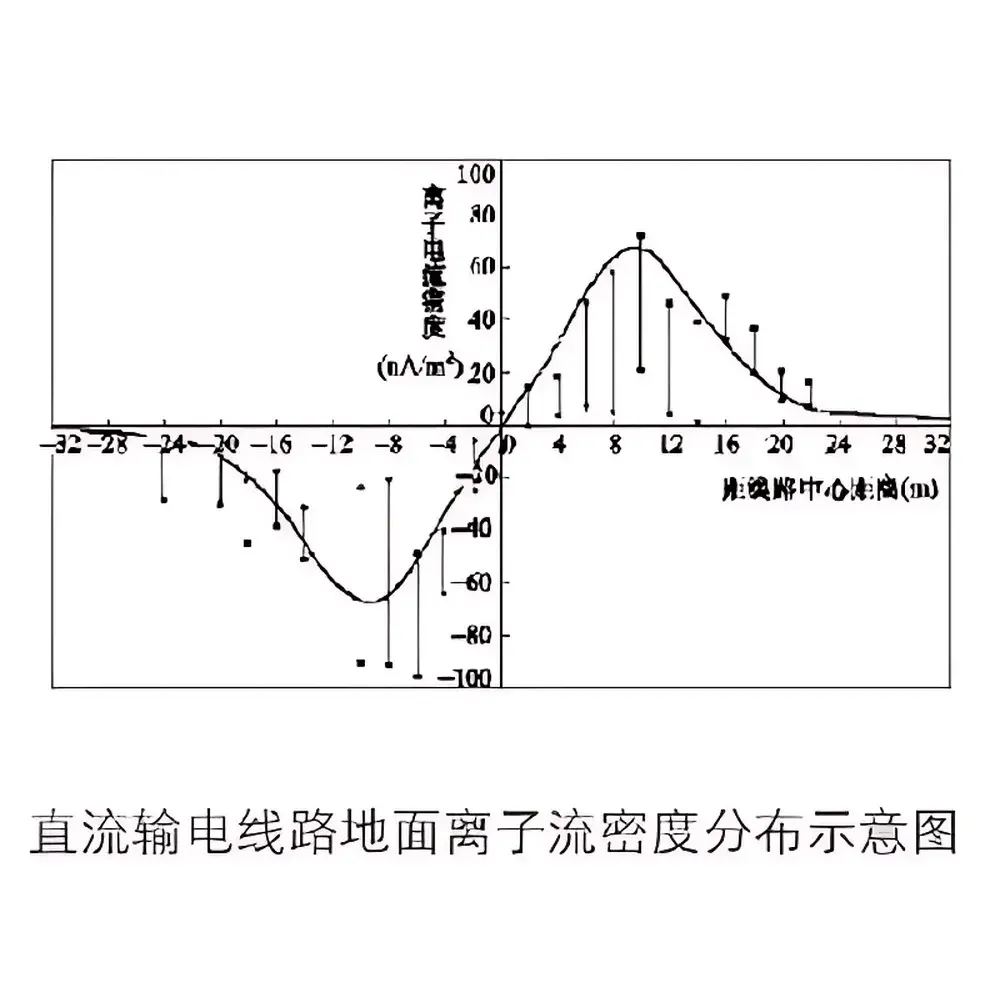
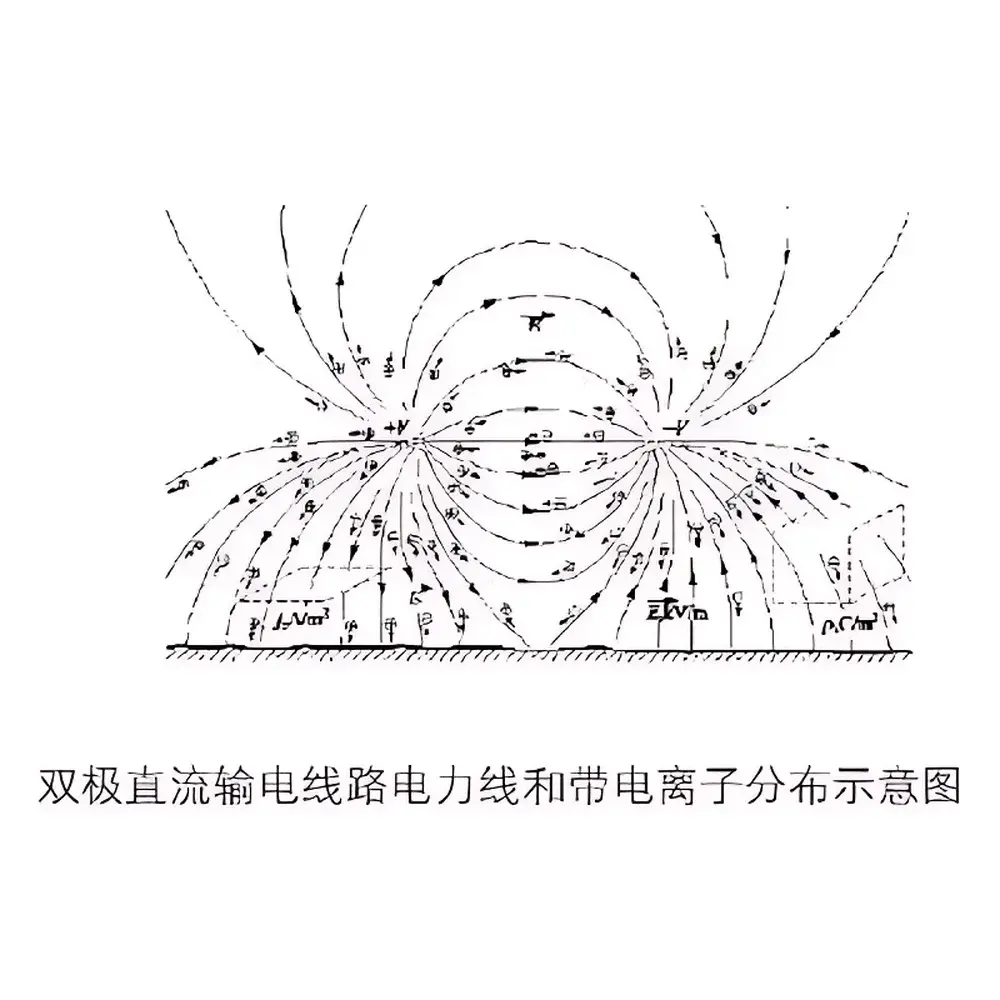
The ICD-1 High-Voltage DC Ion Current Density Monitoring System is a precision field-deployable instrument engineered for quantitative measurement of ion current density (nA/m²) beneath ±500 kV to ±1100 kV HVDC transmission lines and in converter station perimeters. It operates on the Wilson plate principle—a standardized electrostatic collection method defined in IEEE Std 1313.2, IEC 61936-1, and DL/T 1089–2008—where incident ions are captured by a grounded, double-sided conductive plate under ambient electric field conditions. The system quantifies net unidirectional ion flux per unit area, distinguishing polarity (positive/negative) and enabling compliance assessment against regulatory limits such as DL/T 1008–2008 and EU Directive 2013/35/EU for electromagnetic field exposure. Designed for long-term environmental monitoring campaigns, it delivers traceable, reproducible measurements under variable meteorological conditions—including wind speeds up to 12 m/s and relative humidity up to 95% RH—without requiring external power infrastructure.
Key Features
- Compliant dual-surface Wilson collector plate: Standard 1 m × 1 m aluminum plate with integrated guard ring and insulating perimeter; optional 0.4 m × 0.4 m portable variant for high-density spatial sampling in converter stations
- High-sensitivity electrometer module: Input impedance ≥10 GΩ, offset voltage <1 mV, resolution 0.001 nA/m², accuracy ±2.0% of reading (E95 confidence level)
- Real-time polarity discrimination: Simultaneous acquisition of positive and negative ion current components with automatic sign assignment
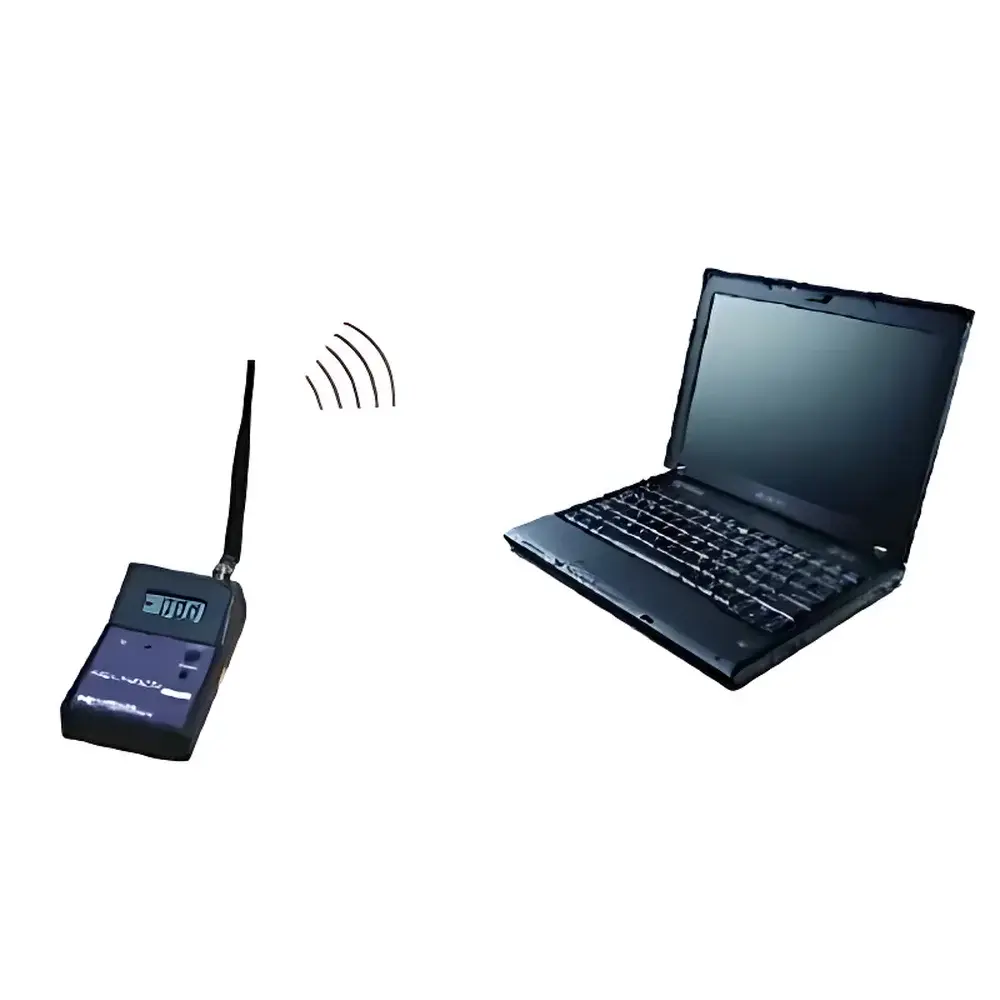
- Wireless telemetry architecture: Star-topology 2.4 GHz ISM-band transceiver (16 selectable channels), 25 dBm output power, line-of-sight range up to 2000 m
- Autonomous operation: Rechargeable Li-ion battery providing ≥12 hours continuous logging at 30 s sampling interval
- Environmental resilience: Operating temperature range −40 °C to +60 °C; IP54-rated enclosure; EMI-hardened analog front-end for low-background performance near corona sources
Sample Compatibility & Compliance
The ICD-1 is validated for use with both ground-level and elevated (tower-mounted) Wilson plate configurations per DL/T 1089–2008 Annex A and IEC TR 62753:2014. Its measurement methodology satisfies the statistical data acquisition requirements specified in Clause 6.3 of DL/T 1008–2008: minimum 30-minute continuous recording, ≥100 discrete samples, cumulative probability distribution analysis (E50, E80, E90, E95, and user-defined Edef). All firmware and software modules comply with GLP principles, including full audit trail, electronic signature support, and immutable raw data storage. Measurement uncertainty budgets are documented per ISO/IEC 17025:2017 Annex A.3 and traceable to NIST-traceable calibration standards.
Software & Data Management
The ICD-1 Control Suite (v4.2+) runs on Windows 10/11 (32- and 64-bit) and provides synchronized visualization of multi-node deployments via real-time map overlay. Raw time-series data (timestamp, polarity, current value, temperature, RH, wind speed if externally interfaced) are stored in HDF5 format with embedded metadata (sensor ID, GPS coordinates, calibration certificate hash). Statistical post-processing includes percentile-based evaluation, temporal trend analysis, and automated report generation compliant with DL/T 1089–2008 Section 7. Reports include annotated plots, summary tables, pass/fail status against limit values, and exportable CSV/PDF outputs. Software supports 21 CFR Part 11-compliant user access control, role-based permissions, and encrypted local database backup.
Applications
- Pre-commissioning and routine environmental impact assessment of HVDC transmission corridors
- Converter station boundary monitoring for regulatory reporting to State Grid Corporation of China (SGCC) or ENTSO-E
- Correlation studies between ion current density, ground-level electric field, and audible noise emissions
- Validation of corona suppression strategies (e.g., conductor bundling, surface treatment)
- Long-term trend analysis across seasonal variations (e.g., winter frost vs. summer humidity effects on ion mobility)
- Research into space charge layer dynamics in polluted or high-altitude atmospheres
FAQ
What is the minimum recommended measurement duration per location?
Per DL/T 1089–2008, continuous acquisition must be ≥30 minutes to ensure statistically robust percentile estimation.
Can the system operate during rainfall or snowfall?
Yes—the Wilson plate features hydrophobic edge sealing and active condensation management; however, heavy precipitation (>5 mm/h) may require temporary suspension per IEC 61936-1 Clause 8.2.3.
Is third-party calibration certification included?
Each unit ships with a factory calibration certificate traceable to NIST SRM 2241, valid for 12 months; accredited calibration services are available through ISO/IEC 17025 laboratories.
How is background ion current compensated?
The system employs dynamic zero-tracking via synchronous demodulation and real-time offset subtraction using a reference electrode adjacent to the collector plate.
Does the software support integration with SCADA or GIS platforms?
Yes—via OPC UA server interface and geotagged KML export compatible with ArcGIS Pro and QGIS 3.30+.







