
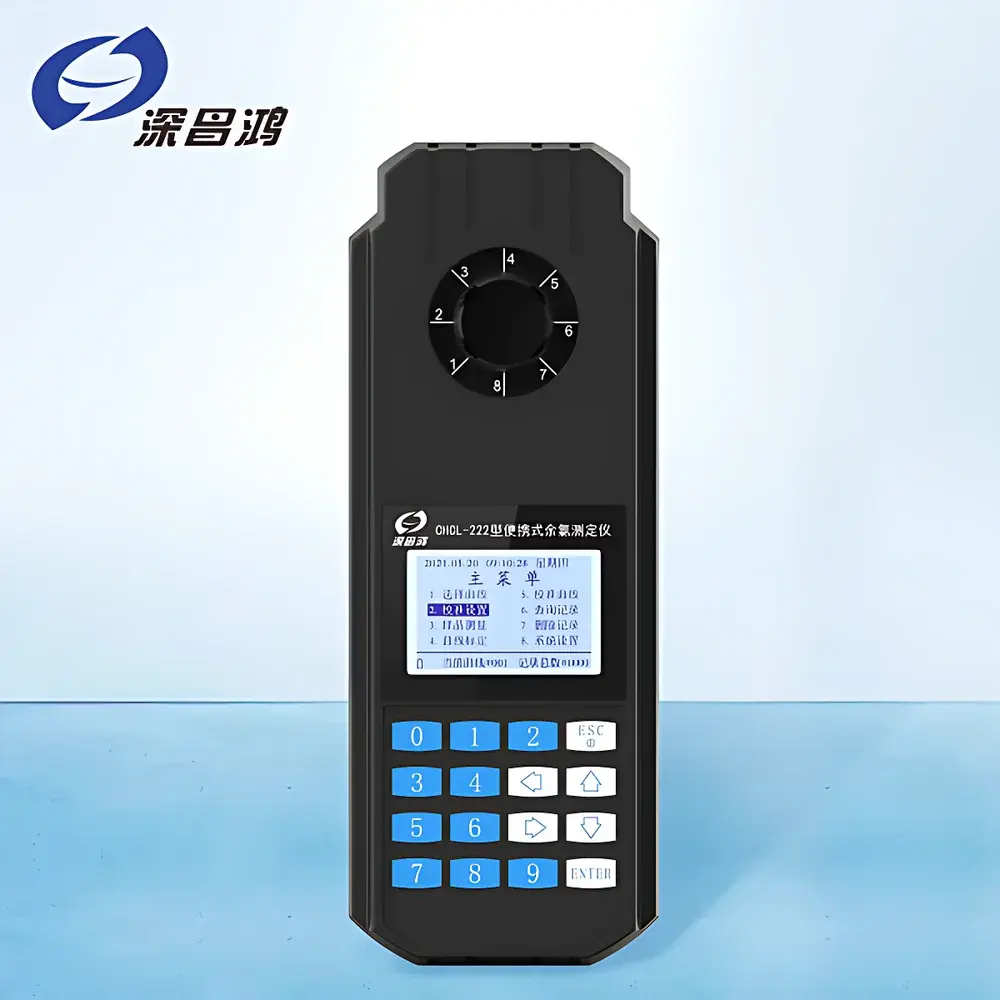
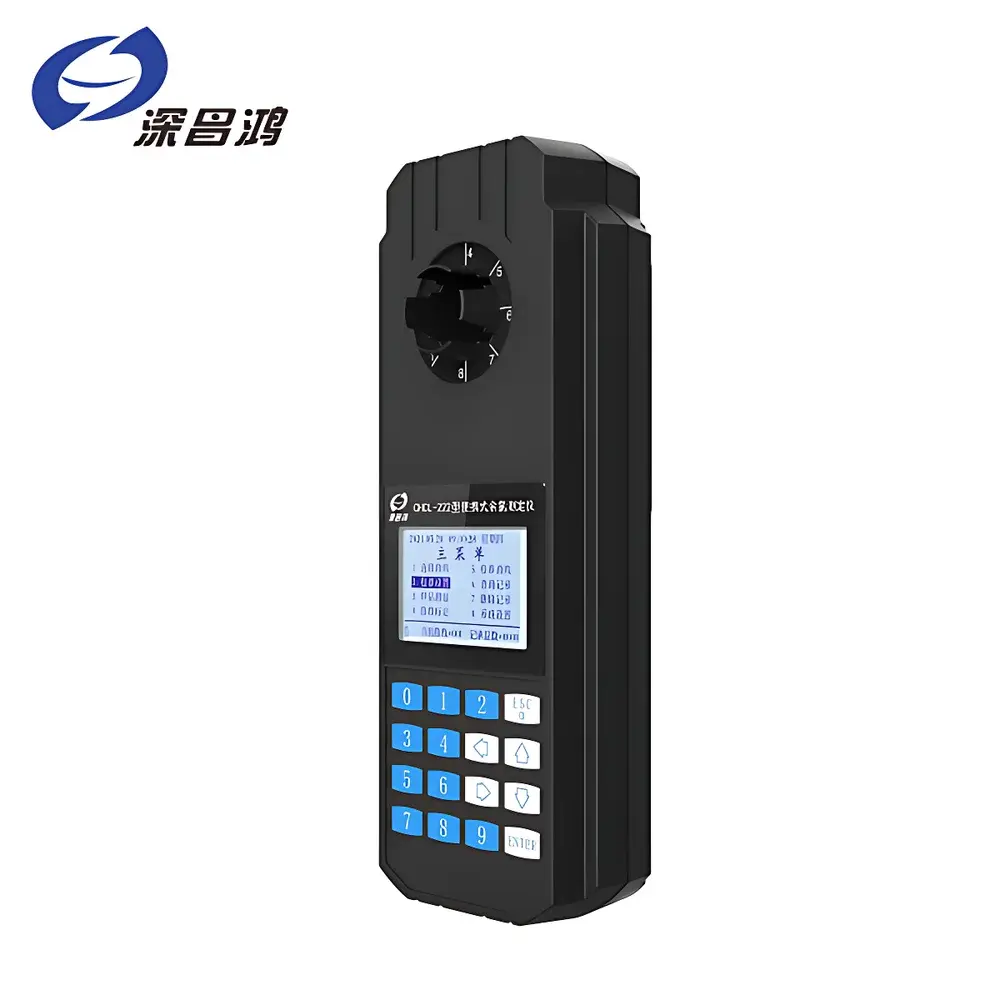
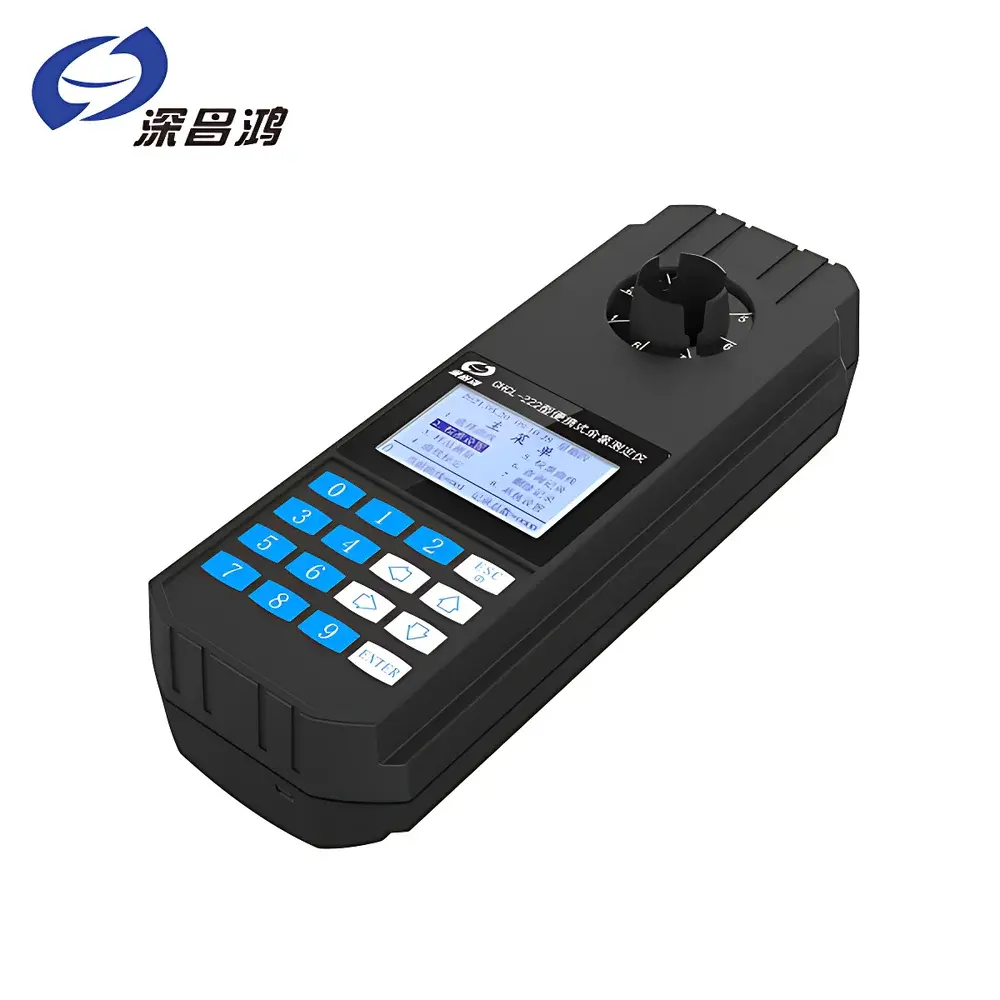
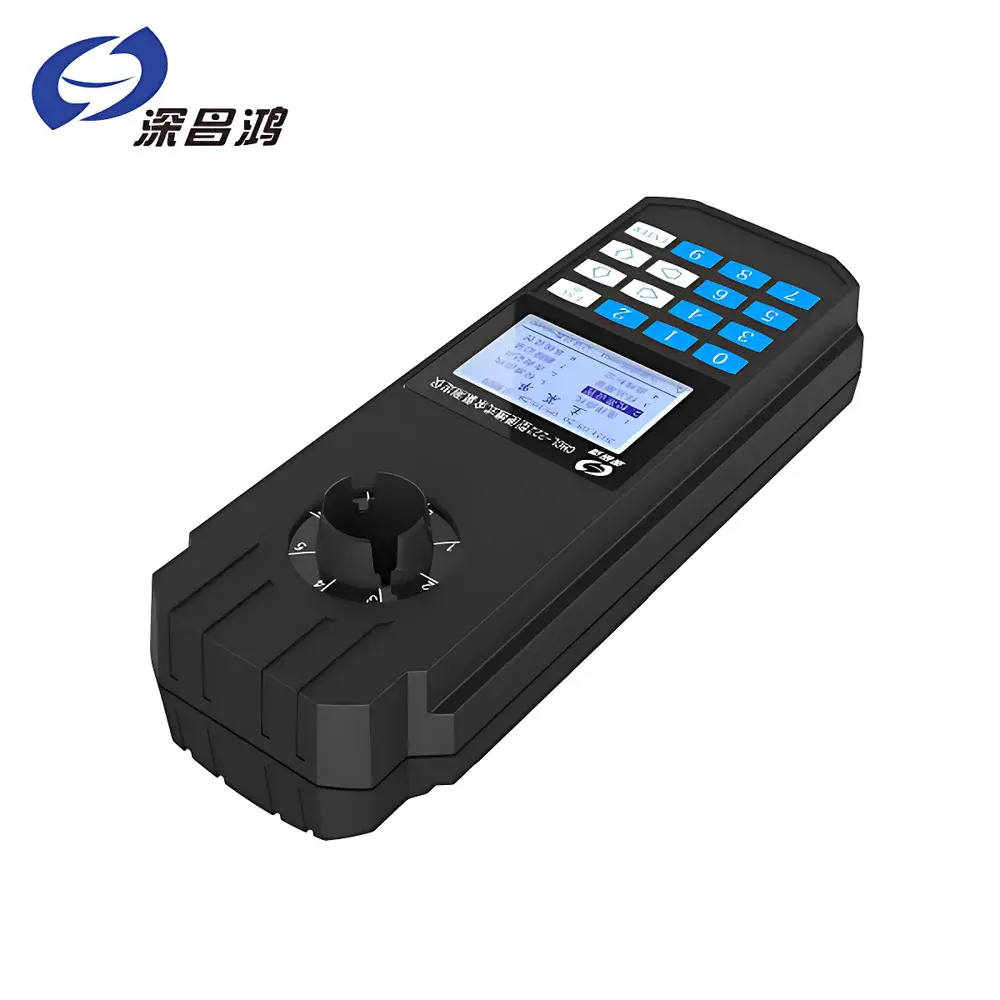
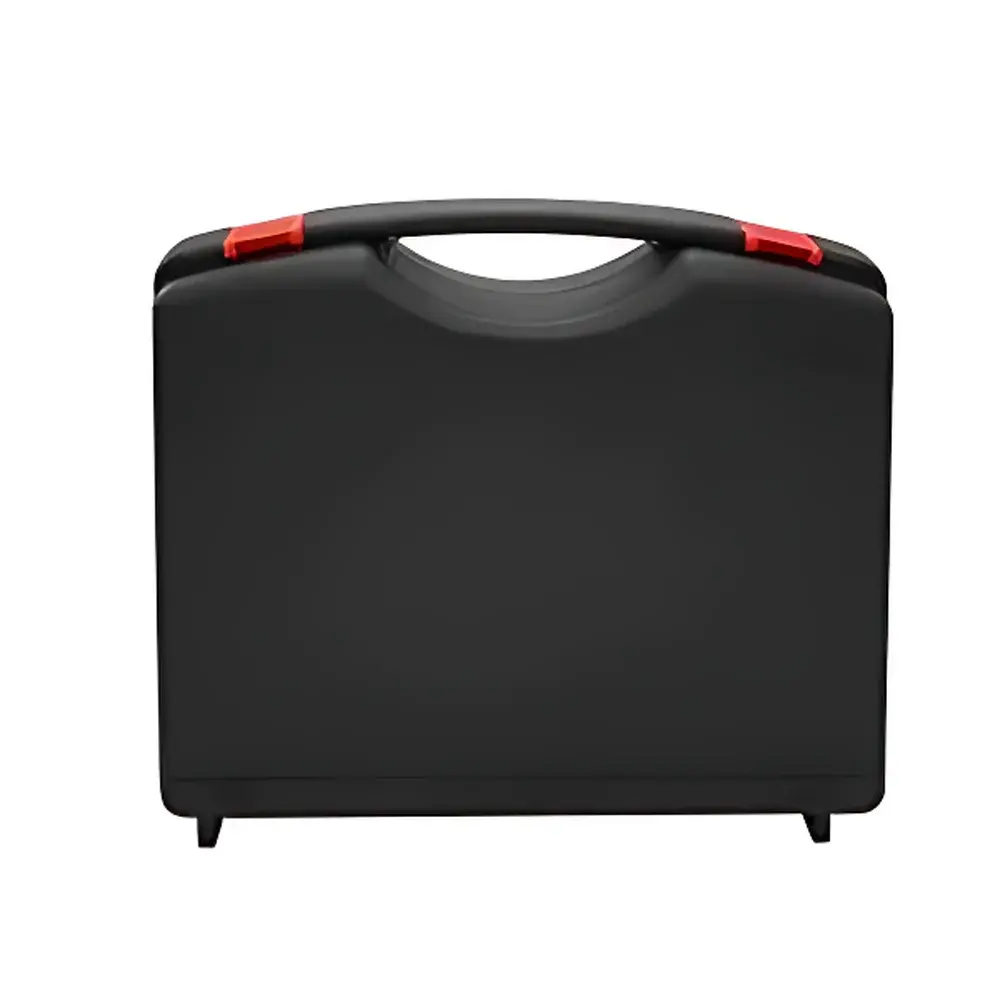
Shenchanghong CHCL-222 Portable Residual Chlorine Analyzer
| Brand | Shenchanghong |
|---|---|
| Origin | Guangdong, China |
| Manufacturer Type | Direct Manufacturer |
| Region of Origin | Domestic (China) |
| Model | CHCL-222 |
| Instrument Type | Portable |
| Measurement Parameter | Residual Chlorine |
| Measurement Range | 0.02–10.00 mg/L (dual-range: 0.02–2.00 mg/L and 2.00–10.00 mg/L) |
| Accuracy | ≤ ±3% FS |
| Repeatability | ≤ 3% |
| Resolution | 0.01 mg/L |
| LOD | 0.02 mg/L |
| Optical Stability | Absorbance drift < 0.002 A within 20 min |
| Dimensions | 80 × 230 × 55 mm |
| Weight | 500 g |
| Operating Temperature | 5–40 °C |
| Power Supply | Rechargeable Li-ion battery (integrated) |
| Display | LCD with backlight |
| Data Storage | 500 measurements |
| Calibration Curves | Up to 50 built-in standard curves |
| Connectivity | USB interface |
| Enclosure Rating | IP65 |
| Housing Material | Molded ABS |
Overview
The Shenchanghong CHCL-222 Portable Residual Chlorine Analyzer is a field-deployable photometric instrument engineered for rapid, on-site quantification of free residual chlorine in aqueous samples. It operates on the principle of DPD (N,N-diethyl-p-phenylenediamine) colorimetric reaction, where residual chlorine oxidizes DPD reagent to form a stable magenta-colored compound. The intensity of this color—measured at 515 nm using a narrow-band interference optical system—is directly proportional to the residual chlorine concentration. Designed for routine compliance verification and process monitoring, the CHCL-222 meets the functional requirements of ASTM D1253, ISO 7393-2, and EPA Method 334.1 for residual chlorine determination in drinking water, distribution systems, swimming pools, cooling towers, and wastewater effluents.
Key Features
- High-stability cold LED light source with narrow-band interference filter (center wavelength: 515 nm ± 2 nm), ensuring minimal spectral drift and immunity to ambient light interference.
- Optical system calibrated for absorbance linearity across 0.000–2.000 A, with verified stability of < 0.002 A drift over 20 minutes—critical for field reliability under variable thermal and lighting conditions.
- IP65-rated molded ABS housing providing full protection against dust ingress, water splashes, and corrosion from chlorinated environments.
- Integrated rechargeable lithium-ion battery supporting >10 hours of continuous operation; eliminates disposable battery dependency and reduces long-term operational cost.
- Backlit monochrome LCD display (128 × 64 pixels) with intuitive icon-driven menu navigation and real-time measurement feedback—including auto-ranging between low (0.02–2.00 mg/L) and high (2.00–10.00 mg/L) ranges.
- Onboard memory stores up to 500 measurement records with timestamp, sample ID, and calibration curve ID; data retention persists through power cycles.
- USB 2.0 interface enables bidirectional communication with Windows-based desktop software for data export (CSV), firmware updates, and curve management.
Sample Compatibility & Compliance
The CHCL-222 is validated for use with clarified potable water, filtered surface water, disinfected wastewater effluent, and recirculated pool/spa water. Turbidities ≤ 5 NTU do not significantly interfere with measurement accuracy when using standard DPD powder reagents. Sample volume requirement is 10 mL per test. The analyzer complies with fundamental metrological requirements outlined in ISO/IEC 17025 for field instrumentation used in environmental testing laboratories. While not certified to GLP or FDA 21 CFR Part 11 out-of-the-box, its audit-ready data logging (with immutable timestamps and user-defined IDs) supports traceability frameworks required under municipal water quality reporting regulations (e.g., U.S. Safe Drinking Water Act Tier 1 monitoring, EU Directive 98/83/EC Annex I parameters).
Software & Data Management
A dedicated Windows application (compatible with Windows 10/11, 64-bit) provides secure data aggregation, calibration curve editing, and report generation (PDF/Excel). Each measurement record includes embedded metadata: date/time stamp, operator ID, instrument serial number, selected curve index, raw absorbance value, and calculated concentration. The software enforces read-only access to historical logs unless authenticated via administrator credentials—supporting basic data integrity controls aligned with ISO 9001 Clause 8.5.2 (Control of Monitoring and Measuring Resources). No cloud synchronization or remote access functionality is implemented, preserving data sovereignty for regulated users.
Applications
- Drinking water utilities: Field verification of chlorine residual at entry points, storage tanks, and distribution endpoints per regulatory grab sampling protocols.
- Food & beverage facilities: Sanitizer concentration checks in CIP rinse cycles and process water lines to ensure microbiological control without over-chlorination.
- Healthcare institutions: Monitoring disinfectant levels in dialysis water systems and sterilization equipment feedwater per AAMI/ISO 13959 standards.
- Environmental monitoring agencies: Rapid assessment of chlorine persistence in receiving waters downstream of wastewater discharge points.
- Swimming pool & spa operators: Daily compliance testing aligned with CDC Model Aquatic Health Code (MAHC) Section 6.003 requirements.
FAQ
What reagents are required for operation?
DPD No. 1 reagent (powder or tablet form) is required for free chlorine measurement. Shenchanghong supplies compatible reagent kits (catalog #CHCL-DPD1); third-party ASTM-certified DPD reagents may also be used.
Does the instrument support zero-point calibration?
Yes—manual zero adjustment is available using deionized water or chlorine-free blank prior to each measurement session.
Can calibration curves be edited or imported externally?
Calibration curves may be created, modified, or deleted via the desktop software; however, direct import of external .csv/.txt curve files is not supported—curves must be generated in situ or programmed manually.
Is the device suitable for saline or seawater matrices?
Not recommended for undiluted seawater due to potential bromine interference; for brackish applications, method validation per ISO 7393-2 Annex B is advised.
How often does the optical system require maintenance?
No scheduled optical alignment or lamp replacement is required—the solid-state LED source has a rated lifetime exceeding 100,000 hours; routine cleaning of the cuvette chamber and optical window with lint-free tissue and isopropanol is sufficient.







